The Recruit
"Trust no one. Everything is a test."
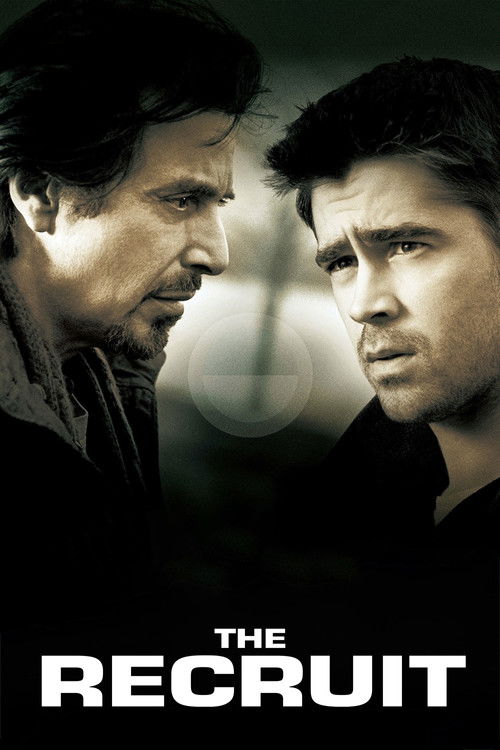
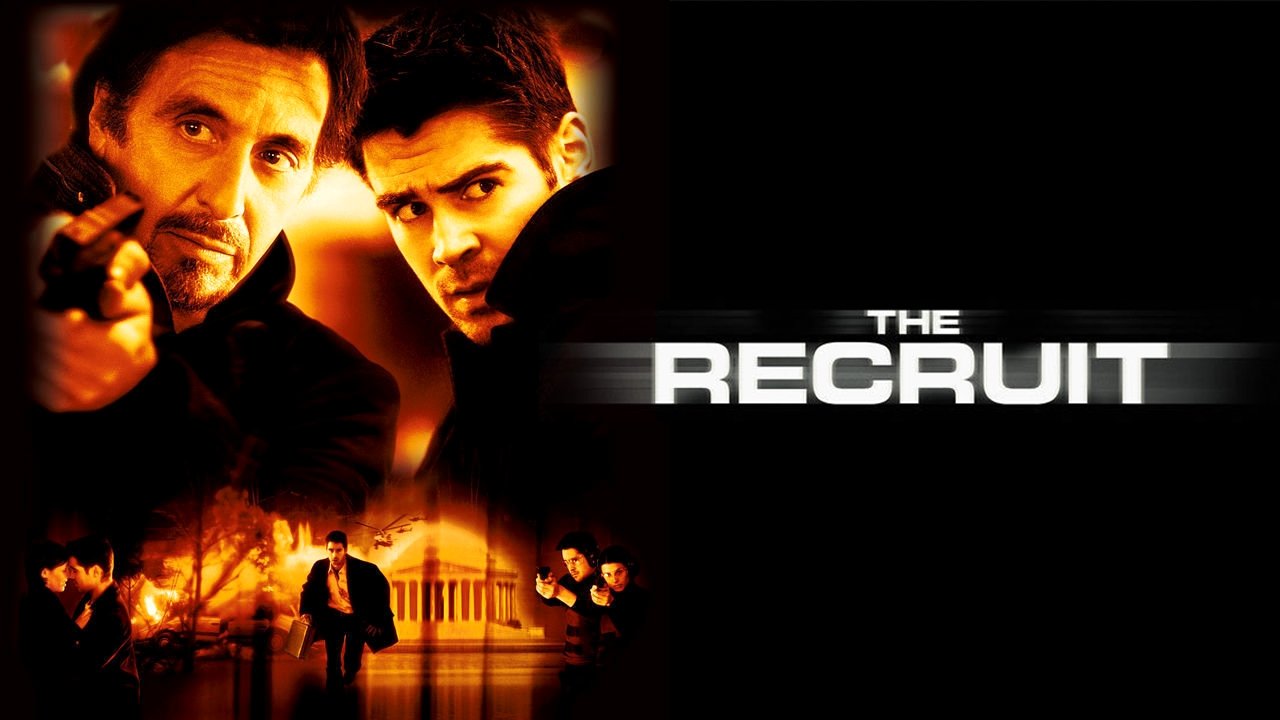
In the early 2000s, Colin Farrell was essentially the center of the cinematic universe. He was everywhere—sporting a leather jacket, a perpetual five-o'clock shadow, and an intensity that suggested he’d just finished a marathon and a pack of cigarettes simultaneously. Looking back at The Recruit (2003), it’s fascinating to see it as the ultimate "It Boy" vehicle. It’s a film that arrived exactly when the world was pivoting; we were moving away from the slick, neon-drenched hacking of the 90s and into the paranoid, gritty, post-9/11 reality of global espionage.
I remember watching this on a scratched DVD I picked up at a Blockbuster closing sale, and the disc was so temperamental I had to tilt my player five degrees to the left just to get the third act to load. Honestly, that slightly tilted, unstable perspective actually felt like the perfect way to experience a movie where the tagline literally tells you that "nothing is what it seems."
The Farrell Paradox and Pacino’s Gravel
The setup is classic thriller bait. Colin Farrell plays James Clayton, a brilliant MIT whiz who spends his nights coding revolutionary software and his days working at a bar, presumably to show us he’s a "regular guy" despite his genius. Enter Walter Burke, played by the legendary Al Pacino. By 2003, Al Pacino had officially entered his "hoarse-whisper-to-shouty-volcano" phase of acting, and he leans into it here with spectacular relish.
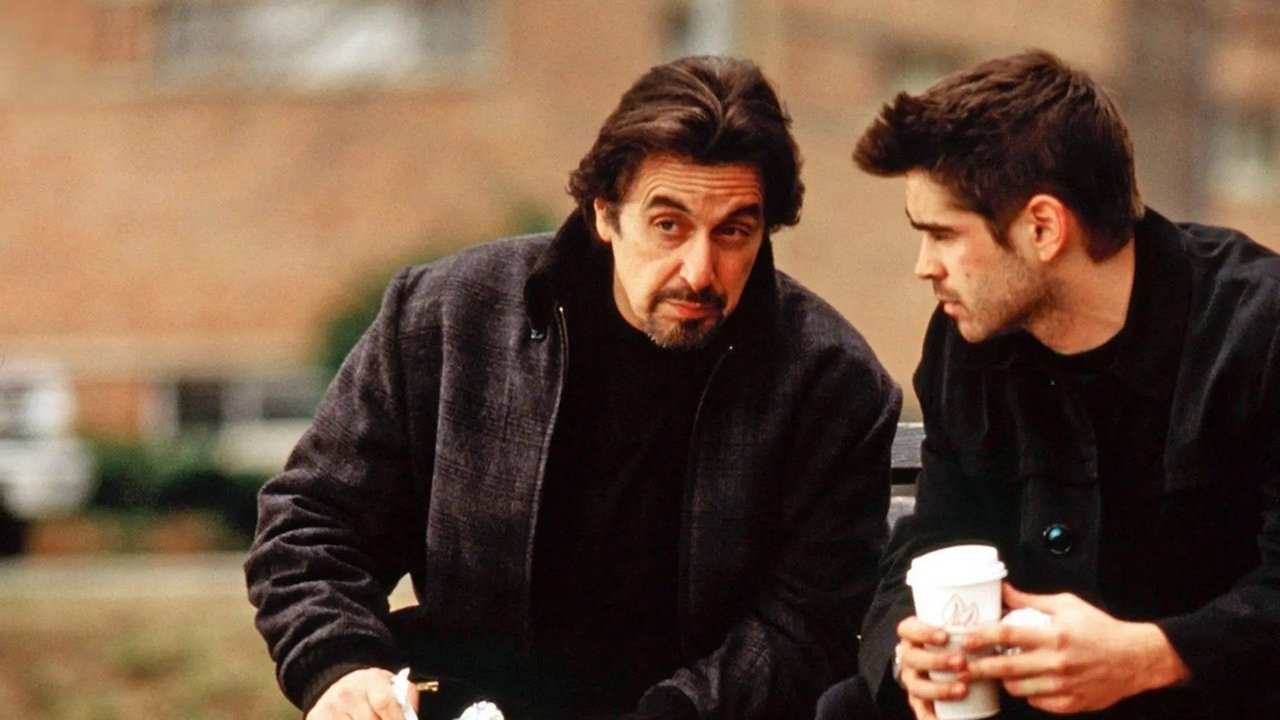
Burke is a recruiter for the CIA who lures Clayton into "The Farm"—the agency’s secret training facility—by dangling information about Clayton’s mysterious, long-dead father. The chemistry between the two is the engine of the film. Farrell brings a twitchy, eager-to-please energy that perfectly offsets Pacino’s weary, cynical mentor routine. It’s a classic master-and-apprentice dynamic, but since it’s a spy movie, you’re constantly waiting for the rug to be pulled out from under you. Bridget Moynahan (fresh off The Sum of All Fears) joins as Layla, the love interest/fellow trainee who may or may not be a mole. It’s a role that requires her to look suspicious while doing pull-ups, and she handles the era’s "competent but mysterious woman" trope with enough grace to keep you guessing.
Welcome to the Farm: Where Reality Goes to Die
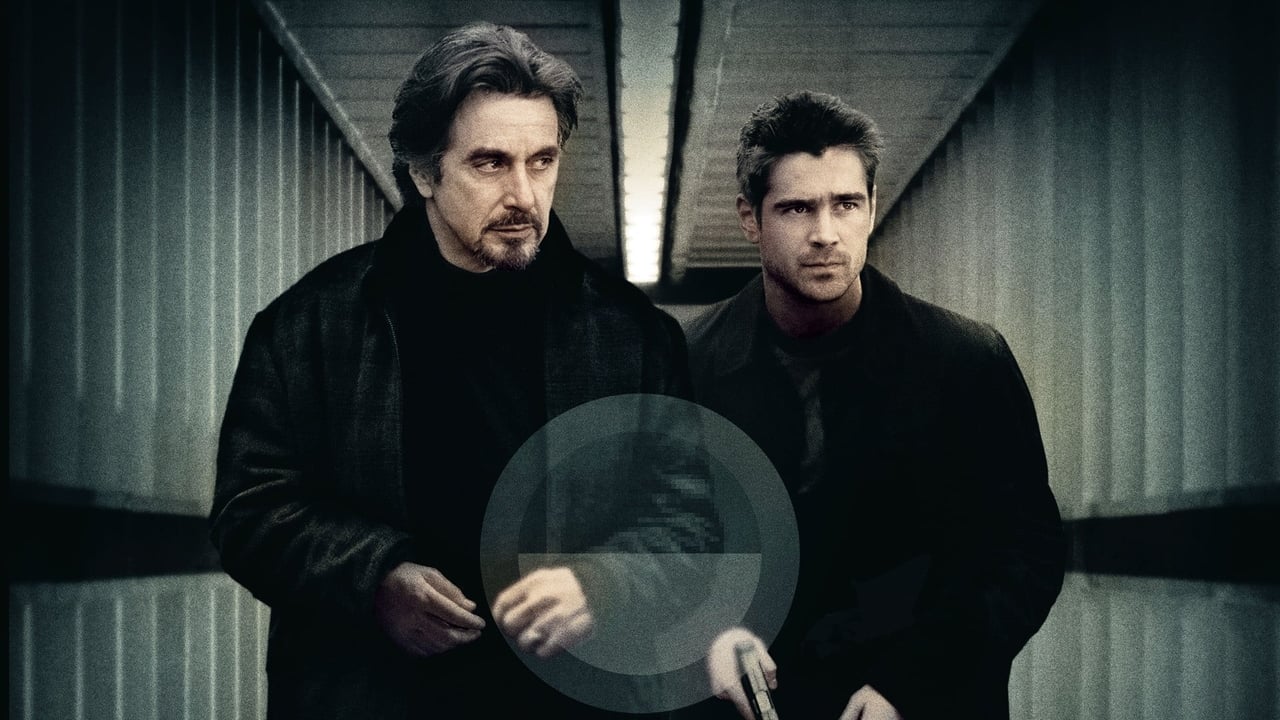
The middle hour of the film is easily its strongest. Director Roger Donaldson—who previously gave us the excellent Kevin Costner thriller No Way Out—knows his way around a high-stakes training sequence. We get a deep dive into the psychological meat-grinder of the CIA: sleep deprivation tests, "the bug" (a social engineering exercise), and the art of the tail. These scenes feel grounded and tactile, capturing a time before spy movies became entirely about drones and satellite hacking.
There’s a specific sequence involving a simulated kidnapping and interrogation that still carries a surprising amount of weight. It’s here that the film explores the blurred lines between training and trauma. For a 2003 audience, this was peak entertainment—seeing the "secret sauce" of how spooks are made. The film’s portrayal of technology is a hilarious time capsule, featuring chunky laptops, flip phones, and a computer virus that manifests as a literal "black hole" on the screen. It’s charmingly analog by today’s standards, reminding me of an era when we still thought "the internet" was a place you could physically visit if you typed fast enough.
The Post-9/11 Glow-Up of the CIA
It’s impossible to discuss The Recruit without mentioning the cultural context of its release. Coming just eighteen months after 9/11, the film was part of a wave of media (alongside shows like 24 and Alias) that attempted to make the intelligence community look "cool" again. Interestingly, the CIA actually served as a consultant on the film. While they didn’t allow filming at the real Langley headquarters, they gave the production enough access to lend the sets an air of authenticity.
However, as much as it strives for realism, the screenplay by Kurt Wimmer and Mitch Glazer can’t help but succumb to the era’s obsession with the "triple-cross." By the time we hit the final twenty minutes, the plot twists are stacked so high that the narrative starts to resemble a game of Jenga played in a wind tunnel. It’s a common symptom of early-2000s thrillers; there was a feeling that a movie wasn’t "smart" unless it tricked the audience at least four times in the final act. Does it all hold up under scrutiny? Not really. But in the moment, with Al Pacino screaming about how he is a "scary judge of talent," it’s hard not to just go along for the ride.
The Recruit is a quintessential Saturday night "cable movie." It’s polished, well-acted, and just complex enough to keep you from checking your phone, but not so deep that you’ll be debating its themes a week later. It’s a testament to Colin Farrell's early magnetism and Al Pacino's ability to chew scenery with such precision that it almost feels like a gourmet meal.
If you’re looking for a dose of early-millennium nostalgia, complete with blue-tinted cinematography and characters who say things like "the world is a scary place," this is a solid choice. It represents a specific moment in Hollywood history—the bridge between the star-driven thrillers of the 90s and the franchise-heavy era that followed. Just remember Burke's advice: Believe nothing you hear, and only half of what you see. Especially when it comes to early-2000s CGI viruses.
Keep Exploring...
-
Seeking Justice
2011
-
The November Man
2014
-
Street Kings
2008
-
Miami Vice
2006
-

Dead Man Down
2013
-
Dante's Peak
1997
-

Behind Enemy Lines
2001
-
Total Recall
2012
-
The Sum of All Fears
2002
-
Lake Placid
1999
-

Romeo Must Die
2000
-
Shaft
2000
-
Kiss of the Dragon
2001
-
The One
2001
-
Eight Legged Freaks
2002
-
Equilibrium
2002
-
Taxi
2004
-
Walking Tall
2004
-
Firewall
2006
-

Undisputed II: Last Man Standing
2006