The Texas Chainsaw Massacre
"The 2000s horror remake that actually cut deep."

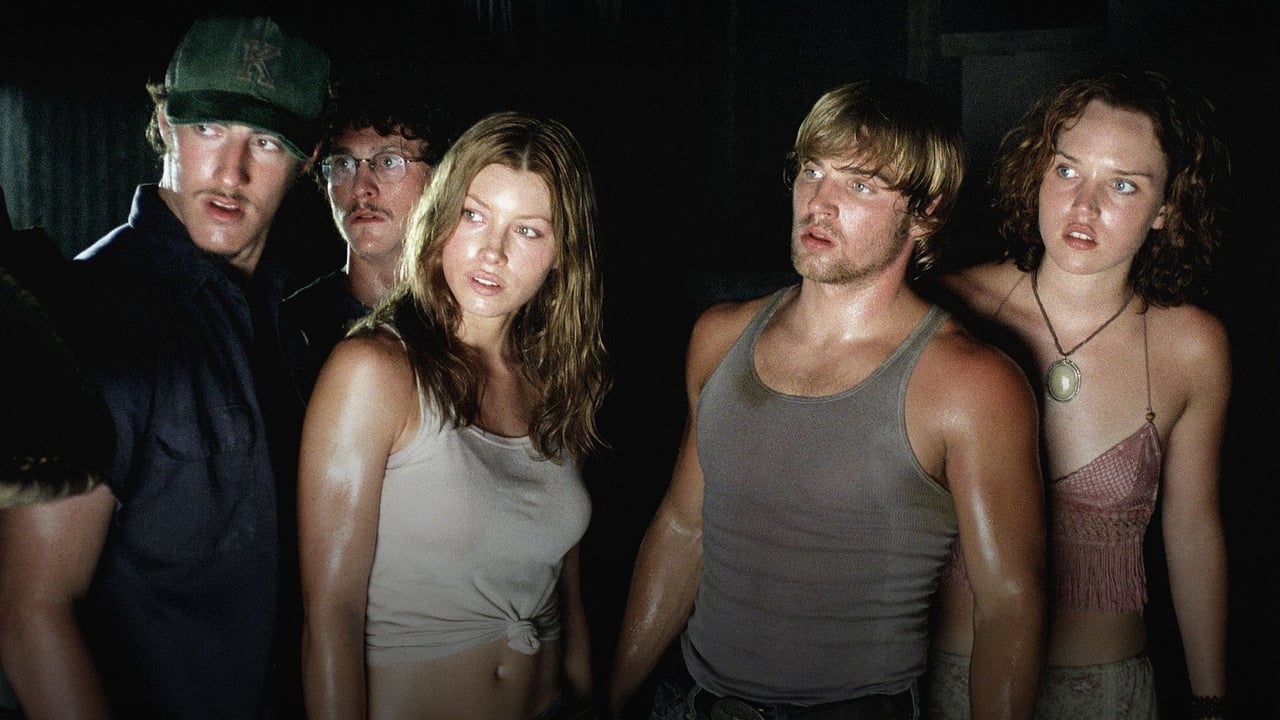
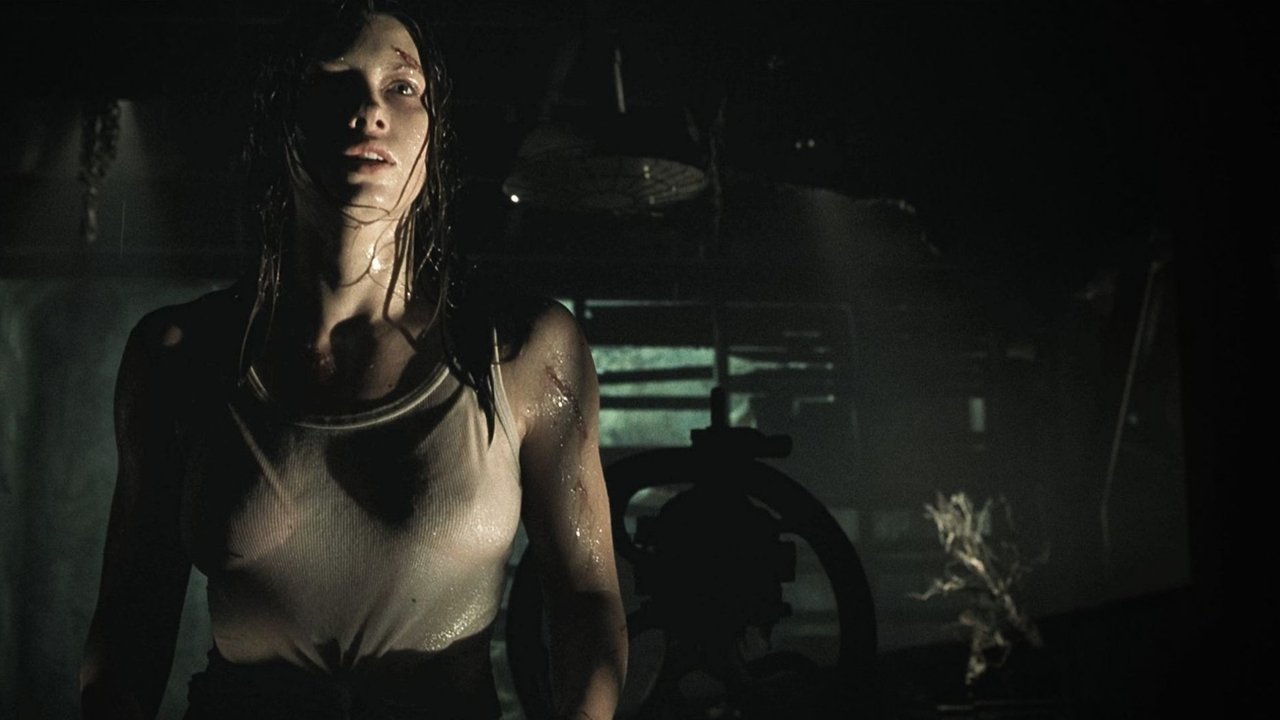
There is a specific kind of sweat that only exists in early-2000s horror movies. It’s not just "hot weather" sweat; it’s a desaturated, high-contrast, oily sheen that makes every character look like they’ve been rubbed down with motor oil and anxiety. I remember watching this for the first time on a scratched DVD while eating lukewarm Taco Bell, and the visual grit of the film made me feel like I was eating actual Texas dirt.
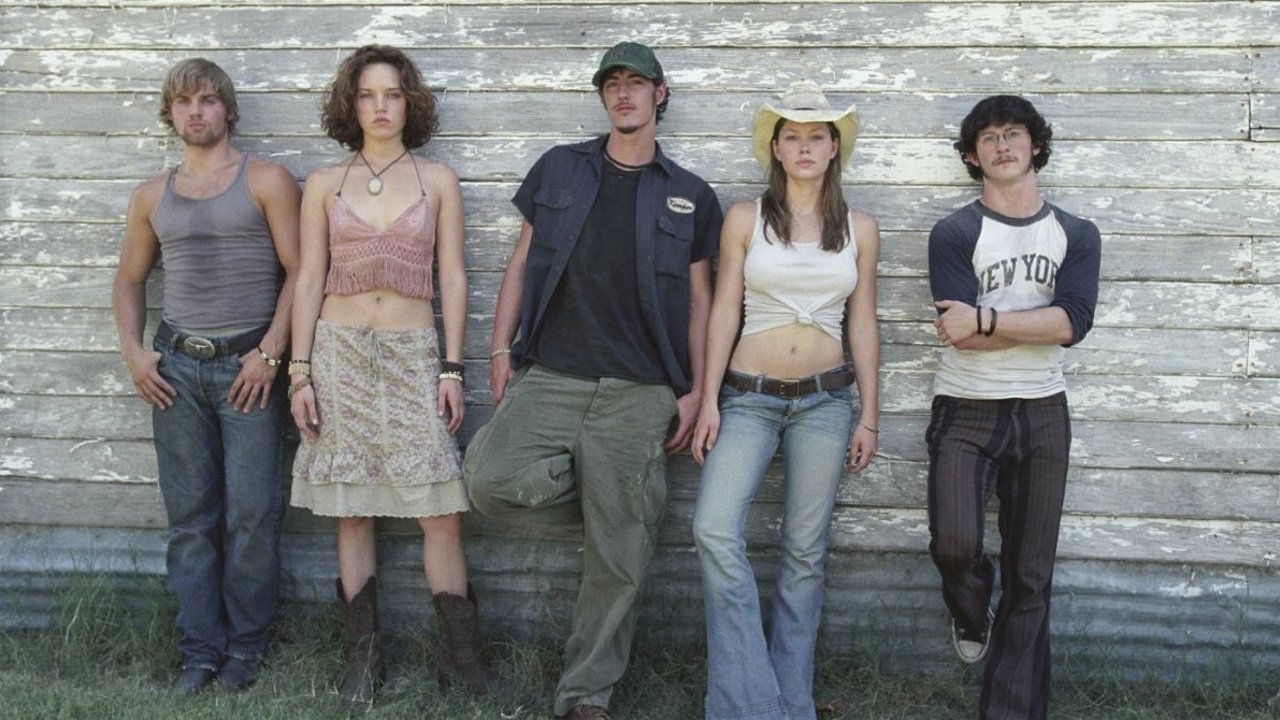
When Marcus Nispel’s The Texas Chainsaw Massacre arrived in 2003, the "remake" hadn’t yet become the dirty word it is today. We were just beginning to see Hollywood realize that nostalgia was a goldmine, and Michael Bay’s Platinum Dunes production company was the prospector. This film didn't just reboot a franchise; it set the blueprint for a decade of horror: beautiful people, high-gloss cinematography, and a relentless, pummeling intensity that traded the original’s surrealism for a heavy-metal nihilism.
The Beauty of the Beast
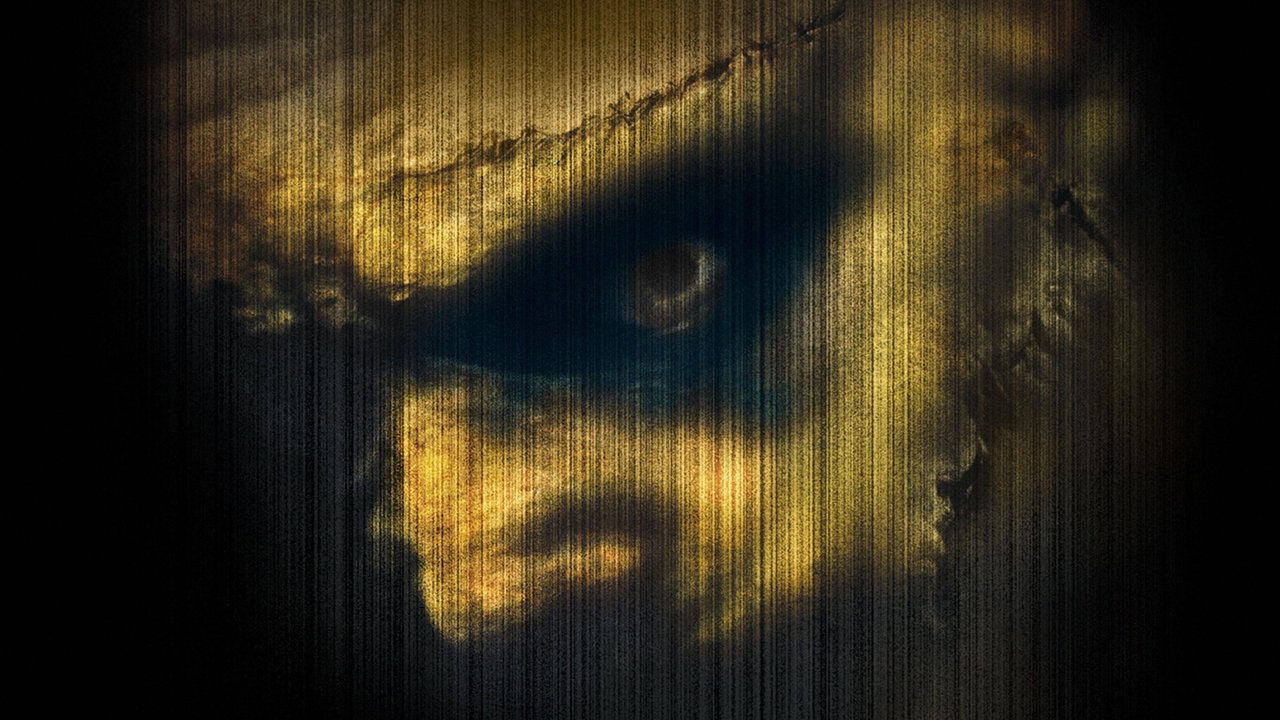
The smartest move this production made was hiring Daniel Pearl as the cinematographer. Pearl was the man who shot Tobe Hooper's 1974 original, and his return here provides a fascinating bridge between analog grit and digital-era polish. While the 1974 film felt like a snuff film you weren't supposed to find, the 2003 version feels like a nightmare curated by a high-end music video director. It’s essentially a very expensive, very scary music video for a band that doesn't exist, and I mean that as a compliment.
The film follows five friends—led by Jessica Biel as Erin and Jonathan Tucker as Morgan—who are driving through Texas on their way to a Lynyrd Skynyrd concert. They pick up a traumatized hitchhiker, a scene that ends with a shocking suicide that immediately signals this isn't going to be a fun road trip. From there, they stumble into the orbit of the Hewitt family, a group of backwoods psychopaths led by the towering, skin-masked Thomas Hewitt, played with terrifying physicality by Andrew Bryniarski.
Jessica Biel was primarily known for the family drama 7th Heaven at the time, and her casting felt like a "star transformation" moment. She brings a desperate, athletic groundedness to the role of Erin. She isn't just a screaming victim; she’s a survivor who looks like she could actually outrun a guy with a thirty-pound saw. Alongside her, Eric Balfour, Mike Vogel, and Erica Leerhsen round out a cast that is significantly more likable than your average slasher fodder, which makes their eventual fates actually sting.
The Mechanics of Dread
What I find most interesting about this era of horror is how it reflected a post-9/11 anxiety. There’s a shift from the ironic, meta-humor of Scream (1996) toward something much more mean-spirited and visceral. This film doesn't have jokes. It has a sense of overwhelming, institutional rot. The "authorities" in the film—specifically R. Lee Ermey’s Sheriff Hoyt—are more terrifying than the monster because they represent a world where help isn't coming. R. Lee Ermey is the MVP here; he’s doing a twisted version of his Full Metal Jacket drill sergeant, and he is absolutely the most punchable person to ever appear in a horror movie.
The "fear mechanics" here rely heavily on the sound design. Steve Jablonsky’s score is less about melody and more about industrial groans and metallic clanging. When that chainsaw finally revs, it doesn't just sound like a tool; it sounds like the end of the world. The film was actually a massive commercial success, turning a $9.5 million budget into over $107 million worldwide. It proved that audiences were hungry for R-rated, unapologetic horror again, effectively launching the careers of several "horror masters" and leading to the remaking of everything from Friday the 13th to A Nightmare on Elm Street.
One of the cooler details I learned from the DVD special features (which were the lifeblood of film literacy in the early 2000s) was that the production designer, Gregory Blair, used actual animal carcasses and rotting meat to "season" the sets. The actors weren't just acting like they were disgusted; they were breathing in genuine decay. That commitment to practical grossness is why the movie holds up better than many of its CGI-heavy contemporaries.
A Legacy in Leather
Looking back, the 2003 Chainsaw is better than it had any right to be. It’s easy to dismiss it as a "Michael Bay-ified" version of a classic, but Nispel and Kosar understood that you can’t out-weird Tobe Hooper. Instead, they opted to out-intensify him. They traded the sun-drenched madness of the original for a claustrophobic, rain-slicked descent into hell.
It’s a film that marks a turning point in horror history—the moment the "Modern Classic" remake became a viable business model. While it lacks the raw, artistic soul of the '74 masterpiece, it replaces it with a polished, terrifying efficiency. It’s a movie that knows exactly what it is: a brutal, 98-minute exercise in tension that reminds us why we were afraid of the woods in the first place.
While it helped kickstart a trend of increasingly hollow remakes, the 2003 Texas Chainsaw Massacre remains the gold standard of that movement. It’s visually stunning, genuinely mean, and features one of the best final girl performances of the decade. It might not have the "art house" cred of the original, but as a piece of pure, adrenaline-pumping horror, it still cuts deep. If you haven't revisited it since the days of Blockbuster rentals, it’s time to head back to the basement.
Keep Exploring...
-
The Texas Chainsaw Massacre: The Beginning
2006
-
The Amityville Horror
2005
-
Friday the 13th
2009
-
The Ring
2002
-
The Ring Two
2005
-
Final Destination
2000
-
Scream 3
2000
-
The Cell
2000
-

Resident Evil
2002
-
Freddy vs. Jason
2003
-
Gothika
2003
-
Dawn of the Dead
2004
-
The Grudge
2004
-
Hide and Seek
2005
-
The Exorcism of Emily Rose
2005
-
Final Destination 3
2006
-
Saw III
2006
-

The Omen
2006
-
1408
2007
-
Resident Evil: Extinction
2007