Thirteen
"Growing up is a contact sport."
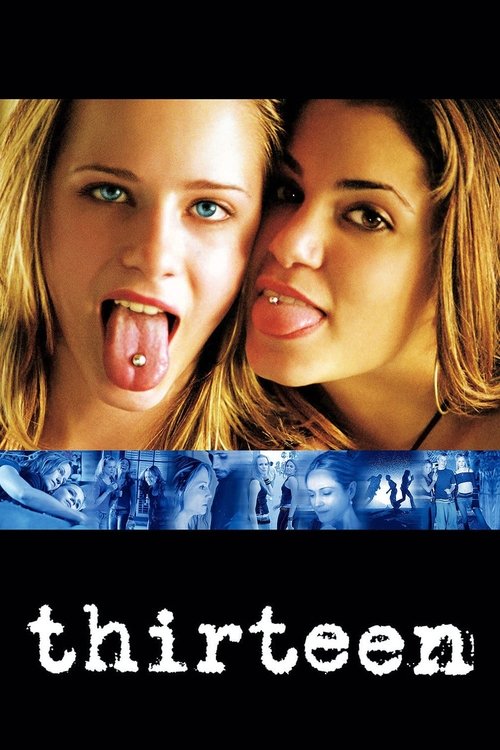
I remember watching Thirteen for the first time on a borrowed DVD with a cracked case that smelled faintly of old library glue, and I’m not sure my heart rate has fully returned to normal since. There is a specific brand of anxiety that only early-2000s indie cinema can produce—that grainy, handheld, "is-the-cameraman-having-a-panic-attack" aesthetic—and Catherine Hardwicke’s directorial debut is the undisputed heavyweight champion of the genre.
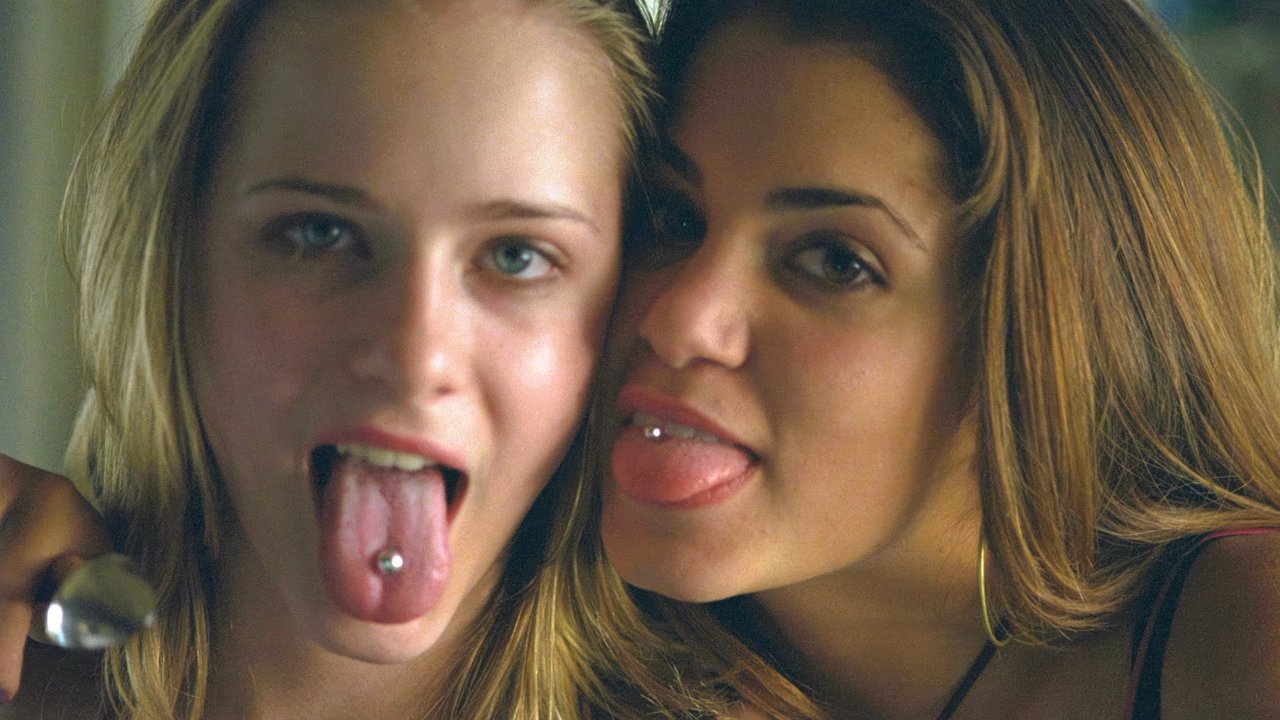
Most coming-of-age movies treat puberty like a series of awkward growth spurts and first crushes. Thirteen treats it like a house fire. It opens with two girls huffing aerosol duster and slapping each other across the face just to see if they can feel anything, and from that moment on, the film never asks for your permission to be uncomfortable. It just drags you into the smoke.
The Truth in the Tongue Piercing
What makes this film feel so startlingly authentic even twenty years later is its origin story. This wasn't some middle-aged screenwriter trying to "identify with the youth" by using outdated slang. The script was co-written by Nikki Reed, who was only fourteen at the time, alongside Hardwicke. They reportedly banged out the first draft in six days, fueled by Nikki Reed’s own recent experiences descending into the L.A. party scene.
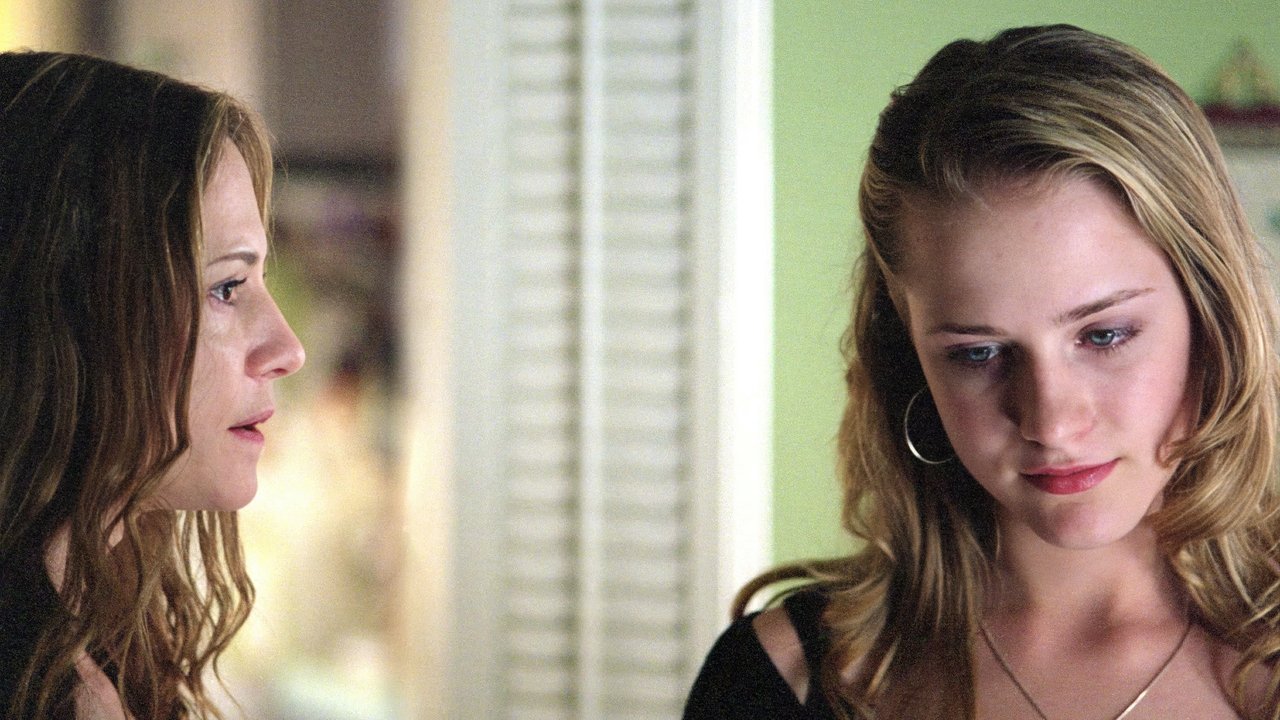
That raw, unpolished perspective is all over the screen. You can feel it in the way Evan Rachel Wood (playing Tracy) transitions from a girl playing with Barbie dolls to a girl hiding a tongue piercing from her mother in the span of a single montage. Evan Rachel Wood gives one of the most terrifyingly accurate performances of a "good kid" losing the map that I’ve ever seen. She doesn’t just play a rebel; she plays a girl who is visibly exhausted by her own desperation to be cool. Watching her face harden as she learns to manipulate the adults around her is like watching a car crash in slow motion—you want to look away, but the craftsmanship is too good to ignore.
A Hurricane Named Evie
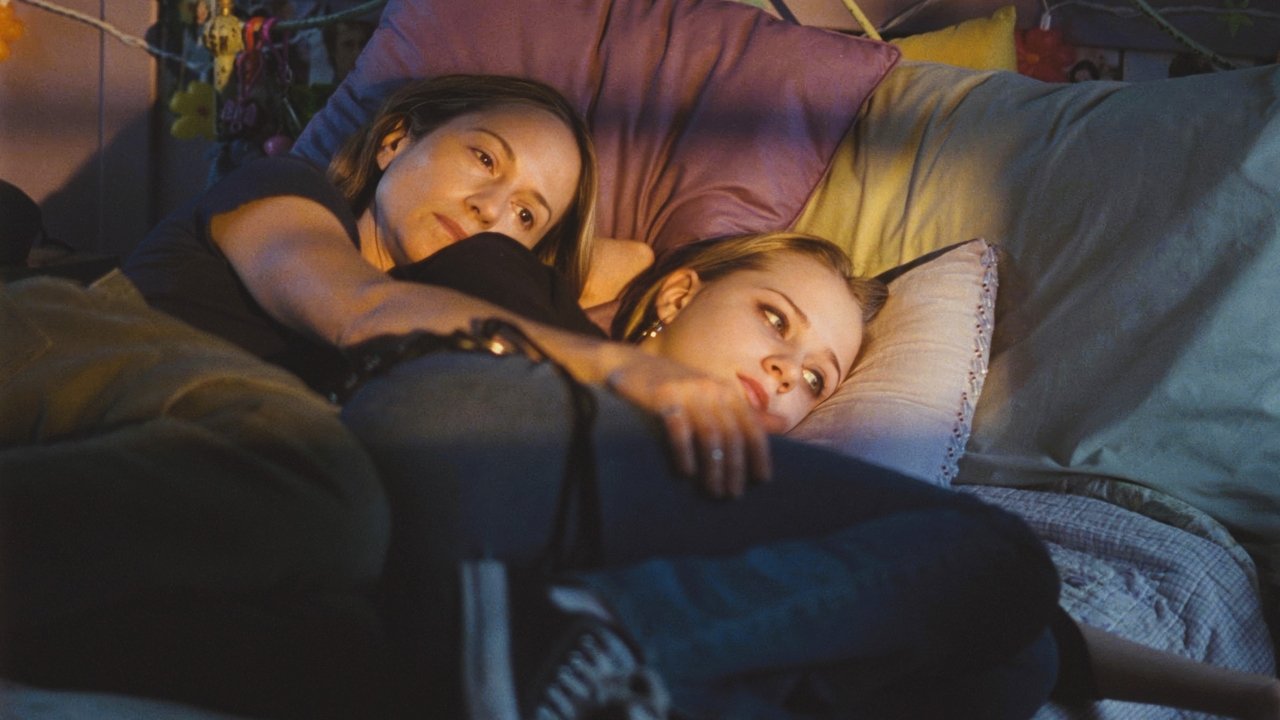
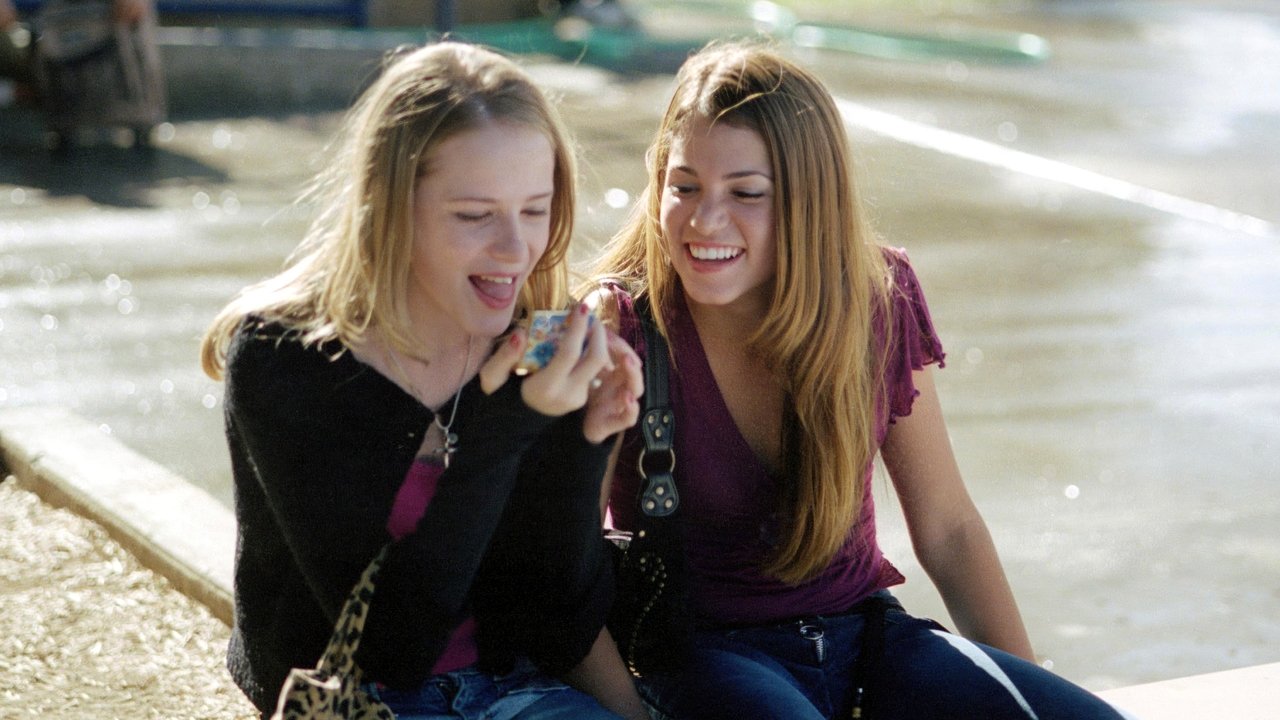
If Tracy is the combustible material, Nikki Reed’s character, Evie, is the match. Looking back, Nikki Reed plays Evie with a calculated, predatory charisma that feels lightyears beyond her actual age. She’s the "popular girl" archetype stripped of all its Mean Girls gloss and replaced with something much more jagged and broken.
Then there’s Holly Hunter as Melanie, the mother. In a lesser movie, the mom would be a clueless bystander or a shrieking villain. But Holly Hunter plays Melanie as a woman who is trying to be a "cool mom" not out of vanity, but out of a desperate, clawing fear that if she sets a boundary, she’ll lose her daughter forever. Her performance is a masterclass in domestic frailty. Holly Hunter’s hair in this movie deserves its own acting credit—it’s a chaotic, frizzy halo that perfectly mirrors her crumbling control over her household.
The supporting cast is a trip through a "before they were famous" time capsule, too. A pre-High School Musical Vanessa Hudgens pops up as a "good" friend Tracy abandons, and Brady Corbet (who has since become a powerhouse indie director himself) is heartbreaking as the older brother who sees the cracks forming before anyone else does.
The Gritty Indie Blueprint
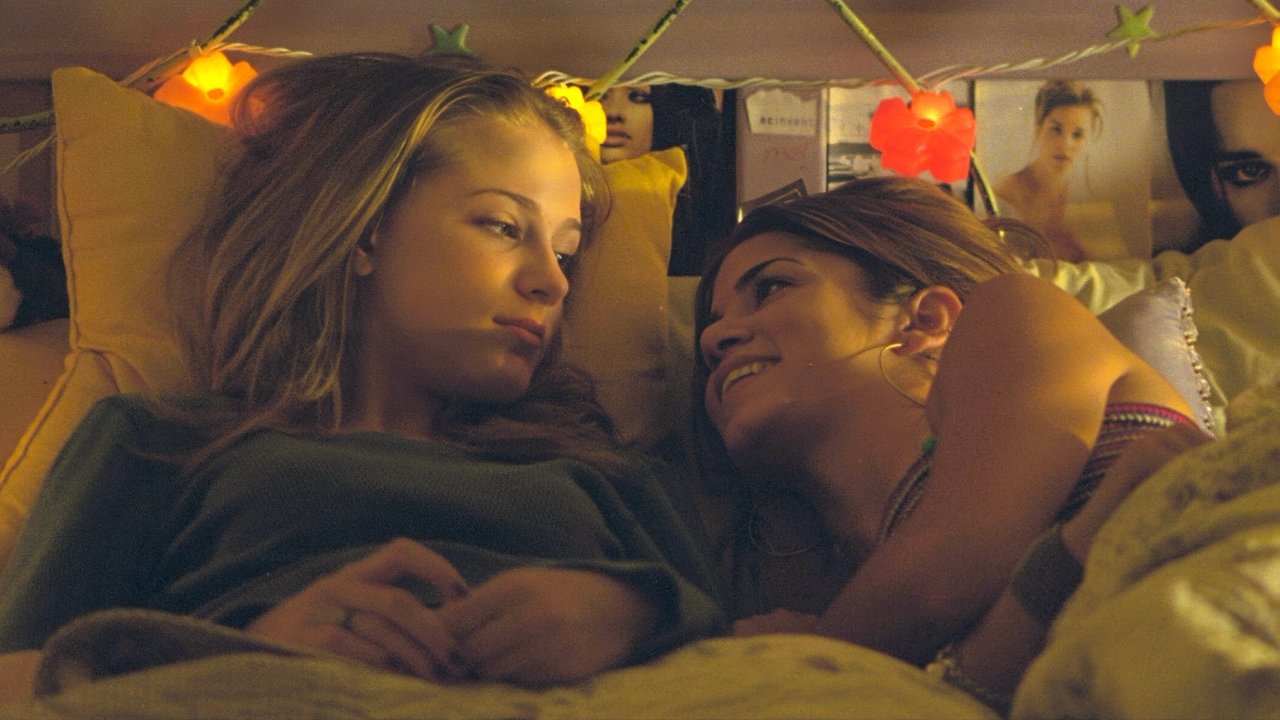
Technically, Thirteen is a fascinating relic of the "Digital Revolution" era of filmmaking. Shot on a shoestring budget of $2 million over just 24 days, it leans into its limitations. The cinematography by Elliot Davis is hyper-saturated and restless, using Super 16mm film to give everything a bruised, sickly texture. It looks like the way a fever dream feels.
This was a major Sundance hit, and you can see why. It avoided the "after-school special" traps by refusing to offer easy answers. There’s no tidy bow at the end. Instead, we get a portrait of the early 2000s—the low-rise jeans, the wallet chains, the soundtrack featuring The Crystal Method—that feels less like nostalgia and more like a police report. It’s a film that captured the post-9/11 anxiety of parents who realized they had no idea what was happening in the bedroom right across the hall. It’s the movie that made an entire generation of parents check their daughters' belly buttons for hidden jewelry.
Ultimately, Thirteen holds up because it understands that being thirteen isn't about the drugs or the clothes; it's about the terrifying realization that you can reinvent yourself, even if the "new you" is someone you don't actually like. It’s loud, it’s sweaty, and it’s deeply empathetic to the messiness of growing up. If you haven't seen it since the days of Blockbuster rentals, it’s time to revisit it—just maybe keep some aspirin nearby for the secondary stress.
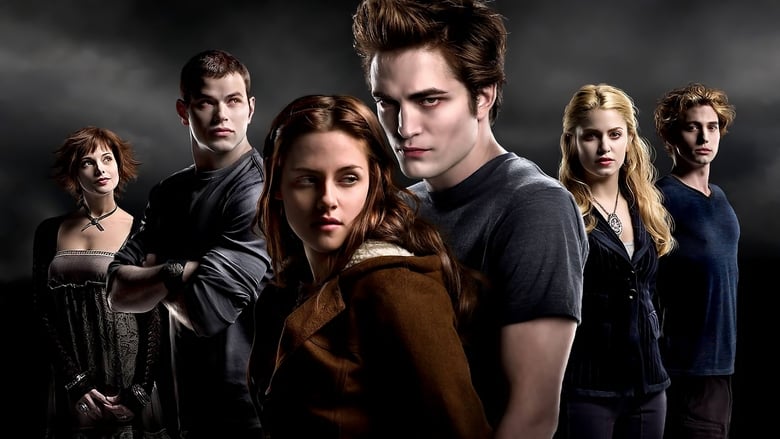
Watching this again, I couldn't help but notice how much Catherine Hardwicke brought this same "hectic teenager" energy to the first Twilight movie a few years later. But where Twilight was a fantasy, Thirteen is the reality that makes you understand why kids want to run away with vampires in the first place. It’s a bruising, essential piece of indie history that still has the power to leave you breathless.
Keep Exploring...
-
Twilight
2008
-

High School Musical
2006
-
Buffalo '66
1998
-

Happiness
1998
-
Pi
1998
-
Monster's Ball
2001
-
Session 9
2001
-
Waking Life
2001
-
Bowling for Columbine
2002
-
Secretary
2002
-
Elephant
2003
-
Garden State
2004
-
Primer
2004
-
Hard Candy
2005
-

The Squid and the Whale
2005
-
Brick
2006
-
Half Nelson
2006
-
The Man from Earth
2007
-
Felon
2008
-
Across the Universe
2007