Under the Tuscan Sun
"Divorce is temporary, but Tuscany is forever."
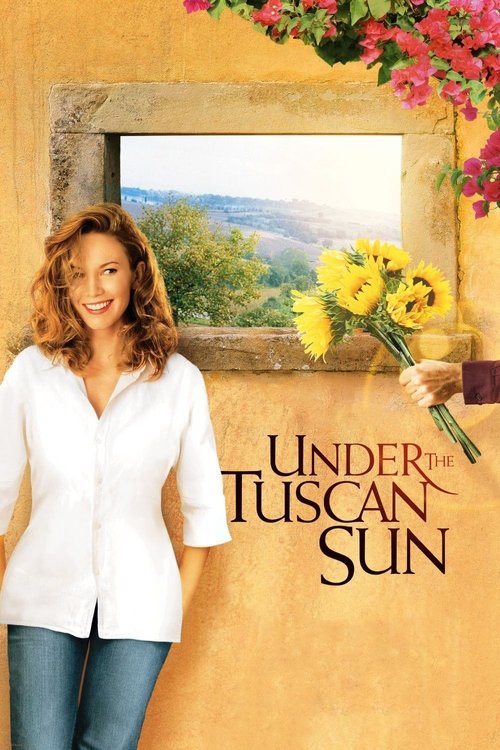
There is a specific kind of madness that only sets in after a life-altering heartbreak, the kind that makes you look at a crumbling, 300-year-old Italian villa covered in pigeon droppings and think, "Yeah, I can fix that." I recently revisited Under the Tuscan Sun on a rainy Tuesday while nursing a lukewarm cup of peppermint tea, and I was struck by how much this film feels like a fever dream from a pre-social media era. It was 2003; we weren't "curating aesthetics" on Instagram yet, but director Audrey Wells (who also wrote the sharp, witty screenplay) was busy filming the ultimate Pinterest board before the platform even existed.
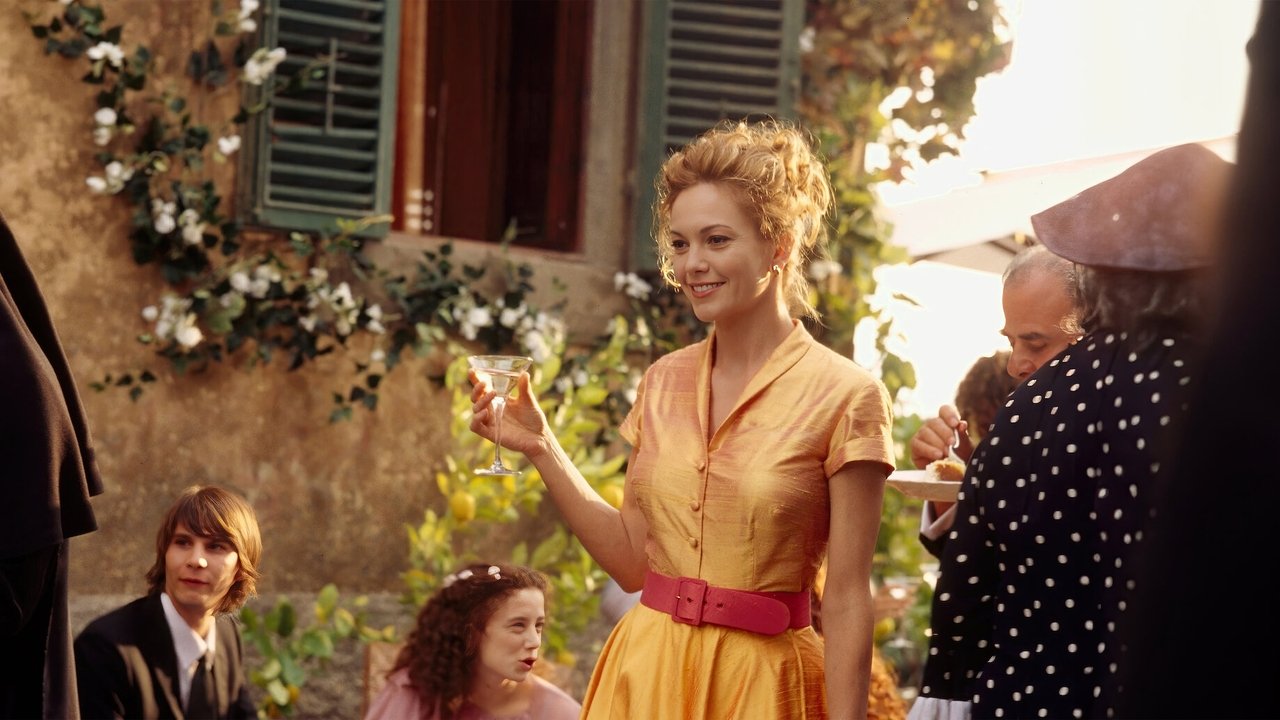
The Real Estate Porn of Spiritual Awakenings
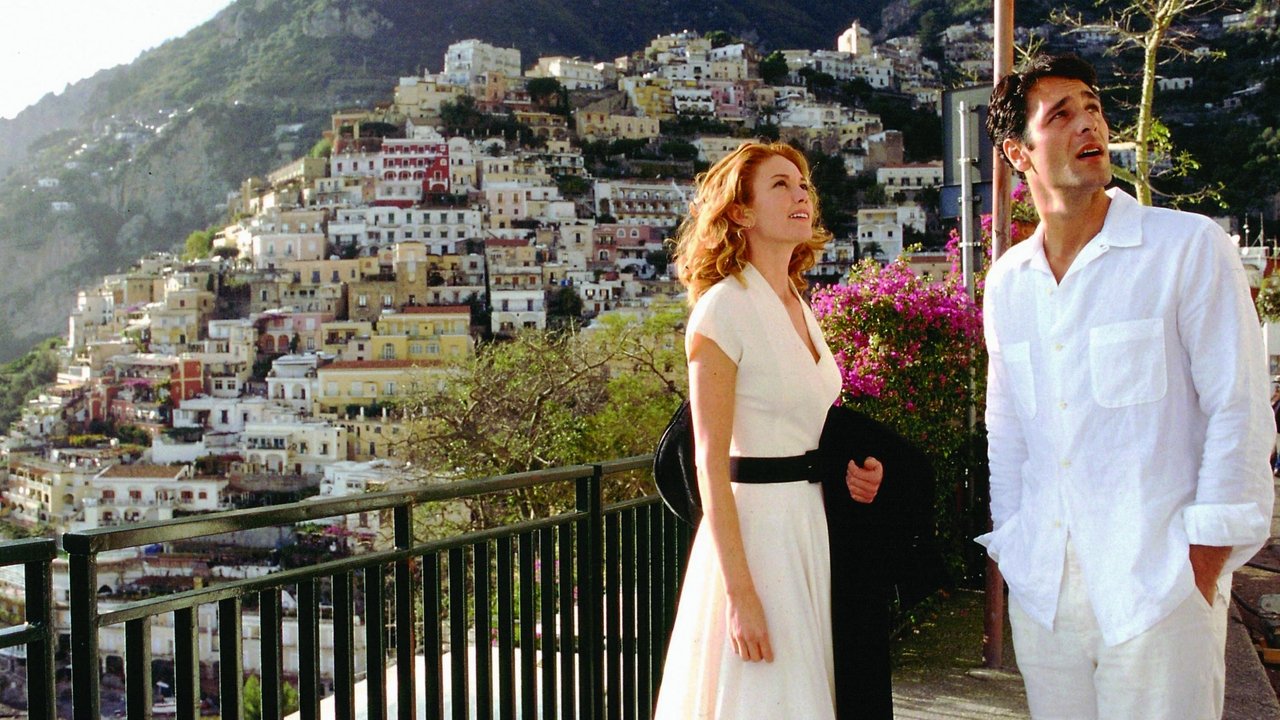
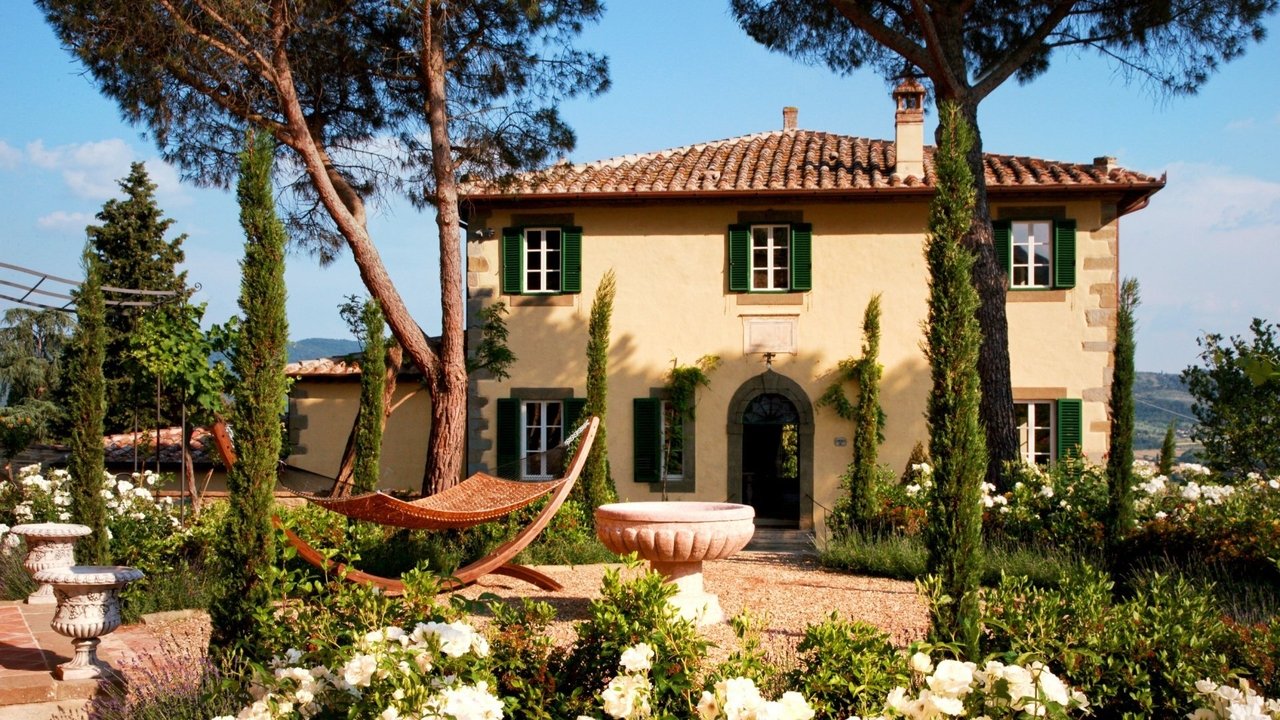
At its core, the film is the ultimate real estate porn disguised as a spiritual awakening. We follow Frances, played by a luminously frazzled Diane Lane, as she gets dumped by her husband, loses her San Francisco home, and—at the urging of her pregnant best friend Patti (Sandra Oh, in a delightful pre-Grey’s Anatomy turn)—heads to Italy. On a whim that would bankrupt anyone in the real world, she buys "Bramasole," a dilapidated estate in Cortona.
What makes the film work, and why I think it deserves a spot in your "comfort watch" rotation, is that it doesn't actually care about the romance as much as the posters suggested. Sure, Raoul Bova eventually shows up as Marcello—and let’s be honest, Raoul Bova’s Marcello is essentially a sentient espresso shot—but the movie is really about the labor of living. I watched this while trying to assemble a particularly spiteful IKEA desk, and the contrast between my cheap particle board and Frances’s 300-year-old stone walls was physically painful. Yet, there’s something deeply satisfying about watching the "Polish crew" of construction workers slowly turn a ruin into a home. It taps into that universal human urge to scrub away the past with a wire brush.
A Fellini Vibe in a Touchstone World
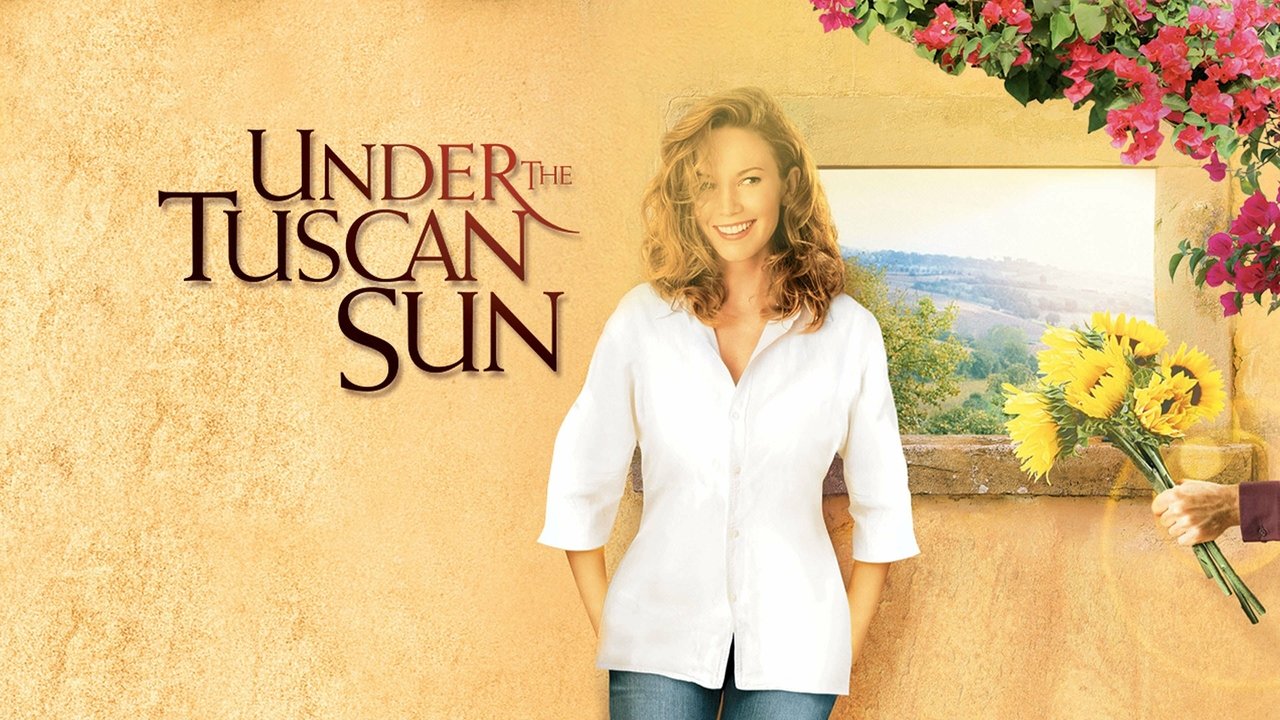
While the 2000s were saturated with cookie-cutter rom-coms, Under the Tuscan Sun feels like a bit of an oddity because of its European sensibilities. Audrey Wells clearly had a crush on Federico Fellini (the director of 8½ and La Dolce Vita), and she filtered that through a bright, Hollywood lens. We see this most clearly in the character of Katherine, played with eccentric, wide-brimmed-hat energy by Lindsay Duncan. She’s an aging starlet who wanders through the town square mimicking scenes from La Dolce Vita, acting as a sort of ghost of Christmas Future for Frances.
The comedy here isn't the slapstick variety you’d find in a Kate Hudson vehicle of the same year. Instead, it’s found in the observational quirks of the Italian locals: the old man who places flowers on a roadside shrine every day, or the stoic real estate agent Martini (Vincent Riotta), who delivers some of the film’s most grounded, poetic lines about trains and tracks. It’s a "vibe" movie before that term was ruined by the internet. The humor is dry, warm, and occasionally absurd, like when Frances is terrified by a rogue owl in her bedroom during a lightning storm.
The Mystery of the Disappearing Mid-Budget Drama
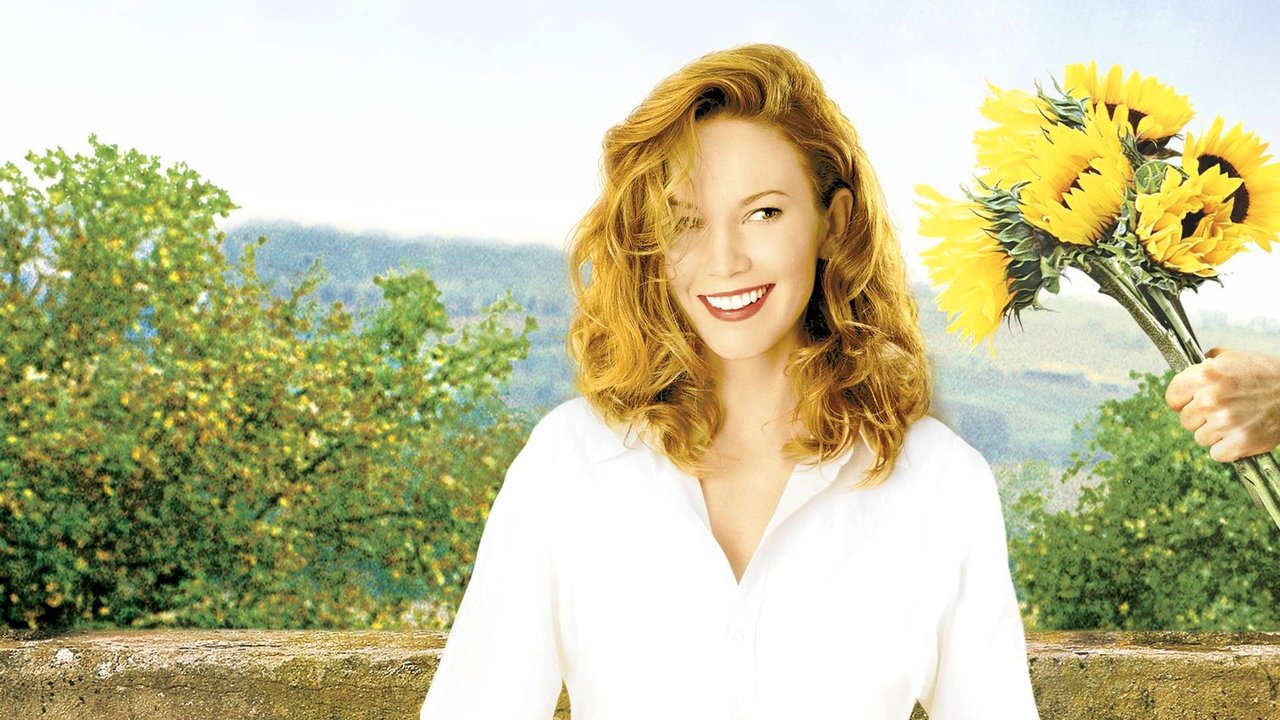
It’s strange to think that a movie that made nearly $60 million on an $18 million budget has somewhat vanished from the cultural conversation. In the early 2000s, these mid-budget, adult-oriented "discovery" films were the backbone of DVD culture. You’d find them on the "Recommended for You" shelf at Blockbuster, wedged between Chocolat and Sideways. Today, this kind of story would likely be a six-episode limited series on a streaming platform, padded with unnecessary subplots and a darker, more cynical edge.
Looking back, the film’s "obscurity" probably stems from how it was marketed as a standard "girl finds guy in Italy" story. In reality, the "happily ever after" isn't a wedding; it's a dinner party with a group of found family. It’s about the fact that Frances wanted a wedding at Bramasole and she got one—it just wasn't her wedding. It’s a sophisticated take on the "be careful what you wish for" trope that felt remarkably mature for a 2003 comedy. It’s a film that understands that sometimes the universe gives you exactly what you asked for, just in the most inconvenient way possible.
Ultimately, Under the Tuscan Sun is a lush, sensory experience that holds up surprisingly well because it isn't reliant on tech or pop culture references. It’s a film about stone, sweat, and the specific golden light of the Mediterranean (shout out to cinematographer Geoffrey Simpson for making every frame look like it smells like lavender and lemons). If you can get past the slightly dated "foreigners are magical" tropes that plagued early 2000s cinema, you’ll find a movie with a lot of heart and a genuine respect for the process of rebuilding a broken life. It's the cinematic equivalent of a warm blanket and a glass of Limoncello.
Keep Exploring...
-
EverAfter
1998
-
Out of Sight
1998
-
Blast from the Past
1999
-
Never Been Kissed
1999
-
Kate & Leopold
2001
-
S1m0ne
2002
-
First Daughter
2004
-
Casanova
2005
-
The Sisterhood of the Traveling Pants
2005
-

The Wedding Date
2005
-
Aquamarine
2006
-
Penelope
2007
-
Nick and Norah's Infinite Playlist
2008
-

Practical Magic
1998
-
The Mexican
2001
-
The Spanish Apartment
2002
-
Shall We Dance?
2004
-
A Goofy Movie
1995
-

Mallrats
1995
-
Grosse Pointe Blank
1997