Uptown Girls
"One's a mess. The other's a miracle. Both are lost."

There is a specific brand of New York City magic that only existed between the years 1998 and 2004. It’s a world of impossibly large Upper West Side apartments, $100 cupcakes, and a version of "indie" culture that felt like it was curated by a marketing executive with a penchant for glitter. Released in 2003, Uptown Girls arrived right at the tail end of this era, a neon-soaked, post-9/11 attempt to recapture the city’s whimsical soul. I watched this most recently on a DVD I borrowed from a local library that still smelled like wet wool and floor wax, and honestly, the tactile experience of popping that silver disc into the tray felt exactly like the movie itself: a little outdated, slightly scratched, but oddly comforting.

The Chaos and the Control Freak
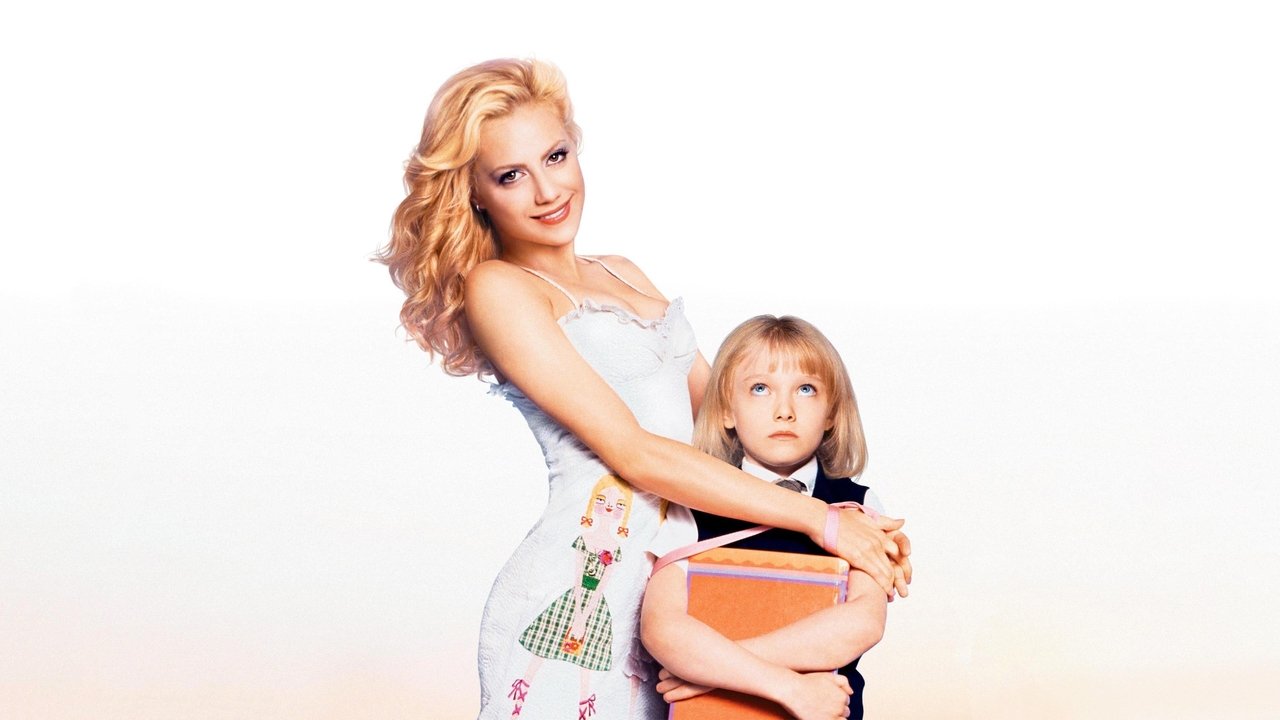
At its heart, the film is a two-woman show, and the chemistry is surprisingly potent. Brittany Murphy plays Molly Gunn, the daughter of a deceased rock legend who has spent her entire life coasting on royalties and charisma. She is a whirlwind of feather boas and impulsivity—Murphy’s wardrobe looks like a Claire’s Accessories store exploded in a vintage boutique. When her business manager disappears with her entire fortune, Molly is forced to take a job as a nanny for Ray Schleine, played by a terrifyingly focused Dakota Fanning.
In 2003, Dakota Fanning was the undisputed queen of the "precocious child" trope, but here, she leans into it so hard it almost becomes a psychological thriller. Ray is a germaphobic, hyper-organized eight-year-old who speaks like a Victorian governess. I’m convinced this film is essentially a 92-minute argument for why children shouldn’t be allowed to own Day-Timers. The dynamic is a classic "Odd Couple" setup: the woman-child who needs to grow up meets the child-adult who needs to learn how to play. While the script hits every predictable beat you’d expect from a mid-budget studio drama, the performances elevate it. Brittany Murphy had a luminous, frantic energy that felt entirely unique to her; she was a live wire in a genre usually populated by more "composed" leading ladies.
Directorial Whiplash and New York Dreams
One of the strangest things about Uptown Girls in retrospect is the man behind the camera. Boaz Yakin directed this. If that name sounds familiar, it’s because he also directed the gritty indie masterpiece Fresh (1994) and the powerhouse sports drama Remember the Titans (2000). To go from Denzel Washington and racial integration to Brittany Murphy crying over a broken lamp is a case of career whiplash that I still find fascinating. You can see Yakin trying to inject some actual visual language into what could have been a flat sitcom. The use of the Coney Island carousel as a recurring motif for childhood and loss actually works, giving the film a melancholic undercurrent that saves it from becoming total fluff.
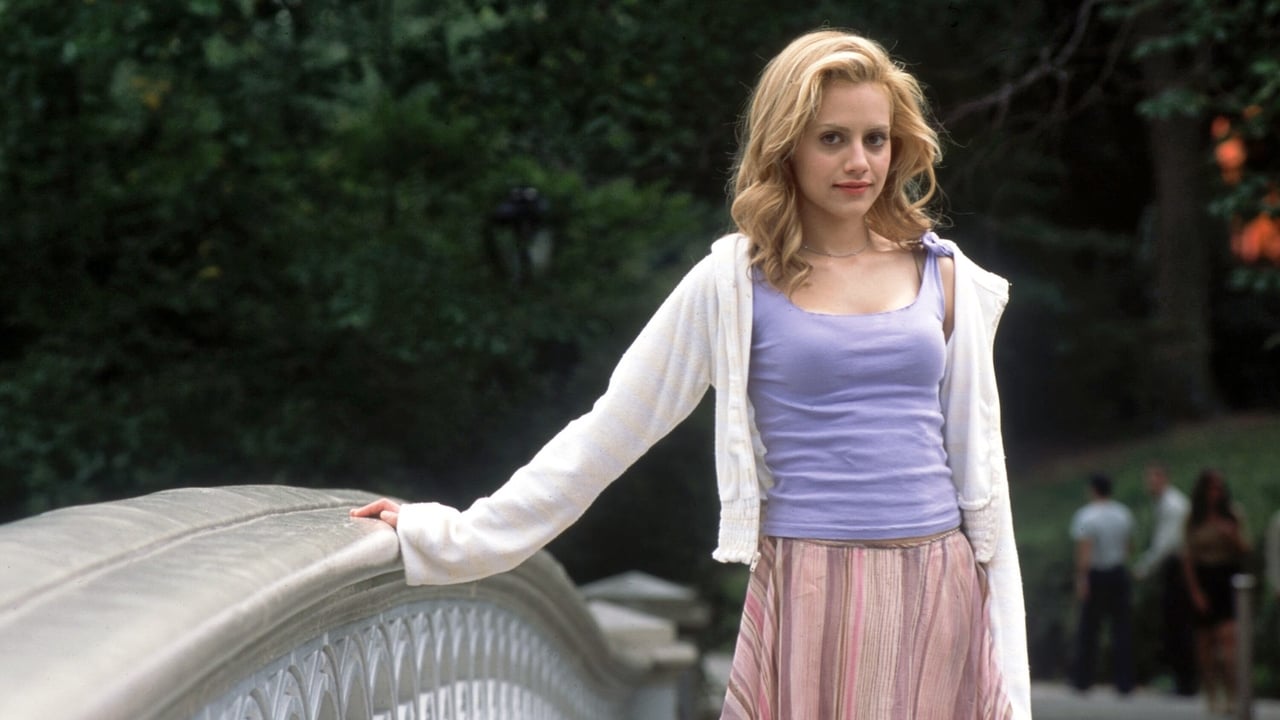
The supporting cast is a time capsule of "Who’s That?" actors. You’ve got Donald Faison (right in the middle of his Scrubs peak) as Molly’s friend Huey, and Jesse Spencer (before he became a staple on House) as the struggling musician love interest, Neal. Marley Shelton pops up as the "sensible" friend Ingrid, but the movie doesn't really know what to do with her. The soundtrack is also peak 2003—heavy on the Chantal Kreviazuk and upbeat acoustic guitars that tell you exactly how to feel in every scene. It’s the kind of music that makes you want to buy a very expensive, very useless scarf.
Why This Lost Gem Still Sparkles
Why did this movie sort of vanish from the cultural conversation? It was released in a crowded year for comedies and struggled to find its identity. Was it a kid’s movie? A chick flick? A serious drama about grief? It sits awkwardly between all three. Critics at the time were fairly harsh, but looking back, there’s a sincerity here that is missing from modern "influencer-era" New York films. This was the era of the DVD "Special Edition," and I recall the behind-the-scenes features showing a real, tactile Manhattan that hadn't yet been completely scrubbed clean by digital color grading.
The film deals with some heavy-handed themes—Molly’s grief over her parents and Ray’s cold relationship with her music-exec mother—but it handles them with a lightness that feels earned. Dakota Fanning’s transition from a rigid robot to a kid who can finally cry for her mom is a masterclass in child acting, even if the "Sheets of Egyptian Cotton" song subplot is pure, unadulterated early-2000s cringe.

Ultimately, the movie works because of Brittany Murphy. She possessed a vulnerability that made you root for her even when she was being incredibly annoying. In the transition from analog to digital filmmaking, we lost some of that "messy" star power. Uptown Girls isn't a masterpiece, and it’s certainly a product of its time—complete with those tiny Motorola flip phones—but it’s a sweet, colorful reminder of a time when New York felt like a playground instead of a corporate headquarters.
If you can get past the sugary aesthetic and the occasionally formulaic plot, there is a very real, very human heart beating inside this movie. It’s a testament to the power of a good lead performance; Brittany Murphy takes a character that could have been a caricature and makes her someone you’d actually want to hang out with at a Coney Island dive bar. It’s the perfect "rainy Sunday afternoon" watch, especially if you’re feeling a bit nostalgic for the days when the biggest tragedy was losing your designer handbag.

Keep Exploring...
-
Remember the Titans
2000
-

Pleasantville
1998
-

EverAfter
1998
-

Jack Frost
1998
-
Blast from the Past
1999
-
Never Been Kissed
1999
-

28 Days
2000
-

Confessions of a Dangerous Mind
2002
-

S1m0ne
2002
-

Holes
2003
-

What a Girl Wants
2003
-
First Daughter
2004
-
Jersey Girl
2004
-

A Lot Like Love
2005
-

Broken Flowers
2005
-

Casanova
2005
-

Ice Princess
2005
-
The Family Stone
2005
-
The Sisterhood of the Traveling Pants
2005
-

The Weather Man
2005