What a Girl Wants
"London is calling, and she's bringing the funk."

There is a specific, sun-drenched frequency that early 2000s teen movies vibrate on, and What a Girl Wants is basically the tuning fork for that era. I recently revisited this one on a rainy Tuesday while nursing a mild case of food poisoning from a questionable lukewarm burrito, and honestly, the sheer, unadulterated earnestness of it was the only thing that made me feel human again. It’s a film that exists in a pre-social-media vacuum where "finding yourself" meant flying across the Atlantic with nothing but a denim jacket and a dream, rather than just scrolling through your estranged father’s Instagram likes.
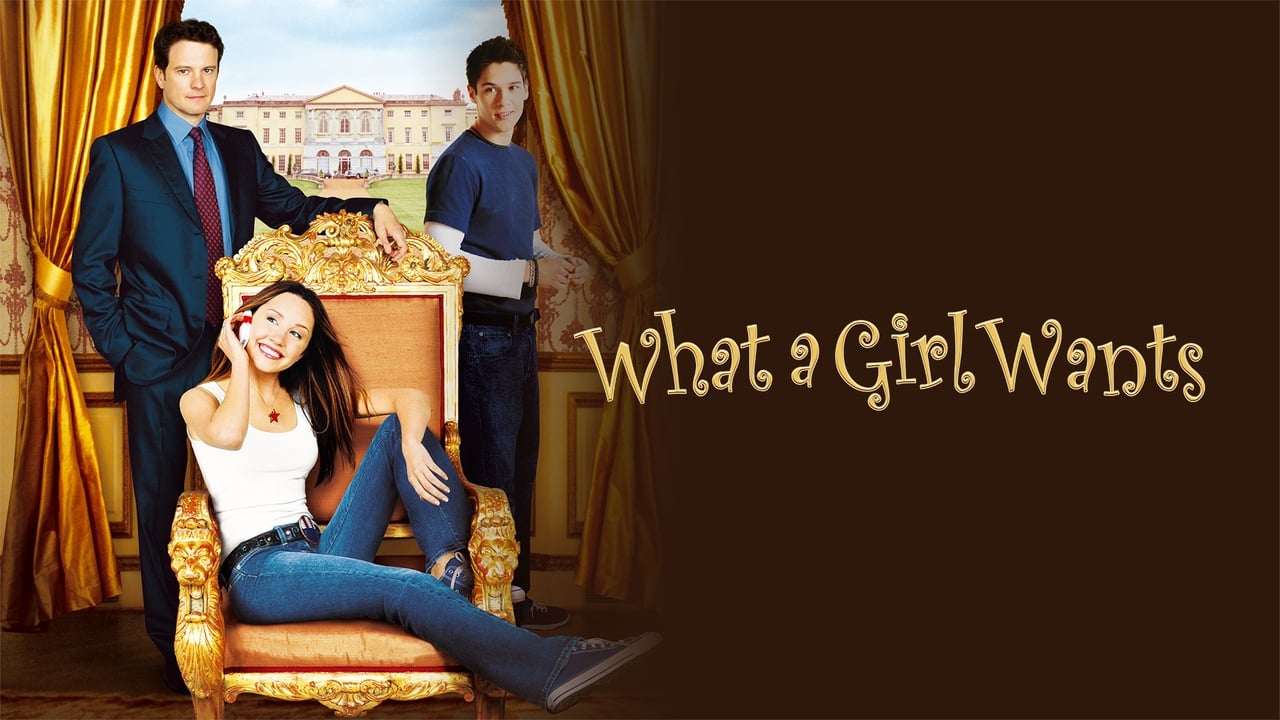
By 2003, the "teen queen" industry was a well-oiled machine, but Amanda Bynes was its most eccentric gear. Unlike the polished pop-perfection of the Duff/Lohan circuit, Bynes brought a chaotic, rubber-faced energy to the screen that felt like a direct descendant of Lucille Ball. In What a Girl Wants, she plays Daphne Reynolds, a bohemian New Yorker who hops a plane to London to find her father, Henry Dashwood, played by Colin Firth. The catch? He’s a high-society politician running for office, and her presence is the proverbial bull in a very expensive, very British china shop.
The Bynes-Firth Alchemy
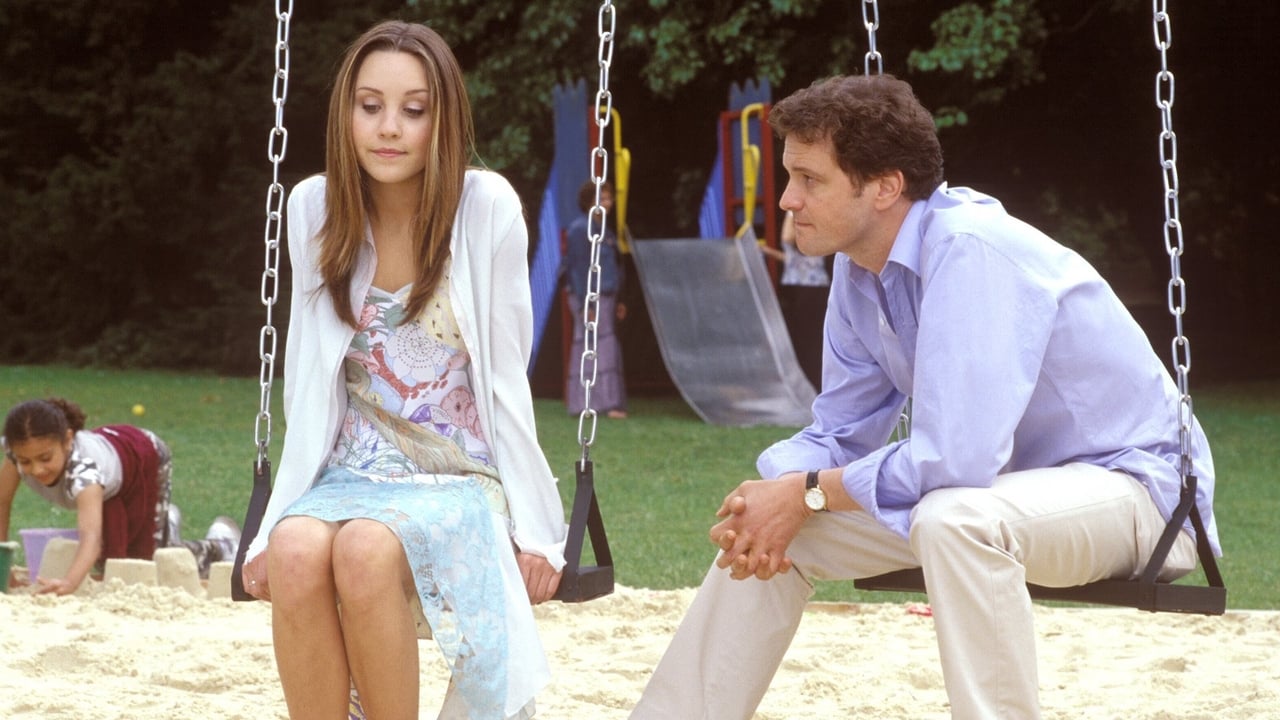
The movie lives or dies on the chemistry between the "stuffy Brit" and the "loud American," a trope as old as the hills but rarely executed with this much charm. Colin Firth was deep in his post-Bridget Jones "Mr. Darcy" era here, and watching him navigate Daphne’s whirlwind energy is a delight. He plays Henry with a soulful, repressed twitchiness that makes his eventual "unbending" feel earned.
Amanda Bynes is the engine, though. Looking back, she had better comedic timing in her teens than most Oscar winners have in their entire careers. Whether she’s falling off a ceremonial podium or accidentally dismantling a massive chandelier, she commits to the bit with a physical bravery that you just don't see in many teen starlets today. She wasn't afraid to look ridiculous, and that’s why she was so relatable to those of us who felt like we were constantly tripping over our own feet in high school.
The supporting cast is equally stacked with British heavyweights. Eileen Atkins is wonderfully dry as the matriarch Jocelyn, and Jonathan Pryce—years before he was the High Sparrow in Game of Thrones—is deliciously slimy as the scheming Alistair Payne. Then there’s Anna Chancellor, essentially reprising her "Duckface" role from Four Weddings and a Funeral, playing the territorial social climber Glynnis. They provide the perfect, rigid backdrop for Daphne to bounce off of.
A Time Capsule of Y2K Optimism
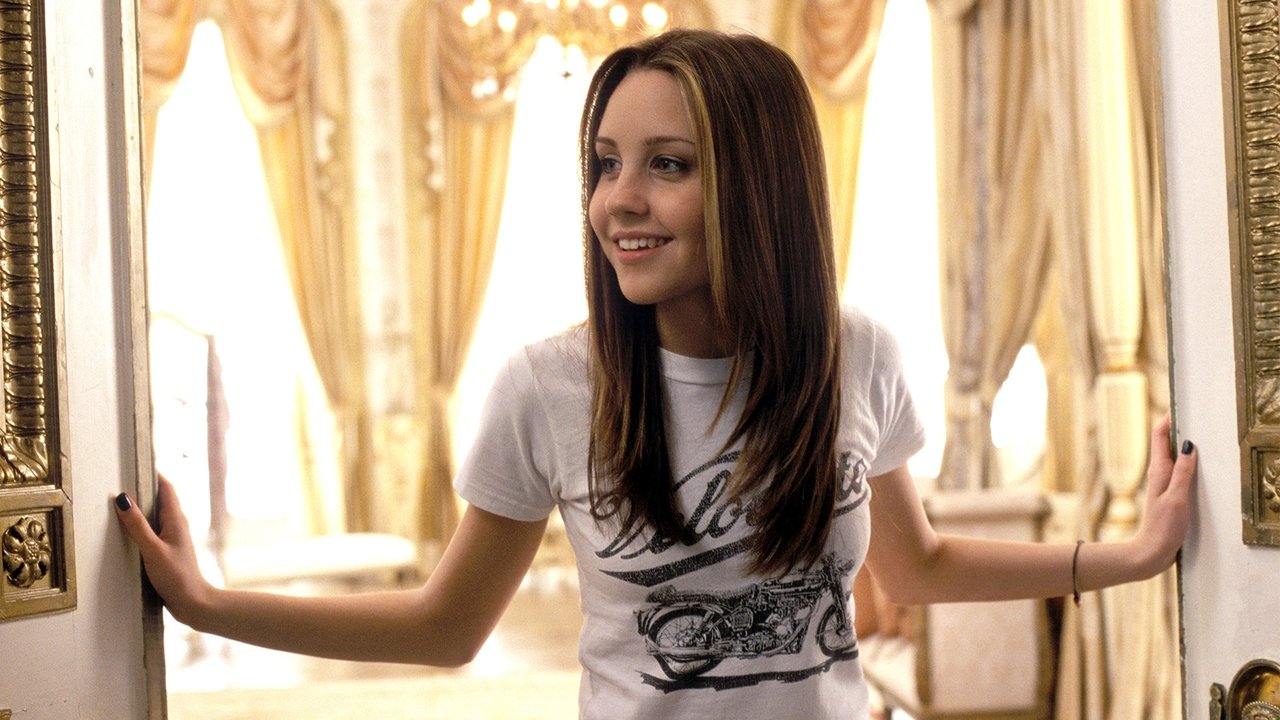
Technically, the film is a product of its time in the most endearing ways. The cinematography by Andrew Dunn (who also shot Ever After) gives London a soft, fairytale glow that feels like a postcard. This was the peak of the DVD era, and you can almost feel the "special features" through the screen—the deleted scenes, the "how to be a lady" featurettes, the behind-the-scenes look at the London locations. It’s a movie designed for repeat viewings on a bedroom TV with a built-in VCR/DVD player.
What strikes me now, reassessing this two decades later, is how the "drama" is handled. While it’s billed as a comedy, the core of the film is actually quite bittersweet. It’s about the grief of a lost relationship and the anxiety of trying to fit into a world that wasn't built for you. The scenes where Daphne tries to suppress her personality to help her father’s political career are genuinely painful to watch in a way that modern "girl power" movies often gloss over. It acknowledges that "standing out" is actually quite exhausting when everyone is staring at you with a judging eye.
The film is loosely based on the 1958 play The Reluctant Debutante, and you can feel that old-fashioned DNA under the surface. It’s a classic "coming out" story updated for the era of low-rise jeans and pop-rock soundtracks. Speaking of which, the soundtrack is a 2003 fever dream, featuring the likes of Leslie Carter and The Donnas. It’s the kind of music that makes you want to go to Claire’s and buy a "Daphne" necklace—which, for the record, I once tried to recreate with alphabet beads from Michael's and it turned my neck green within three hours.

The Legacy of the "In-Between" Film
What a Girl Wants isn't a "masterpiece" in the academic sense, but it’s a masterclass in the mid-budget studio programmer. This was before the industry became obsessed with multiverses and billion-dollar stakes. It’s a movie about a girl who wants her dad to love her for who she is. That’s it. And sometimes, that’s more than enough.
It’s also a poignant reminder of Bynes’ talent before her well-documented struggles. In this film, she’s a literal ray of light, radiating a "can-do" spirit that feels entirely genuine. When she finally gets Henry to put on those infamous leather pants and dance to James Brown, it’s not just a gag—it’s a victory for everyone who’s ever felt stifled by tradition.
Ultimately, this is the cinematic equivalent of a warm cup of Earl Grey with way too much sugar. It’s sweet, a little bit cloying, but incredibly comforting when you're under the weather. If you’re looking for a breezy, well-acted trip back to a time when London felt like a playground and Amanda Bynes was the funniest person on the planet, this is a trip worth taking. Just don't expect the leather pants to actually look good on anyone but Colin Firth.
Keep Exploring...
-
First Daughter
2004
-
Just My Luck
2006
-
The Sisterhood of the Traveling Pants
2005
-
Jack Frost
1998
-
Raise Your Voice
2004
-
The Princess Diaries 2: Royal Engagement
2004
-
High School Musical 2
2007
-

High School Musical 3: Senior Year
2008
-
A Cinderella Story: Once Upon a Song
2011
-

High School Musical
2006
-
Blast from the Past
1999
-
Never Been Kissed
1999
-
Confessions of a Dangerous Mind
2002
-

S1m0ne
2002
-
Holes
2003
-
Jersey Girl
2004
-

A Lot Like Love
2005
-
Are We There Yet?
2005
-
Broken Flowers
2005
-
Casanova
2005