X2
"Unite those who are different—or watch them burn."
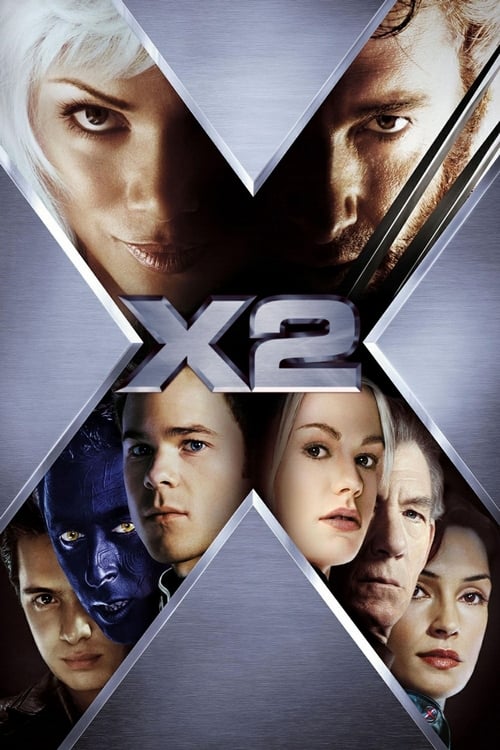
Forget the overstuffed, multiversal homework assignments we’re forced to watch today. In the spring of 2003, superhero cinema wasn't a sprawling corporate mandate; it was a genre finally finding its teeth. I remember sitting in a theater in suburban Ohio, clutching a tray of nachos that I eventually dropped during the third-act dam collapse because the bass was so thunderously loud, and realizing that X2 was the moment these movies grew up. If the first X-Men (2000) was a tentative proof of concept, then Bryan Singer’s sequel was a full-throated roar. It took the groundwork laid by Hugh Jackman, Patrick Stewart, and Ian McKellen and infused it with a political weight and a sense of physical danger that still feels remarkably grounded twenty years later.
The Blue Devil in the Details
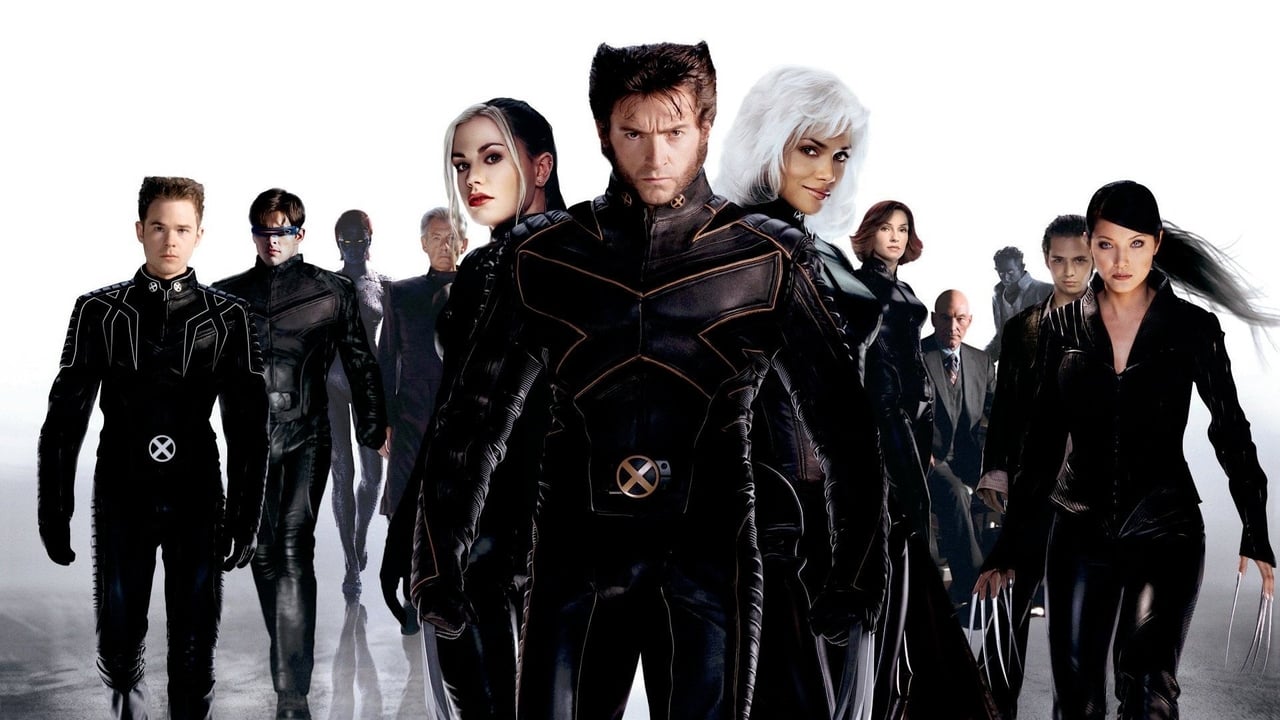
The movie opens with what I still consider the gold standard for superhero introductions: the Nightcrawler attack on the White House. It’s a sequence that perfectly captures the transition of the early 2000s—moving away from the wire-work of the Matrix era and toward a more fluid, digital-enhanced style of action. Alan Cumming (who played Nightcrawler in X2 and also appeared in Spy Kids) is a marvel here, his "BAMF" teleportation clouds looking better in 2003 than some $200 million effects shots look today.
What’s striking looking back is how the film uses its $110 million budget. It doesn't waste it on generic sky-beams. Instead, it builds tangible, cavernous sets like Stryker’s underground base. There is a weight to the world; when Wolverine gets shot in the head (and survives, obviously), you feel the metallic ping of the bullet against his skull. The sound design by John Ottman, who also pulled double duty as the film's editor and composer, gives every punch and power-use a specific, mechanical crunch. It’s an era of filmmaking where CGI was used to enhance the impossible rather than replace the reality, and X2 sits right in that sweet spot.
A Villain with a Plan, Not a Quip
While Ian McKellen’s Magneto remains the most charismatic "frenemy" in cinema history, the real MVP here is Brian Cox as William Stryker. Fresh off playing the first onscreen Hannibal Lecktor in Manhunter, Cox brings a chilling, bureaucratic evil to the role. He isn't a mutant with flashy powers; he’s just a man with a clipboard, a grudge, and a very large military budget. The fact that the movie’s scariest threat is a human bigot with a syringe is a bold choice that keeps the stakes feeling personal rather than planetary.

The plot—centering on Stryker’s attempt to use a hijacked Cerebro to telepathically "prune" the mutant population—reflected the very real anxieties of 2003. We were living in a post-9/11 world where government overreach and the fear of "the other" were daily headlines. When Bobby Drake (Shawn Ashmore) "comes out" as a mutant to his parents, the scene plays with a heartbreaking domesticity that resonates far more than any CGI explosion. It reminded me that these films used to be about something other than setting up a sequel three years down the line.
The Berserker and the Burden
Of course, we have to talk about Hugh Jackman. This is the film where he fully inhabited Logan. The mansion invasion sequence—where he finally stops being a reluctant mentor and starts being a slasher-movie protagonist defending his home—is an all-timer. It’s fast, brutal, and surprisingly mean for a PG-13 film. The stunt team, led by Gary Jensen, really leaned into Wolverine’s animalistic nature, choreographing fights that felt like a cornered dog snapping at intruders.
However, looking back with a modern lens, you do notice the era's quirks. Poor James Marsden as Cyclops is treated like a glorified coat rack for half the movie, and the romance between Jean Grey (Famke Janssen) and Logan feels a bit rushed compared to the slow-burn character work elsewhere. But these are minor gripes when the momentum is this good. The film smashed box office records at the time, pulling in over $400 million worldwide and proving that the "trilogy mentality" was the new gold standard for Hollywood. It was the biggest opening of 2003, and for good reason—it was the first time a superhero sequel actually surpassed the original in every measurable way.
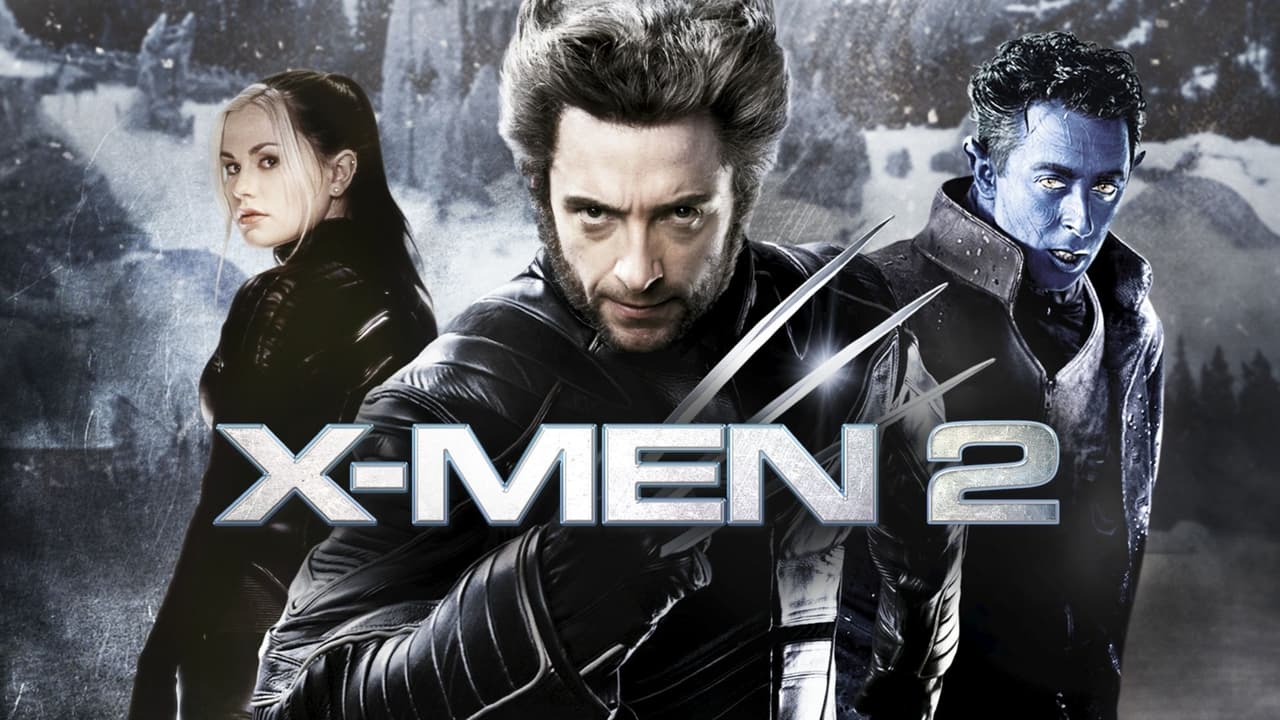
X2 remains a high-water mark for the genre because it respects its audience’s intelligence as much as its desire for spectacle. It balances a massive ensemble cast without losing the emotional thread of any single character, a feat that even the most seasoned MCU directors struggle with today. It captures a moment in time when "blockbuster" didn't mean "disposable." If you haven't revisited this one since your DVD player was your most prized possession, do yourself a favor and fire it up. Just watch out for the bass—it’s still a nacho-killer.
Watching the final shot of the Phoenix shadow beneath the water of Alkali Lake still gives me chills, even knowing the subsequent films didn't quite stick the landing. It represents a time of pure potential for comic book movies. X2 didn't just want to entertain you for two hours; it wanted to leave you thinking about the world outside the theater. It succeeded then, and surprisingly, it still succeeds now.
Keep Exploring...
-

X-Men
2000
-
X-Men: Days of Future Past
2014
-

X-Men: The Last Stand
2006
-
X-Men: Apocalypse
2016
-

X-Men: First Class
2011
-
The Wolverine
2013
-
Superman Returns
2006
-
Armageddon
1998
-

The Matrix Reloaded
2003
-
Spider-Man 2
2004
-

Star Wars: Episode III - Revenge of the Sith
2005
-
Transformers
2007
-
Iron Man
2008
-
Total Recall
1990
-
Stargate
1994
-
Independence Day
1996
-
Men in Black
1997
-

The Lost World: Jurassic Park
1997
-
Avatar
2009
-

The Amazing Spider-Man
2012