2046
"A slow train to a place where nothing changes."
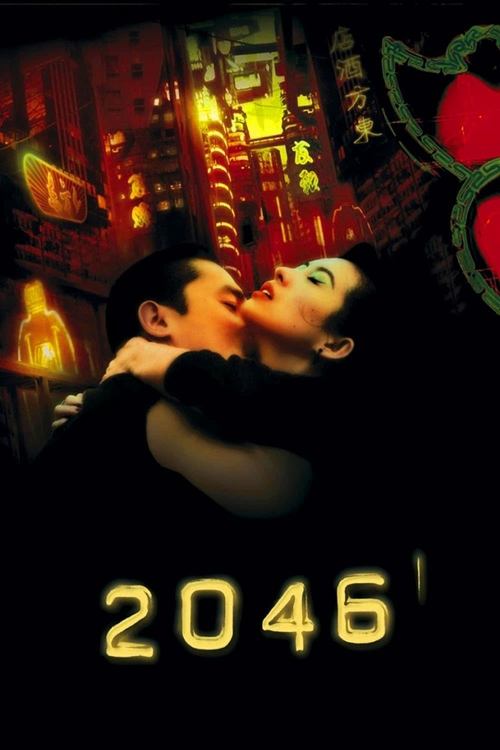
Stepping into the world of 2046 feels less like watching a movie and more like waking up at 3:00 AM in a room thick with expensive perfume and stale cigarette smoke. You’re disoriented, your heart aches for someone whose name you’ve forgotten, and everything is bathed in a hypnotic, sickly-sweet green light. This isn't just a sequel to In the Mood for Love; it’s the beautiful, bloated, and slightly delirious hangover that follows a great romance.

I first sat down with this film on a laptop with a dying battery while my neighbor was loudly practicing the tuba. Usually, that’s a recipe for a headache, but somehow those discordant, lonely brass notes paired perfectly with the film's visual rhythm. It’s a movie that invites—maybe even demands—a bit of external chaos to ground its ethereal wandering.
A Fever Dream in Room 2046
By 2004, director Wong Kar-Wai had reached a level of "auteur-god" status where he could basically do whatever he wanted, and what he wanted was to spend five years tinkering with this project. It became a bit of a legend in the early DVD-era film forums—the movie that would never be finished. When it finally arrived, it wasn't the neat, tidy follow-up people expected. Instead, we got a sprawling, multi-layered story about Chow Mo-wan (a devastatingly cool Tony Leung Chiu-wai) who has transformed from the gentle journalist we knew into a cynical, mustache-twirling playboy.
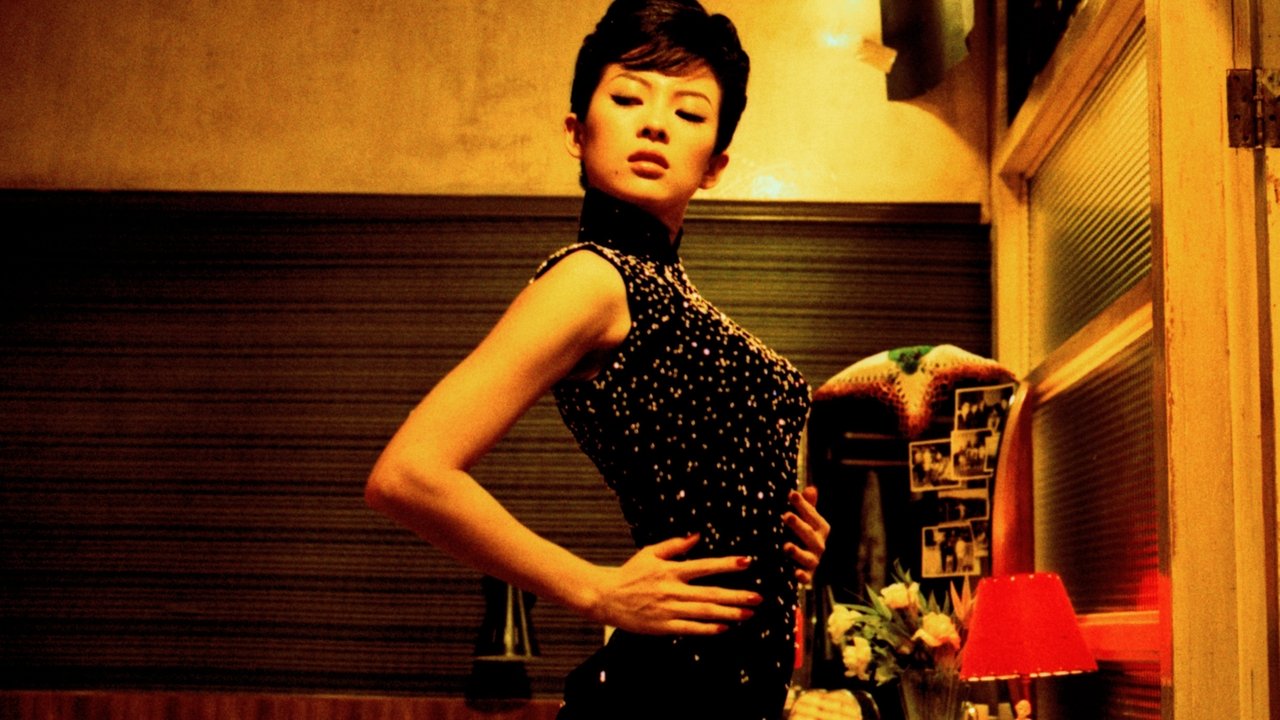
Chow is living in a cheap hotel, writing a sci-fi novel about a mysterious train that takes people to a place called "2046" to recover lost memories. The catch? No one has ever returned. The film bounces between Chow’s "real" life in 1960s Hong Kong—filled with a revolving door of women like the enigmatic Black Spider (Gong Li) and the landlord’s daughter (Faye Wong)—and the digital, neon-drenched future of his book. Wong Kar-Wai is basically the world's most talented procrastinator, and you can see that in every frame. He treats the plot like a suggestion, focusing instead on the way a woman leans against a doorframe or the slow-motion drift of smoke.
The Beauty of the "Digital Mess"
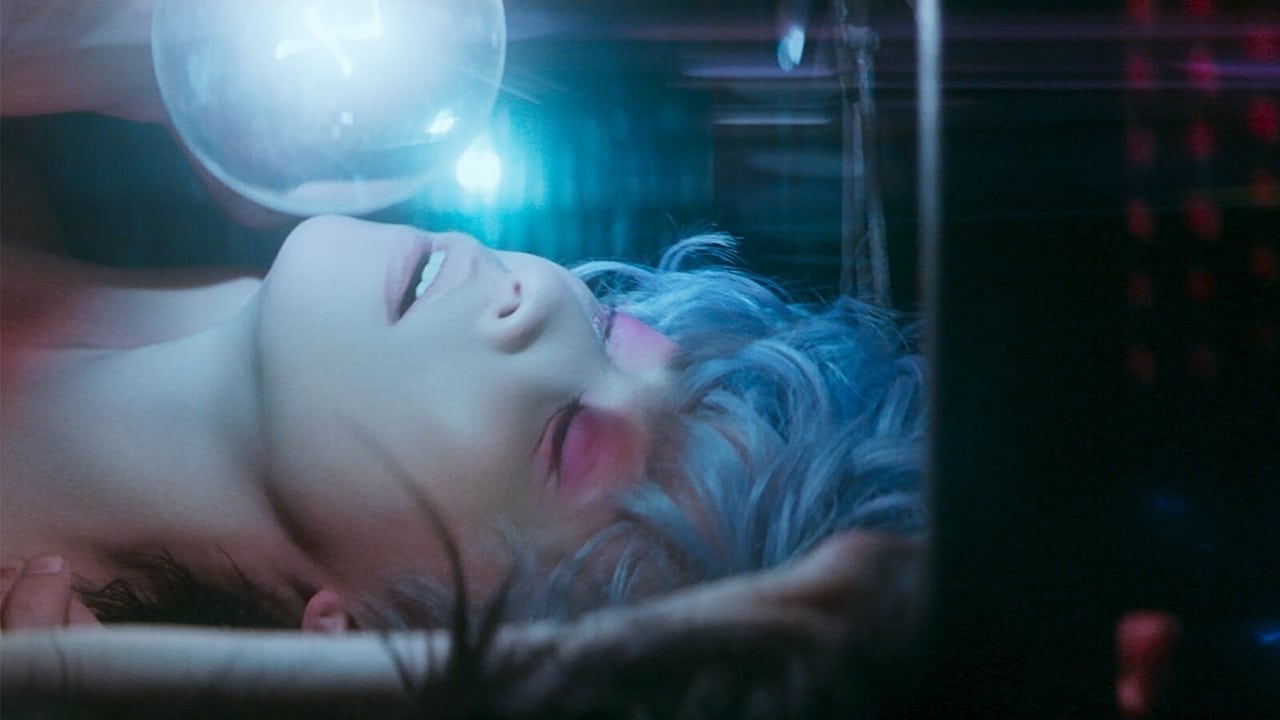
Looking back from 2024, the "Modern Cinema" era of the early 2000s was a fascinating, awkward puberty for film technology. 2046 captures this perfectly. It’s a bridge between the lush, analog textures of Christopher Doyle’s cinematography and the early, somewhat clunky CGI used for the futuristic train sequences. At the time, those digital effects were meant to look cutting-edge; today, they have a charming, PlayStation 2-era dreaminess to them. They don't look "real," but in a movie about the architecture of memory, that artificiality actually works in its favor.
The acting is, unsurprisingly, top-tier. Tony Leung can do more with a twitch of his eyebrow than most actors can do with a five-minute monologue. He plays Chow as a man who is actively trying to be a jerk to hide the fact that he’s hollowed out. His chemistry with Faye Wong is particularly lovely; she brings a lightness and a strange, robotic quirkiness to her dual roles that keeps the movie from sinking under the weight of its own melancholy. And while Maggie Cheung only appears in fleeting, ghost-like glimpses (remnants of her role in In the Mood for Love), her presence haunts every corner of the screen.
Behind the Scenes of a Beautiful Disaster
The production of 2046 was famously chaotic. It started filming in 1999 and was still being edited hours before its premiere at Cannes in 2004. Apparently, the final prints arrived at the festival so late that the festival staff had to literally run the reels to the projection booth. You can feel that frantic, obsessive energy in the editing. It’s a movie that feels like it was puzzled together by a madman in a dark room, yet somehow it maintains a cohesive emotional core.
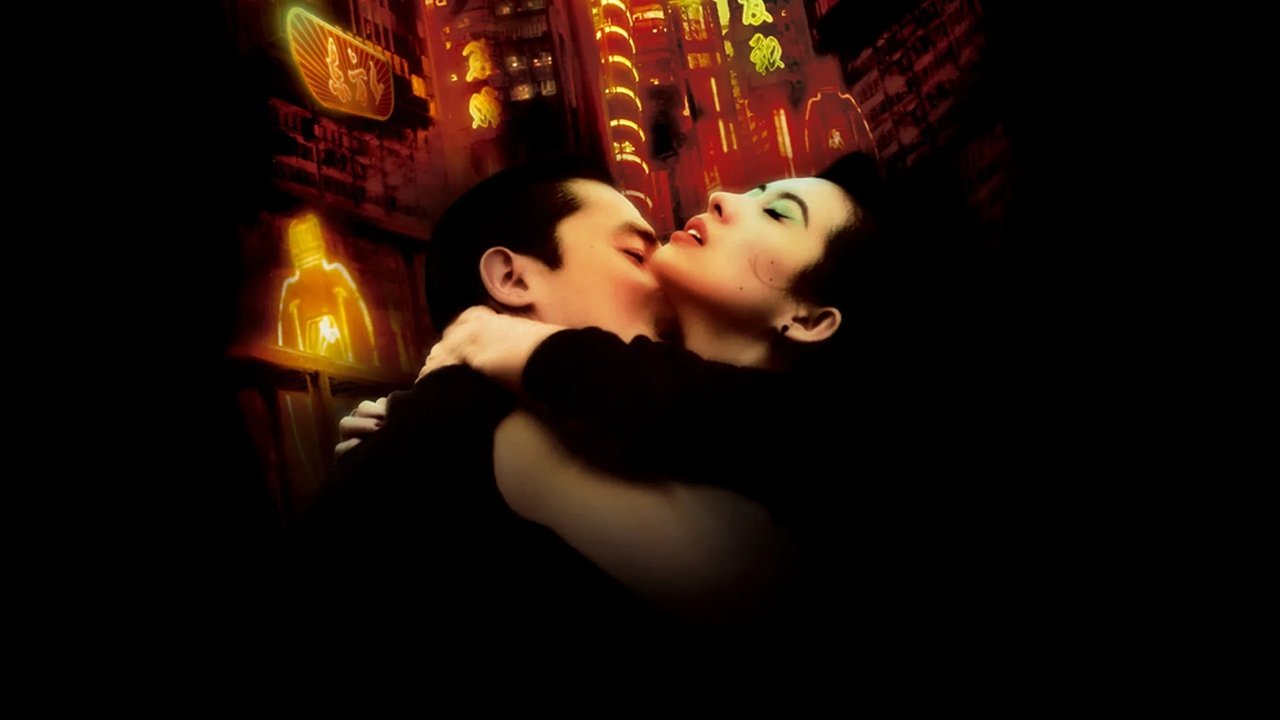
The score by Shigeru Umebayashi is another standout. It’s the kind of music that makes you want to stare out a rain-streaked window and think about your ex-girlfriend from three years ago. It’s repetitive, lush, and deeply romantic, anchoring the film when the narrative starts to drift too far into the sci-fi ether.
2046 isn't for everyone. If you need a clear beginning, middle, and end, this is going to frustrate you to no end. But if you’re willing to let the film wash over you—to treat it as a collection of moods, colors, and heartbreaks—it’s an experience you won't forget. It’s a reminder of a time when world cinema was taking massive, stylish risks, before every mid-budget drama was swallowed up by the franchise machine. It’s a gorgeous mess, but it’s a mess I’d happily get lost in again.

Keep Exploring...
-
In the Mood for Love
2000
-
The Grandmaster
2013
-
Chungking Express
1994
-
Fallen Angels
1995
-
Mary Shelley's Frankenstein
1994
-
Eternal Sunshine of the Spotless Mind
2004
-
The Fountain
2006
-
Mr. Nobody
2009
-
Perfect Sense
2011
-

Crouching Tiger, Hidden Dragon
2000
-
S1m0ne
2002
-
Blast from the Past
1999
-

Never Been Kissed
1999
-
The Thomas Crown Affair
1999
-
The Piano Teacher
2001
-
Y Tu Mamá También
2001
-
Confessions of a Dangerous Mind
2002
-
Talk to Her
2002
-
The Spanish Apartment
2002
-
Girl with a Pearl Earring
2003