3-Iron
"Silence speaks louder than a swinging club."

The early 2000s were a loud time for South Korean cinema. We were all reeling from the high-octane revenge of Oldboy or the muddy, rain-soaked tension of Memories of Murder. Amidst that cacophony of breaking bones and shouting detectives, Kim Ki-duk—the enfant terrible of the peninsula—decided to stop talking. 3-Iron (or Bin-jip, meaning "Empty House") arrived in 2004 like a ghost in the machine, a film so quiet you could hear the dust motes dancing in the light of the projector.

I first watched this on a borrowed, slightly pixelated DVD while my neighbor was outside power-washing his driveway with the intensity of a man trying to erase his past. The roar of the water outside made the absolute silence of the film’s protagonists feel even more like a superpower. It’s a movie that asks for your undivided attention and then repays you by teaching you how to see the invisible.
The Art of the Uninvited Guest
The premise is pure urban folklore. A young drifter named Tae-suk (Jae Hee) cruises around on a motorcycle, taping takeout flyers over the keyholes of apartment doors. If the flyer is still there a day later, the owners are away. He doesn't break in to steal; he breaks in to live. He sleeps in their beds, cooks their food, and in a bizarrely touching ritual, he pays his "rent" by doing their laundry and fixing their broken appliances. It’s a strange, lonely existence until he enters a mansion he thinks is empty, only to find Sun-hwa (Lee Seung-yun) watching him from the shadows, her face bruised by a husband who treats her like a piece of decorative furniture.
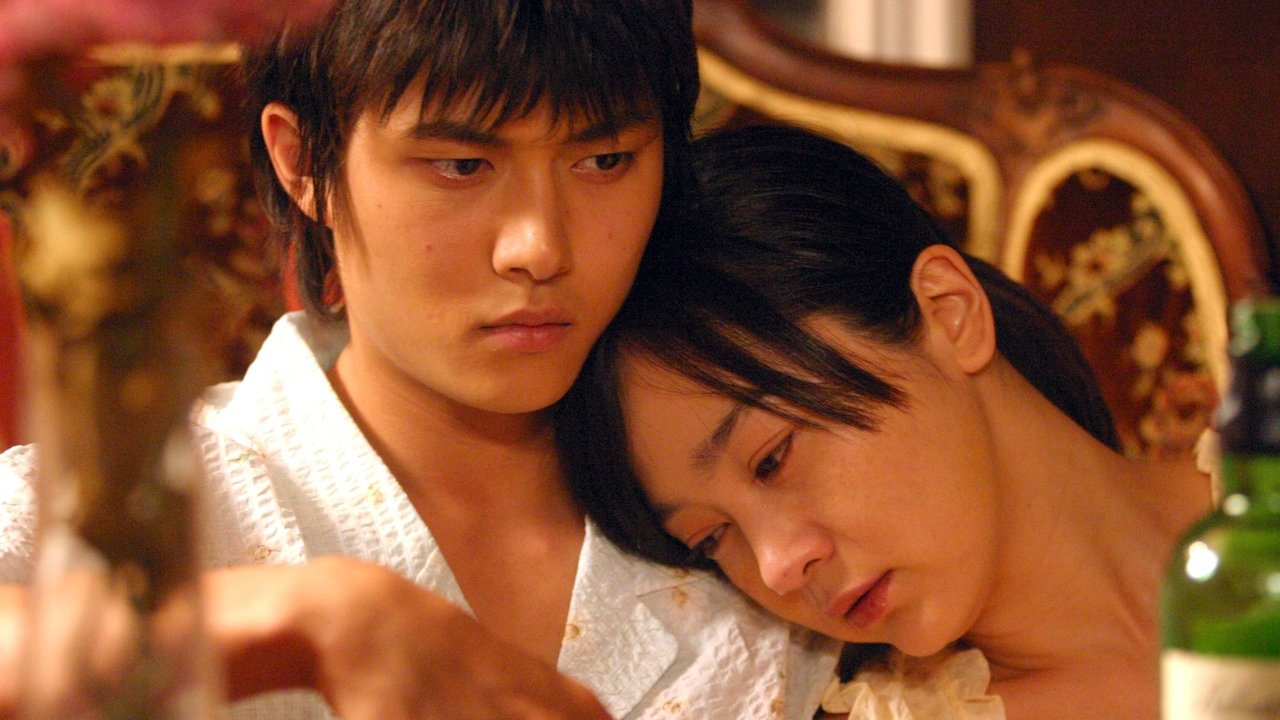
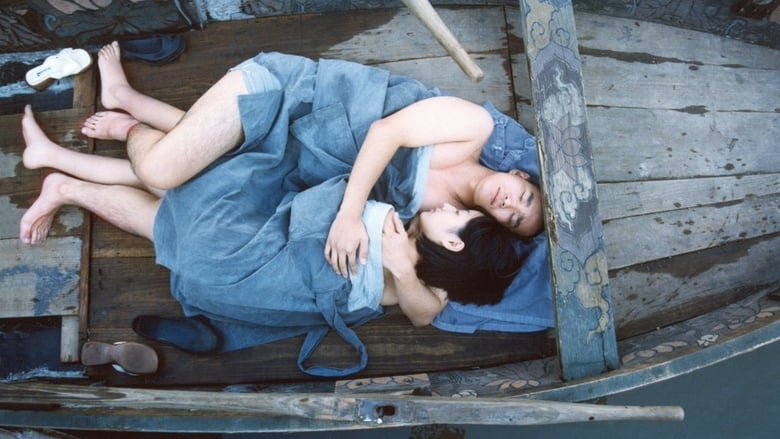
What follows is one of the most unconventional romances ever put to film. Tae-suk and Sun-hwa eventually leave together, drifting from house to house, but the leads never utter a single word of dialogue to each other. Not one. In an era where indie films were often defined by their "walk and talk" sequences (think the Before Sunrise series), Kim Ki-duk bet the entire house on the idea that chemistry is found in the way two people fold a bedsheet together, not in what they say over coffee. Jae Hee manages to be incredibly expressive without ever opening his mouth, conveying a mix of curiosity and stoic protection that makes him feel less like a criminal and more like a wandering spirit.
A Swing and a Hit
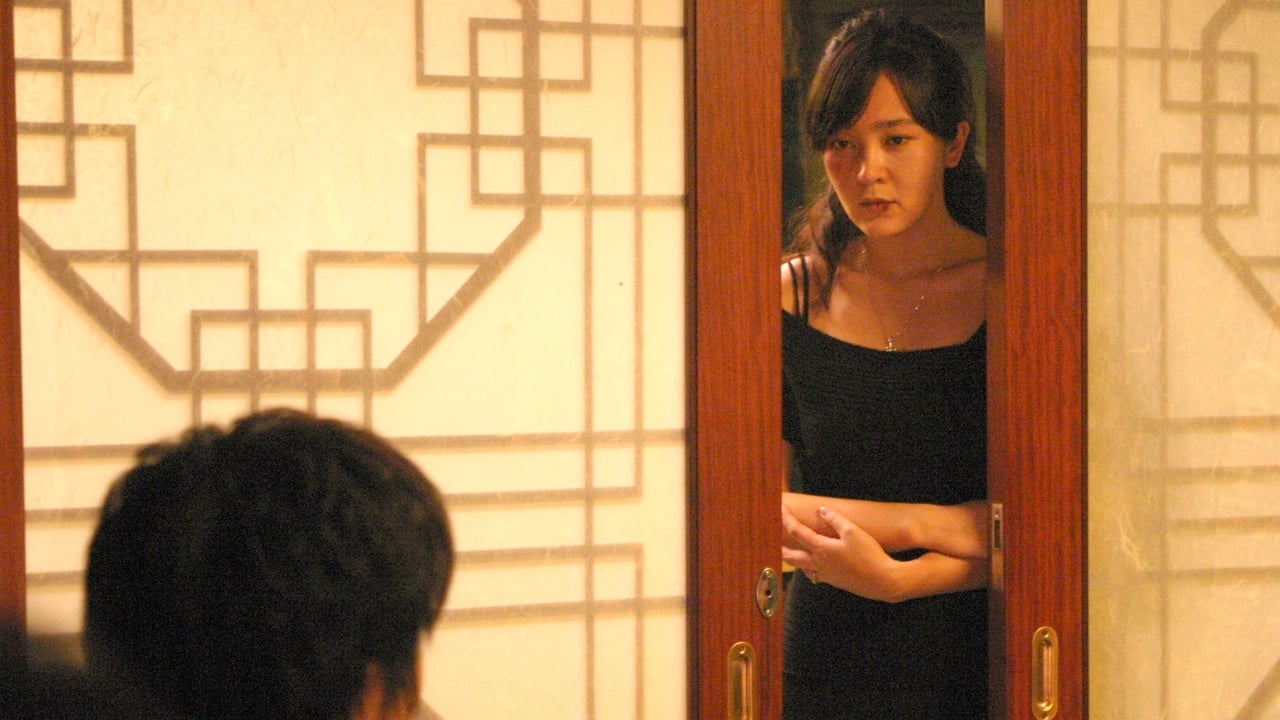
The title refers to the least-used club in a golf bag—the 3-iron. In the film, golf is a symbol of upper-class boredom and suppressed violence. Sun-hwa’s husband, Min-gyu (Kwon Hyuk-ho), uses his wealth as a cage, and the golf ball becomes a projectile of his frustration. There’s a specific, dark intensity to these scenes. When Tae-suk practices his swing in the yards of the houses he haunts, it’s not for sport; it’s a rhythmic, almost ritualistic attempt to master the air around him.
The cinematography by Jang Seong-baek captures these moments with a stillness that feels heavy. You start to notice the textures of the homes—the cold marble of the wealthy, the cluttered warmth of the elderly. Because there is so little talking, every sound becomes a jump scare. The clack of a golf ball, the hiss of an iron, the click of a door lock—these are the heartbeats of the movie. It’s a drama that borders on a thriller, especially when the legal system eventually catches up to Tae-suk. The third act takes a turn into the supernatural—or perhaps the psychological—that makes most modern "elevated horror" look like a Saturday morning cartoon. It challenges your perception of what is real and what is merely felt.
The Sixteen-Day Miracle
Looking back, it’s mind-boggling to realize that this film was shot in just 16 days and edited in 10. In the mid-2000s, this kind of "guerrilla" filmmaking was becoming a hallmark of the digital transition, though Kim Ki-duk was still shooting on beautiful, grainy film stock here. He was a director who worked with a frantic, obsessive energy, often alienating his peers but producing works that felt like raw nerves.
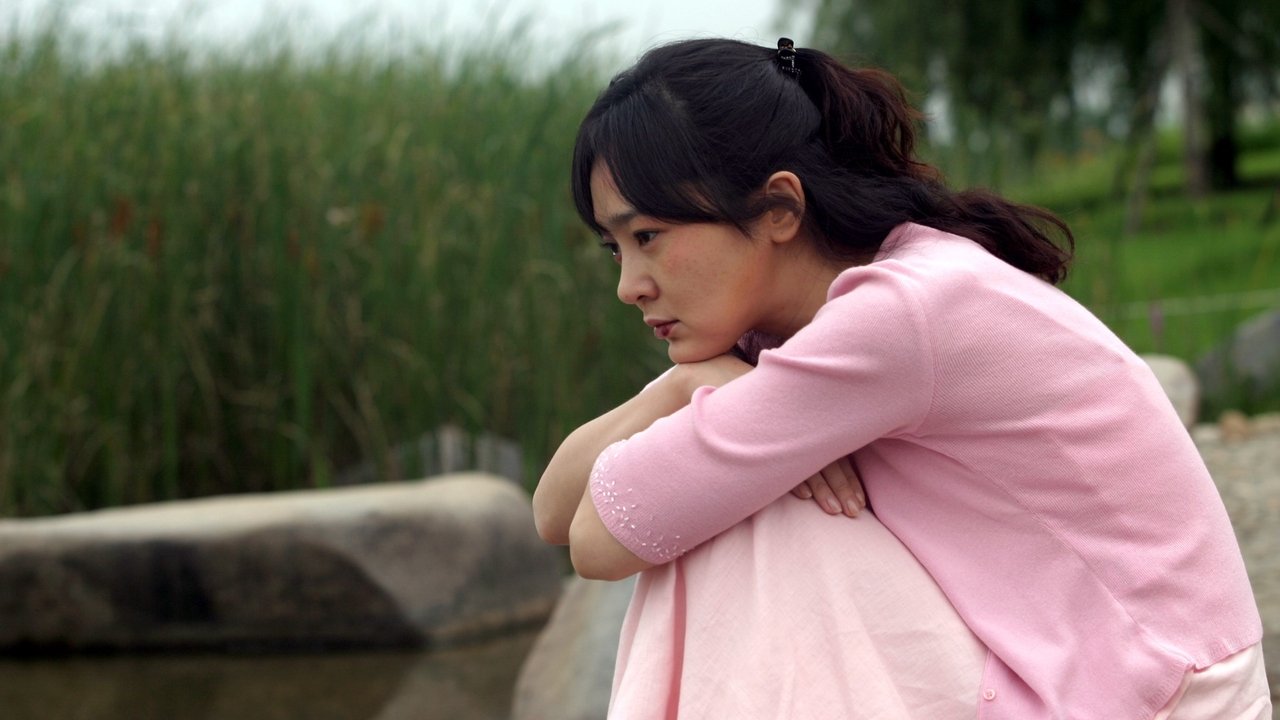
The film vanished from the mainstream conversation relatively quickly, partly because Kim Ki-duk’s later career and personal life became mired in controversy, and partly because "silent" Korean dramas are a hard sell in a streaming world built on noise. But 3-Iron is the kind of discovery that makes you want to keep a physical copy on your shelf, just in case the internet decides it’s too weird to host anymore. It captures a specific Y2K-era anxiety about urban isolation—the idea that we can live in a city of millions and still be completely invisible to one another.
3-Iron is a rare bird: a crime movie that is actually a poem. It’s dark, occasionally brutal, and deeply romantic in a way that bypasses the brain and goes straight for the solar plexus. If you’ve grown tired of movies that insist on explaining every character's motivation through ten minutes of wooden exposition, let this one sit with you in the dark. It’s a reminder that sometimes, the most profound things we can say are the things we leave unsaid. Just don’t be surprised if you start checking your doorknob for takeout flyers after the credits roll.

Keep Exploring...
-
Spring, Summer, Fall, Winter... and Spring
2003
-
Batman: Mask of the Phantasm
1993
-
A Bittersweet Life
2005
-
Mother
2009
-
Arlington Road
1999
-
Boys Don't Cry
1999
-

Dancer in the Dark
2000
-
The Man Who Wasn't There
2001
-
Infernal Affairs
2002
-
I'm Not Scared
2003
-
Matchstick Men
2003
-

A Very Long Engagement
2004
-
Bad Education
2004
-

Capote
2005
-
Joyeux Noel
2005
-
The Protector
2005
-
Gridiron Gang
2006
-
Tell No One
2006
-
Undisputed II: Last Man Standing
2006
-
United 93
2006