A Cinderella Story
"High school is hard. Finding your Prince is harder."
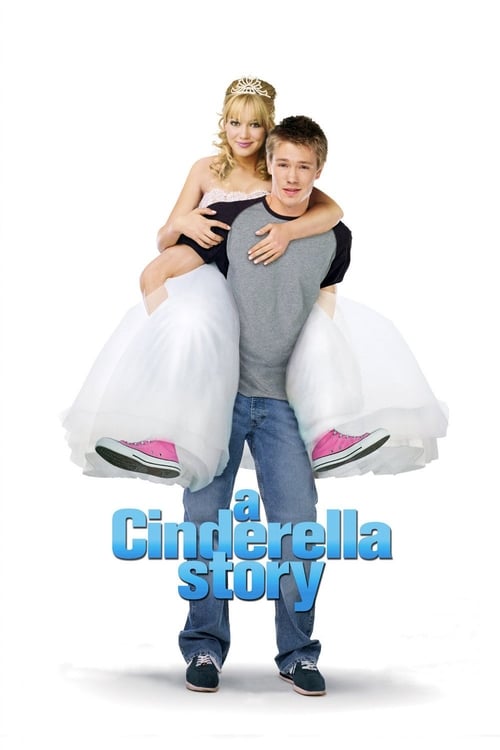
If you can accept that a three-inch strip of lace across a girl’s eyes renders her completely unrecognizable to a boy who has spent the last semester staring at her in the hallway, then you are ready for the quintessential millennial fairy tale. I recently re-watched A Cinderella Story while trying to ignore a particularly loud cricket trapped in my radiator, and honestly, the absurdity of the movie provided a much more pleasant distraction than the bug.
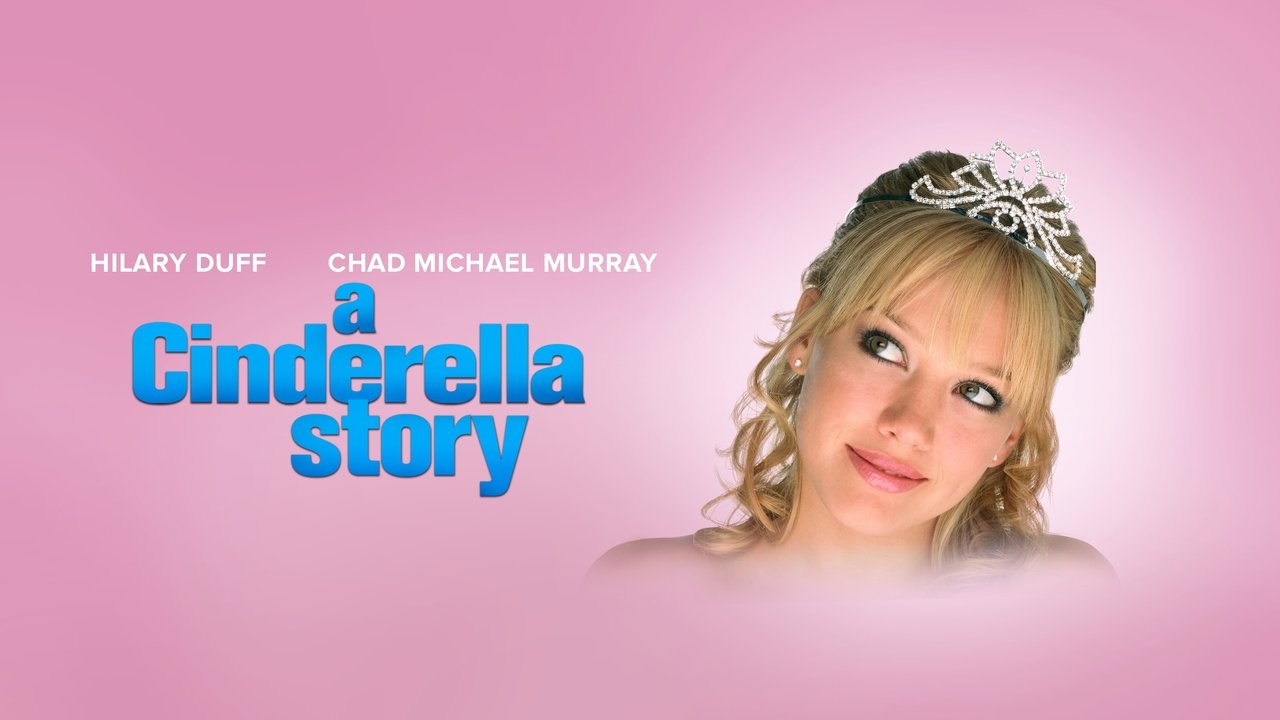
Released in 2004, this film is a time capsule of an era where "the internet" was still a place you "went to" rather than a void we all live inside of. It captures that specific cultural hinge-point where the high-school movie transitioned from the grunge-adjacent 90s into the hyper-glossy, Von Dutch-wearing mid-2000s. It’s a film that critics absolutely savaged at the time—it currently sits at a dismal 12% on Rotten Tomatoes—but if you ask any woman born between 1988 and 1998, they can likely quote the "waiting for you is like waiting for rain in this drought" monologue with terrifying accuracy.
The Gospel of the Valley Girl
At its core, the film works because of its cast, which is surprisingly over-qualified for a Cinderella retelling set in a San Fernando Valley diner. Hilary Duff was at the absolute zenith of her Lizzie McGuire fame here, and she brings a grounded, slightly weary sincerity to Sam Montgomery. She isn’t playing a princess; she’s playing a kid who is chronically exhausted by her stepmother's demands and her own shift-work at a kitschy 50s diner.
But let’s be real: we are all here for Jennifer Coolidge. As the Botox-obsessed, salmon-colored-Mercedes-driving Fiona, she isn’t just a villain; she’s a comedic hurricane. Most of her lines feel like they were birthed from a chaotic improv session—like when she tells Sam, "You're not very pretty, and you're not very bright. I'm so glad we had this talk." It’s the kind of performance that shouldn’t fit in a teen romance, yet it’s the only thing that keeps the movie from drifting into total sentimentality. Apparently, the production was quite the family affair, too; Hilary Duff’s sister, Haylie Duff, actually wrote and performed songs for the soundtrack, including the very-2004 "Our Lips Are Sealed" cover.
Flip Phones and Forbidden Poets
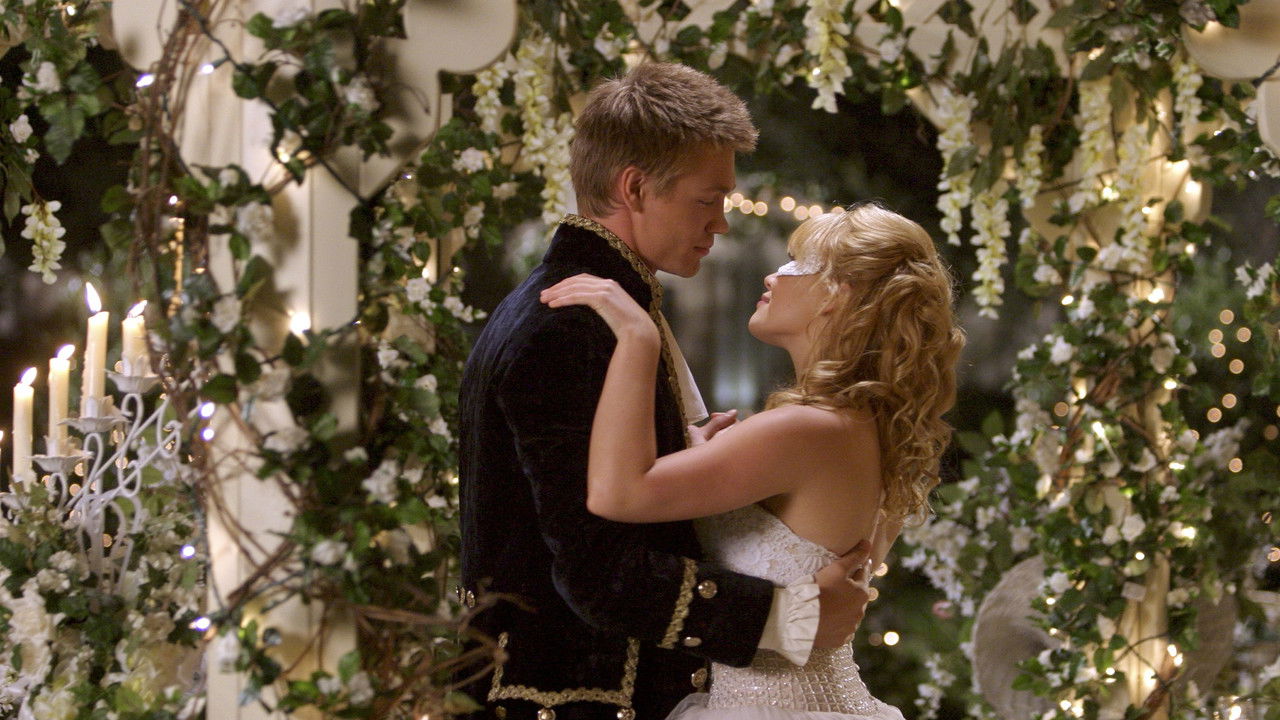
The "Modern Cinema" era of the early 2000s was obsessed with the novelty of digital anonymity. Sam’s "Nomad" and Austin’s "Princeton Girl" communicate via a chat room that looks like it was designed in Microsoft Paint, exchanging quotes by F. Scott Fitzgerald. Looking back, the most unbelievable part isn't the fairy tale; it's that anyone thought Chad Michael Murray looked like a high schooler. At 22, Chad Michael Murray—fresh off the success of Freaky Friday and One Tree Hill—looked like a man who had already paid off a mortgage and was considering a career in real estate.
Yet, the chemistry works in a weird, sugary way. The film benefits from Regina King (well before her Oscar-winning turn in If Beale Street Could Talk) playing Sam’s mentor and diner manager, Rhonda. Regina King provides the movie’s emotional backbone, ensuring that Sam’s struggle feels like it has actual stakes beyond just getting a date to the Halloween dance. The screenplay by Leigh Dunlap is admittedly formulaic, but it understands the rhythmic structure of a joke. The physical comedy involving the two step-sisters (played with delightful, screechy abandon by Madeline Zima and Andrea Avery Ray) is classic slapstick that feels like a throwback to the silent era, filtered through a Mean Girls lens.
Why It Holds the Crown
Technically, the film is a standard product of its time. Director Mark Rosman—who also directed episodes of Lizzie McGuire—uses a bright, high-key lighting style that makes everything look like a commercial for a very expensive shampoo. The cinematography by Anthony B. Richmond, who oddly enough also shot the gritty 1973 classic Don't Look Now, stays out of the way of the jokes. Interestingly, the film was a massive financial success, raking in over $70 million on a $19 million budget, proving that there was a hungry audience for "Princess" stories that didn't involve actual royalty.

What makes A Cinderella Story a cult classic today isn’t its "masterful" filmmaking; it’s the way it validates the teenage feeling of being overlooked. It’s a movie that believes—quite fiercely—that the "dork" at the diner is actually the smartest person in the room. Even the trivia surrounding the film has a DIY charm; the iconic white dress Sam wears to the ball was actually a dress Hilary Duff had seen in a magazine and asked the costume department to recreate. That level of star-input is pure 2000s energy.
It’s easy to poke fun at the logic of the mask or the fact that a drought-stricken Los Angeles magically produces a rainstorm exactly when the protagonist needs a dramatic kiss. But A Cinderella Story isn't trying to be Citizen Kane. It’s a comfort watch that succeeds because it leans into its own artifice with a wink and a smile. It’s a reminder of a time when the biggest stress in life was whether your flip phone had enough bars to receive a text from your secret crush. If you can lean into the nostalgia, it’s a royal treat.
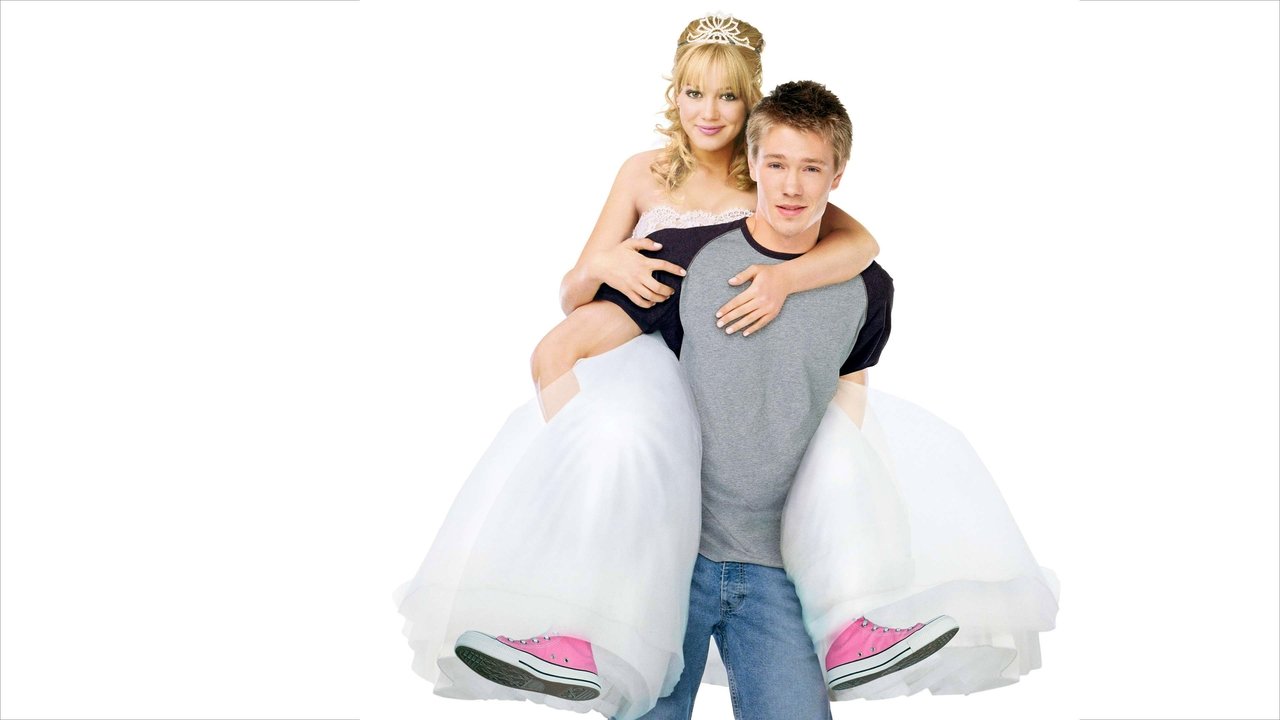
Keep Exploring...
-
Another Cinderella Story
2008
-
A Cinderella Story: Once Upon a Song
2011
-
High School Musical 2
2007
-
Camp Rock
2008
-
Herbie Fully Loaded
2005
-
Bedtime Stories
2008
-
A Cinderella Story: If the Shoe Fits
2016
-
Freaky Friday
2003
-

The Parent Trap
1998
-
Hercules
1997
-
The Princess Diaries
2001
-
What a Girl Wants
2003
-
First Daughter
2004
-
The Princess Diaries 2: Royal Engagement
2004
-
Are We There Yet?
2005
-
Yours, Mine & Ours
2005
-
Aquamarine
2006
-
Just My Luck
2006
-

High School Musical 3: Senior Year
2008
-
Hannah Montana: The Movie
2009