A Very Long Engagement
"Hope is a stubborn thing."
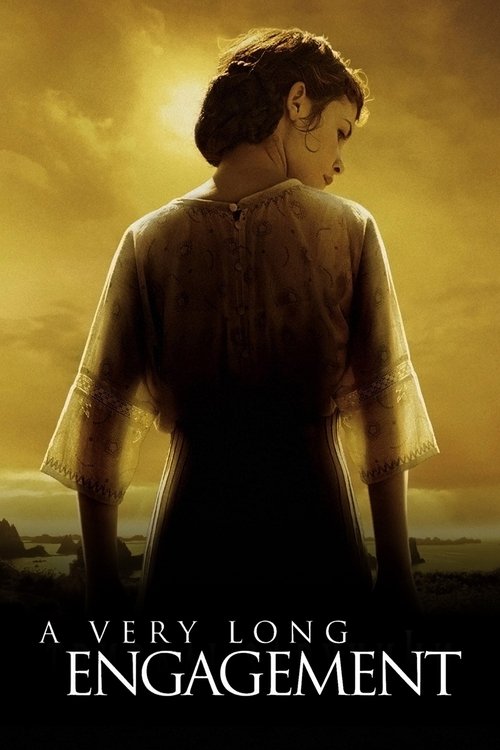
The first time I saw the poster for A Very Long Engagement, I genuinely thought it was a stealth sequel to Amélie (2001). You can’t blame me—the yellow-soaked color palette, the whimsical typography, and Audrey Tautou’s wide-eyed gaze suggested another Parisian romp through the marvelous and the mundane. I sat down to watch it expecting a lighthearted souffle and instead found myself plunged into the mud, blood, and existential dread of the Somme. I remember watching it on a Tuesday night while eating a bowl of cold cereal, and by the forty-minute mark, I’d completely forgotten to finish the milk.
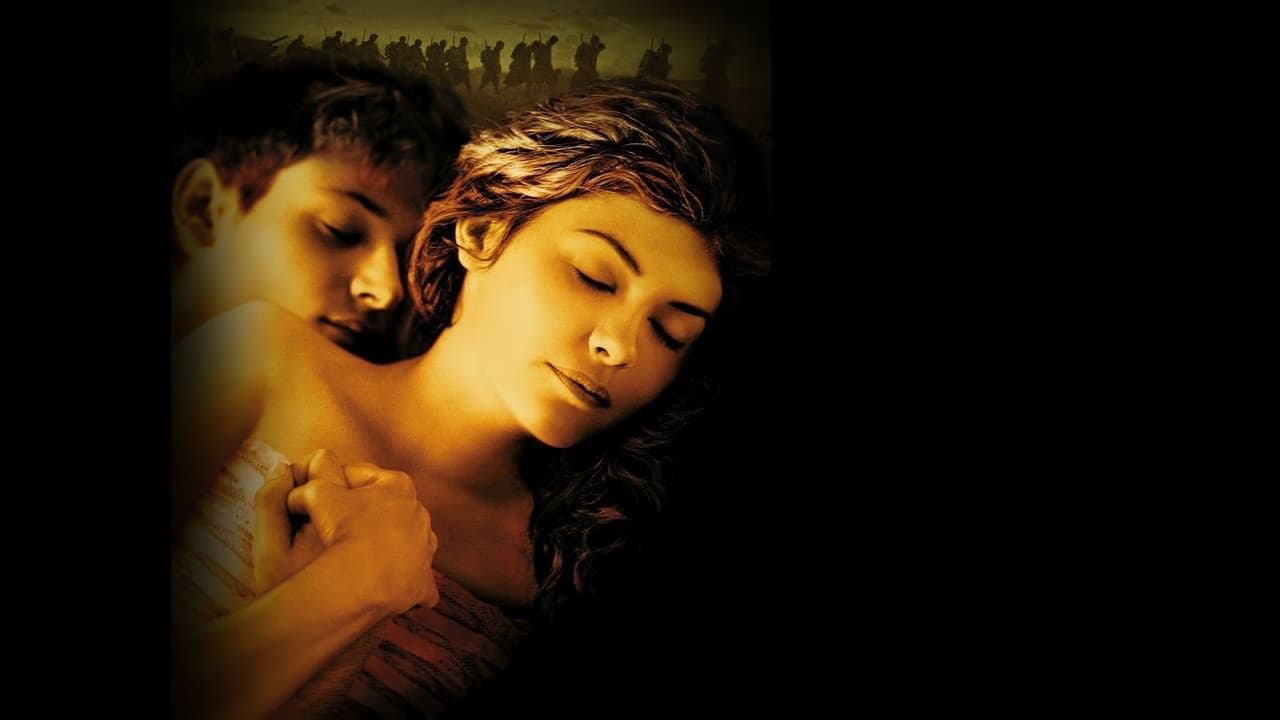
This is the "other" masterpiece from director Jean-Pierre Jeunet. While Amélie captured the world’s heart, A Very Long Engagement (or Un long dimanche de fiançailles) is the deeper, darker, and more technically ambitious sibling. It’s a film that exists in the strange, transitional space of 2004 cinema—a time when digital color grading was becoming a weapon of choice and war movies were still grappling with the gritty, handheld legacy of Saving Private Ryan.
The Golden Hue of the Trenches
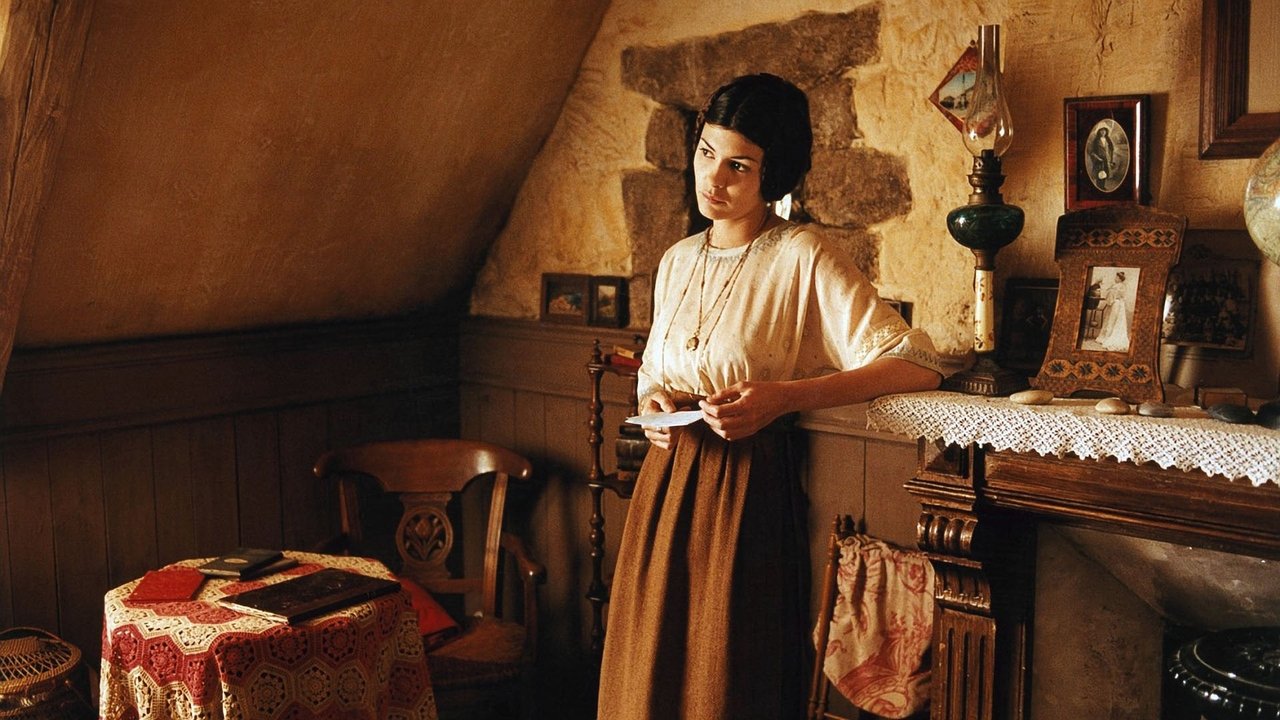
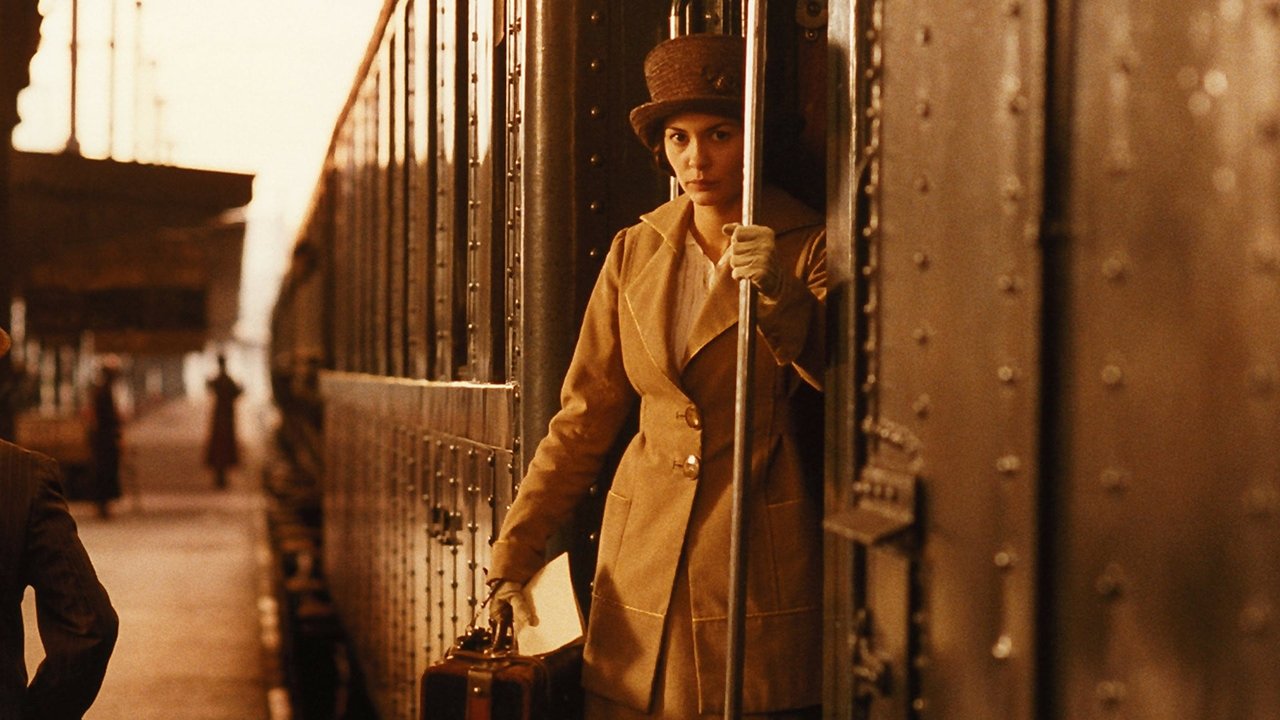
The film follows Mathilde (Audrey Tautou), a young woman with a persistent limp and an even more persistent soul. Her fiancé, Manech (the late, ethereal Gaspard Ulliel), was one of five French soldiers convicted of self-mutilation to escape the front lines. Their punishment? Being kicked into "No Man's Land" between the French and German trenches to be picked off by whoever fired first. Everyone tells Mathilde he’s dead. Mathilde, governed by a series of superstitious "if-then" games—if the cat comes inside before I count to ten, Manech is alive—refuses to listen.
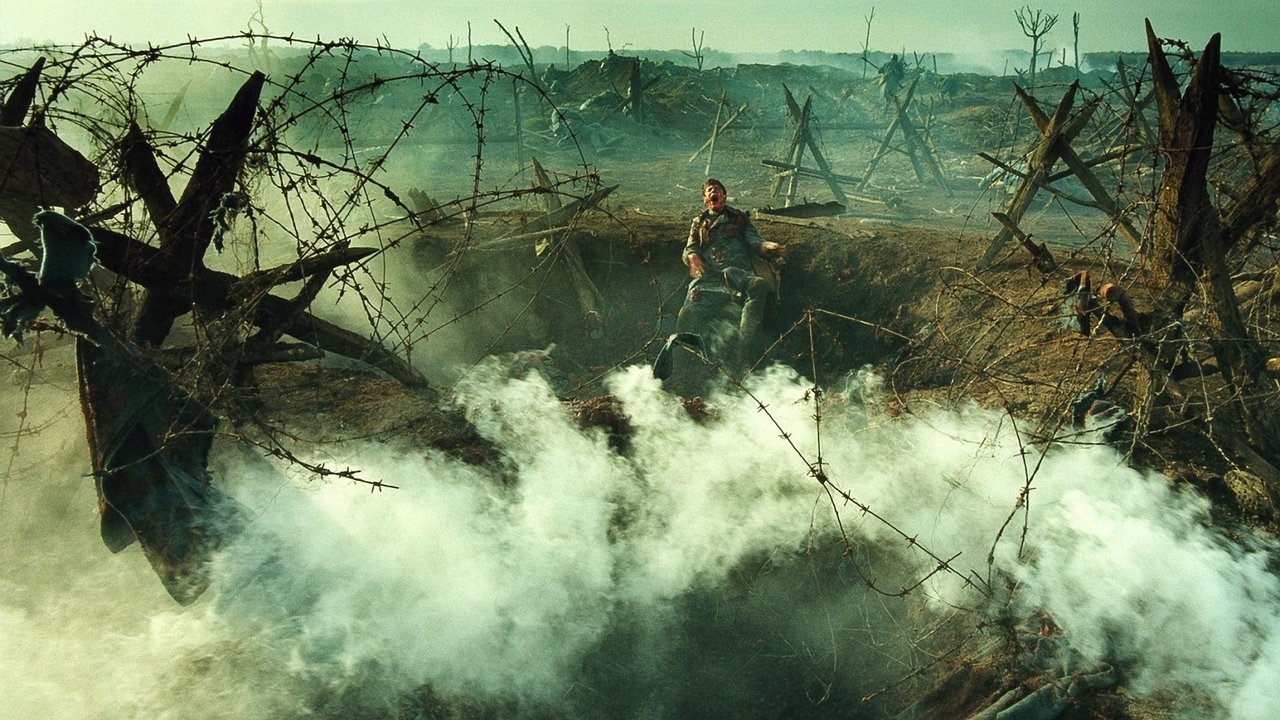
Visually, this film is a marvel of the early digital era. Jean-Pierre Jeunet and cinematographer Bruno Delbonnel (who later brought that same atmospheric gloom to Harry Potter and the Half-Blood Prince) used an aggressive digital intermediate process to bathe the film in a sepia-gold tint. It makes the scenes in Brittany look like a hand-painted postcard from a dream, which makes the hard cut to the trenches all the more jarring. The war scenes are rendered in a sickly, metallic grey-green. It’s a visual representation of trauma; the world literally loses its warmth when we move toward the front. Jeunet creates a world that looks like a fairy tale but feels like a funeral.
A Mystery Written in Mud
As Mathilde hires a private investigator—played with a wonderful, weary cynicism by Ticky Holgado—the film shifts into a detective noir. We meet a carousel of weird and wonderful characters, a Jeunet staple. Dominique Pinon, a regular in the director’s troupe since Delicatessen (1991), pops up as Mathilde’s uncle, providing much-needed levity.
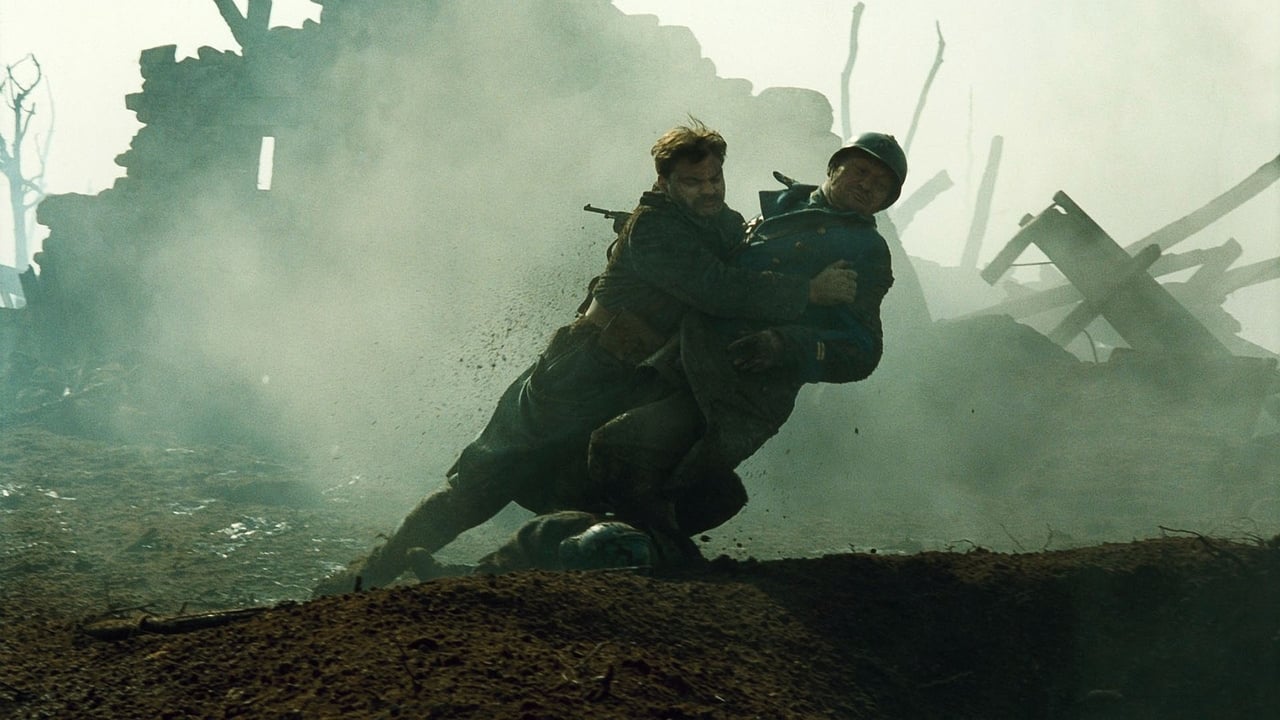
But the heart of the film is the search for the five men. Through flashbacks, we see the "Hand of the Cloud" (the nickname for the trench where they were held). These sequences are brutal. Jeunet doesn't shy away from the senselessness of the First World War. He treats the violence with a grim, clockwork precision. There is a specific sequence involving a German zeppelin and a hospital that is as terrifying as anything in a pure horror film.
What makes the drama work is that it earns its emotional weight. Mathilde’s hope isn't framed as a magical superpower; it’s framed as a painful, exhausting choice. Audrey Tautou is spectacular here, shedding the "pixie" energy of her previous roles for something far more grounded and stubborn. When she finally uncovers the truth about what happened in that trench, it’s not a Hollywood explosion of joy—it’s a quiet, devastating realization of what war actually takes from people.
The Battle for French Identity
Behind the scenes, the film was the center of a massive controversy that almost feels quaint today. Despite being filmed in France, featuring a French cast, and being based on a beloved French novel by Sébastien Japrisot, the French authorities initially refused to certify it as a "French film." Why? Because it was largely funded by Warner Bros. This meant it was ineligible for certain domestic subsidies and awards. It was a fascinating moment where the globalized nature of the "Modern Cinema" era (1990-2014) crashed head-first into traditional European protectionism. It’s basically the most expensive "American" movie ever made in French.
Another "I-forgot-that-happened" detail: Jodie Foster has a significant supporting role, speaking flawless French. At the time, her appearance felt like a strange cameo, but looking back, she fits perfectly into the ensemble. She plays a woman caught in her own tragic subplot involving the same group of soldiers, proving that the war’s reach was a web that entangled everyone, regardless of status.
The film also serves as a haunting reminder of the talent of Gaspard Ulliel. Watching him here as the young, terrified Manech—"The Cornflower"—is bittersweet following his tragic death in 2022. He possessed a rare kind of cinematic vulnerability that makes Mathilde’s "very long engagement" feel justified. You understand why she can’t let go.
A Very Long Engagement is the kind of epic they don't really make anymore—one that balances massive, pyrotechnic war sequences with the intimate, eccentric ticking of a clockmaker’s shop. It’s a film about the stories we tell ourselves to survive, and the way the past refuses to stay buried in the mud. If you only know Jean-Pierre Jeunet for his lighter fare, you owe it to yourself to see how he handles a broken heart and a bayonet. It’s a stunning, somber achievement that deserves to be pulled out of the "Amélie's shadow" and appreciated for the powerhouse drama it is.
Keep Exploring...
-
Amélie
2001
-
Joyeux Noel
2005
-
The Young and Prodigious T.S. Spivet
2013
-
Enemy at the Gates
2001
-
Black Book
2006
-
The Wind That Shakes the Barley
2006
-

Legends of the Fall
1994
-
The English Patient
1996
-
The Wind Rises
2013
-
The Round Up
2010
-
3-Iron
2004
-
The City of Lost Children
1995
-
Batman: Mask of the Phantasm
1993
-
Tell No One
2006
-
Kill Your Darlings
2013
-
The Piano Teacher
2001
-
The Spanish Apartment
2002
-
Sophie's Choice
1982
-
Mediterraneo
1991
-
Crimson Tide
1995