Alexander
"Empire is a heavy crown and a bad wig."
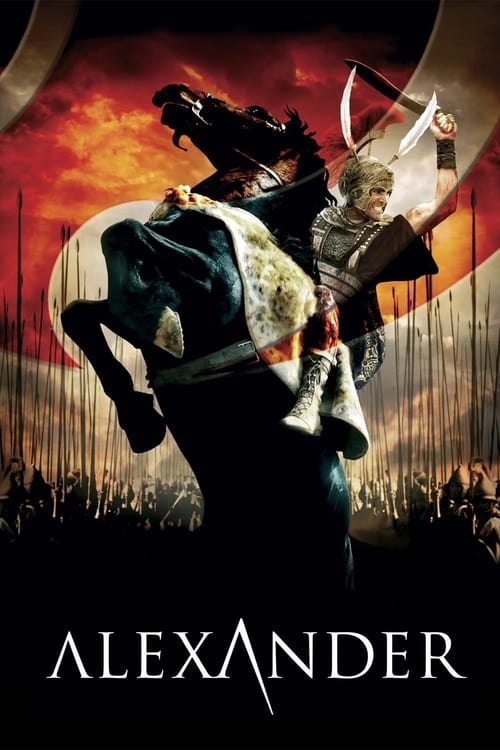
If you want to understand the beautiful, bloated, and bizarre ambition of early 2000s cinema, look no further than Oliver Stone’s Alexander. I first watched the "Final Cut" on a rainy Tuesday while nursing a lukewarm gyro that was about 40% onions, and honestly, the grease helped the three-and-a-half-hour runtime go down easier. This isn't just a movie; it’s a $155 million archaeological dig into the psyche of a director who never met a subtext he didn't want to turn into a screaming match.
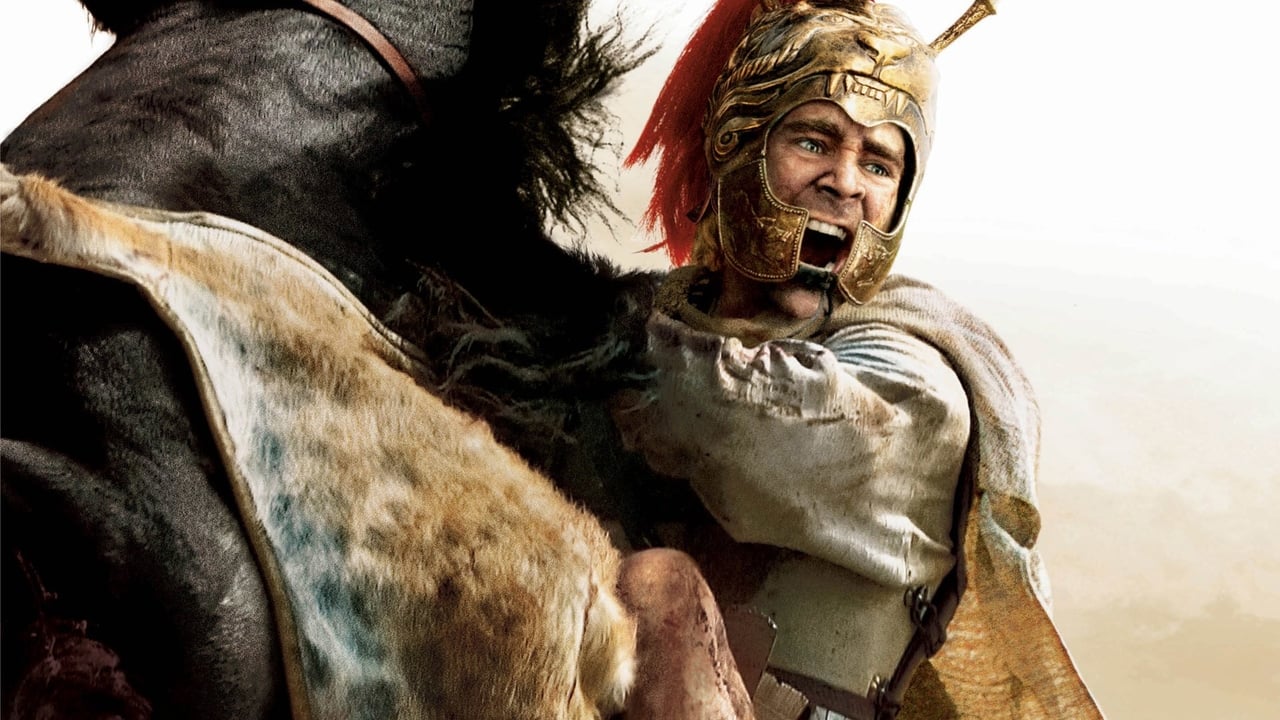
Coming off the massive success of Ridley Scott’s Gladiator, Hollywood was desperate for "sword-and-sandal" epics. But while other directors were chasing box office gold, Oliver Stone (Platoon) was busy making a psycho-sexual family drama that just happened to have ten thousand extras in the background. It’s a film where the conquests of the known world take a backseat to the fact that Alexander’s mom has a thing for snakes and his dad is a one-eyed drunk who shouts at architecture.
Dust, Blood, and Elephant Chaos
When Alexander actually remembers it’s an action movie, it’s staggering. The Battle of Gaugamela is a masterclass in how to stage chaos. Unlike the hyper-clean, floaty CGI battles we get in the modern superhero era, this feels heavy. You can practically taste the grit and the horse sweat. Oliver Stone utilized over 1,500 members of the Moroccan army as extras, and that physical presence on screen provides a weight that no digital army can replicate. The overhead shots, intended to show Alexander’s "eagle-eye" tactical genius, are some of the most impressive uses of early 2000s scale I’ve ever seen.
The fight choreography isn't about flashy martial arts; it’s about the terrifying, rhythmic grind of a Macedonian phalanx. Then there’s the elephant battle in India. It is a psychedelic nightmare of red filters and panicked pachyderms. Seeing a horse rear up against a literal war-elephant while Colin Farrell (The Banshees of Inisherin) screams his lungs out is the kind of high-stakes practical filmmaking that felt like a dying art even in 2004. The action sequences aren't just filler; they’re the only time the movie feels like it’s breathing.
The King of the DVD Rack
Alexander is the ultimate "Wait, there’s another version?" movie. It’s the poster child for the DVD era’s obsession with Director’s Cuts. There are four—yes, four—different versions of this film. You’ve got the Theatrical Cut, the Director’s Cut, the Final Cut, and the Ultimate Cut. It’s as if Oliver Stone was treating the film like a giant marble block he couldn't stop chiseling. This was a peak moment for film literacy; we weren't just watching movies; we were comparing edits and listening to commentary tracks to understand why the theatrical version felt so disjointed.
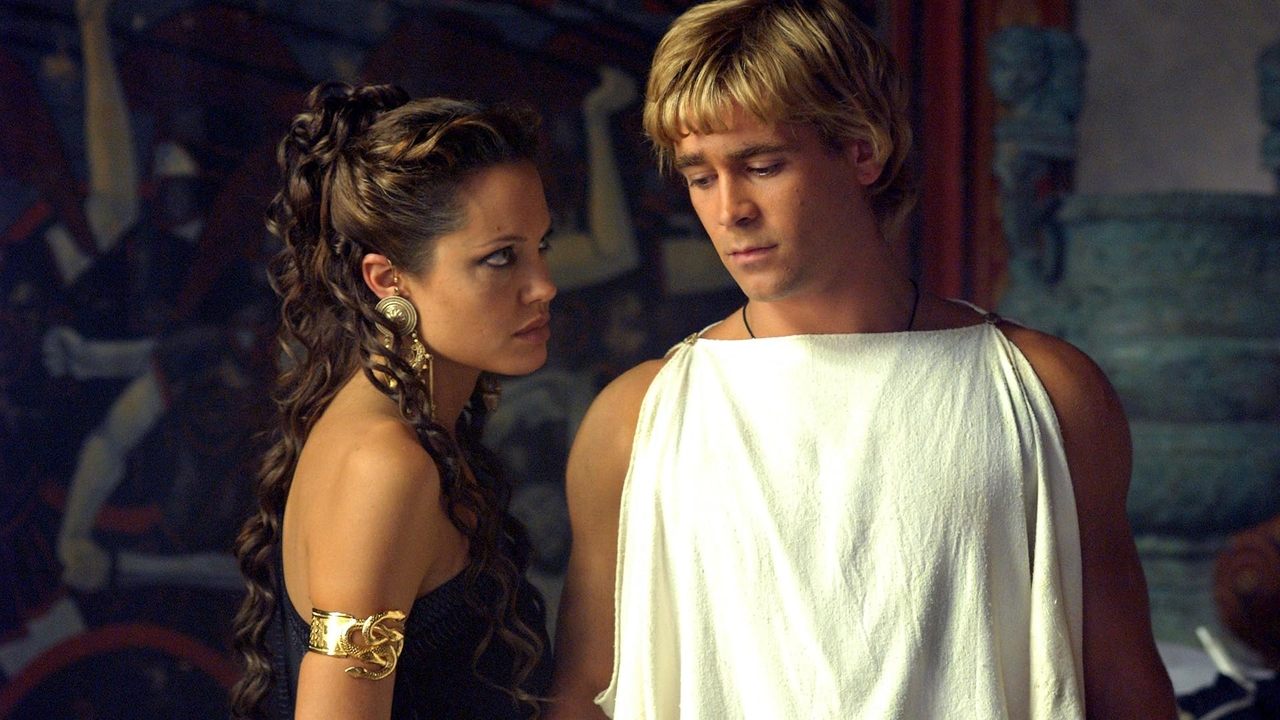
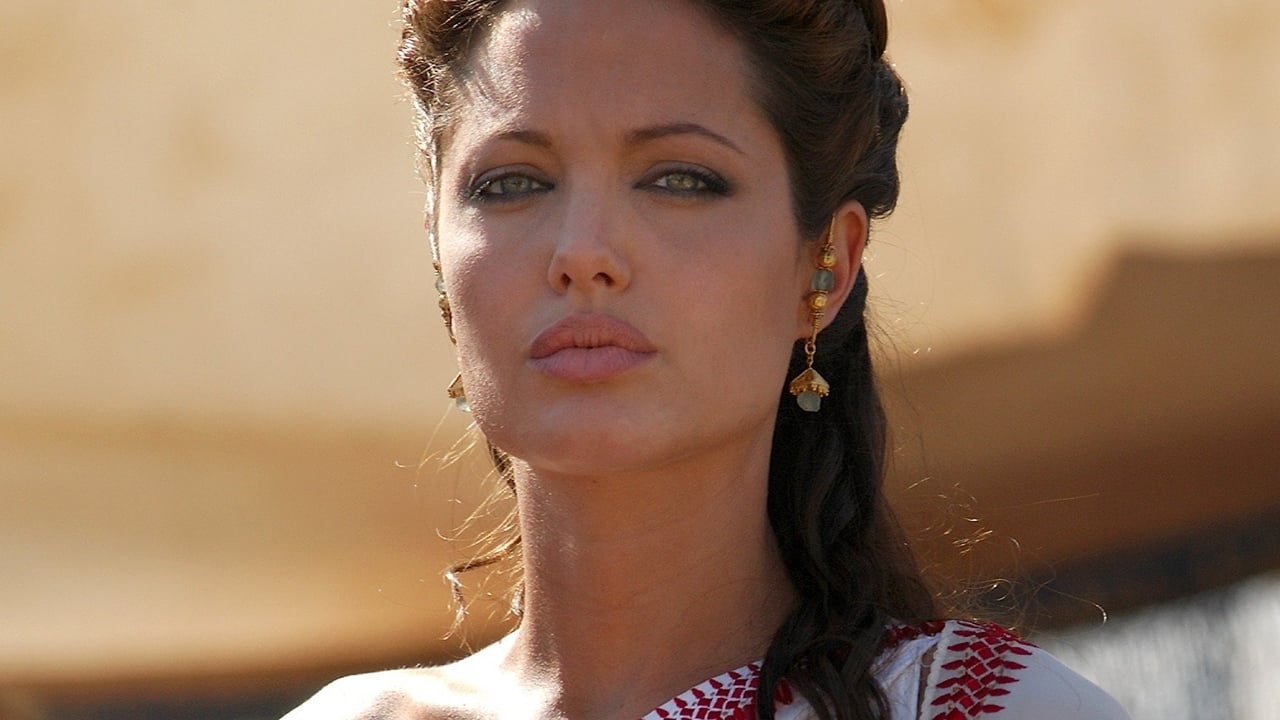
The performances are... a lot. Colin Farrell’s wig looks like a golden retriever that got caught in a ceiling fan, but he brings a raw, trembling vulnerability to a role that most actors would have played as a stoic statue. Then you have Angelina Jolie (Lara Croft: Tomb Raider), who is only one year older than Farrell but plays his mother, Olympias, with an accent that seems to migrate across three different continents mid-sentence. And let’s not forget Val Kilmer (The Doors), who spent an hour every morning having a prosthetic scarred eye glued to his face just to play the world’s most terrifying father figure.
The Cult of the Ambitious Mess
Why do we still talk about this? Because it’s a "cult classic" of the misunderstood variety. It didn't find its wings in theaters—it was mocked for its length and its lead’s Irish-accented ancient Greeks. But on home video, it became a fascination. Fans started to appreciate the weird, Freudian layers. The relationship between Alexander and Jared Leto’s (Dallas Buyers Club) Hephaistion was surprisingly bold for a 2004 blockbuster, even if it mostly involved them staring intensely at each other's eyeliner.

Apparently, the production was just as chaotic as the Persian front. Colin Farrell managed to break both his arm and his ankle during a fall in Thailand before filming even started. Meanwhile, the score by Vangelis (Chariots of Fire) provides this ethereal, synth-heavy atmosphere that makes the whole thing feel less like a history lesson and more like a fever dream. It’s a movie that is constantly tripping over its own cape, but it’s doing it with such passion that you can’t help but watch.
Alexander is a magnificent failure that is far more interesting than most "good" movies. It captures a specific moment in time when CGI was beginning to take over, yet directors were still willing to throw thousands of real people into a desert for the sake of a shot. It’s long, it’s melodramatic, and the wigs are a crime against humanity, but it has a soul. If you’ve only seen the theatrical version, track down the "Final Cut"—it’s a completely different beast that proves even a mess can be a work of art.
In an era of assembly-line franchises, I find myself missing the days when a director could fail this spectacularly and this beautifully. It’s the kind of film that demands a large screen, a quiet house, and maybe a lukewarm gyro of your own. Just be prepared to spend the next three hours wondering how Anthony Hopkins (The Silence of the Lambs) kept a straight face while narrating the whole thing from a terrace in Alexandria.
Keep Exploring...
-
King Arthur
2004
-
Pompeii
2014
-
The Messenger: The Story of Joan of Arc
1999
-
A Knight's Tale
2001
-
Green Zone
2010
-
The Monuments Men
2014
-
Kingdom of Heaven
2005
-
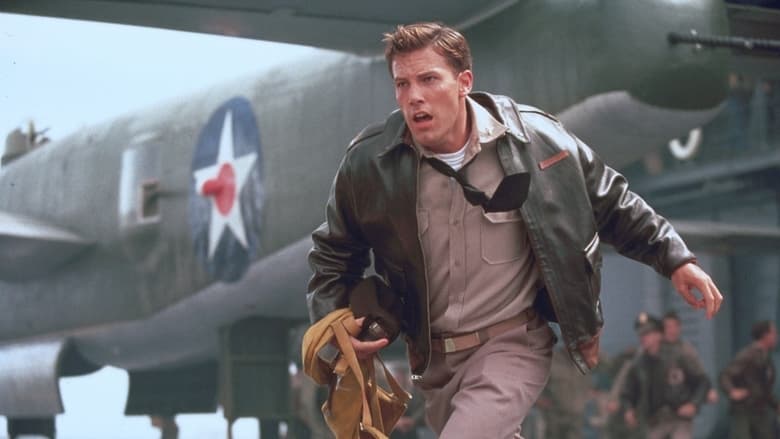
Pearl Harbor
2001
-
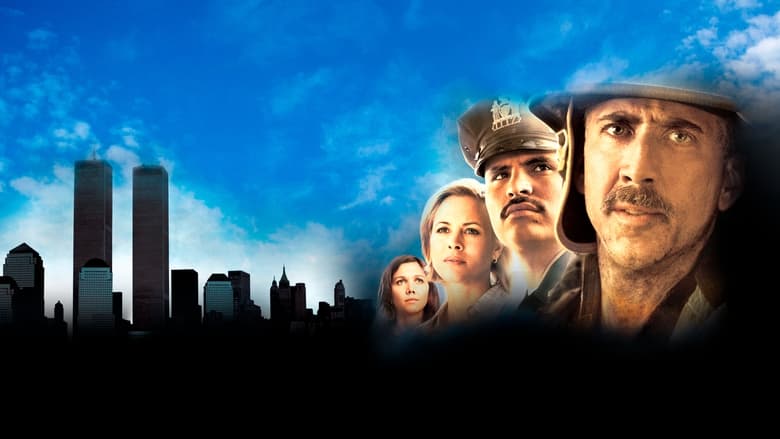
World Trade Center
2006
-
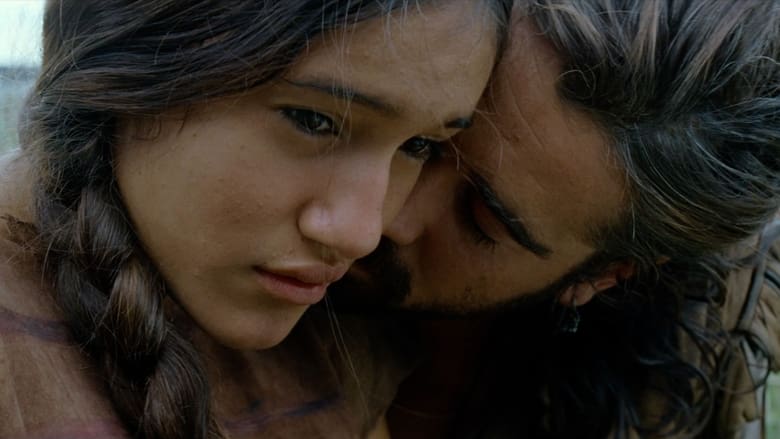
The New World
2005
-
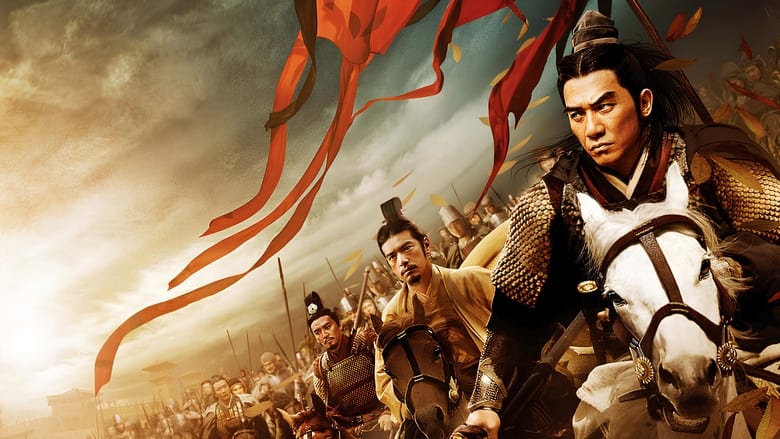
Red Cliff
2008
-
The Patriot
2000
-
Enemy at the Gates
2001
-

Cold Mountain
2003
-
Defiance
2008
-

The Perfect Storm
2000
-
The Scorpion King
2002
-
Tears of the Sun
2003
-

King Kong
2005
-
Poseidon
2006