Along Came Polly
"Risk assessment has never been this messy."

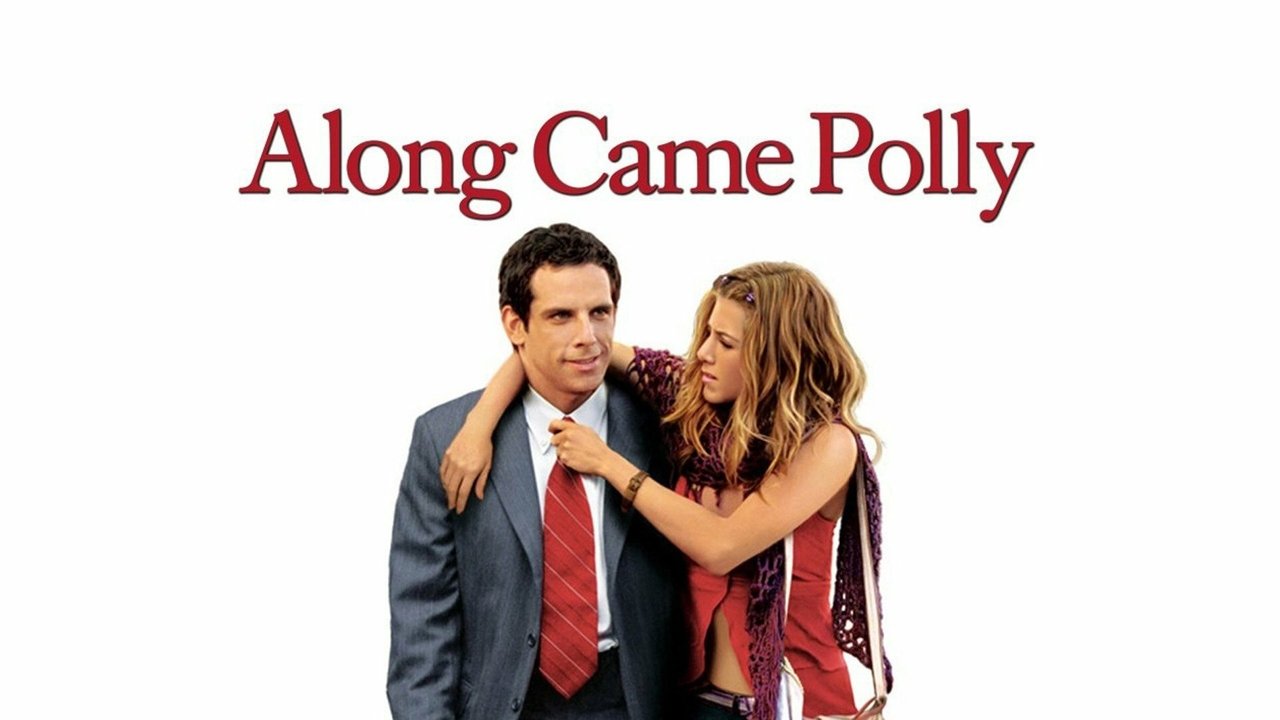
There is a very specific type of physiological stress that only a Ben Stiller movie from the early 2000s can induce. It’s that prickle of heat on the back of your neck when you know a character is about to do something irrevocably humiliating in a public space. Released in 2004, Along Came Polly represents the peak of this "Cringe Cinema" era—a time when we collectively decided that watching a high-strung man suffer through irritable bowel syndrome after eating spicy Moroccan food was the height of romantic tension.

I watched this recently while eating a bowl of overly salted popcorn that left my tongue feeling like sandpaper, and honestly, the physical discomfort only added to the immersion of Reuben Feffer’s high-stakes world of risk assessment. Reuben is a man who calculates life expectancy based on whether or not he eats the nuts at a communal bar. He is the human personification of a "Check Engine" light. When his new bride (played with a delightful, sharp narcissism by Debra Messing, fresh off her Will & Grace stardom) cheats on him on their honeymoon with a scuba instructor named Claude (Hank Azaria channeling a hilarious, hyper-sexualized French accent), Reuben retreats into his shell. Then, he meets Polly.
The Art of the Frat Pack Foil
By 2004, Ben Stiller had perfected the role of the "Universe’s Punching Bag." Following Meet the Parents (2000) and Zoolander (2001), he was the undisputed king of the Modern Cinema transition—an era where the "everyman" was no longer a rugged hero, but a neurotic mess trying to navigate a world that felt increasingly chaotic. Opposite him, Jennifer Aniston provides the perfect foil as Polly Prince. This was a crucial moment for Aniston; Friends was wrapping up its final season, and she was cementing her status as a big-screen lead.
Polly is the classic "free spirit" trope, but Aniston gives her enough jagged edges to keep her from becoming a total caricature. She’s messy, she’s unreliable, and she keeps a blind ferret named Pete. The chemistry works because it feels like a collision of two different lifestyles rather than a predestined soulmate connection. Ben Stiller’s rhythmic sweating is a more impressive special effect than half the CGI creatures in 2004’s other blockbusters. He commits so fully to the physical comedy—the salsa dancing, the basketball mishaps, the spicy food-induced panic—that you can’t help but root for him, even as you’re squinting through your fingers in embarrassment.
Sandy Lyle: The Greatest Supporting Turn in Comedy?

While the posters sold a romantic comedy between two A-listers, the actual movie belongs to Philip Seymour Hoffman. Playing Sandy Lyle, a former child star clinging to the ghost of his one hit film, Hoffman delivers what I consider to be one of the most underrated comedic performances of the decade. Seeing an actor of his gravitas—the man who gave us Boogie Nights and would soon win an Oscar for Capote—scream "Rain Dance!" while bricking a basketball shot is a gift from the cinema gods.
Philip Seymour Hoffman is doing better character work in this throwaway comedy than most actors do in high-stakes Oscar bait. His delivery of the word "sharted" didn't just enter the cultural lexicon; it defined a specific brand of mid-2000s humor that was gross-out but strangely character-driven. The production trivia confirms the legend: Hoffman actually made most of those terrible basketball shots look "impressively bad" on purpose, and many of his lines were ad-libbed, much to the delight of director John Hamburg (who also penned Meet the Parents).
A Time Capsule of the DVD Era
Looking back, Along Came Polly is a fascinating relic of the Jersey Films production era. Founded by Danny DeVito, Jersey Films had a knack for balancing "cool" indie vibes (Pulp Fiction) with massive commercial hits. This film was a juggernaut, pulling in over $178 million on a $42 million budget. It’s the kind of "middle-budget" comedy that has largely vanished from theaters today, replaced by streaming exclusives or $200 million franchises.
The film also captures that weird, post-9/11 anxiety about safety. Reuben’s entire job is about calculating the "unthinkable," reflecting a cultural moment where the world felt suddenly precarious. But it’s also a "DVD Culture" movie. I remember the special features on the disc being as much of a draw as the film itself, specifically the "Rodolfo’s Salsa Lessons" featurette. It was an era where we didn't just watch a movie; we lived with the supplemental materials.
There are certainly parts that haven't aged as gracefully. The "Manic Pixie Dream Girl" tropes are loud, and some of the ethnic caricatures feel a bit "2004-standard." However, the film avoids being totally dated by leaning into the timelessness of human insecurity. We’ve all been Reuben Feffer, trying to plan for a future that doesn't exist, and we've all needed a Polly Prince to remind us that sometimes you just have to eat the spicy food and hope for the best.
Ultimately, Along Came Polly is a comfort watch that survives on the strength of its ensemble. It’s not a masterpiece of the genre, but it’s a masterclass in how a great supporting cast—specifically Hoffman, Azaria, and Alec Baldwin as Reuben’s boorish boss—can elevate a standard premise into something memorable. It’s a film about the messiness of living, served with a side of ferret bites and salsa music. If you’re looking for 90 minutes of pure, low-stakes entertainment that reminds you why we loved the mid-2000s comedy boom, this is your safety bet.

Keep Exploring...
-

I Love You, Man
2009
-
Meet the Parents
2000
-
Meet the Fockers
2004
-
He's Just Not That Into You
2009
-
American Pie
1999
-

She's All That
1999
-
Chocolat
2000
-
American Pie 2
2001
-

Legally Blonde
2001
-

Shallow Hal
2001
-
The Princess Diaries
2001
-
About a Boy
2002
-

Sweet Home Alabama
2002
-
Freaky Friday
2003
-

Just Married
2003
-
The Princess Diaries 2: Royal Engagement
2004
-

Monster-in-Law
2005
-

The 40 Year Old Virgin
2005
-
Wedding Crashers
2005
-

Knocked Up
2007