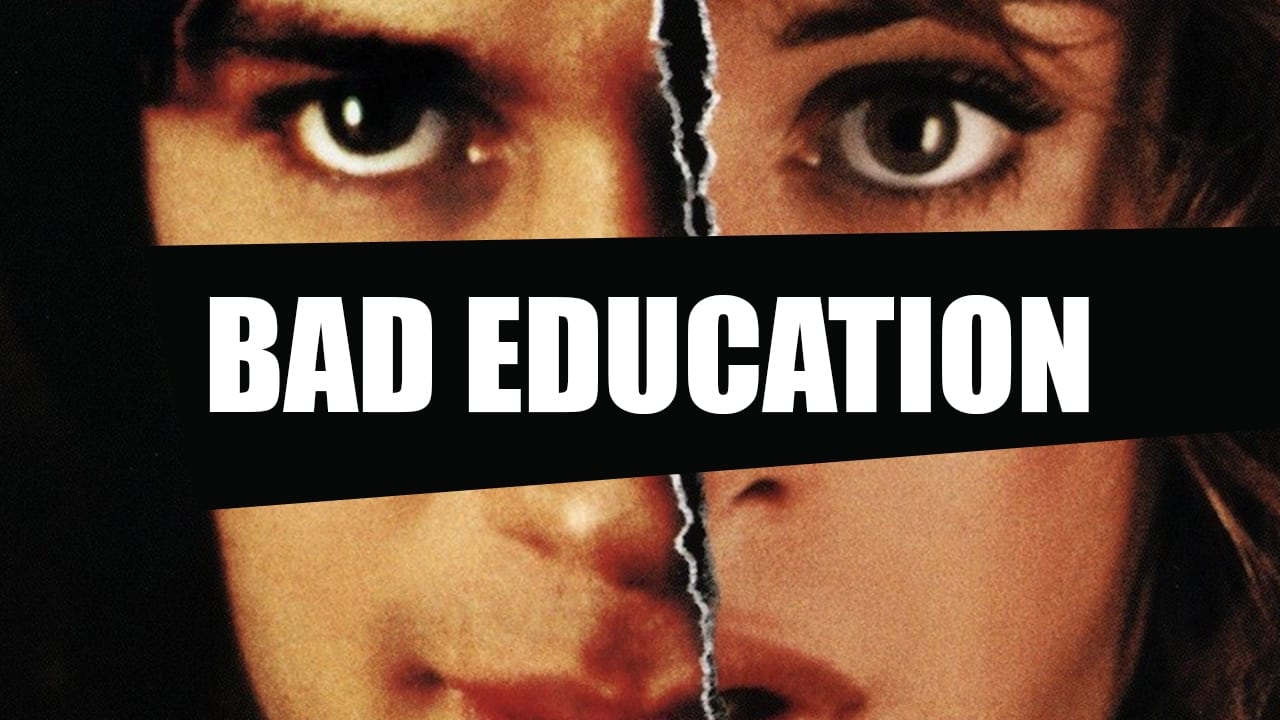
Bad Education
"Every truth has a rewrite."
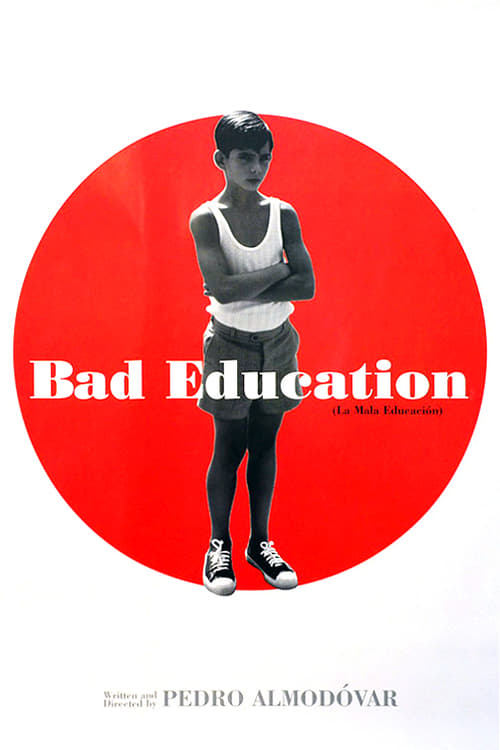
The year 2004 was a strange, transitional hinge for cinema, a moment where the prestige of the 35mm "indie" spirit was starting to collide with the polished sheen of the digital era. While big franchises were sucking up all the oxygen, Pedro Almodóvar was busy perfecting a type of sun-drenched noir that felt both ancient and dangerously modern. I watched this for the first time on a humid Tuesday while my upstairs neighbor was learning the tuba, and somehow that mournful, clumsy brass soundtrack from above perfectly matched the heavy, claustrophobic atmosphere of what I was seeing on screen.
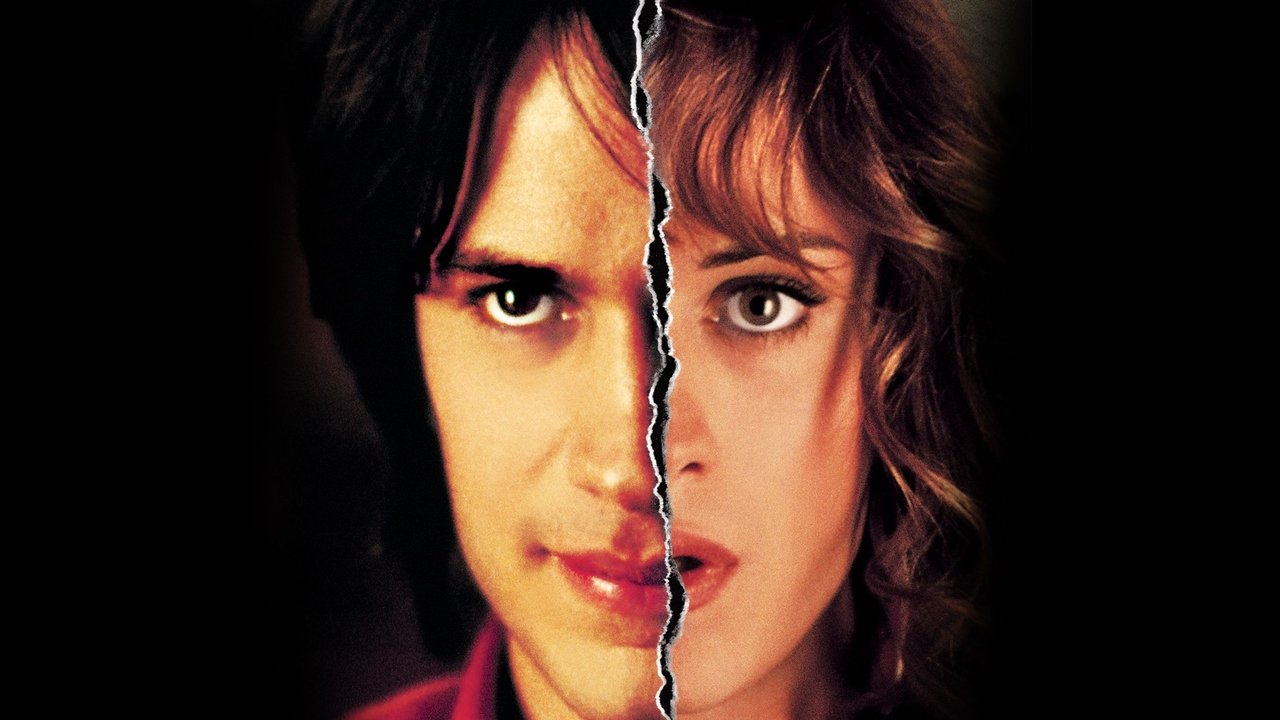
Bad Education (or La mala educación) isn't the Almodóvar that most people keep on their "comfort watch" shelf. It doesn’t have the kitschy, colorful warmth of Women on the Verge of a Nervous Breakdown or the heart-wrenching maternal soul of All About My Mother. Instead, it’s a jagged, cynical, and deeply intense dive into the ways trauma doesn't just hurt people—it turns them into storytellers, or worse, into liars. It’s a movie that treats the past not as a memory, but as a crime scene that’s been paved over and rebuilt three times.
The Hitchcock of Madrid
The plot functions like a set of Russian nesting dolls, each one uglier than the last. We start with Enrique, a successful filmmaker played by Fele Martínez (who also starred in Almodóvar's Talk to Her), who is visited by an old friend from his Catholic boarding school days. This "friend," Ignacio, claims to be the boy Enrique once loved, now an aspiring actor going by the name Ángel. He hands Enrique a script titled "The Visit," which dramatizes their childhood abuse at the hands of a priest.
What follows is a brilliant, dizzying narrative where the movie we are watching begins to film the movie within the script, starring a fictionalized version of the characters we’ve just met. It’s meta-fiction used as a weapon. Almodóvar has always been a student of Alfred Hitchcock, but here he leans into the Vertigo of it all—the obsession with identity and the feeling that you are falling in love with a ghost who is actually a con artist. Almodóvar’s men are ten times more interesting when they’re being terrible to each other than when they’re being sensitive, and this film is the ultimate proof of that.
The Bernal Chameleon
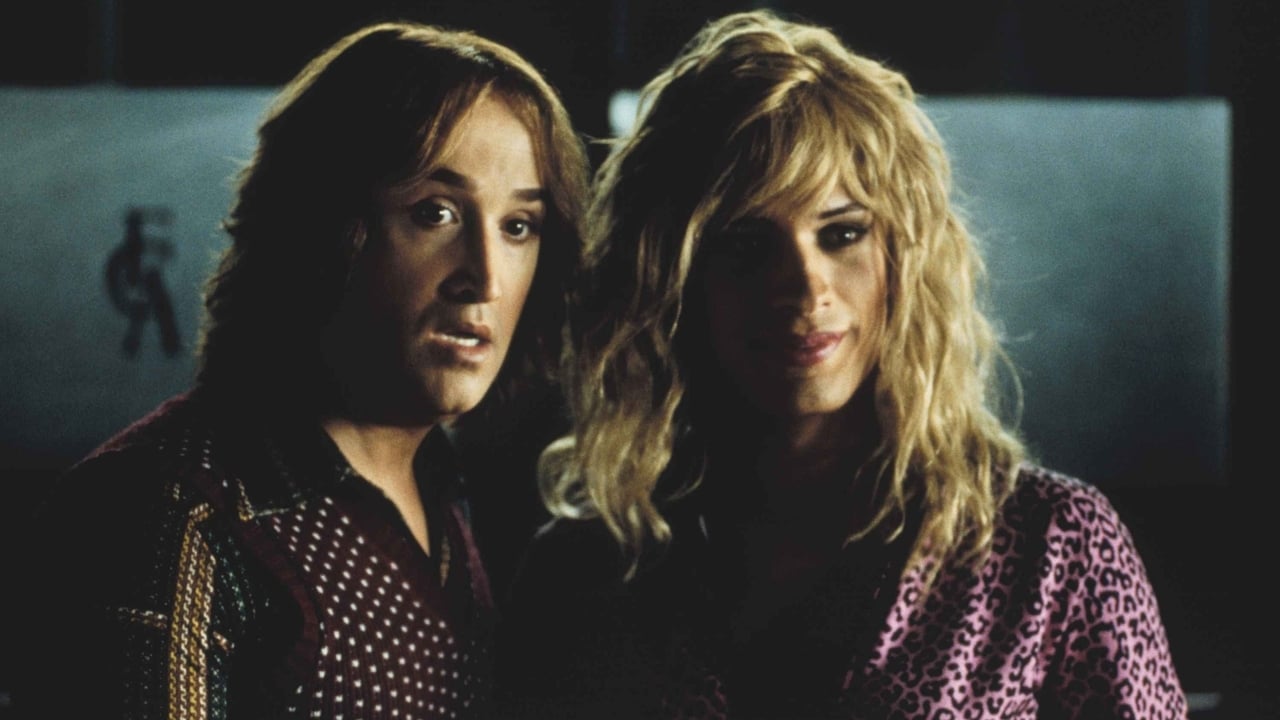
If there is a reason to seek this out today, it is the performance of Gael García Bernal. Fresh off the international success of Amores Perros and Y tu mamá también, Bernal was at the height of his "golden boy" powers, and he uses that charisma to play three versions of the same soul: the "real" Ángel, the fictional trans performer Zahara, and the younger version of himself. His Zahara is a showstopper, a noir femme fatale draped in sequins and revenge, but it’s the quiet, predatory stillness he brings to the "present day" scenes that really gets under your skin.
Gael García Bernal had to navigate a role that was physically and emotionally grueling, reportedly finding the drag sequences particularly taxing because they required a level of feminine physicality that felt alien to his then-rising-star persona. He doesn't play a caricature; he plays a man who has learned that his only power lies in his ability to be whatever the person in front of him wants to see. It’s a performance that feels like three distinct flavors of trouble, and it remains one of the most daring things a young leading man has ever done on camera.
A Masterpiece in the Shadows
Visually, the film is a knockout. José Luis Alcaine, the cinematographer who would later give Penélope Cruz her iconic look in Volver, uses colors that shouldn't feel threatening but do. The bright yellows of the Spanish sun and the deep reds of the theater curtains feel heavy, almost suffocating. This was the mid-2000s "DVD Culture" era, where you could buy a special edition and spend hours watching behind-the-scenes footage of Almodóvar obsessing over the specific shade of a shirt. That level of detail is everywhere; every frame feels like it was curated by someone who knows that the most beautiful things usually hide the most rot.
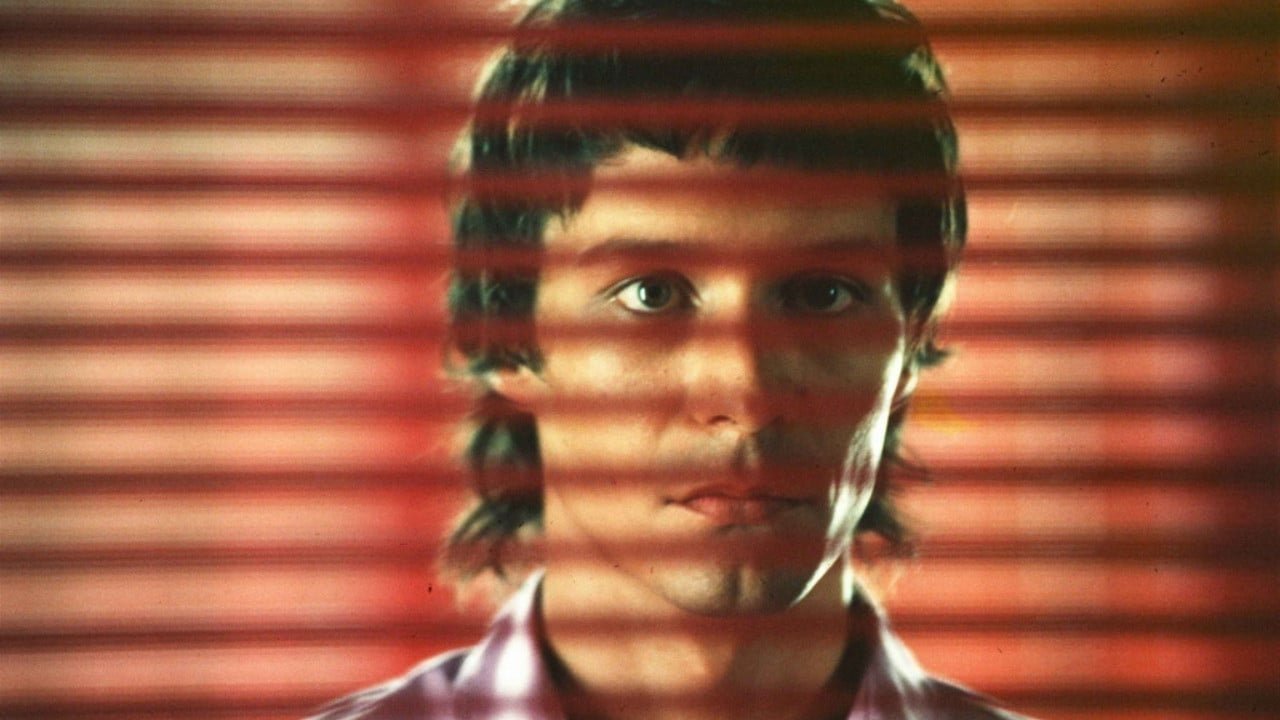
It’s worth noting that Bad Education was somewhat overlooked because it’s so much bleaker than Almodóvar's usual output. It’s a "black" Almodóvar film—one where the Church is a place of shadows and the childhood "romance" is a tragedy that never quite heals. While the box office was healthy, it lacks the populist affection given to his more "female-centric" dramas. It’s a prickly, difficult movie that refuses to give you a clean hero or a happy ending.
Apparently, Almodóvar spent over a decade writing and rewriting this script, and you can feel that weight. It’s not just a story; it’s a reckoning. If you’ve only seen his more vibrant, celebratory films, this is the essential counterpoint. It’s a reminder that beneath the pop-art surfaces of Spanish cinema, there are ghost stories that refuse to stay buried.
The final act of Bad Education doesn't explode; it curdles, leaving you with a lingering sense of unease that stays long after the credits roll. It’s a film about the cruelty of the creative process and the cost of survival in a world that breaks children before they can even speak their own names. You might not want to rewatch it immediately, but you’ll find yourself thinking about Bernal’s eyes in the mirror for weeks. It’s Almodóvar at his most ruthless, and honestly, he should get mean more often.

Keep Exploring...
-
Talk to Her
2002
-

Volver
2006
-
The Skin I Live In
2011
-
All About My Mother
1999
-
Arlington Road
1999
-

Dancer in the Dark
2000
-
The Man Who Wasn't There
2001
-
Infernal Affairs
2002
-
Capote
2005
-
The Protector
2005
-
Gridiron Gang
2006
-
Tell No One
2006
-
Undisputed II: Last Man Standing
2006
-

United 93
2006
-
Before the Devil Knows You're Dead
2007
-
Mesrine: Killer Instinct
2008
-
Mesrine: Public Enemy #1
2008
-

A Prophet
2009
-
Mother
2009
-
Boys Don't Cry
1999