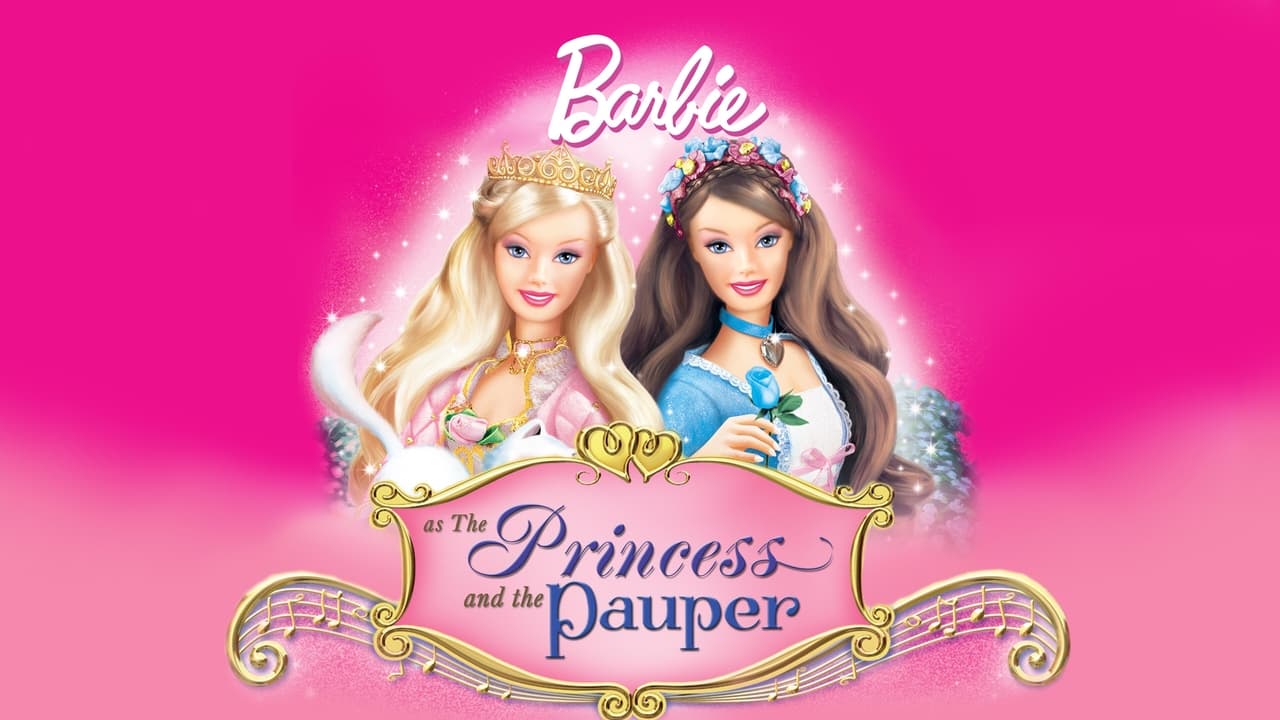
Barbie as The Princess & the Pauper
"A plastic masterpiece with a Broadway heart."

There was a specific kind of digital fever dream unique to the early 2000s, usually found in the "Direct-to-Video" bin between a VeggieTales VHS and a ninth Land Before Time sequel. While Pixar was busy revolutionizing hair physics in The Incredibles and DreamWorks was leaning into the cynical, pop-culture-heavy humor of Shrek, Mattel was quietly building a CG empire of its own. Barbie as The Princess & the Pauper arrived in 2004 not just as a toy commercial, but as a surprisingly sturdy piece of musical theater that captured the transition from the hand-drawn era to the wild, clunky frontier of 3D animation.
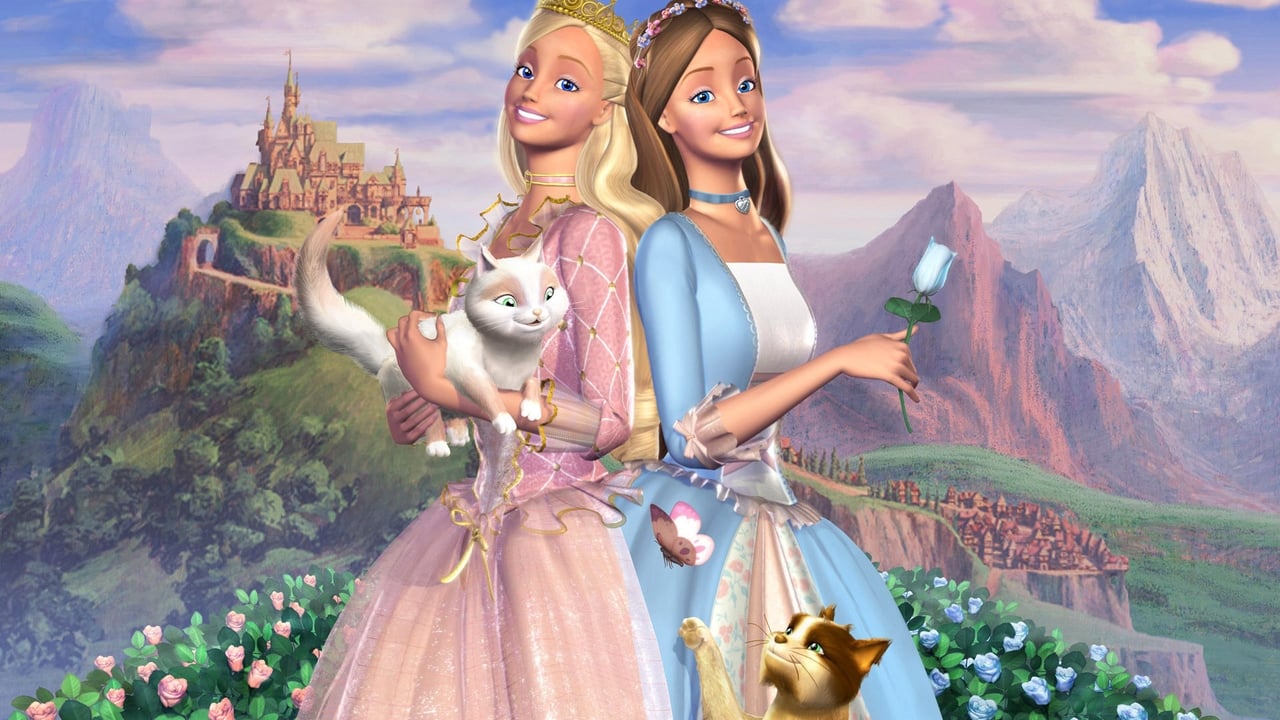
I watched this while drinking a lukewarm mug of Earl Grey that I’d forgotten to steep, which felt oddly appropriate for a film that is 40% saccharine sugar and 60% genuine earnestness. Looking back, it’s easy to poke fun at the aesthetic, but there is an undeniable craft here that demands a bit of retrospective respect.
The Plastic Transition: CGI in the Wild West
In 2004, the "CGI Revolution" was in full swing, but for studios like Mainframe Entertainment, the goal wasn't photo-realism—it was toy-realism. Director William Lau wasn't trying to emulate the gritty textures of the real world; he was translating the smooth, molded aesthetic of a Barbie doll into a digital space. The result is a film that looks like a high-end PlayStation 2 cutscene, with environments that feel more like playsets than actual kingdoms.
The lighting is flat, the physics are questionable, and the character movements have that distinct "floating" quality common before motion capture became the industry standard. Yet, this movie has better blocking and visual storytelling than half the "prestige" streaming shows I've suffered through recently. There’s a clarity to the staging that works. It understands it’s a stage play at heart. During the era when DVD culture was peaking, this was the kind of disc you’d find in a "Special Edition" with a glittery slipcover, and the digital clarity of the format made those early CG limitations pop in a way that feels incredibly nostalgic today. It’s a snapshot of a moment when we were all just figuring out how to make dolls walk in a three-dimensional plane.
Broadway on a Budget
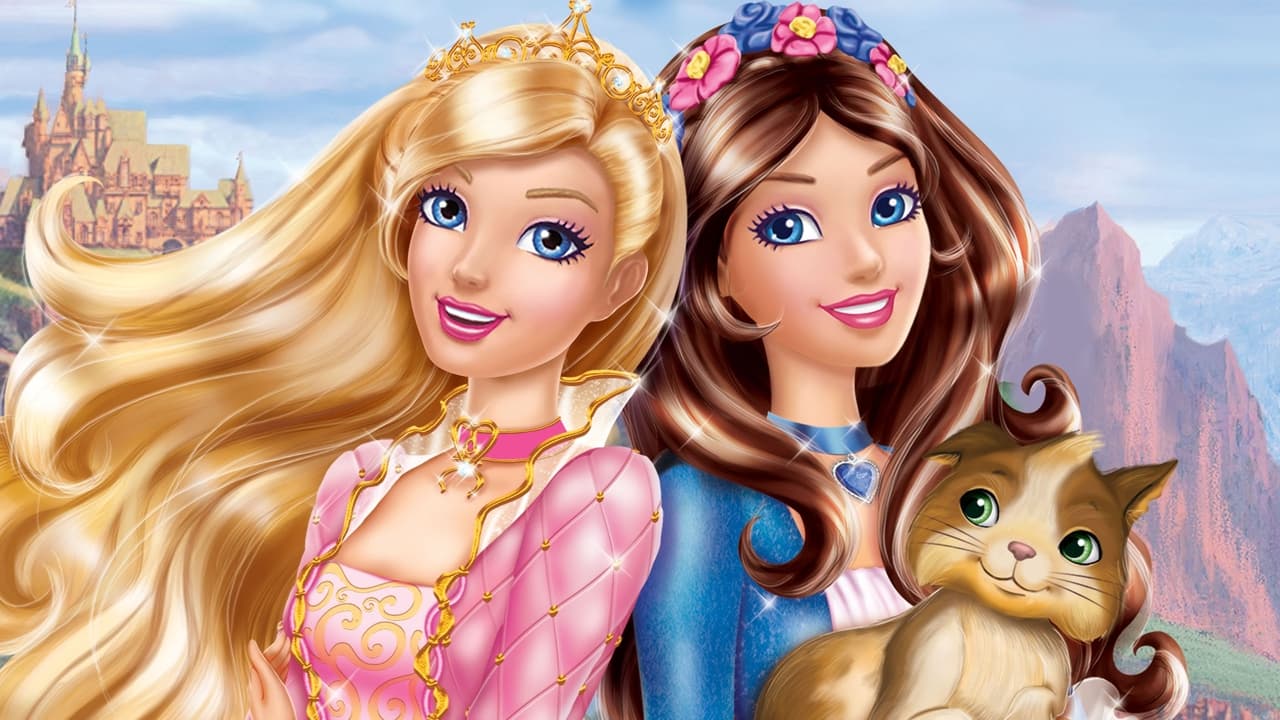
What truly separates The Princess & the Pauper from the bargain-bin dross of its era is the music. This was Barbie’s first outing as a full-blown musical, and the production didn't half-step. They brought in Arnie Roth for the score and crafted seven original songs that have no business being this catchy. The songwriting leans into a Broadway-lite style that feels inspired by the Alan Menken Disney era, utilizing the "I Want" song trope with surprising effectiveness.
Kelly Sheridan provides the speaking voice for both Princess Anneliese and the pauper Erika, grounding the dual roles with a warmth that has made her the definitive voice of the character for a generation. However, the real heavy lifting comes from the singing voices, Melissa Lyons and Julie Stevens. When they harmonize on the opening track "Free," it’s a legitimate musical moment. The script, written by Elana Lesser and Cliff Ruby, takes the bones of the Mark Twain classic and dresses them up in pink taffeta, but it never loses sight of the central theme: the desire for agency in a world that has already decided who you are. It’s basically Les Misérables if everyone had a better skincare routine and the barricades were made of silk ribbons.
The Villain We Didn't Deserve
Every great musical needs a scenery-chewing antagonist, and while the cast list provided often skips over the secondary players, the character of Preminger (voiced with manic energy by the legendary Martin Short, though uncredited in some early promotional materials) is the secret sauce. He is a masterclass in comedic villainy, delivering lines with a theatrical flair that elevates the film from a simple children’s story to a piece of camp excellence. Preminger is essentially a Shakespearean villain trapped in a movie designed to sell playsets, and he eats every pixel of the scenery.
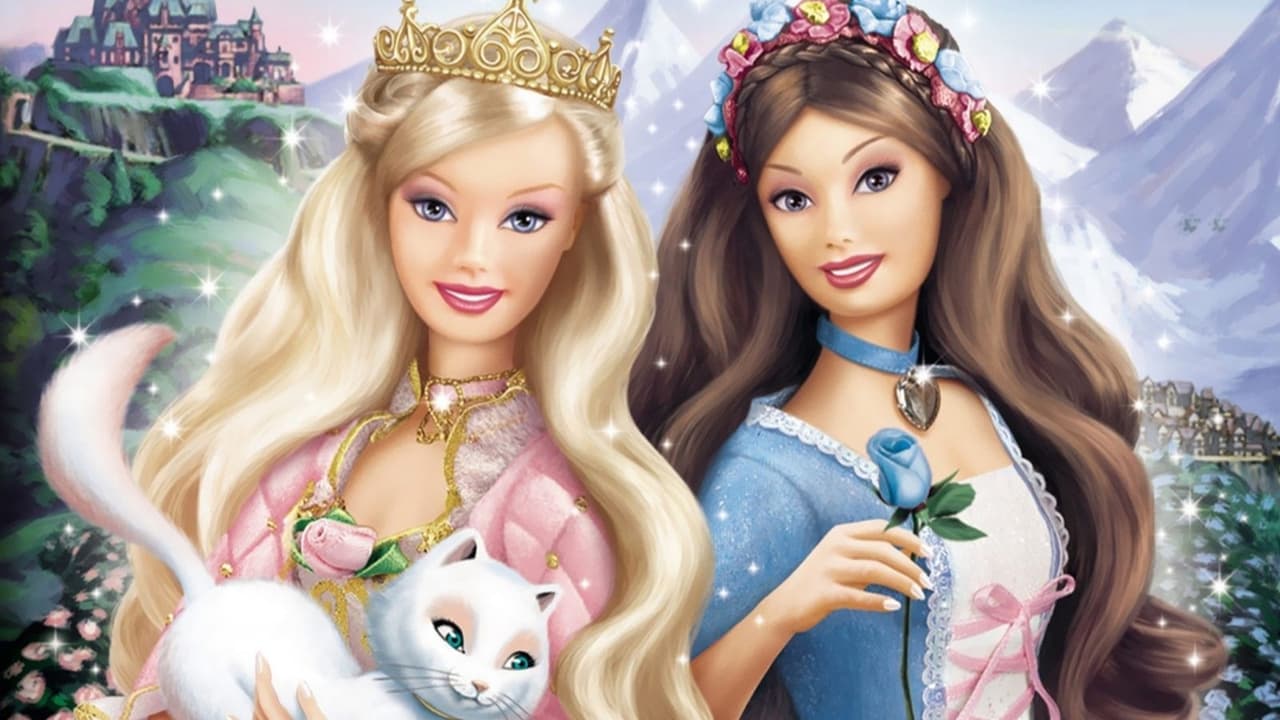
Supporting characters like Julian, voiced by Alessandro Juliani (who fans might recognize from Battlestar Galactica), and King Dominick (Mark Hildreth) provide the necessary romantic foils, but the film wisely keeps the focus on the bond between the two girls. This focus on female friendship over purely romantic resolution was somewhat progressive for the "Princess" subgenre in 2004. It’s a film that knows exactly what it is and plays to its strengths. It doesn't have the technical polish of Finding Nemo, but it has a soul that feels hand-crafted despite its digital origins.
The DVD menus might be dated and the cat sidekicks are clearly there to fill a plush-toy quota, but the core of this film is remarkably solid. It represents a specific peak in the "Direct-to-DVD" era where the ambition of the creative team clearly outpaced the technological tools available to them. It’s a charming, tuneful, and unironically fun piece of Modern Cinema history that reminds me why we shouldn't dismiss "toy movies" out of hand. If you can get past the 2004-era rendering, you'll find a musical that still hits all the right notes.
Keep Exploring...
-

Barbie of Swan Lake
2003
-

Barbie as Rapunzel
2002
-

Barbie in the 12 Dancing Princesses
2006
-

For the Birds
2000
-
Osmosis Jones
2001
-
The Triplets of Belleville
2003
-
Mickey, Donald, Goofy: The Three Musketeers
2004
-
Lilo & Stitch 2: Stitch Has a Glitch
2005
-
Presto
2008
-
Partly Cloudy
2009
-
Barbie in the Nutcracker
2001
-
Barbie and the Diamond Castle
2008
-
DuckTales: The Movie - Treasure of the Lost Lamp
1990
-

The Swan Princess
1994
-
A Goofy Movie
1995
-
A Close Shave
1996
-
Geri's Game
1997
-
Day & Night
2010
-
A Monster in Paris
2011
-
Winnie the Pooh
2011