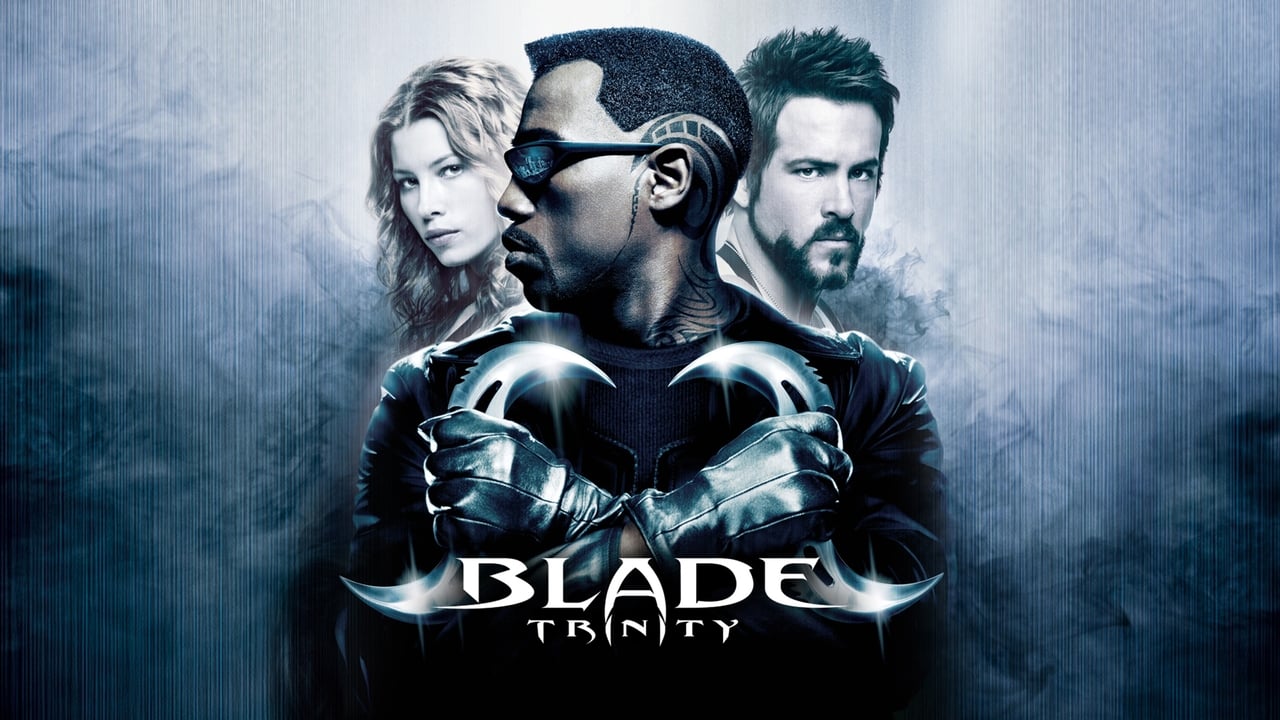
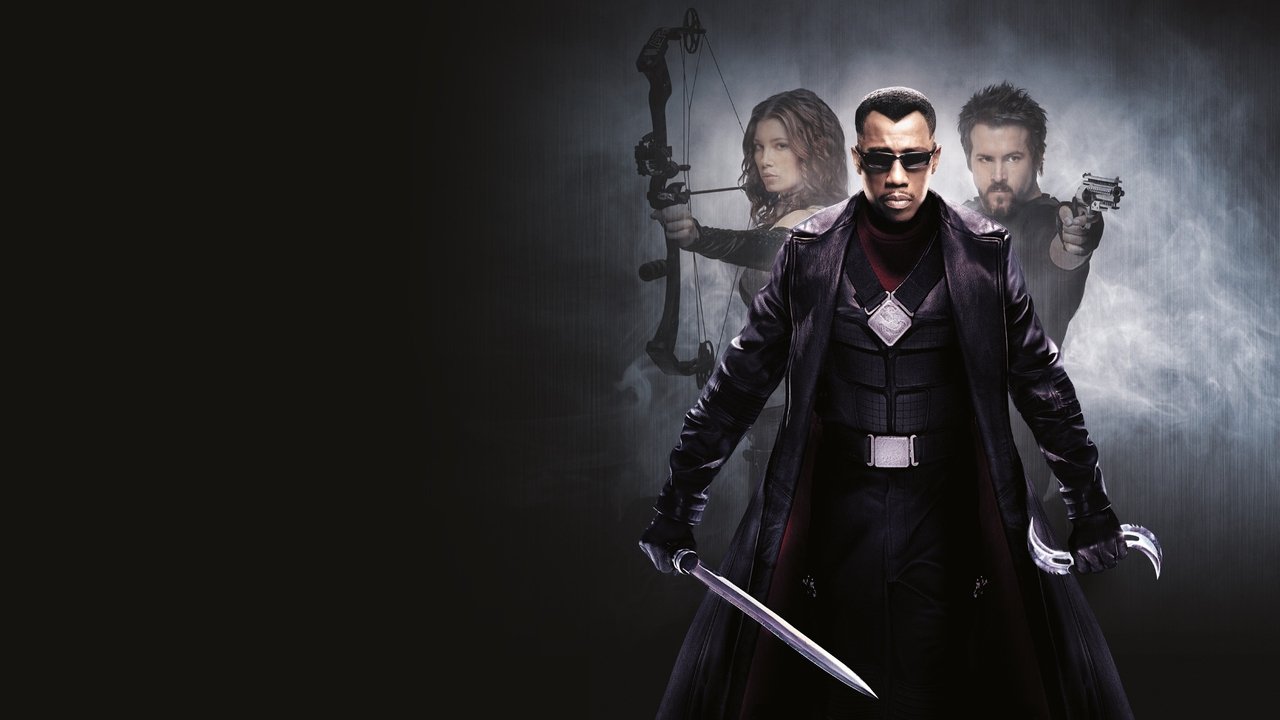
Blade: Trinity
"The Daywalker finally meets his match: Hollywood ego."
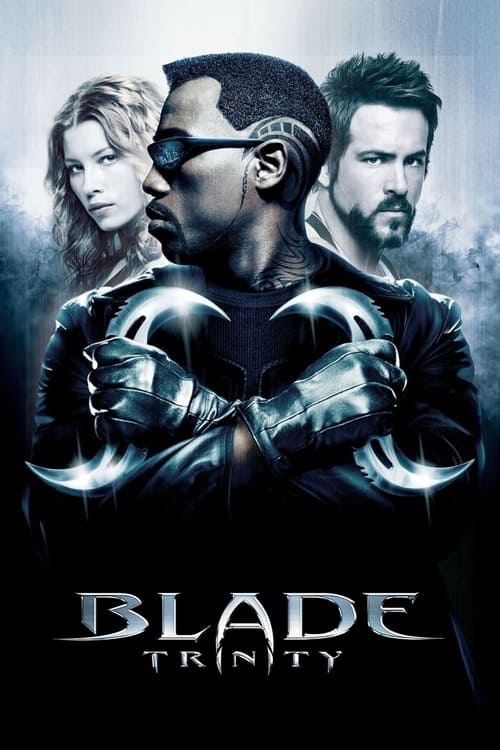
There is a legendary story about the production of Blade: Trinity that tells you everything you need to know about the film before you even press play. During a scene where Wesley Snipes was supposed to wake up in a morgue and open his eyes, he allegedly refused to do so because of his ongoing friction with director David S. Goyer. The solution? The production had to digitally paint open eyes onto his closed eyelids in post-production. It is one of the most unintentionally hilarious and hauntingly uncanny images in 2000s cinema, and it serves as a perfect metaphor for the movie: a production struggling to keep its eyes open while the world around it changes.
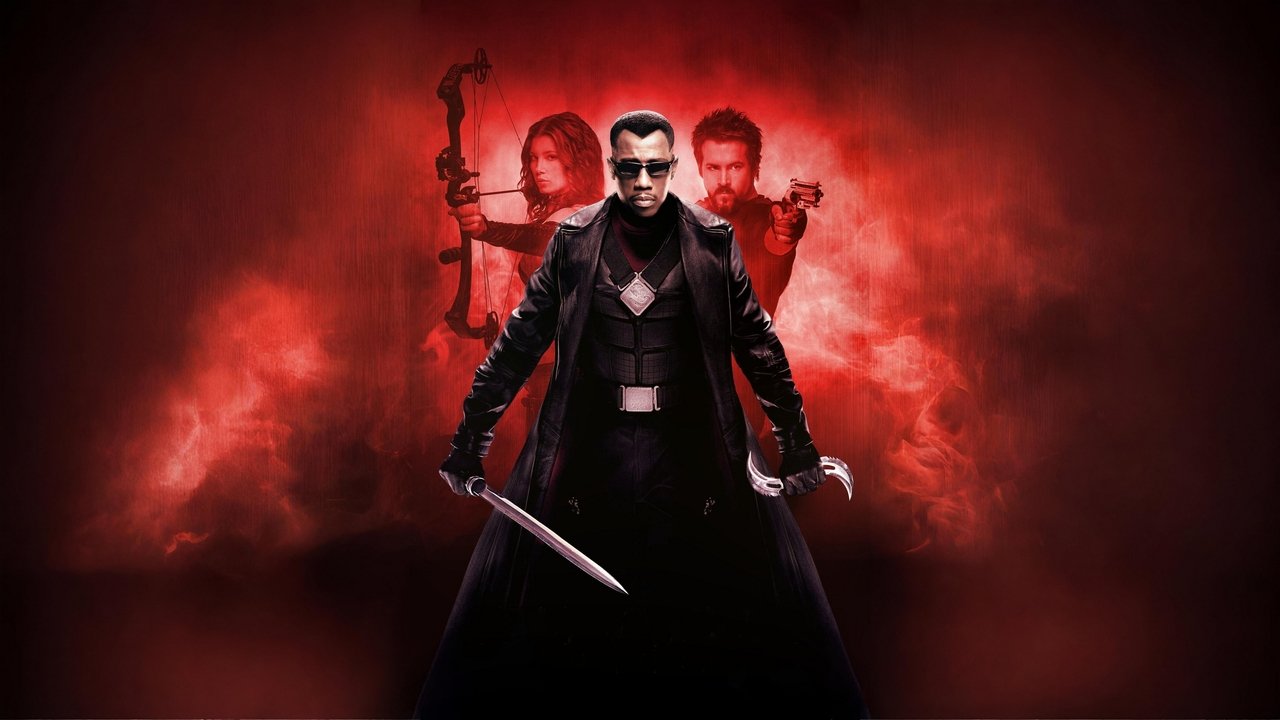
I revisited this one on a Tuesday afternoon while my neighbor was loudly power-washing his driveway, and honestly, the aggressive, industrial drone from outside felt like a natural extension of the movie’s "nu-metal" aesthetic.
A Franchise in Transition
By 2004, the cinematic landscape was shifting. The gritty, leather-clad "techno-goth" vibe that the original Blade (1998) helped pioneer was starting to feel its age. We were moving away from the practical, rain-slicked streets of the 90s toward the slicker, brighter, and more CGI-heavy world of modern franchises. You can see David S. Goyer—who wrote the previous two entries—struggling to bridge that gap as a first-time director here.
While Guillermo del Toro turned Blade II into a masterpiece of creature design and atmospheric dread, Trinity feels like it was filmed in the world’s most expensive Apple Store. The shadows are gone, replaced by high-key lighting and a sterile, digital sheen. It’s a movie that desperately wants to be a "franchise starter" for a younger generation, introducing a team of human hunters called the Nightstalkers to shoulder some of the narrative load.
The Reynolds Revolution and the iPod Action
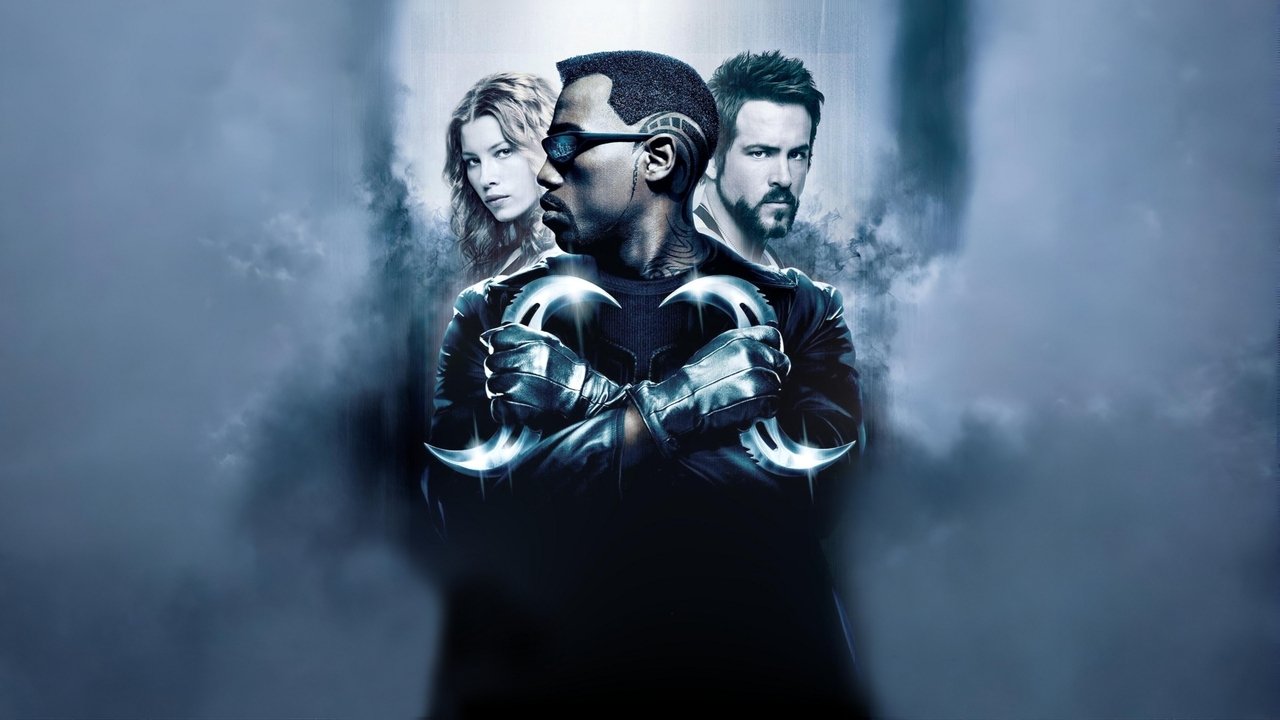
The biggest shift in Trinity isn't the lighting, though—it’s the tone. This movie marks the literal birth of the "Ryan Reynolds" persona. As Hannibal King, Ryan Reynolds isn't just a vampire hunter; he’s a fountain of snarky meta-commentary. He is essentially playing a version of Van Wilder who happens to possess a six-pack and a deep-seated hatred for the undead. While his ad-libs provide most of the film's genuine entertainment, they clash violently with the stone-faced, brooding intensity that Wesley Snipes brought to the character for six years.
Then there’s Jessica Biel as Abigail Whistler. In a moment that screams 2004, she prepares for a massive vampire raid by specifically picking out a playlist on her third-generation iPod. It’s a peak "DVD Culture" moment—the kind of slick, music-video-inspired sequence designed to sell soundtracks. The action itself is competent, but it lacks the weight of the earlier films. Everything feels a bit more "floaty," a symptom of the era's growing reliance on digital wirework and early-2000s CGI that, looking back, looks less like a movie and more like a high-end PlayStation 2 cutscene.
Dracula in a Tracksuit
The horror elements of Blade: Trinity are where the film truly stumbles. The primary antagonist is Drake, a modernized version of Dracula played by Dominic Purcell. In a genre defined by presence and menace, this version of the legendary vampire feels like a guy who owns a mid-tier nightclub in Las Vegas. He spends a significant portion of his screen time walking through the city in an open shirt, looking more like a fashion model than an ancient primordial threat.
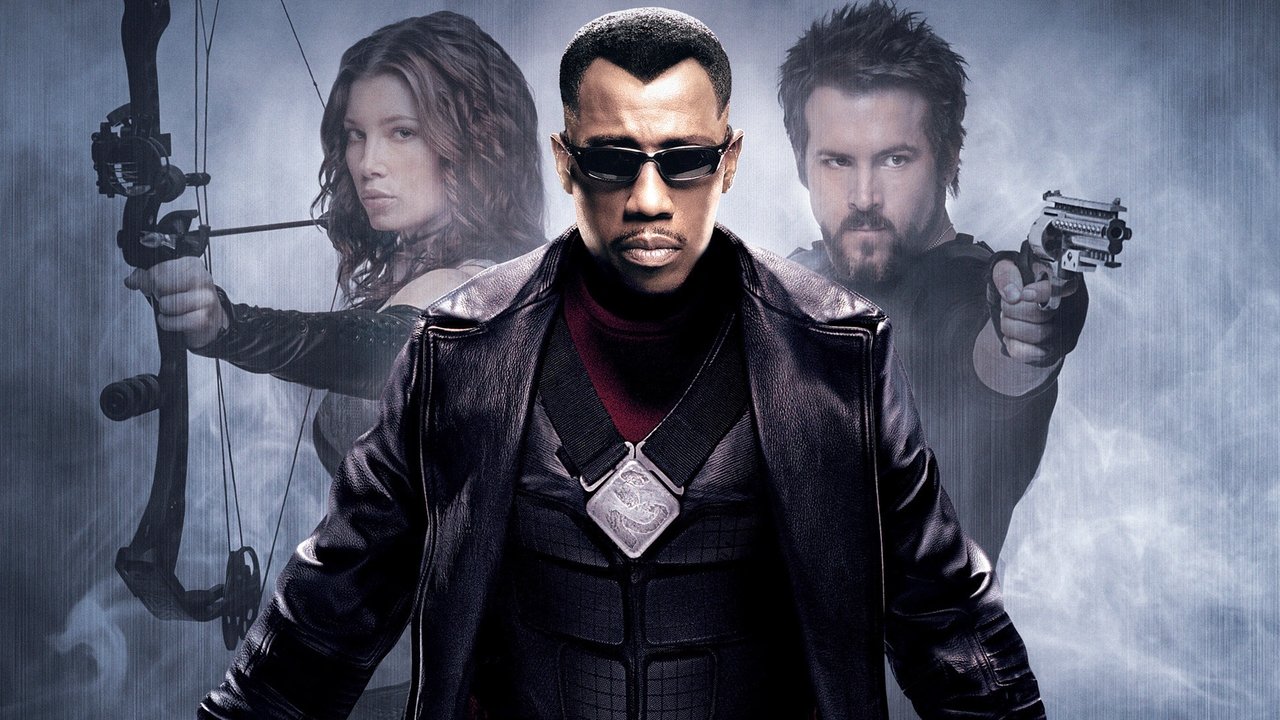
The only person having more fun than Ryan Reynolds is Parker Posey as the vampire leader Danica Talos. She leans into the camp with a snarling, theatrical performance that suggests she’s the only one who realized they were making a B-movie. When the film tries to lean into "body horror" with Drake’s final monster form, the CGI is so rubbery and dated that it drains the scene of any actual tension. It’s a far cry from the terrifying, jaw-splitting "Reapers" of the previous film.
Yet, despite the chaos—or perhaps because of it—Blade: Trinity has earned a weirdly enduring cult status. It’s a fascinating time capsule of the moment when comic book movies were trying to figure out what they were supposed to be before the MCU provided a standardized map. It’s a messy, loud, ego-driven spectacle that remains watchable purely because you can feel the production coming apart at the seams in every frame.
Ultimately, Blade: Trinity isn't the "final hunt" the tagline promised, but rather a loud, neon-soaked exit for a character who deserved a more focused goodbye. It's a movie that works best as a collection of behind-the-scenes trivia and Ryan Reynolds quips rather than a cohesive horror-action film. If you're looking for the moody atmosphere of the original, you won't find it here, but if you want to see Parker Posey chew the scenery while a CGI-eyelidded Wesley Snipes stares into the middle distance, it's a hell of a ride. Just make sure your iPod is fully charged before you start.
Keep Exploring...
-

Blade II
2002
-
Blade
1998
-
AVP: Alien vs. Predator
2004
-
Resident Evil: Apocalypse
2004
-
Alien Resurrection
1997
-
Superman Returns
2006
-
Next
2007
-

X-Men Origins: Wolverine
2009
-
Deep Blue Sea
1999
-

Resident Evil
2002
-
Resident Evil: Extinction
2007
-
Carriers
2009
-
Pandorum
2009
-
Hollow Man
2000
-
The 6th Day
2000
-
Evolution
2001
-
The Time Machine
2002
-
The Tuxedo
2002
-
Hulk
2003
-
The Matrix Revolutions
2003