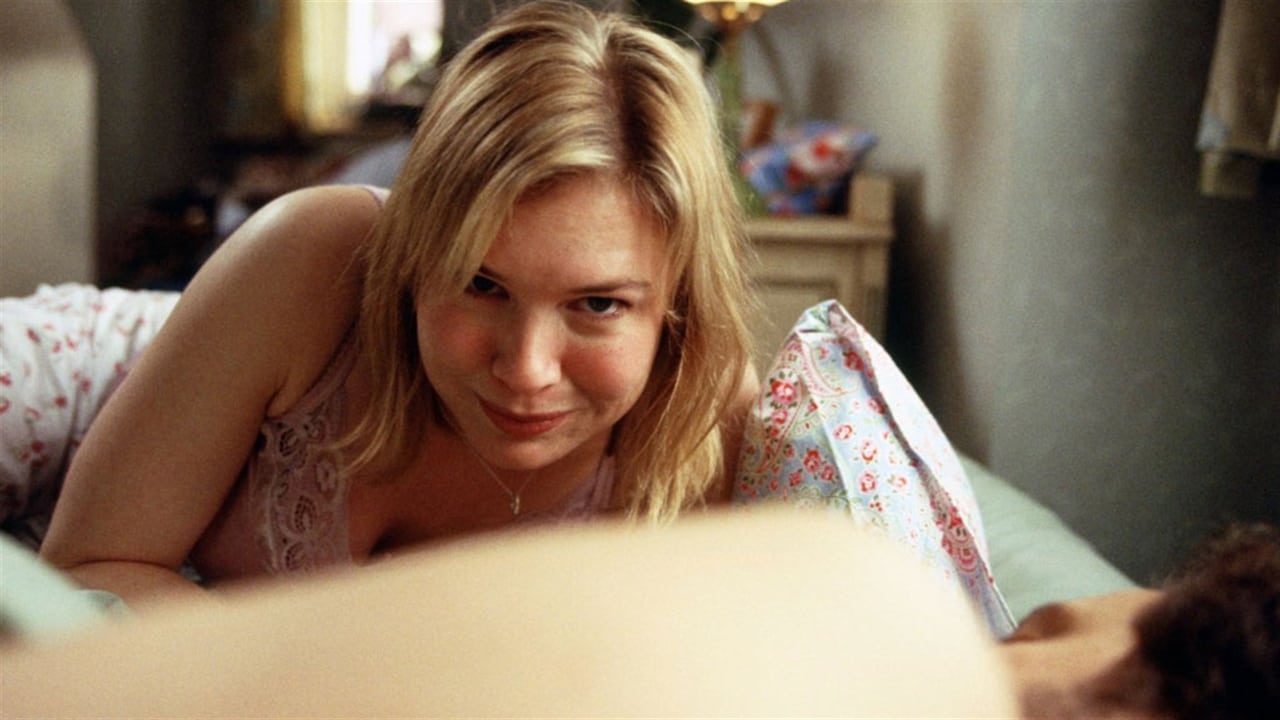
Bridget Jones: The Edge of Reason
"More Chardonnay, more chaos, and the ultimate sweater-vest."
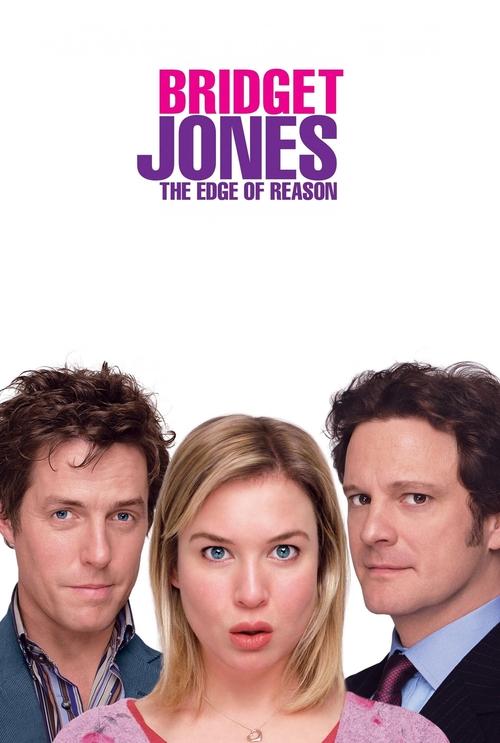
I remember watching this on a scratched DVD while eating a bag of slightly stale salt-and-vinegar chips, and honestly, the crunch of the chips was the perfect percussion for the chaotic energy on screen. In 2004, you couldn't escape Bridget. She was everywhere—on bus stop posters, in every tabloid, and definitely in the "Recently Watched" pile of every household in the UK and beyond. Looking back at Bridget Jones: The Edge of Reason, it’s a fascinating time capsule of the era when the romantic comedy wasn't just a genre; it was a billion-dollar industrial complex.

The first film, Bridget Jones’s Diary (2001), was a lightning-in-a-bottle moment. It captured the "singleton" anxiety of the turn of the millennium with a sharp, Pride & Prejudice-inspired wit. By the time the sequel arrived, the pressure was on to go bigger, wider, and more global. This meant trading the cozy, snow-dusted streets of London for the high-definition turquoise waters of Thailand and a plot that feels less like a diary entry and more like a series of increasingly frantic "What If?" scenarios.
The Second-Date Slump
We pick up just six weeks into Bridget’s "happily ever after" with the human radiator himself, Mark Darcy. Renée Zellweger returns with that same endearing, slightly breathless delivery that earned her an Oscar nod the first time around. It’s easy to forget now, but Zellweger’s physical transformation for the role was a massive cultural obsession in the early 2000s—the kind of "how many donuts did she eat?" scrutiny that feels incredibly dated and slightly icky by today’s standards.
What holds up, though, is her sheer comedic commitment. Whether she’s skydiving into a pig pen or hallucinating on magic mushrooms in a Thai jail, Zellweger never winks at the camera. She plays the humiliation straight. The conflict this time stems from Bridget’s deep-seated insecurity, fueled by the arrival of Mark’s colleague, Rebecca (Jacinda Barrett), who is "jelly-legged" and seemingly perfect. It’s a bit of a retread, sure, but the chemistry between the leads keeps it afloat. Colin Firth, playing Mark Darcy, has mastered the art of looking like he’s perpetually smelling something slightly unpleasant while actually being deeply in love. He is the ultimate "straight man" to Bridget’s human hurricane.
A Very British Brawl
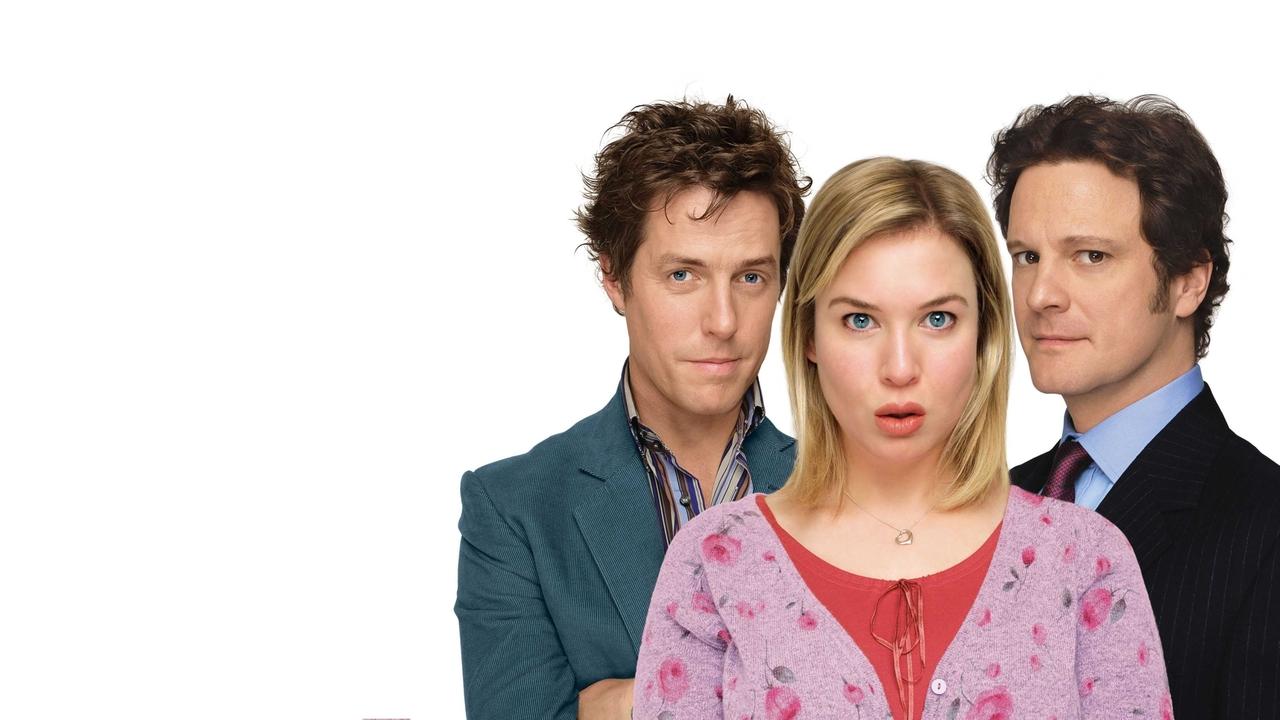
Then there’s Hugh Grant as Daniel Cleaver. If the first movie was about Bridget choosing the right guy, this one is about her realizing why she left the wrong one behind. Grant is clearly having the time of his life playing the disreputable cad. He’s the personification of the "Miramax Era" indie-turned-mainstream star—charming, cynical, and perfectly coiffed.
One of the film’s highlights—and a total 2000s comedy staple—is the rematch fight between Mark and Daniel. Unlike the polished, choreographed fights of the burgeoning MCU or the Bourne movies of that same era, this is a glorious, uncoordinated mess. Apparently, the actors were told to just "fight like two guys who have never had a fight in their lives." They ended up brawling in a Kensington garden fountain, and it took two full days of filming in the freezing cold to get it right. It’s low-stakes, high-embarrassment slapstick at its finest. It perfectly captures that specific brand of British awkwardness that Richard Curtis (who co-wrote the screenplay) has built a career on.
The Era of the "Special Edition" DVD
Looking back at The Edge of Reason, you can practically smell the "2-Disc Special Edition" plastic. This was the peak of DVD culture, where the movie was only half the product. I remember spending hours scrolling through the deleted scenes and commentary tracks by director Beeban Kidron (who took over from Sharon Maguire). The industry was leaning into these supplements to justify the $40 million budget, and the film feels designed for that format—it’s episodic, punchy, and filled with "did you see that?" cameos.
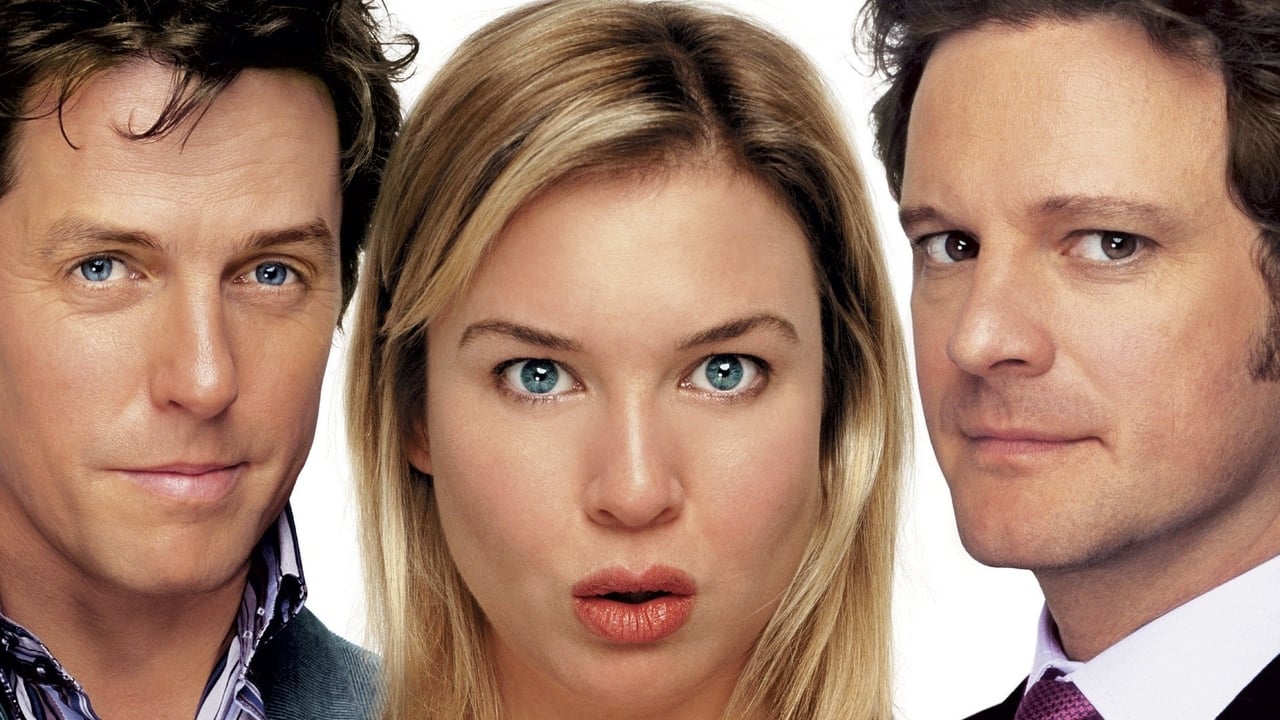
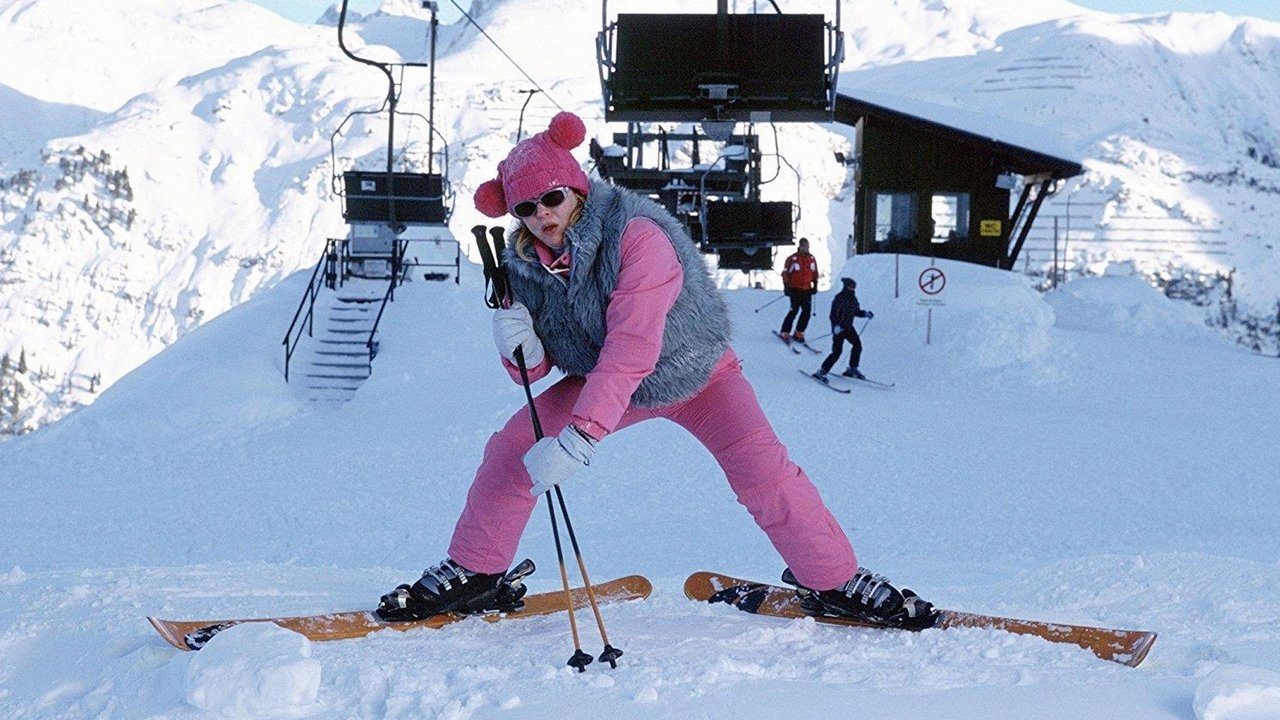
However, the film hasn't aged perfectly. The Thailand sequence, in particular, feels like a strange detour into a different movie entirely. The plot turns Bridget’s incarceration into a musical number with "Like a Virgin," which is a choice that sits somewhere between surreal and "wait, what?" While it was a massive commercial hit, grossing over $265 million worldwide, you can see the seams of the "franchise formula" starting to show. It’s trying very hard to give the audience exactly what they liked the first time, sometimes at the expense of the character's growth.
Ultimately, The Edge of Reason is the cinematic equivalent of a second glass of Chardonnay—it’s not as refreshing as the first, and it might give you a slight headache if you think about it too hard, but it’s still a good time. It’s a glossy, big-budget remnant of a time when the world just wanted to see a relatable woman in big pants find her way through life. It’s not the masterpiece the first one was, but as a nostalgic trip back to the mid-2000s, it’s a trip worth taking. Just maybe skip the mushrooms.
Keep Exploring...
-

Bridget Jones's Diary
2001
-

Bridget Jones's Baby
2016
-

Love Actually
2003
-

Notting Hill
1999
-
Music and Lyrics
2007
-
Four Weddings and a Funeral
1994
-
Two Weeks Notice
2002
-

Mamma Mia!
2008
-
American Pie
1999
-

She's All That
1999
-
Chocolat
2000
-
American Pie 2
2001
-

Legally Blonde
2001
-

Shallow Hal
2001
-
The Princess Diaries
2001
-
About a Boy
2002
-
My Big Fat Greek Wedding
2002
-
Sweet Home Alabama
2002
-
Freaky Friday
2003
-
Just Married
2003