Closer
"Honesty is the most dangerous weapon."
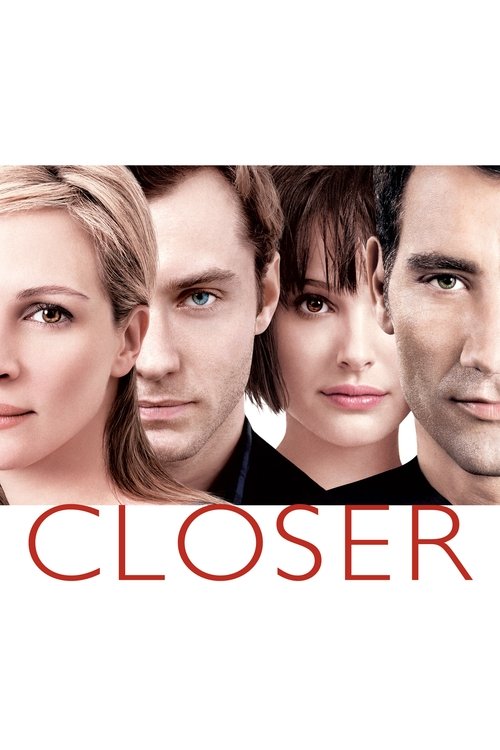
I remember watching Closer for the first time on a portable DVD player during a cross-country flight, sitting next to a woman who was earnestly reading a book titled The 5 Languages of Love. I felt like a total deviant. Every time Clive Owen barked another profanity-laced interrogation at Julia Roberts, I’d instinctively tilt the screen away, worried that the sheer toxic radiation of the film might melt my neighbor’s optimism.
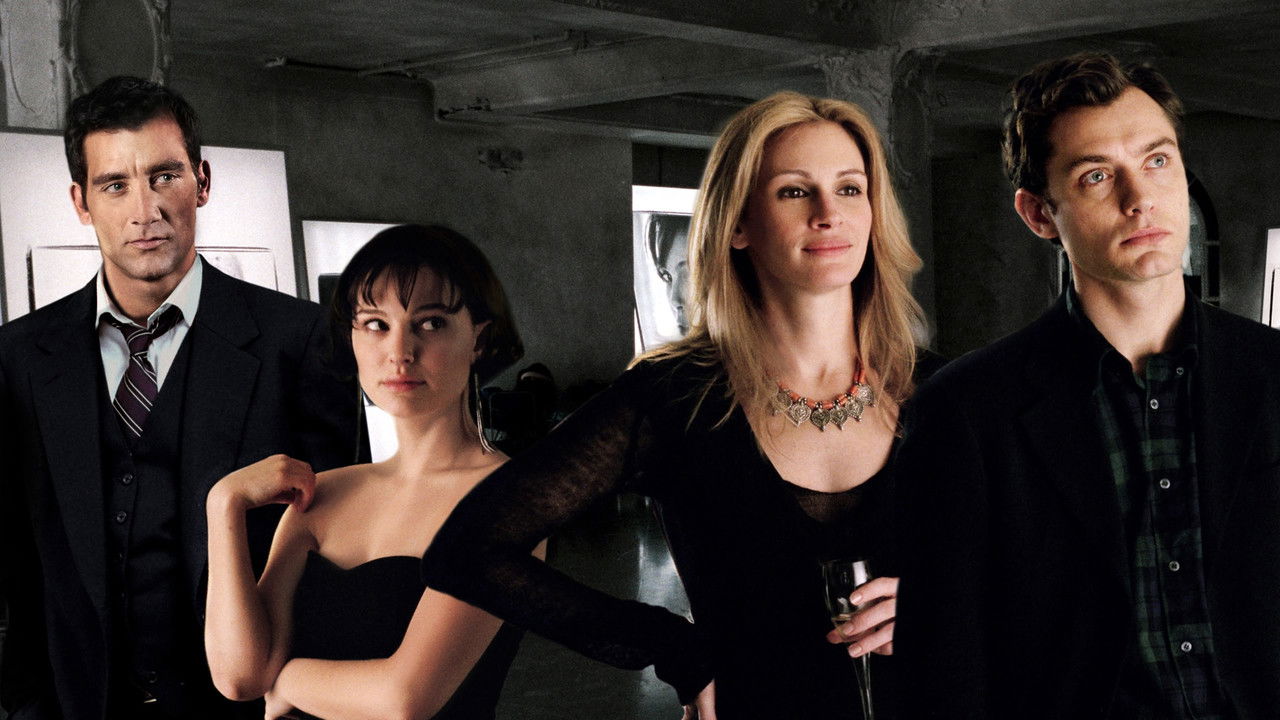
That’s the thing about Mike Nichols’ 2004 hit: it isn’t a "romance" in any traditional sense. It’s a forensic autopsy of a four-way car crash. Based on Patrick Marber’s stage play, the film arrived at a time when Hollywood still believed you could throw four of the most beautiful people on the planet into a room, have them say unspeakable things to one another, and mint money at the box office. And it worked. With a $27 million budget, it pulled in over $115 million worldwide—a feat that feels impossible in today’s franchise-saturated climate where adult dramas are usually relegated to a quiet Tuesday premiere on a streaming app.
The Art of Verbal Ballistics
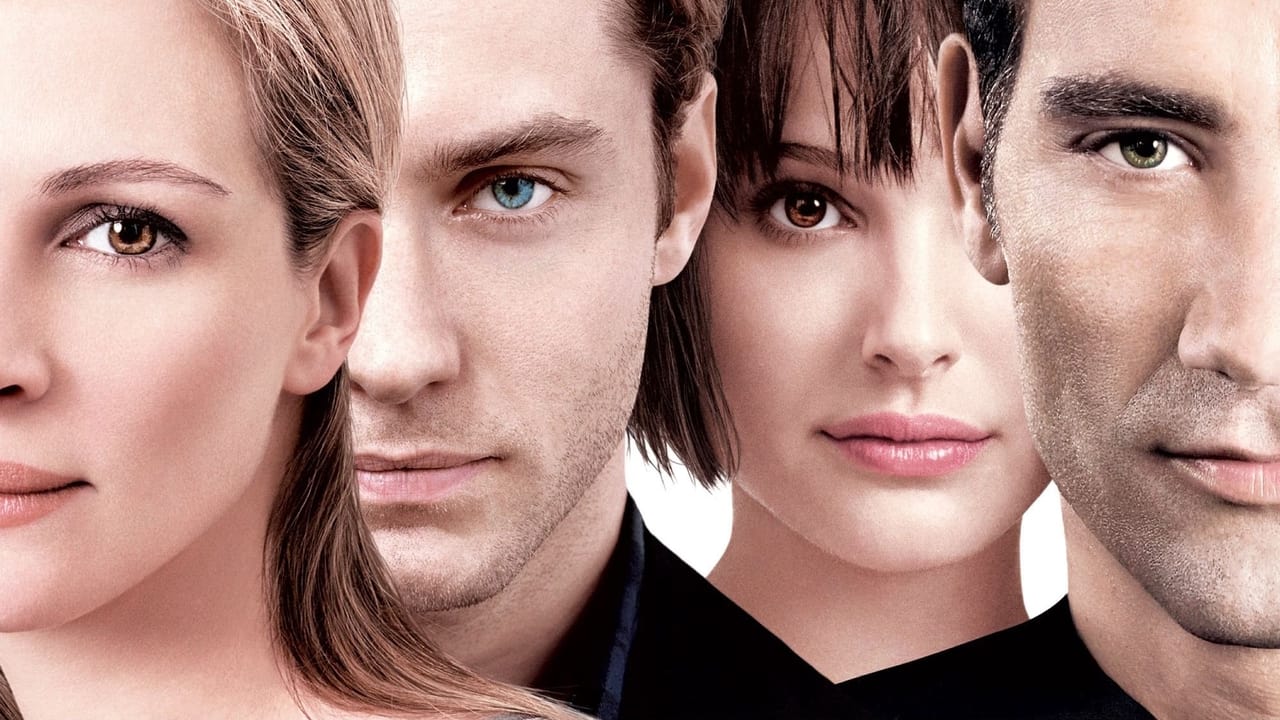
The plot is a revolving door of betrayal. Jude Law plays Dan, a "cut-and-paste" obituary writer who falls for Natalie Portman’s Alice, a stripper with a mysterious past. Then Dan meets Julia Roberts’ Anna, a photographer, and decides he wants her too. Enter Clive Owen as Larry, a dermatologist who gets caught in the middle of their selfish tug-of-war.
What makes Closer so addictive isn't the "who-will-they-choose" tension; it’s the dialogue. Marber’s script doesn’t feature conversations; it features ballistics. The characters use "the truth" like a blunt instrument to punish one another. There is a specific cruelty to the way they demand every gory detail of an affair, only to collapse once they hear it. Jude Law is essentially playing a professional wet blanket, a man so indecisive and fragile that you find yourself rooting for the more overtly aggressive Larry just because he’s honest about being a pig.
Looking back, the internet chat room scene—where Dan pretends to be Anna to prank Larry—is a fascinating time capsule. It captures that early-2000s tech anxiety, where the anonymity of a screen allowed for a specific kind of digital masquerade. Watching Clive Owen’s face light up with grotesque excitement as he types in all caps is a reminder of how pre-social media internet felt like a lawless frontier for the lonely and the perverted.
A Masterclass in Playing Against Type
Director Mike Nichols, the man who gave us The Graduate (1967) and Who's Afraid of Virginia Woolf? (1966), was the perfect choice for this. He had a career-long obsession with the ways men and women fail each other, and he lets the camera linger just a beat too long on the actors' faces after they’ve said something unforgivable.
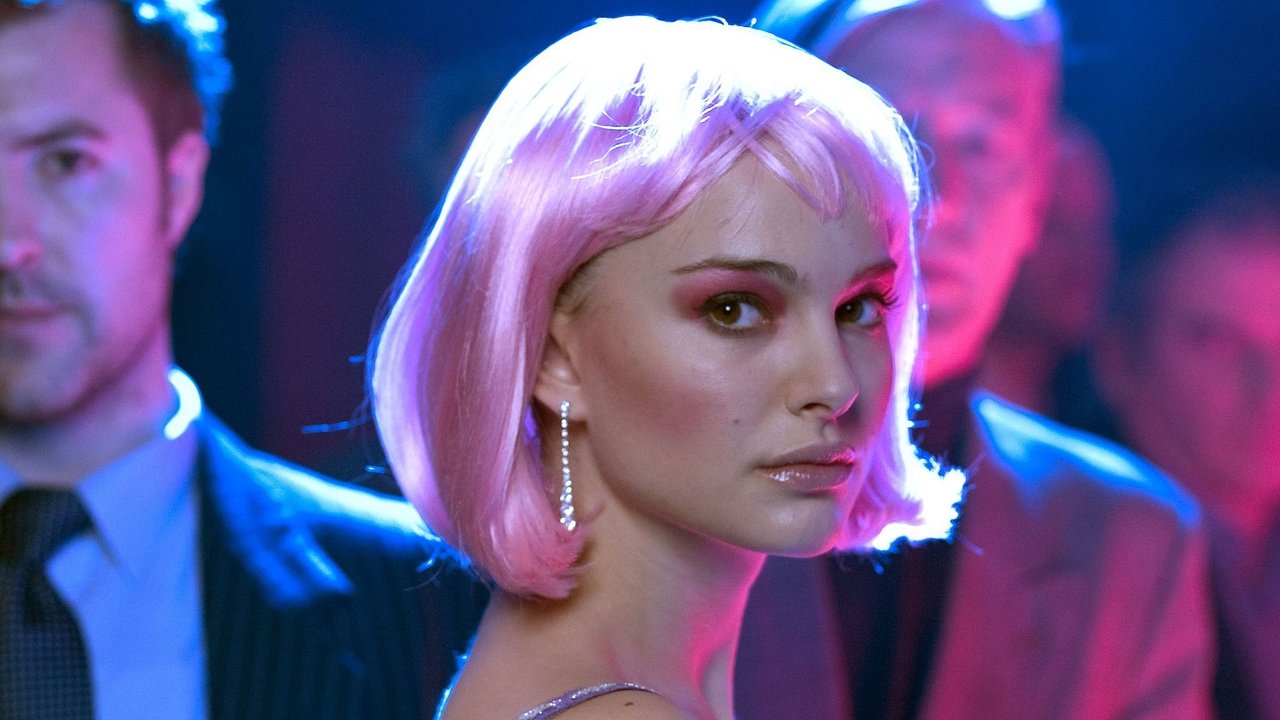
The performances are what keep this from feeling like a hollow exercise in cynicism. Natalie Portman earned her first Oscar nomination here, and deservedly so. She manages to be the film's soul while remaining an enigma; her "Alice" is the only one who understands that love is a game of privacy, not total disclosure. On the flip side, Clive Owen—who actually played the "Dan" role in the original London stage production—is an absolute wrecking ball as Larry. He’s the only one in the quartet who feels like a physical threat, turning a "talky" movie into something that feels dangerous. Julia Roberts, meanwhile, takes her "America's Sweetheart" persona and douses it in cold, grey exhaustion. It’s the most unglamorous she’s ever been, and it might be her best work.
The 2004 Time Capsule
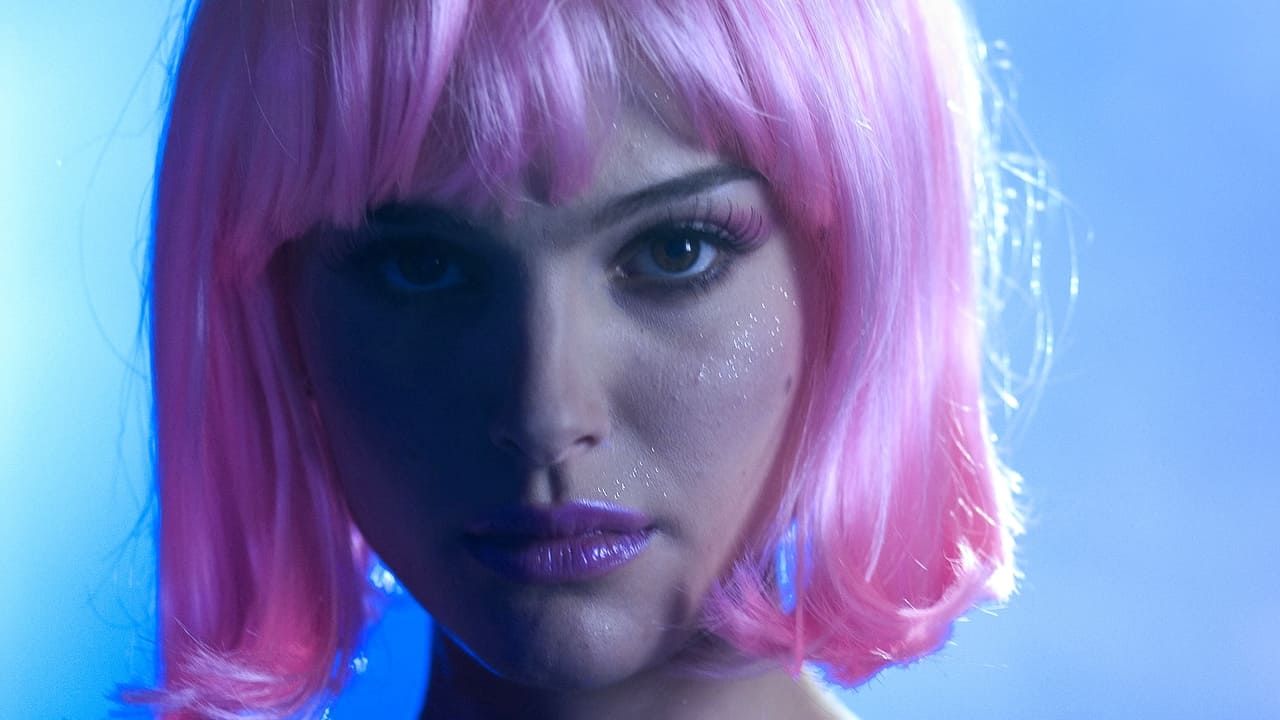
Closer feels like one of the last great artifacts of the "DVD Era" film literacy. I remember the special features on the disc being obsessed with the "theatricality" of the piece, and it shows. The film largely ignores the outside world, focusing instead on sterile London galleries, cold apartments, and that iconic "Postman's Park" where the story begins and ends.
It also gave us the ultimate "sad girl" anthem in Damien Rice’s "The Blower's Daughter." If you were alive and breathing in 2004, you couldn't escape those breathy cello notes. It’s a song that perfectly mirrors the film: beautiful, repetitive, and deeply obsessed with its own heartbreak.
Apparently, the production was so intense that Natalie Portman reportedly gave Mike Nichols a necklace at the end of filming engraved with a quote from the movie: "He's a ghost." It’s a fittingly dramatic gesture for a movie that treats every breakup like a Shakespearean tragedy. While it might lack the CGI spectacle of its 2004 contemporary Spider-Man 2, the technical precision here is in the editing—the way months or years pass in the space of a single cut, leaving the audience to piece together the wreckage of the intervening time.
Ultimately, Closer is a film for anyone who has ever been cheated on, or has done the cheating, or has simply wondered why we feel the need to destroy the things we love. It’s a brutal, beautifully shot, and incredibly well-acted drama that refuses to offer a happy ending. It’s the kind of movie that makes you want to go home and apologize to your partner for things you haven't even done yet. Watch it for the performances, stay for the dialogue, and maybe keep a copy of The 5 Languages of Love nearby just to balance out the mood.

Keep Exploring...
-
Wolf
1994
-

Charlie Wilson's War
2007
-
Working Girl
1988
-
Chocolat
2000
-
Save the Last Dance
2001
-
Shallow Hal
2001
-
About a Boy
2002
-
Sideways
2004
-
The Princess Diaries 2: Royal Engagement
2004
-
Brokeback Mountain
2005
-
Walk the Line
2005
-
Step Up
2006
-
Juno
2007
-
Knocked Up
2007
-

P.S. I Love You
2007
-

Forgetting Sarah Marshall
2008
-

High School Musical 3: Senior Year
2008
-
Step Up 2: The Streets
2008
-
The Reader
2008
-
Twilight
2008