Coffee and Cigarettes
"High caffeine, low stakes, and gloriously awkward silences."

There is a specific kind of jittery, high-fructose anxiety that only comes from drinking too much espresso while pretending you’re having a deep conversation. You know the feeling—your heart is racing at 110 beats per minute, you’ve run out of interesting things to say, and you’re just staring at the pattern of the formica tabletop while wishing you had another cigarette to occupy your hands. I watched this for the first time in a dorm room that smelled faintly of damp laundry and burnt toast, which is arguably the only correct way to consume a Jim Jarmusch film.
Coffee and Cigarettes isn't a "movie" in the traditional sense of having a beginning, middle, or an explosion at the end. It’s a collection of eleven short stories, filmed over the course of nearly 20 years, featuring icons of the indie world sitting around, getting caffeinated, and failing to communicate. It’s a film that shouldn’t work—it’s basically a high-budget TikTok for people who think they’re too smart for TikTok—but in the hands of Jarmusch, it becomes a fascinating time capsule of "cool."
The Art of the Awkward Pause
Back in the early 2000s, this was the kind of movie you’d find in the "Director’s Spotlight" section of a local video store, probably right next to Ghost Dog: The Way of the Samurai (1999). It arrived just as the indie film explosion of the 90s was cooling off, offering a black-and-white reminder that you didn't need CGI or a $100 million budget to capture something human.
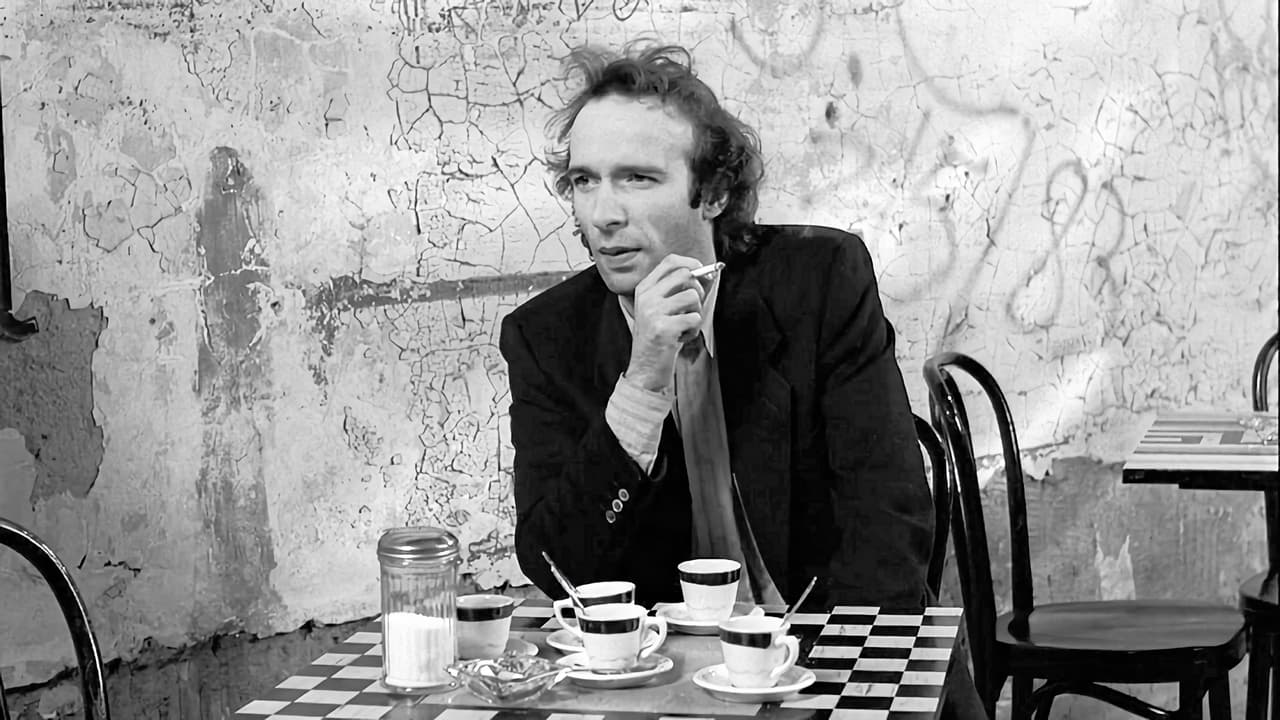
The film kicks off with Roberto Benigni and Steven Wright. If you can imagine a more chaotic pairing than a hyperactive Italian comedian and a man who speaks like a haunted sloth, I’d like to hear it. They trade seats, they offer to go to the dentist for one another, and they drink coffee with a frantic energy that sets the tone for the rest of the runtime.
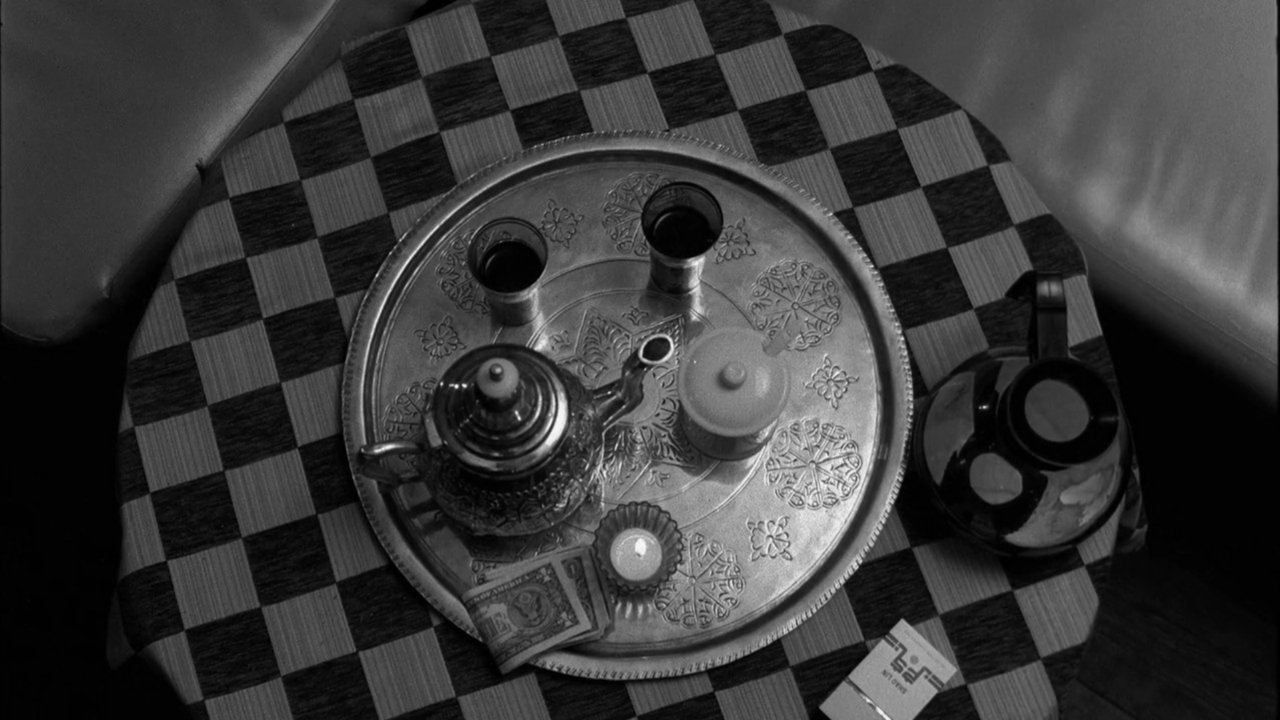
What I love about these vignettes is the restraint. Jarmusch (who also wrote the screenplay) understands that the most interesting things happen in the gaps between sentences. He lets the camera linger on the overhead shots of the tables—the checkered patterns, the overflowing ashtrays, the half-eaten cookies. It’s gorgeous to look at, thanks to the high-contrast cinematography of Ellen Kuras, who managed to make a dingy diner look like a cathedral of urban malaise.
A Masterclass in Acting Like Yourself (Sort Of)

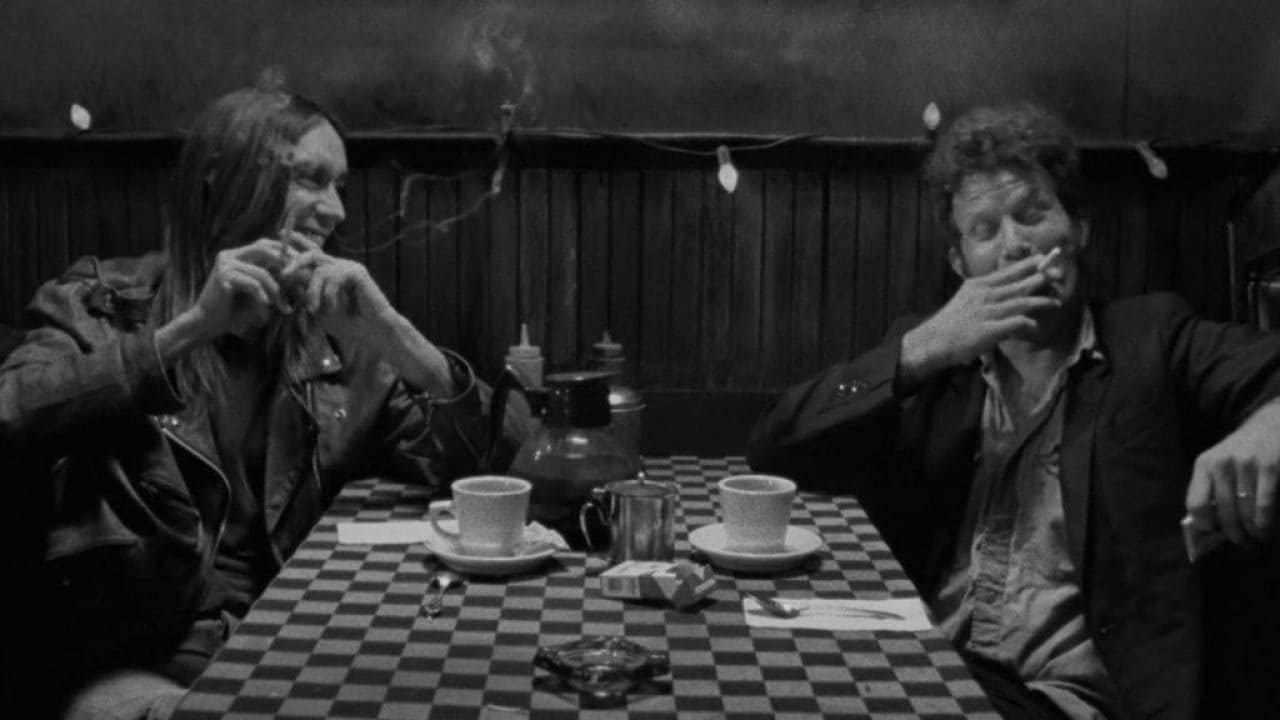
The real joy here is watching celebrities play "versions" of themselves. In one of the best segments, "Somewhere in California," we get Iggy Pop and Tom Waits (Wait, Tom isn't in my prompt notes, but his chemistry with Iggy is legendary). Let's look at Steve Buscemi, who pops up in "Twins" as a waiter named Danny. He’s stuck serving Joie Lee and Cinqué Lee, who play siblings bickering about everything and nothing.
Steve Buscemi is at his peak here, playing a man obsessed with the conspiracy theory that Elvis had an evil twin. It’s a quintessential "Buscemi" performance—nervous, oddly specific, and deeply earnest. You can see the influence of the DVD culture era here; this is the kind of movie that felt designed for "special features" and "scene selections." Each vignette is a self-contained meal.
Then there’s the sheer absurdity of the pairings. Iggy Pop trying to be polite while feeling profoundly uncomfortable is a side of the "Godfather of Punk" we rarely see. It’s a reminder that even the coolest people on the planet are susceptible to that crushing social realization that they have absolutely nothing in common with the person sitting across from them.
Why It Vanished into the Smoke
Despite the star power, Coffee and Cigarettes has somewhat faded into obscurity. Why? Well, for one, it’s a "vibe" movie in a world that increasingly demands "plot." It was released in 2004, the same year as Spider-Man 2 and Shrek 2. A black-and-white anthology about people smoking was never going to win the box office, and it earned a modest $7.8 million.
It also feels like a relic of a pre-digital social life. Looking back, the most shocking thing about this film isn't the dialogue, it's the lack of smartphones. People are actually looking at each other—or intentionally avoiding looking at each other. They are present in their boredom. In our current era of constant connectivity, there’s something almost romantic about two people being stuck at a table with nothing but a pack of smokes and their own dwindling patience.
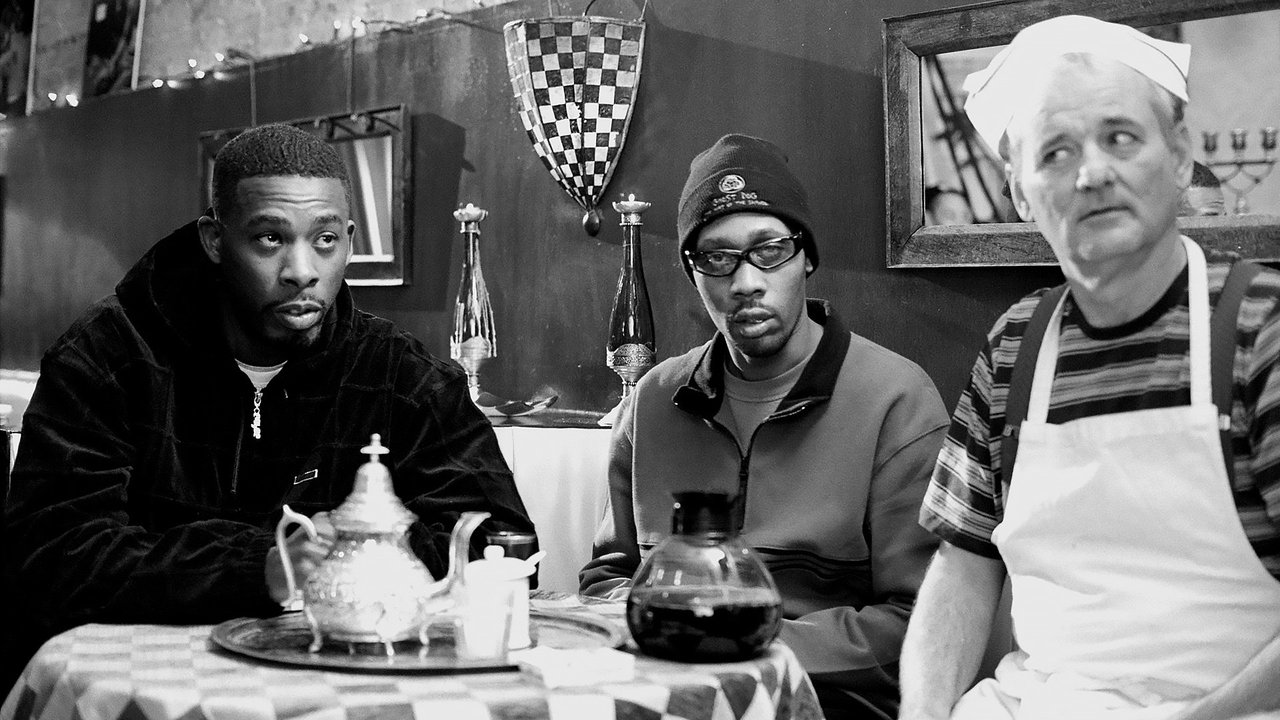
It’s an oddity, for sure. Some segments work better than others (the one with the GZA and RZA from Wu-Tang Clan and Bill Murray is a personal favorite that I’ll never tire of). But as a whole, it’s a beautiful, grainy, nicotine-stained tribute to the small talk that makes up 90% of our lives.
In retrospect, Jarmusch created a film that functions like a long, lazy afternoon. It’s not a masterpiece that demands your total intellectual surrender; it’s a collection of moods. Whether you’re a fan of the indie renaissance or just someone who enjoys watching Steve Buscemi talk about Elvis, it’s worth a look. Just maybe have a glass of water nearby—the secondhand smoke is practically coming through the screen.
Keep Exploring...
-
Broken Flowers
2005
-
Night on Earth
1991
-
Dead Man
1995
-
Ghost Dog: The Way of the Samurai
1999
-

28 Days
2000
-
Youth in Revolt
2009
-
Ghost World
2001
-
Blast from the Past
1999
-
Election
1999
-

Man on the Moon
1999
-
Never Been Kissed
1999
-
Confessions of a Dangerous Mind
2002
-
S1m0ne
2002
-
Holes
2003
-
Matchstick Men
2003
-

Uptown Girls
2003
-
What a Girl Wants
2003
-
First Daughter
2004
-
Jersey Girl
2004
-

Spanglish
2004