Collateral
"One cab. Five stops. No witnesses."
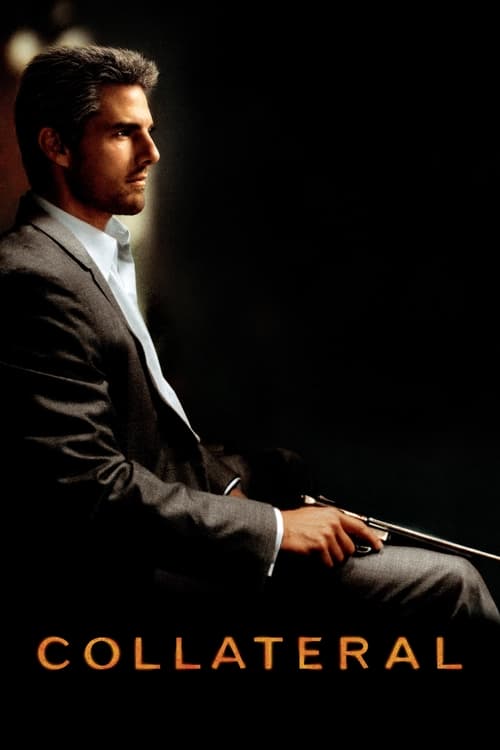
I remember finding my copy of Collateral in a dusty bin at a garage sale for three dollars. When I opened the case, a dry-cleaning receipt from 2006 fluttered out—someone’s long-forgotten errands preserved in a plastic tomb. There’s something oddly poetic about that, because Michael Mann’s 2004 thriller is a movie obsessed with the mundane details of a life lived in transit, right before those details get splattered with blood.
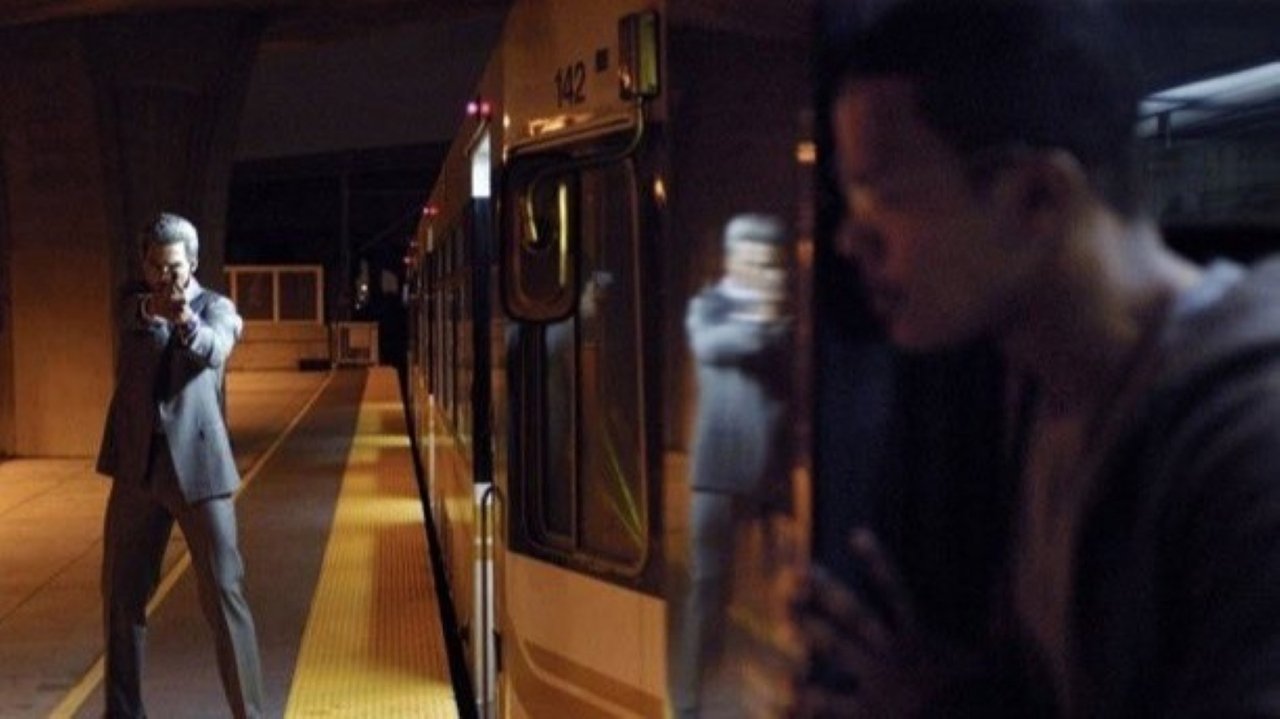
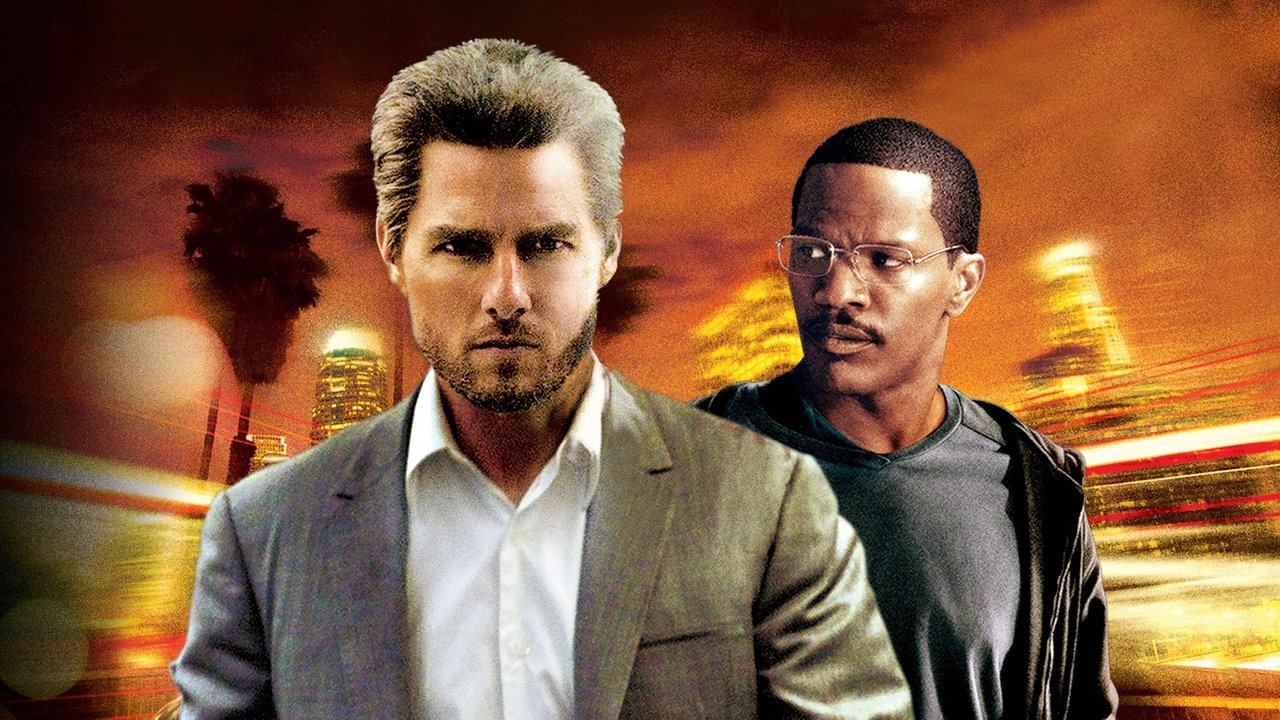
Watching this again, I’m struck by how much it feels like a postcard from a version of Los Angeles that doesn't exist anymore. This was the dawn of high-definition digital filmmaking, and Mann was one of the few directors who didn't try to make digital look like film. Instead, he leaned into the grain, the "noise," and the way a digital sensor could see into the deep, mustard-colored shadows of an LA night in a way that traditional 35mm simply couldn't. It’s a cold, lonely-looking movie, and it’s absolutely gorgeous.
The Digital Grit of a Lost Los Angeles
The setup is lean and mean. Max, played by Jamie Foxx (Ray, Django Unchained), is a cab driver with a pristine vehicle and a "temporary" career that has lasted twelve years. He’s a man who hides behind a photo of an island vacation he’ll never take. Then he picks up Vincent. Tom Cruise (Top Gun, Mission: Impossible), sporting a sharp silver suit and even sharper hair, plays Vincent like a Great White shark that learned how to speak human. He offers Max $600 to drive him to five stops. Max agrees, and by the first stop, a body has fallen onto the roof of the cab.
This was a massive box office hit, raking in over $220 million against a $65 million budget, but it doesn't feel like a typical "blockbuster." It’s too mean, too quiet, and too focused on the philosophy of nihilism. I love how the film forces us into the cramped confines of that taxi. You can almost smell the stale air freshener and the tension. Tom Cruise should have stayed in his scary gray-haired villain era forever, because his performance here is a masterclass in controlled menace. He’s not a cartoon; he’s a professional who happens to have a very dark outlook on how insignificant we all are in the grand scheme of the universe.
A Masterclass in Nighttime Chemistry
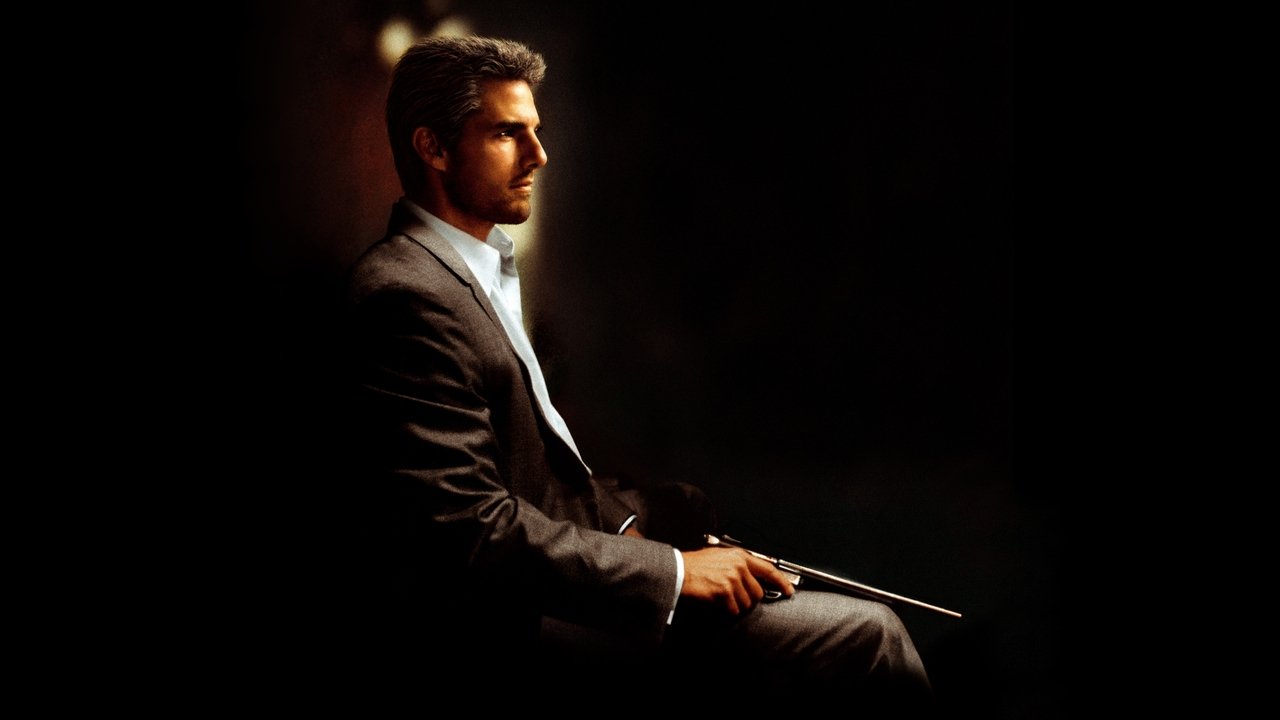
The heart of the movie isn't the gunfights—though the club shootout is a rhythmic, terrifying sequence—it’s the conversation. The script by Stuart Beattie is a two-hander where the predator and the prey slowly start to mirror one another. Jamie Foxx is the real MVP here, though. He has to play "terrified but capable," and the way he slowly finds his backbone is incredibly rewarding. I’ve always felt that Jamie Foxx’s transition from a stuttering driver to a man with nothing left to lose is one of the most underrated arcs in 2000s cinema.
The supporting cast is an embarrassment of riches. A pre-Hulk Mark Ruffalo pops up as a narcotics cop who’s actually smart enough to realize something is wrong, and Jada Pinkett Smith provides the emotional stakes as a prosecutor who unwittingly becomes part of Vincent’s itinerary. We even get a brief, terrifying cameo from Javier Bardem as a cartel boss. It’s the kind of casting that makes the world feel lived-in and dangerous.
The Mechanics of the Night
What’s fascinating looking back is the production trivia that highlights Mann’s obsession with realism. To prepare for the role, Tom Cruise reportedly trained with the SAS and worked as a UPS delivery driver in Los Angeles, tasked with delivering packages in crowded areas without being recognized. If he was spotted, he failed. That anonymity is exactly what Vincent carries—he’s the guy you see every day but never actually see.
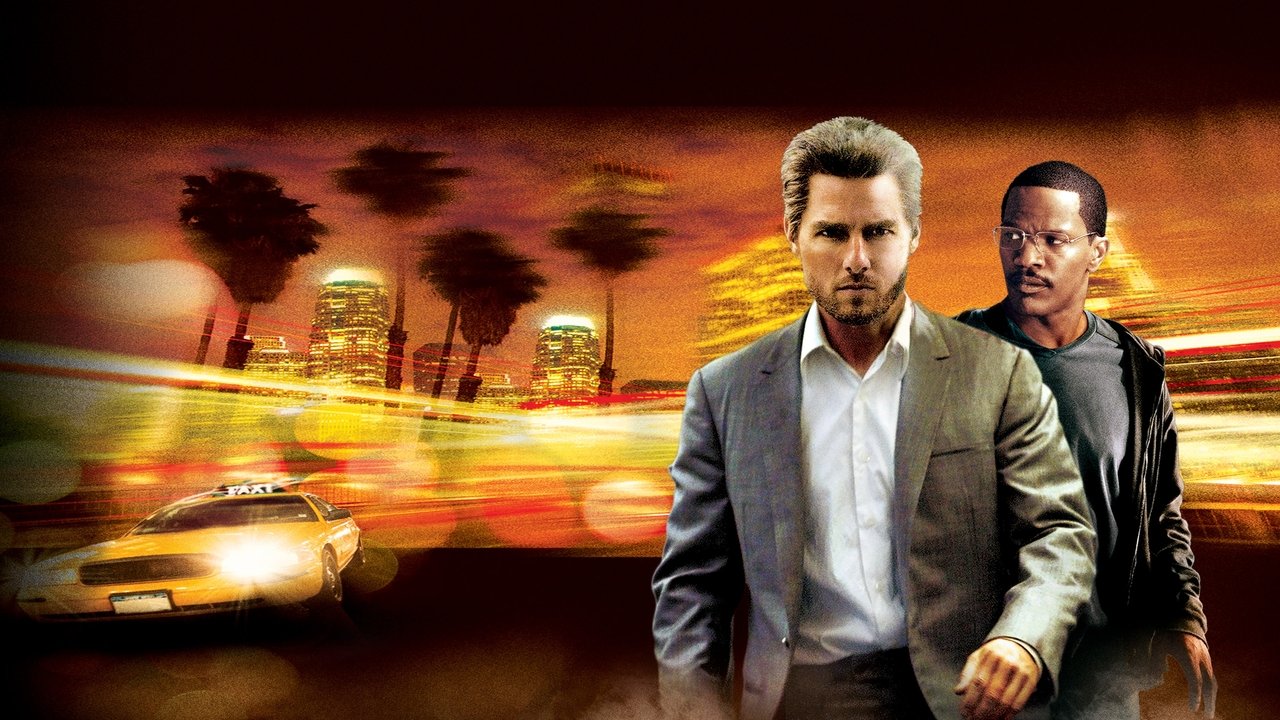
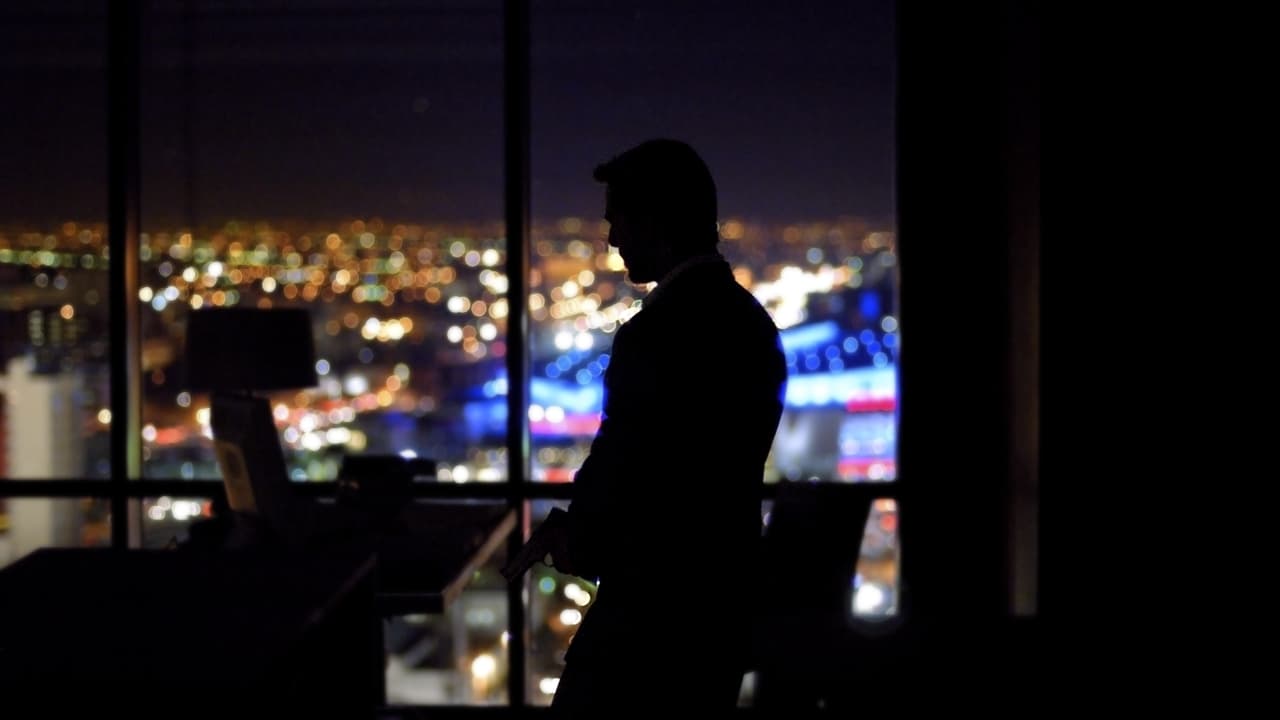
The film was a pioneer for the "Viper FilmStream" digital camera system. About 80% of the movie was shot digitally by cinematographers Dion Beebe and Paul Cameron, which was a huge gamble at the time. They wanted to capture the ambient light of the city—the way the orange glow of the streetlights hits the palm trees. It gives the film an almost documentary-like feel during the quiet moments, making the sudden bursts of violence feel that much more intrusive. Even the famous "coyote crossing the road" scene was a happy accident; a pair of real coyotes wandered onto the set, and Mann kept the cameras rolling, capturing a moment of urban wildness that perfectly underscores the film's "survival of the fittest" theme.
There’s also the stunt work. That final car flip wasn't CGI; it was a practical rig that actually sent the taxi tumbling down the street. In an era where we were just starting to get used to the rubbery physics of early 2000s digital effects, Collateral felt heavy, metallic, and real.
Collateral is a rare breed: a high-concept Hollywood thriller that actually has a soul—even if that soul is a bit dark and cynical. It captures a specific moment in the mid-2000s when digital tech was opening new doors for visual storytelling, and Tom Cruise was willing to subvert his "hero" persona to play a literal monster. It’s a tight, 120-minute ride that doesn't waste a single frame. If you haven't seen it in a while, find the best screen you can, turn the lights off, and let the hazy glow of Michael Mann's Los Angeles wash over you. Just maybe don't check the dry-cleaning receipts in the case.
Keep Exploring...
-
The Insider
1999
-
The Talented Mr. Ripley
1999
-

Traffic
2000
-
Mystic River
2003
-

Inside Man
2006
-
Matchstick Men
2003
-

Law Abiding Citizen
2009
-
Heat
1995
-
Jack Reacher
2012
-
The Girl with the Dragon Tattoo
2009
-
Cape Fear
1991
-
A Perfect World
1993
-
A Time to Kill
1996
-
Primal Fear
1996
-

Sleepers
1996
-
Donnie Brasco
1997
-
Road to Perdition
2002
-
The Departed
2006
-
The Town
2010
-

The Dark Knight Rises
2012