Cube Zero
"The only thing more dangerous than the room is the man outside it."
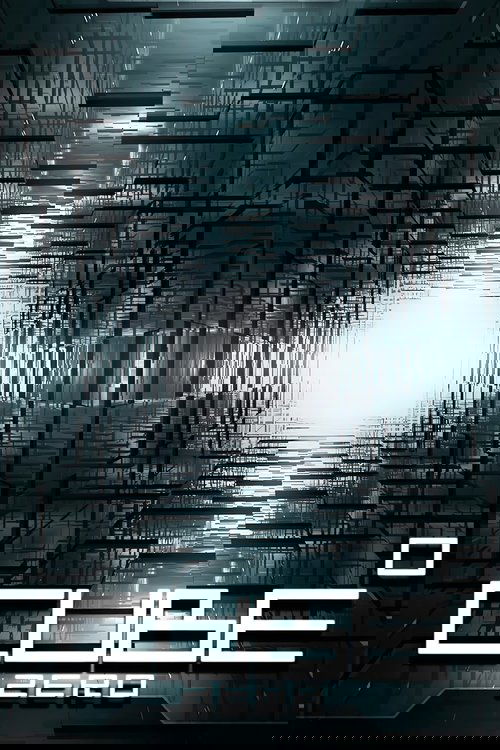
I first encountered Cube Zero on a portable DVD player during a cross-country Greyhound trip in 2005, sitting next to a woman who was intensely knitting a sweater that seemed to have no armholes. Between the smell of diesel fumes and the clicking of her needles, the claustrophobia of the film felt less like a cinematic choice and more like a shared physical reality. It was the perfect environment to digest a movie that takes the "mystery box" concept and decides to unscrew the back panel just to see the wiring.
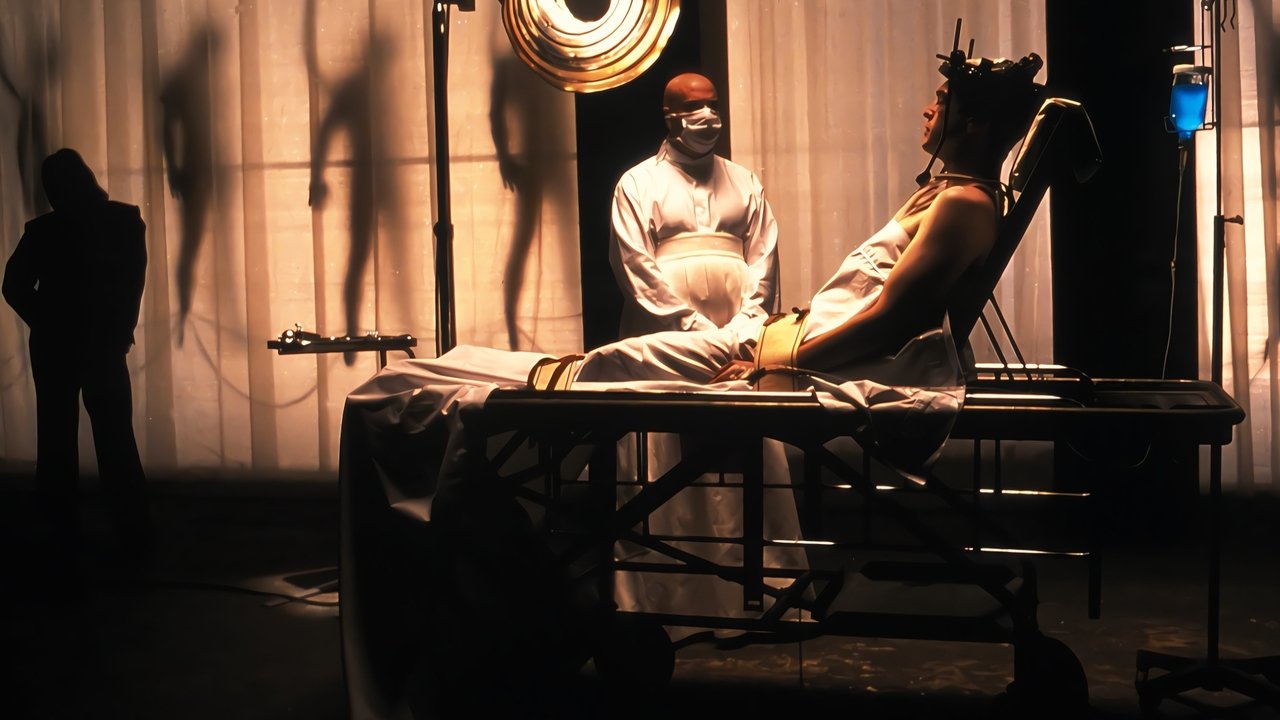
Most prequels are a fool’s errand. They usually spend ninety minutes over-explaining a mystery that was far more effective when left to our imaginations (looking at you, Prometheus). But Cube Zero is a fascinating outlier. Coming seven years after Vincenzo Natali’s original masterpiece and two years after the polarizing, CGI-heavy Cube 2: Hypercube, this $825,000 Canadian indie chooses to pivot. Instead of just giving us another group of victims waking up in a geometric deathtrap, it puts us in the shoes of the guys whose job it is to watch them die.
The Office Space of Dystopia
The film introduces us to Wynn (Zachary Bennett, whom some might recognize from a much younger turn in Road to Avonlea) and Dodd (David Huband). They aren't evil masterminds or cackling villains; they are mid-level bureaucrats in a retro-fitted, steam-punkish observation room. They drink lukewarm coffee, record the "test subjects'" final words, and play chess to pass the time. It is a brilliant subversion of the genre. By 2004, the "post-9/11" anxiety about faceless, all-seeing government entities was reaching a fever pitch, and Cube Zero captures that perfectly. The Cube isn't just a physical trap; it's a massive, soul-crushing corporation where nobody knows who the CEO is, but everyone is terrified of HR.
Zachary Bennett brings a jittery, earnest energy to Wynn, a math prodigy who begins to realize that the "criminals" inside the Cube might actually be innocent political dissidents like Rains (Stephanie Moore). His transition from a passive observer to a rogue technician gives the movie a narrative spine that the previous entries lacked. It turns a survival horror story into a "man against the machine" thriller.
Budget Ingenuity and Practical Gore
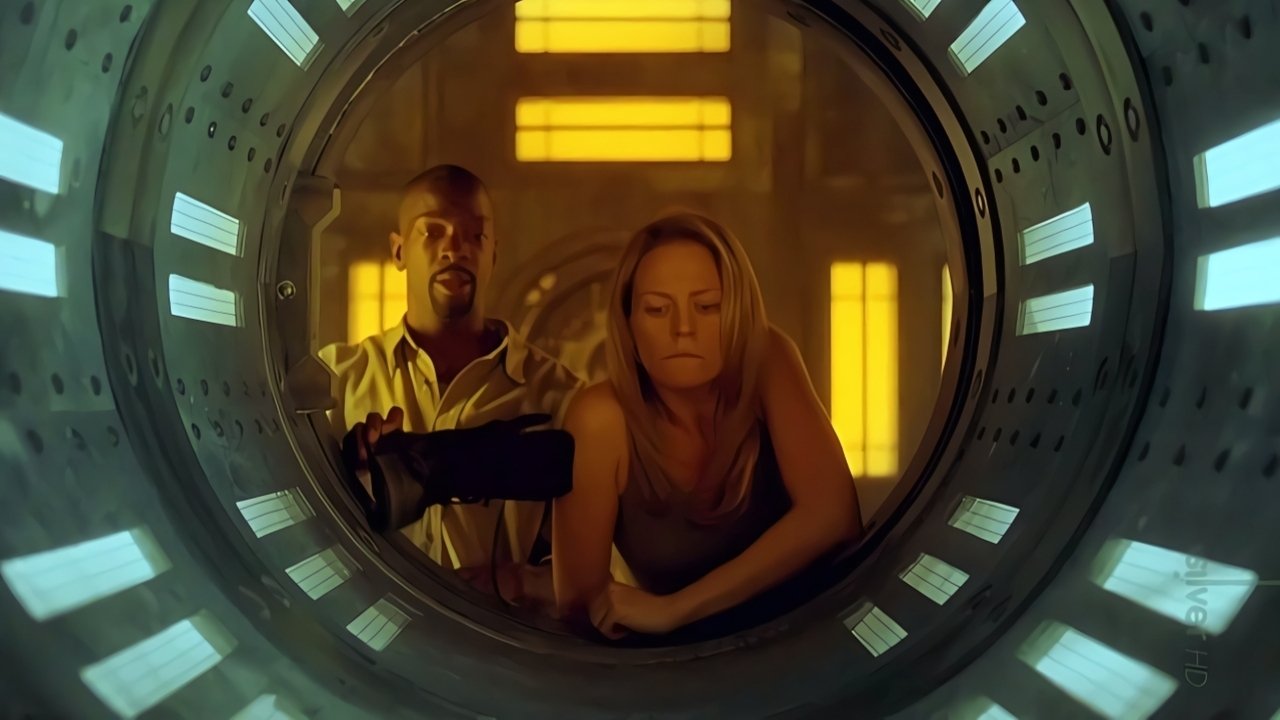
What really strikes me looking back at Cube Zero is how well it handles its shoestring budget. Director Ernie Barbarash, who had previously produced the second film, knew exactly where to spend his limited cash. While Hypercube leaned into early 2000s CGI that has aged about as well as a glass of milk in the sun, Cube Zero returns to the tactile, industrial grime of the first film.
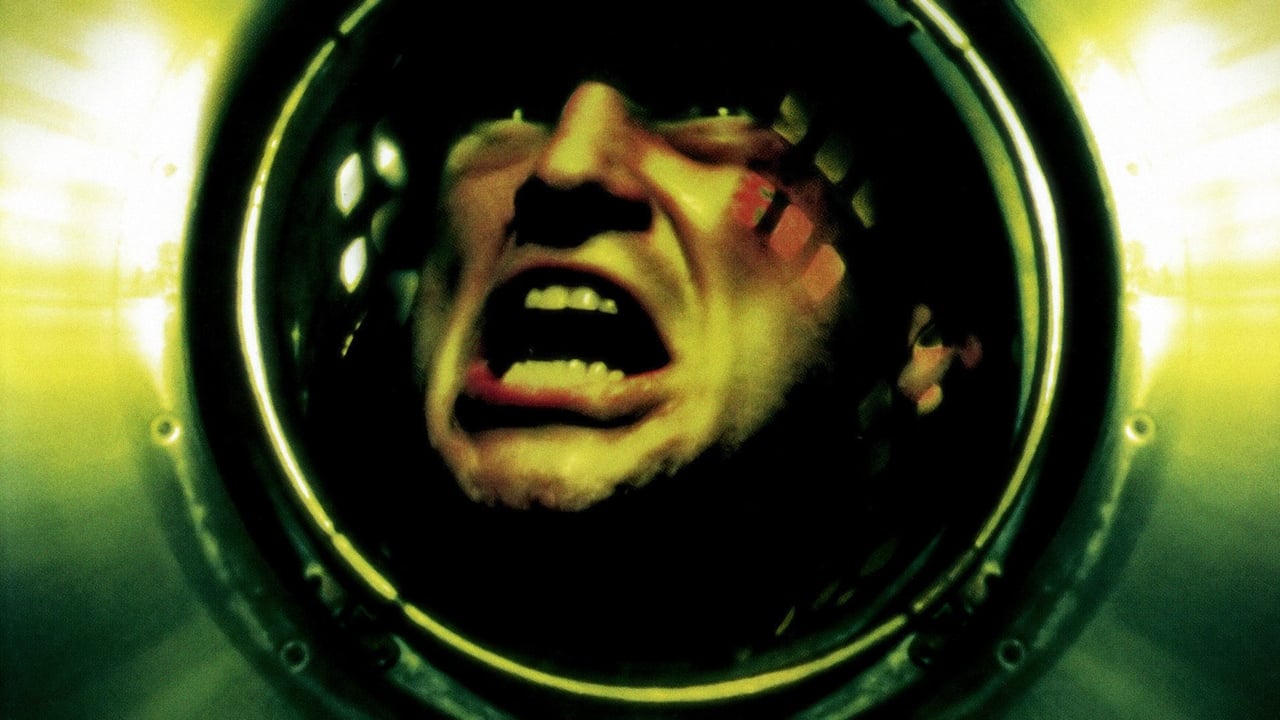
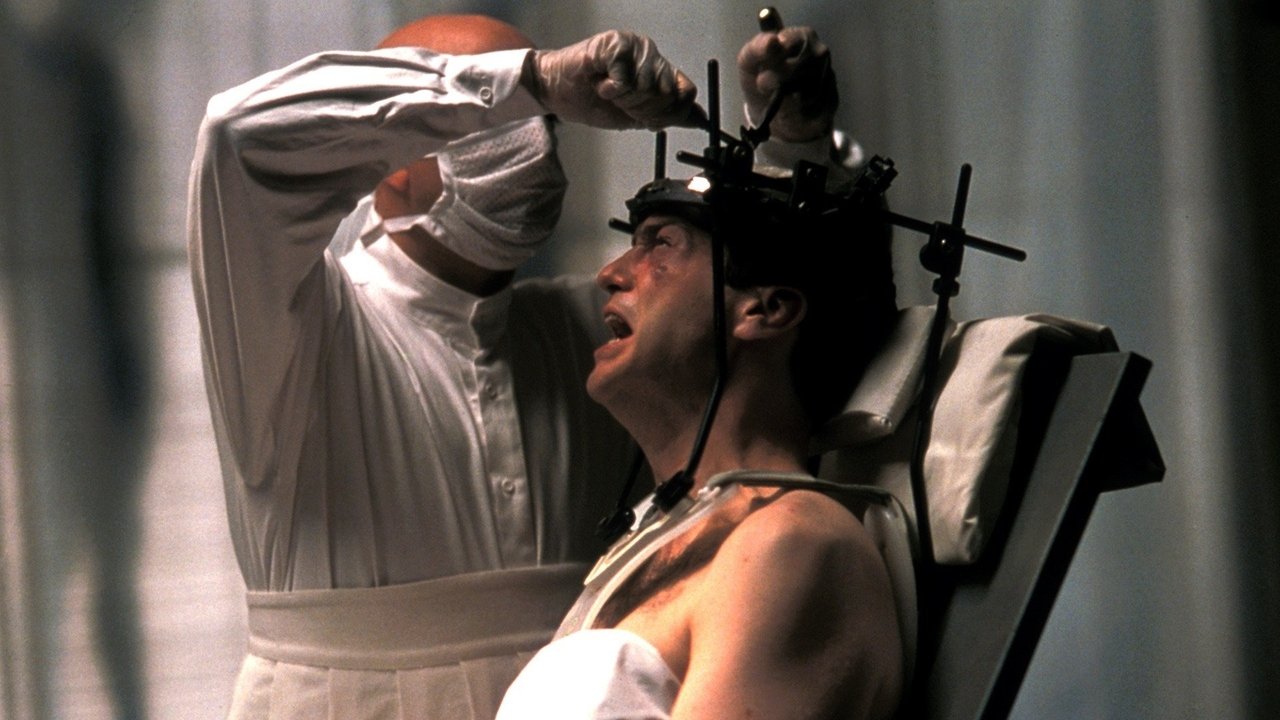
The opening scene—a "melting man" sequence involving a high-pressure chemical spray—is a masterclass in practical effects. It’s gross enough to make you reconsider your choice of snacks, yet it serves a purpose: it establishes that the rules of this world are absolute and unforgiving. The production design of the observation room is equally impressive, filled with clunky 1970s-style switches and flickering CRT monitors. It creates a "retro-future" aesthetic that feels timeless rather than dated, a clever trick used by indie filmmakers to hide the fact that they can't afford sleek, modern sets.
Answering the Unanswerable
The biggest risk Cube Zero takes is explaining the "Why." In the 1997 original, the Cube was terrifying because it was purposeless—a self-sustaining machine built by a committee that forgot why it existed. Cube Zero adds a layer of religious and political indoctrination. We meet Jax (Richard McMillan), a high-level enforcer with a prosthetic eye and a theatricality that belongs in a much weirder, more flamboyant movie. He brings a touch of dark humor to the proceedings, representing the "Upper Management" from hell.
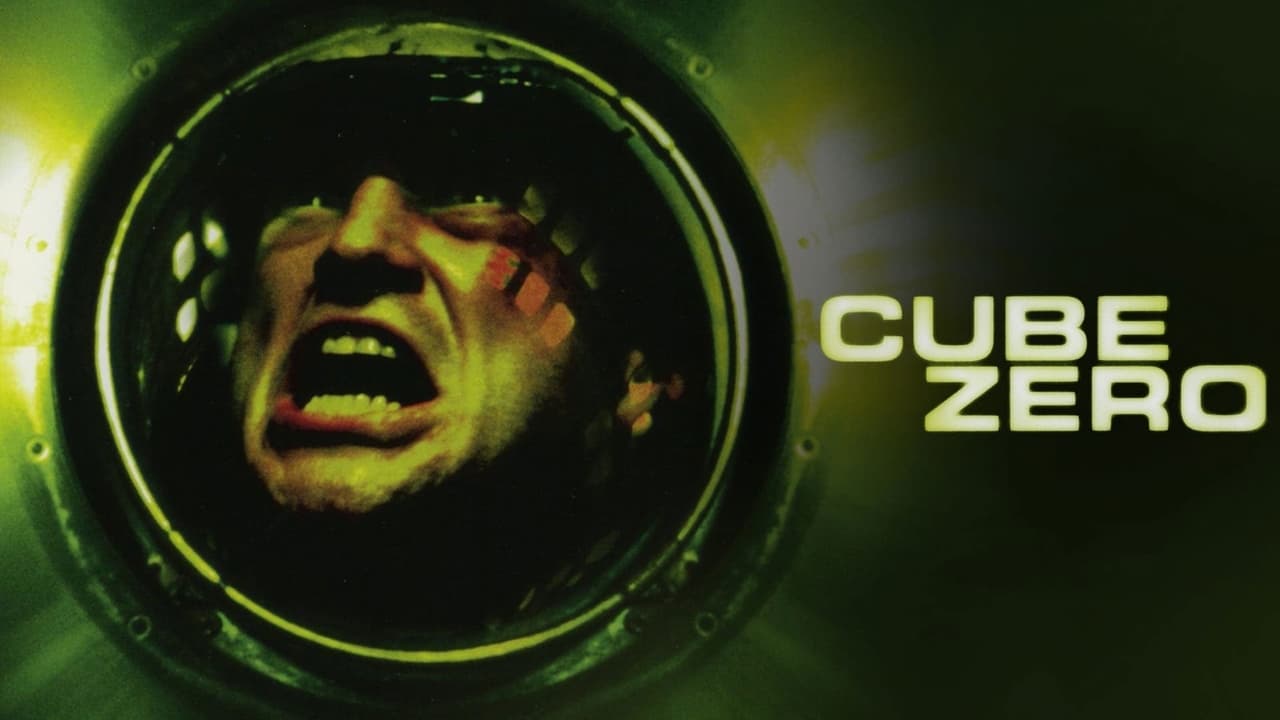
Some fans of the franchise hate this. They feel that showing the technicians and the "Consensus" ruins the mystery. I disagree. By showing the banality of the people running the Cube, the film makes the horror feel more grounded. It’s not a supernatural force; it’s a budget line item. The film’s ending, which loops directly into the start of the first movie, is a bold, cynical gut-punch that refuses to give the audience a traditional hero’s reward.
Cube Zero is a testament to what indie sci-fi can achieve when it focuses on ideas over spectacle. It manages to expand a cult universe without completely stripping away its soul, proving that sometimes, looking behind the curtain is just as scary as what's happening on stage. It's a grimy, cynical, and surprisingly thoughtful end (or beginning) to one of the most unique trilogies in modern cinema.
If you’ve only ever seen the original, give this one a shot. It captures that specific 2004 energy—the transition from the grainy 90s to the digital age—and wraps it in a package of high-concept dread. Just maybe avoid eating any messy pasta while watching that opening scene. Trust me on that one.
Keep Exploring...
-
Cube
1998
-
The 6th Day
2000
-

Paycheck
2003
-
Sky Captain and the World of Tomorrow
2004
-
The Forgotten
2004
-

The Invasion
2007
-

The X Files: I Want to Believe
2008
-

Knowing
2009
-
Pandorum
2009
-

The Fourth Kind
2009
-
After.Life
2009
-
Blindness
2008
-
Sphere
1998
-

Time Lapse
2014
-

Transcendence
2014
-
Monsters
2010
-
The Last Exorcism
2010
-
Dark Skies
2013
-

You're Next
2013
-

The Signal
2014