Dawn of the Dead
"The food court is open. You’re on the menu."
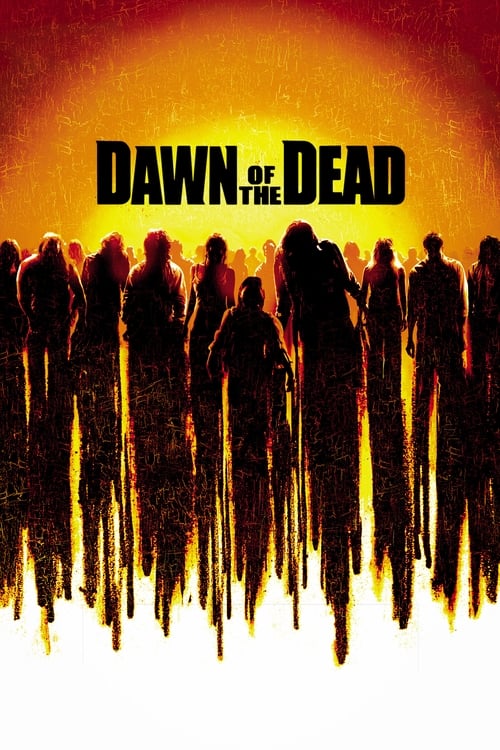
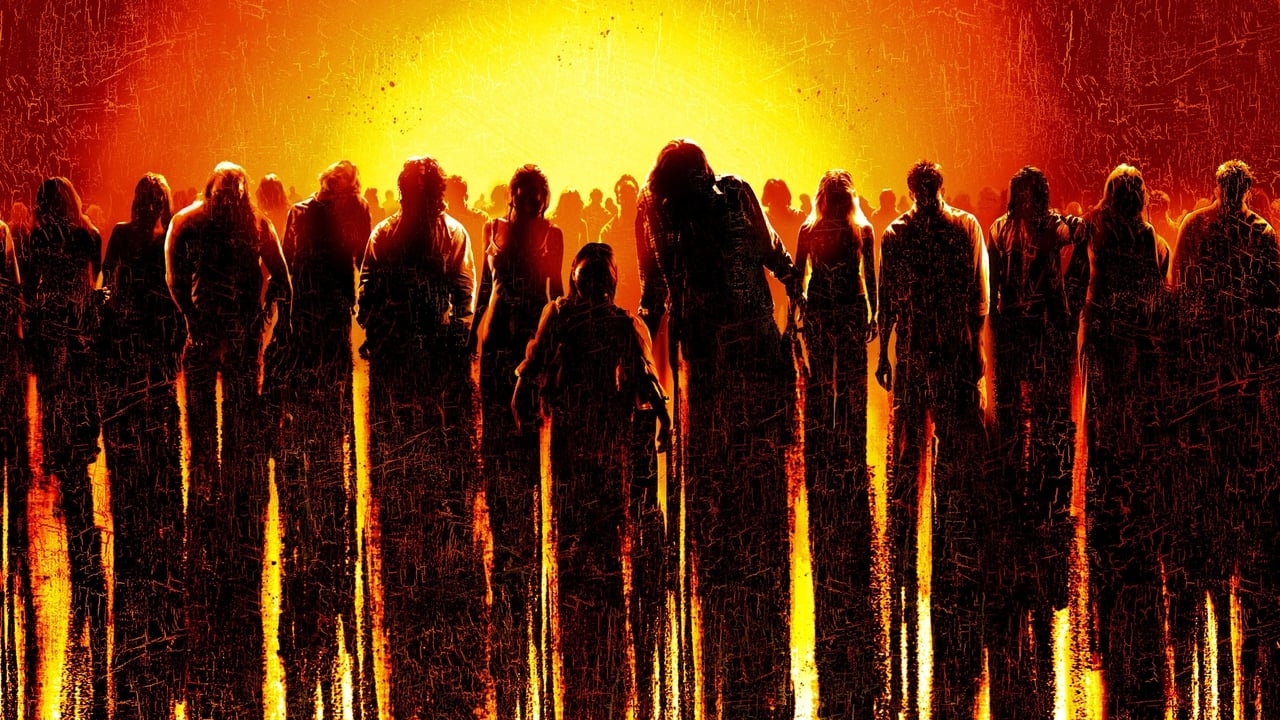
The suburban nightmare usually begins with a lawnmower that won't start or a passive-aggressive HOA letter. In Zack Snyder’s 2004 reimagining of Dawn of the Dead, it starts with a neighborhood girl standing in a bedroom doorway, her face partially eaten, looking for a snack. It’s one of the most effective opening sequences in horror history—a frantic, sun-drenched descent into chaos that ends with Sarah Polley driving her car into a ditch while her entire world literally goes up in smoke.
I watched this for the first time on a DVD I borrowed from a local library that smelled faintly of damp cardboard and old peppermint. I remember sitting there, clutching a lukewarm soda, and realizing within the first ten minutes that the "rules" of the zombie genre had just been rewritten with a much pointier pen.
The Need for Speed
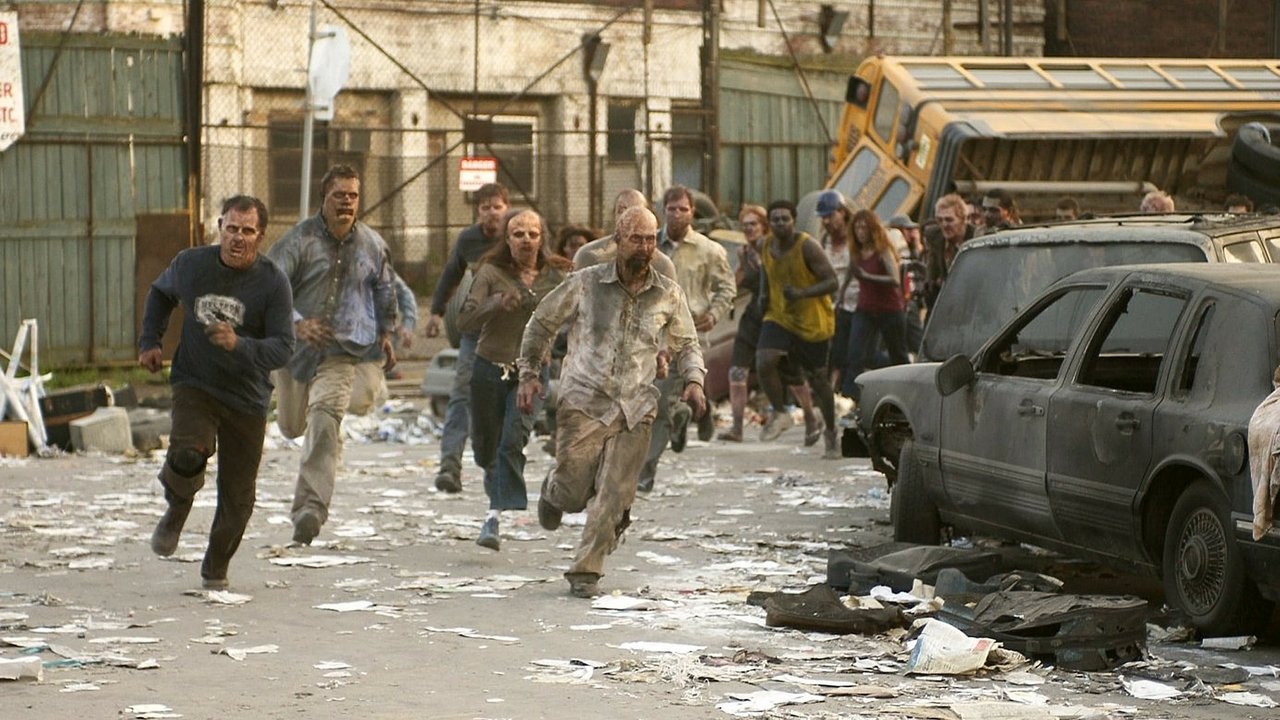
When this movie was announced, the horror community was ready to riot. A remake of George A. Romero’s 1978 masterpiece? Directed by a guy who made music videos? Written by the guy who wrote the live-action Scooby-Doo? It felt like a cynical cash grab. But the real heresy was the movement. These zombies didn't shuffle; they sprinted.
Looking back, the "Fast Zombie" controversy feels like a relic of a simpler time, but in 2004, it was a seismic shift. James Gunn’s script understood that for a post-9/11 audience, the fear wasn't a slow, metaphorical decay—it was a sudden, overwhelming force you couldn't outrun. Fast zombies are objectively more terrifying than slow ones, and I’m tired of pretending they aren't. They turn the movie from a chess match into a frantic game of dodgeball played with chainsaws. Snyder brings a high-contrast, "bleach bypass" look to the film that makes every frame feel bruised and gritty, perfectly capturing that mid-2000s obsession with "edgy" realism.
A Mall Built of Gray Morals
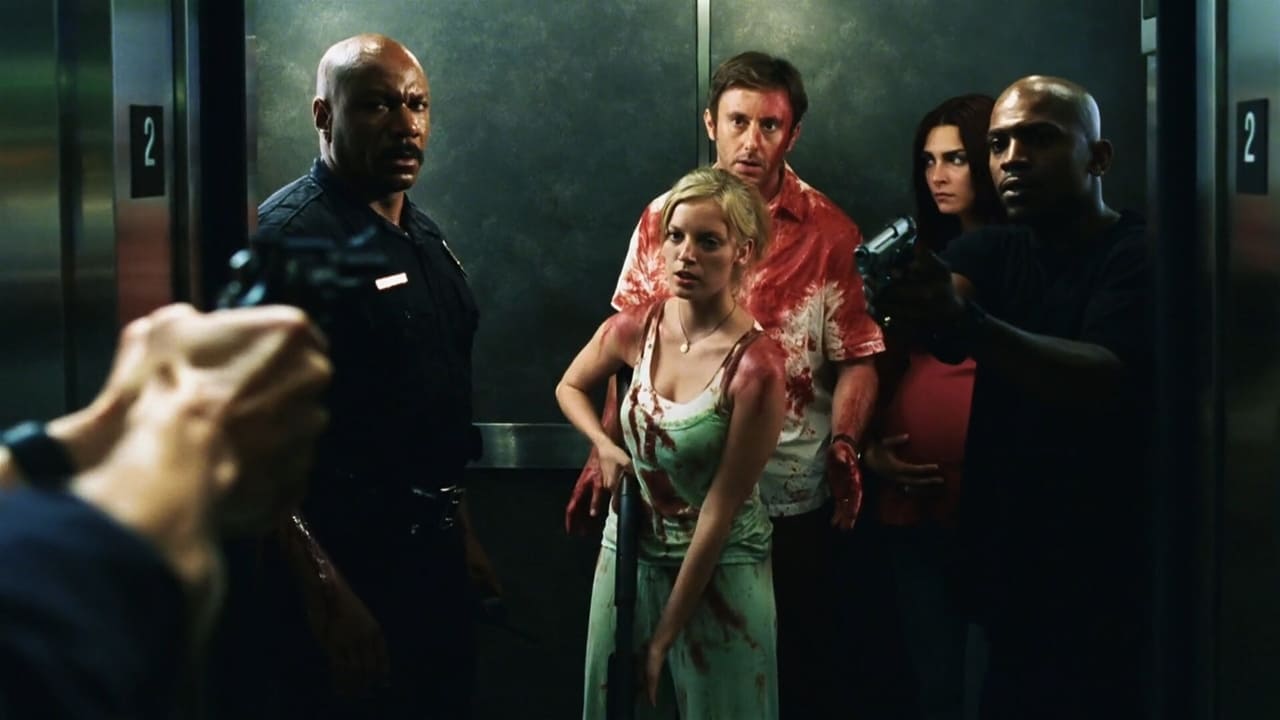
The film gathers a ragtag group of survivors in the Crossroads Mall, and the casting is surprisingly inspired. Instead of generic action stars, we get Sarah Polley, an indie darling who brings a haunted, grounded weight to Ana. Beside her is Jake Weber as Michael, the "everyman" who actually feels like a guy who sold electronics before the world ended, and Ving Rhames as Kenneth, a cop who uses his silence like a weapon.
What sets this version apart is the intense, almost nihilistic pressure it puts on its characters. It doesn't shy away from the ugliness of survival. We see this most clearly in the subplot involving Mekhi Phifer and his pregnant wife. It’s a sequence that shifts the tone from a high-octane thriller to something deeply disturbing and tragic. This is where the "Dark/Intense" modifier really earns its keep—the "zombie baby" moment is a grim reminder that in this world, there are no miracles, only different ways to die. Even the "villainous" mall guards, led by a wonderfully prickish Michael Kelly, eventually have to find some shred of humanity, or at least a better way to hold a shotgun.
The Peak of DVD Culture
This film was a massive blockbuster, turning a $26 million budget into over $100 million at the box office, but its true legacy was cemented on home video. This was the golden age of the DVD, where special features weren't just fluff—they were expansions of the universe. I remember the "Andy’s Lost Tape" featurette, which showed the perspective of the lone survivor in the gun shop across the street. It was a brilliant bit of viral marketing before "viral marketing" was a standard industry term.
The production was a masterclass in blending practical effects with the burgeoning CGI of the era. While some of the digital blood splatter looks a bit "Adobe After Effects 1.0" by today’s standards, the physical makeup is incredible. The design of the "bloaters" and the various stages of decay keep the threat feeling tactile. And we have to talk about the music—the use of Johnny Cash’s "The Man Comes Around" over the opening credits and a lounge-singer cover of "Down with the Sickness" during a survival montage are strokes of genius. The celebrity-shooting game is the most honest depiction of how Americans would actually handle a mall siege. It’s dark, cynical, and weirdly funny—a hallmark of James Gunn’s influence.
A Relentless Retrospective

Twenty years later, Dawn of the Dead holds up remarkably well because it doesn't try to out-think its premise. It knows the mall is a tomb, and it knows the clock is ticking. It lacks the heavy-handed social satire of Romero’s original, but it replaces it with an oppressive sense of dread and a much higher heart rate.
It’s a film that reflects the anxieties of its time—the fear of the person next to you being a hidden threat, the fragility of the "fortress" we build around ourselves, and the realization that sometimes, the best you can hope for is a few more days of sunlight. It’s loud, it’s mean, and it’s arguably the best thing Snyder has ever put to film.
If you’re revisiting this, pay attention to the cameos. Snyder showed a lot of respect to the source material by bringing back Ken Foree, Scott Reiniger, and the legendary makeup artist Tom Savini for brief, wink-and-nod roles. It’s a rare remake that respects its elders while having the guts to sprint past them. Just make sure you stay through the credits—the home-video footage at the end is the final, bleak exclamation point on a story that refuses to give you a happy ending.
---
Keep Exploring...
-
300
2007
-

Resident Evil
2002
-
Resident Evil: Extinction
2007
-
Constantine
2005
-
The Fast and the Furious
2001
-
The Others
2001
-
Kill Bill: Vol. 1
2003
-

Kill Bill: Vol. 2
2004
-
Zombieland
2009
-
From Dusk Till Dawn
1996
-
Watchmen
2009
-

Ichi the Killer
2001
-
Minority Report
2002
-
The Bourne Identity
2002
-
The Last Samurai
2003
-

The Matrix Reloaded
2003
-
Saw
2004
-
The Bourne Supremacy
2004
-
The Bourne Ultimatum
2007
-
Taken
2008