District B13
"Gravity is just a suggestion."
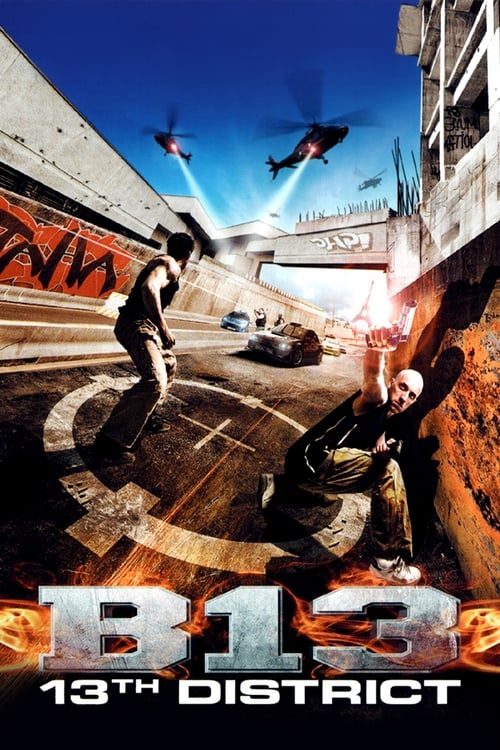
I first watched District B13 on a scratched-up DVD in a basement apartment that smelled faintly of damp laundry and old pizza. My roommate at the time had hyped it up as "the movie where the guys don’t need wires," and I honestly thought he was exaggerating. Then the opening chase sequence happened, and I sat there, mid-slice, watching a human being move like a liquid.
The Architecture of Movement
Before every action movie became a green-screen soup of pixels and "volume" lighting, there was a brief, glorious window in the early 2000s where filmmakers were obsessed with what the human body could actually do. Produced by Luc Besson (the mastermind behind The Fifth Element and Léon: The Professional), District B13 wasn't just a movie; it was a high-speed advertisement for Parkour.
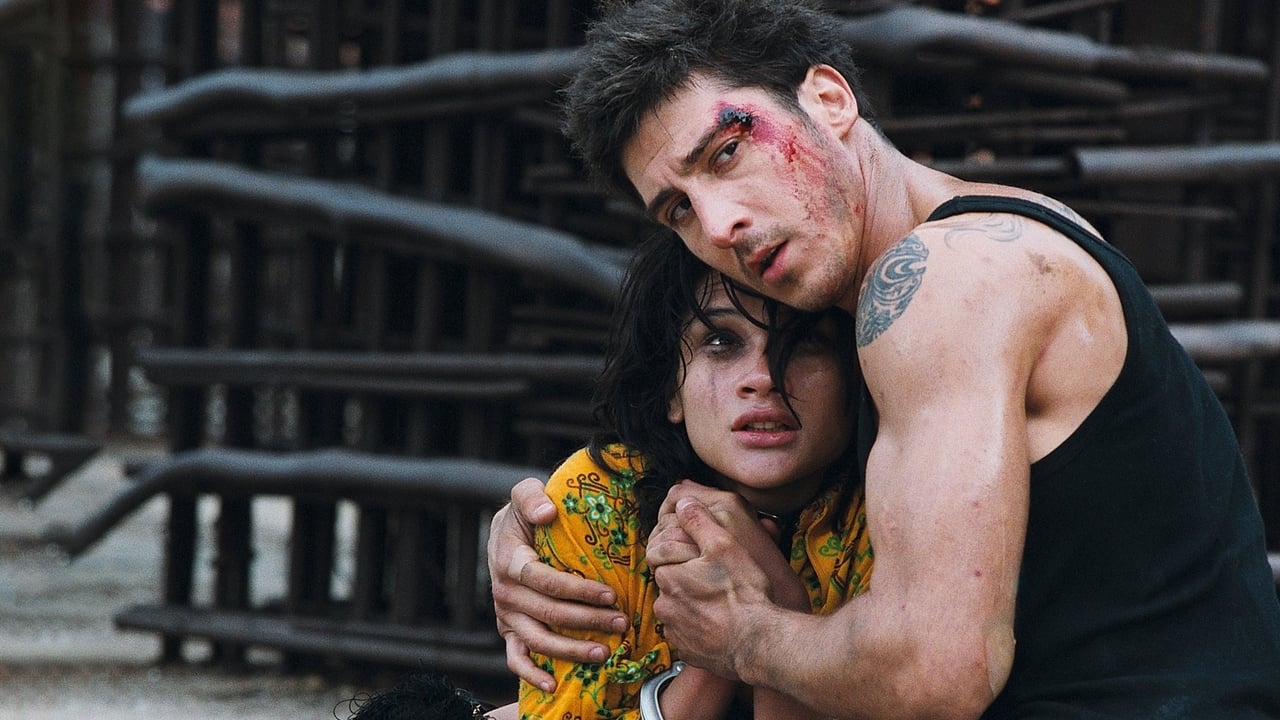
The film stars David Belle, the man who essentially invented the discipline of "free running." He plays Leïto, a resourceful guy living in a dystopian, walled-off section of Paris in the "future" (which was 2010 back then). When a local gang-lord, Taha (Bibi Naceri, who also co-wrote the script), kidnaps Leïto’s sister, he has to team up with an undercover super-cop named Damien, played by Cyril Raffaelli.
Cyril Raffaelli is the secret weapon here. While David Belle provides the flow and the gravity-defying escapes, Raffaelli brings the impact. He’s a veteran stuntman who has worked on everything from The Transporter to Live Free or Die Hard, and his fighting style is a relentless mix of wushu and bruising street-fighting. Watching the two of them interact is like watching a duet between a gymnast and a freight train.
Practical Magic in a Digital Dawn
Looking back from the 2020s, District B13 feels like a rebellious middle finger to the burgeoning CGI revolution of the era. This was the same year as Catwoman and Van Helsing—films that were drowning in rubbery, weightless digital doubles. In contrast, Director Pierre Morel (who would later direct Taken) shoots the action with a clarity that feels almost documentary-like.
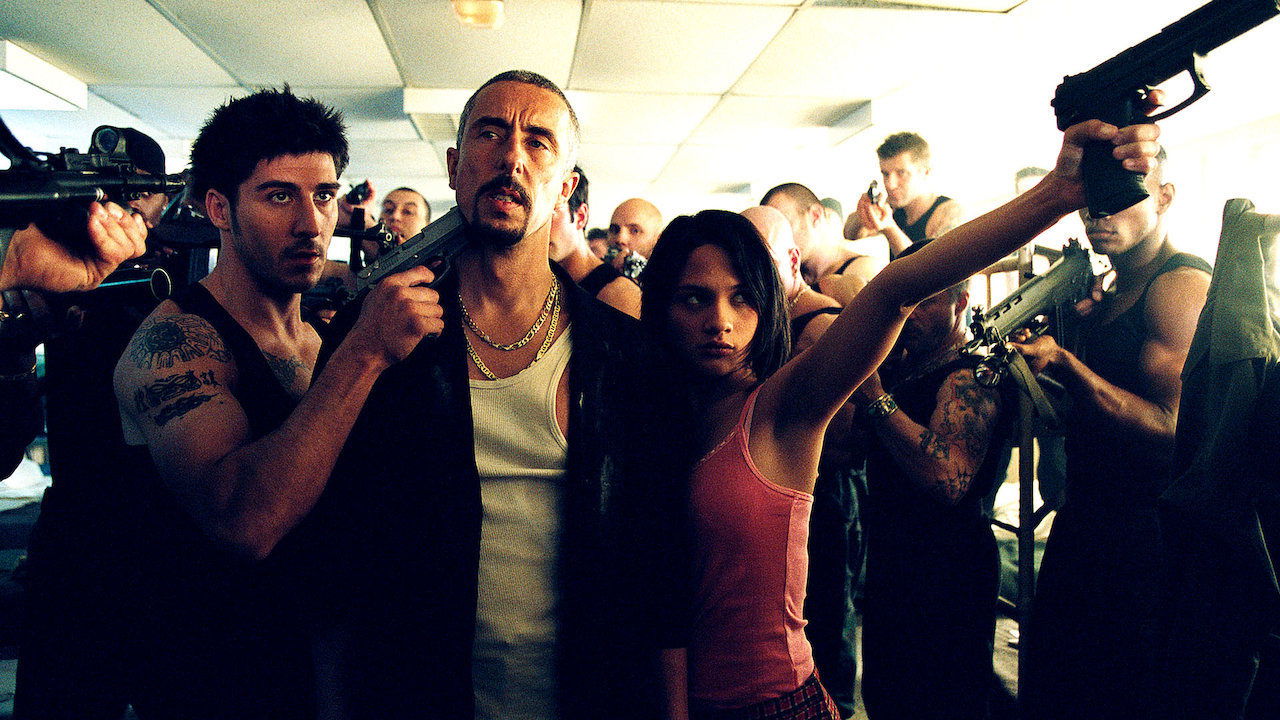
There is a sequence early on where Damien infiltrates an underground casino, and the camera just stays with him as he dismantles a dozen henchmen. You can see the sweat, the missed steps, and the actual physical weight of the blows. The plot is basically a 12-year-old’s fever dream of a Tom Clancy novel written on the back of a math textbook, but it doesn't matter. You aren't here for the political nuances of ghetto-containment; you’re here to see a guy jump through a tiny transom window above a door without touching the frame.
What strikes me now is how much the film captures that specific Y2K-era techno-anxiety. The score by Bastide Donny is heavy on the industrial hip-hop and electronic beats that defined the mid-2000s French scene. It feels gritty, metallic, and slightly desperate—perfect for a world where the government has literally given up on its citizens and built a wall to keep the "problem" contained.
A French Connection That Kicks
The chemistry between the two leads is surprisingly charming for a film that barely clocks in at 80 minutes. They have that classic "odd couple" dynamic—the law-abiding cop and the anti-authoritarian street rat—but it’s sold through physical synchronicity rather than long monologues.
One of the coolest details I learned later was that the stunts were so demanding that the production had to hire actual Parkour practitioners for many of the background gang roles, just so they could keep up with the leads. Tony D'Amario, who plays the hulking lieutenant K2, provides a great physical foil; he’s a mountain of a man who looks genuinely terrified when he has to chase the much faster Leïto.
If there’s a downside, it’s that the film is a product of its time in terms of its "edginess." Some of the dialogue is clunky, and the villain, Taha, is a bit of a cartoonish caricature. But even those quirks have a certain nostalgic charm. It reminds me of the era when DVD culture was at its peak—the kind of movie you’d find in a "3 for $20" bin and realize you’d discovered a masterpiece of stunt choreography that put $200 million blockbusters to shame.
I still think about that opening sequence every time I’m clumsily trying to climb over a garden fence. District B13 makes you believe, for about 84 minutes, that if you just ran fast enough and believed in your own momentum, the laws of physics might eventually just give up and let you through.
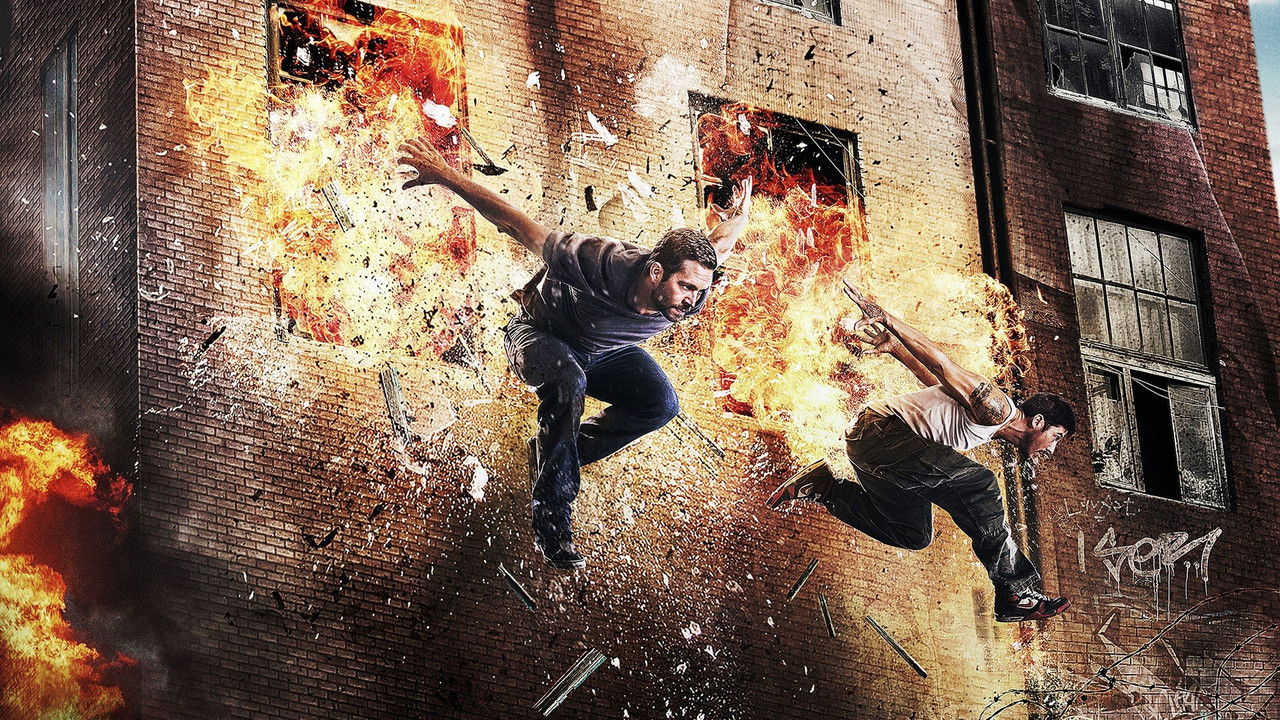
If you’ve never seen this, or if you only know the 2014 American remake Brick Mansions (which also starred David Belle alongside Paul Walker), do yourself a favor and find the French original. It’s leaner, meaner, and far more impressive in its raw execution. It represents a moment in cinema where the human body was the greatest special effect available, and it still holds up as one of the most sheerly entertaining action films of the 21st century.
Keep Exploring...
-

District 13: Ultimatum
2009
-
Taken
2008
-
Lockout
2012
-
Lake Placid
1999
-

Kiss of the Dragon
2001
-

The One
2001
-

Doomsday
2008
-
Batman Beyond: Return of the Joker
2000
-

Final Fantasy: The Spirits Within
2001
-

Sky Captain and the World of Tomorrow
2004
-
Carriers
2009
-

Darkman
1990
-

Star Trek VI: The Undiscovered Country
1991
-

Death Race 2
2010
-
From Paris with Love
2010
-

Escape from L.A.
1996
-

The Saint
1997
-

Volcano
1997
-

Star Trek: Insurrection
1998
-

eXistenZ
1999