DodgeBall: A True Underdog Story
"Aim for the face, aim for the glory."
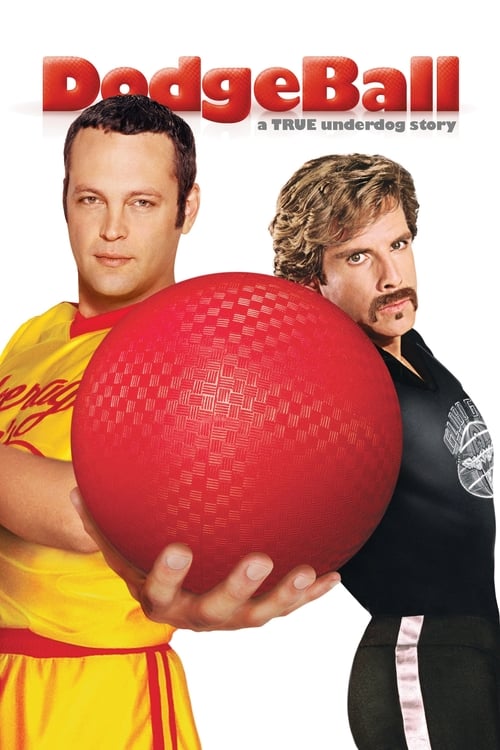
There is a very specific, hollow tonk sound that only a red rubber playground ball can produce when it makes contact with a human skull. To some, it’s the sound of middle-school trauma; to Rawson Marshall Thurber, it was the foundation of a comedic empire. When I revisited DodgeBall: A True Underdog Story recently—while nursing a lukewarm Gatorade and trying to ignore a persistent fruit fly in my kitchen—I was struck by how much this film feels like the absolute zenith of the "Frat Pack" era. It’s a movie that knows exactly how stupid it is, yet performs that stupidity with the precision of a Stradivarius.

The Peak of the "Frat Pack" Machinery
Looking back at 2004, we were in the middle of a comedy gold rush. This was the year of Anchorman and Mean Girls, a time when the DVD market was so lucrative that studios weren't afraid to throw twenty million dollars at a script about a niche sport for children. DodgeBall succeeds because it perfectly balances the low-stakes apathy of Vince Vaughn with the high-octane, vein-popping insanity of Ben Stiller.
Vince Vaughn (fresh off Old School) plays Peter La Fleur with a level of "I’m just here for the paycheck" energy that actually works for the character. He’s the anti-hero of the early 2000s—the guy who refuses to try. Conversely, Ben Stiller as White Goodman is a masterclass in physical comedy and prosthetics. Stiller’s mustache looks like it was harvested from a 1970s adult film set, and his commitment to being a "puffy-aired" narcissist is what keeps the film from drifting into generic sports-parody territory. He isn't just playing a villain; he’s playing every insecurity of the fitness-obsessed Y2K era personified.
Five Rules and Four Cameras
The comedy here isn't just in the script; it’s in the physics. Comedy is rhythm, and Thurber (who later directed Red Notice) understands that the setup for a dodgeball hit is as important as the hit itself. There’s a scene where Justin Long (as the lovable loser Justin) gets flattened by a wrench, and the timing of that metallic clink is perfection. Apparently, Justin Long actually took quite a beating on set; the production used "soft" balls, but to get the right reactions, they often swapped them for the real deal without warning the actors.

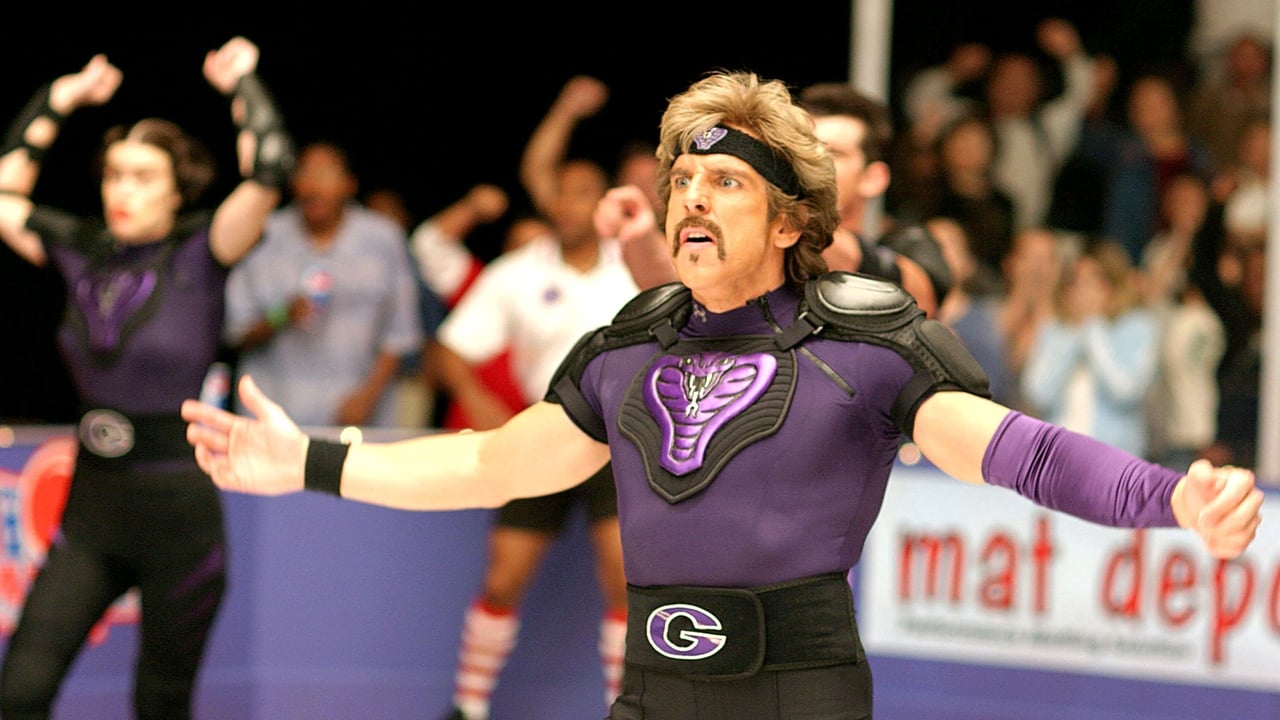
Speaking of realism, Ben Stiller was so dedicated to his aggressive "snake" dance and ball-throwing that he actually broke three cameras during filming. He wasn't just aiming for the actors; he was aiming for the lens. That’s the kind of production detail you used to find in the "Special Features" section of a DVD, back when we actually cared about director commentaries. This was a film made for the DVD era—the kind of movie you’d watch with friends, then immediately go back and frame-by-frame the background gags in the "Average Joe's" gym.
A Time Capsule of Cringey Cameos
What really fascinates me now is how DodgeBall serves as a cultural time capsule. It captures a moment right before the internet completely decentralized comedy. You have the Chuck Norris cameo, which was essentially an early-internet meme manifested in celluloid. Then there’s the Lance Armstrong appearance. At the time, it was an inspiring moment of "don’t quit" motivation; watching it today, knowing what we know about his career, it plays as a piece of accidental dark comedy. It’s a reminder of how quickly "Modern Cinema" becomes "Historical Context."
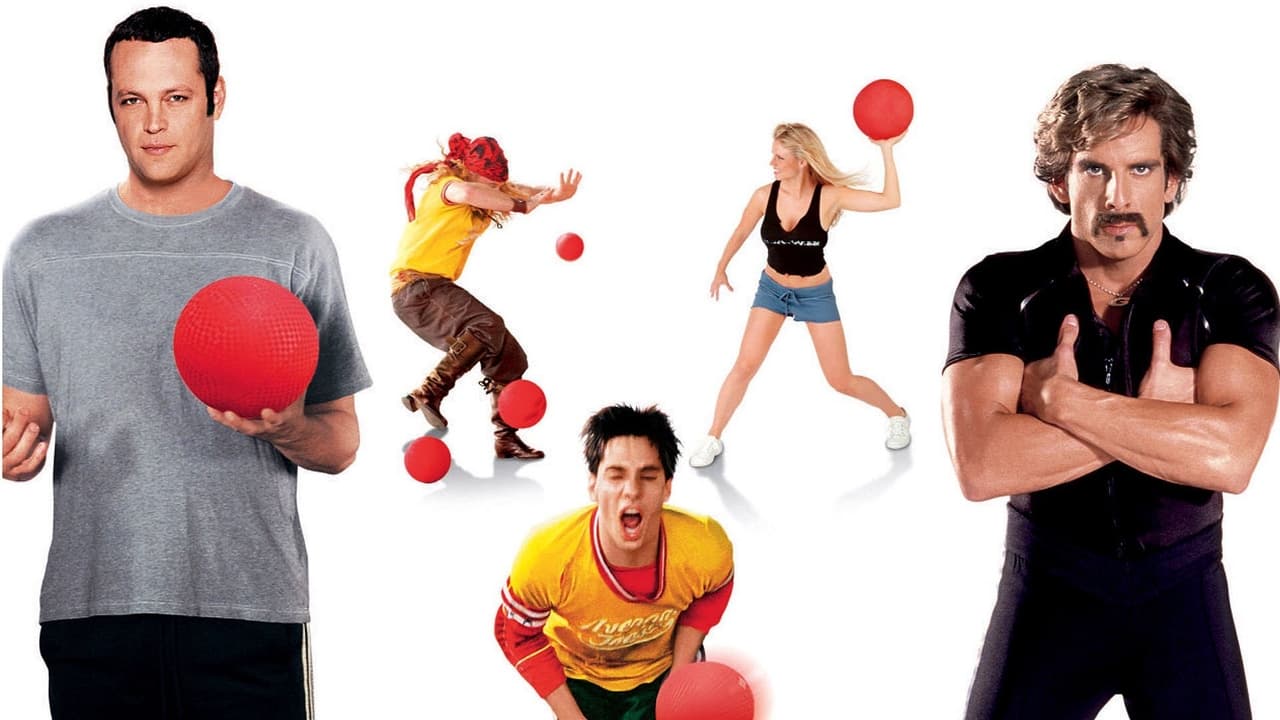
The film also boasts one of the most inspired supporting casts of the decade. Rip Torn as Patches O'Houlihan is a force of nature, delivering lines about drinking urine with the gravitas of a Shakespearean actor. Then there’s Stephen Root as Gordon, whose obsession with OSQ (Obscure Sports Quarterly) feels like a prophetic nod to the hyper-niche internet subcultures that were about to explode. Even Christine Taylor, who often gets the "straight man" role, manages to be more than just a trophy, bringing a genuine athleticism to the court that makes the final showdown feel earned.
The Ending That Almost Wasn't
If you want to understand the corporate-vs-creative struggle of the mid-2000s, look no further than the ending. Rawson Marshall Thurber originally intended for the Average Joe’s team to lose. The screen was supposed to fade to black with the words "The End" as Ben Stiller danced in his fat suit. Test audiences, however, absolutely hated it. They wanted the underdog win.
The version we have now—the "True Underdog Story" where they win the money and buy out Globo Gym—was a concession to the studio. But the film still sneaks in its cynicism. The final shot of White Goodman, obese and singing Kelis’s "Milkshake," is the director’s way of saying, "Fine, they won, but look at this nightmare anyway." It’s that edge, that willingness to be slightly grotesque, that keeps DodgeBall from feeling like a hollow Disney sports flick. It has a bite that a lot of modern, committee-scrubbed comedies lack.
Ultimately, DodgeBall works because it respects the mechanics of the gag. It doesn't over-explain its jokes, and it doesn't apologize for its absurdity. Whether it's Jason Bateman giving a career-best performance as a bewildered sports commentator or a pirate-obsessed man-child finding his tribe, the film remains a high-water mark for the 90-minute comedy. It’s fast, it’s mean, and it’s remarkably rewatchable. If you haven't seen it since the days of Blockbuster rentals, give it another spin—just keep your head on a swivel.

Keep Exploring...
-
We're the Millers
2013
-
Central Intelligence
2016
-
He's Just Not That Into You
2009
-
Men in Black II
2002
-
Charlie and the Chocolate Factory
2005
-
American Pie
1999
-
Austin Powers: The Spy Who Shagged Me
1999
-
Big Daddy
1999
-

She's All That
1999
-
Big Momma's House
2000
-
Chicken Run
2000
-
Chocolat
2000
-
Miss Congeniality
2000
-
Road Trip
2000
-
Scary Movie
2000
-
American Pie 2
2001
-

Legally Blonde
2001
-

Shallow Hal
2001
-
Spy Kids
2001
-
The Princess Diaries
2001