Downfall
"The walls are closing in on the Third Reich."
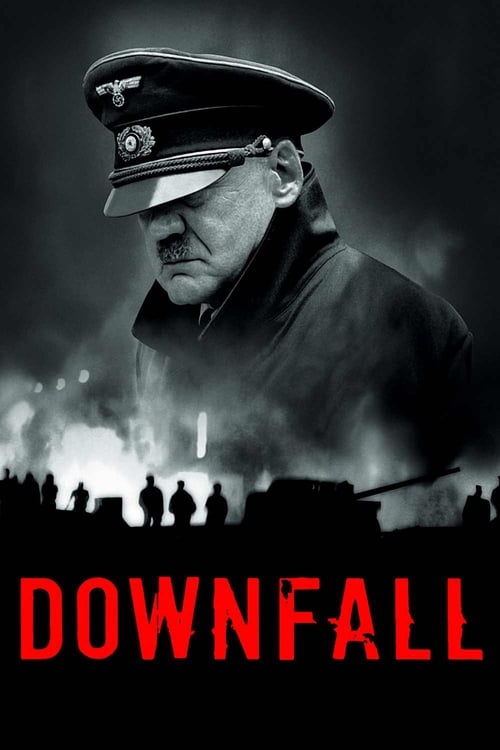
The air in the Führerbunker feels heavy enough to crush a man's lungs. Even before the Soviet shells begin to rattle the concrete ceiling, there is a sense of atmospheric rot that permeates every frame of Downfall. I watched this on a laptop with a dying battery while a neighbor was loudly leaf-blowing outside, and the mundane annoyance of the leaf-blower weirdly underscored the chaotic, domestic banality of the bunker scenes. It is a film that demands your undivided attention, not through explosive spectacle, but through the agonizingly slow deconstruction of a nightmare.
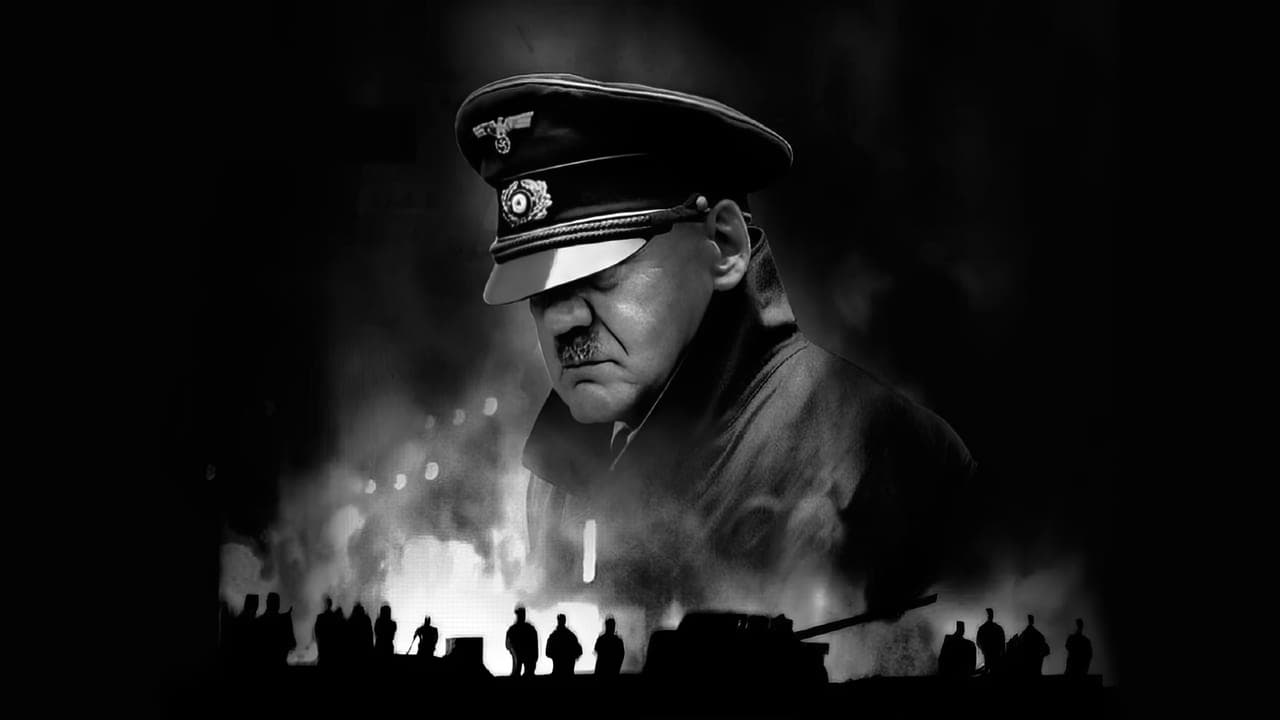
Released in 2004, a year where historical epics were often leaning into the digital polish of the early 2000s, director Oliver Hirschbiegel took a hard turn toward the claustrophobic. This wasn't the sanitized, heroic version of World War II we often saw in the wake of the 1990s boom; this was the grim, ugly, and sweaty conclusion of a cult of personality.
The Ghost in the Bunker
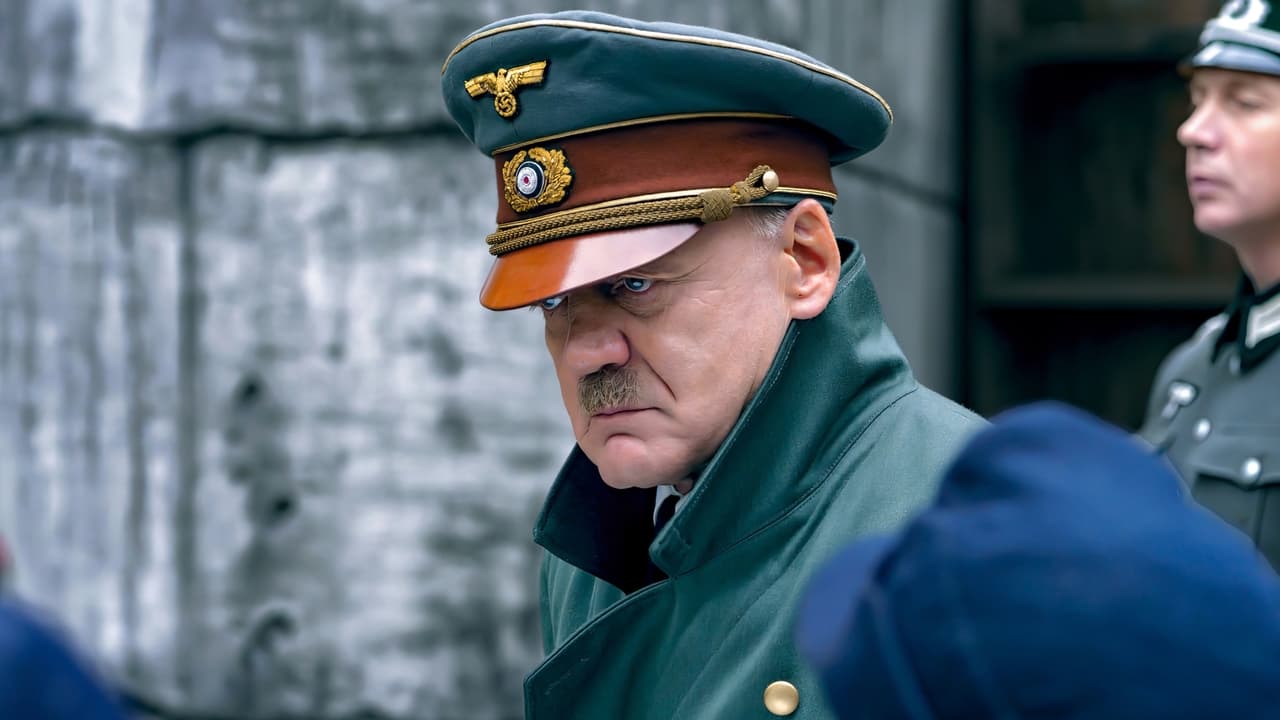
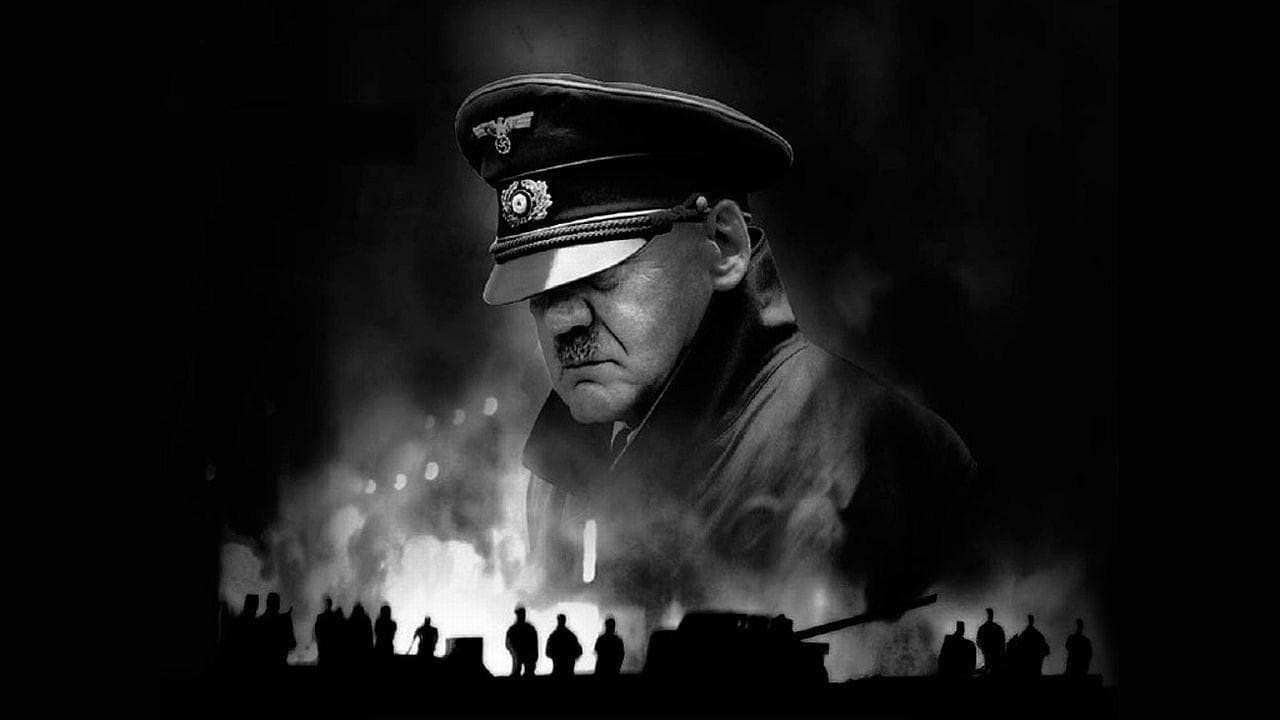
The weight of the film rests almost entirely on the shoulders of Bruno Ganz. Before this, many of us knew him as the gentle, contemplative angel in Wim Wenders’ Wings of Desire (1987), which makes his transformation here all the more jarring. Ganz doesn't play a cartoon villain. He plays a man whose physical shell is failing him as quickly as his empire. The shaking left hand, tucked behind his back in a futile attempt at dignity, is a detail Ganz reportedly perfected by observing Parkinson’s patients at a Swiss clinic.
When he finally explodes into those infamous rants—the ones that fueled a thousand internet memes a decade ago—they aren't funny in context. They are terrifying because of the desperation behind them. Bruno Ganz captures the terrifying pivot between a doting "uncle" figure to his secretary, Alexandra Maria Lara (playing Traudl Junge), and the delusional monster ordering non-existent armies to their deaths. It’s a performance that humanizes a monster without ever asking you to sympathize with him, which is a needle that very few actors could have threaded so precisely.
The Banality of the End
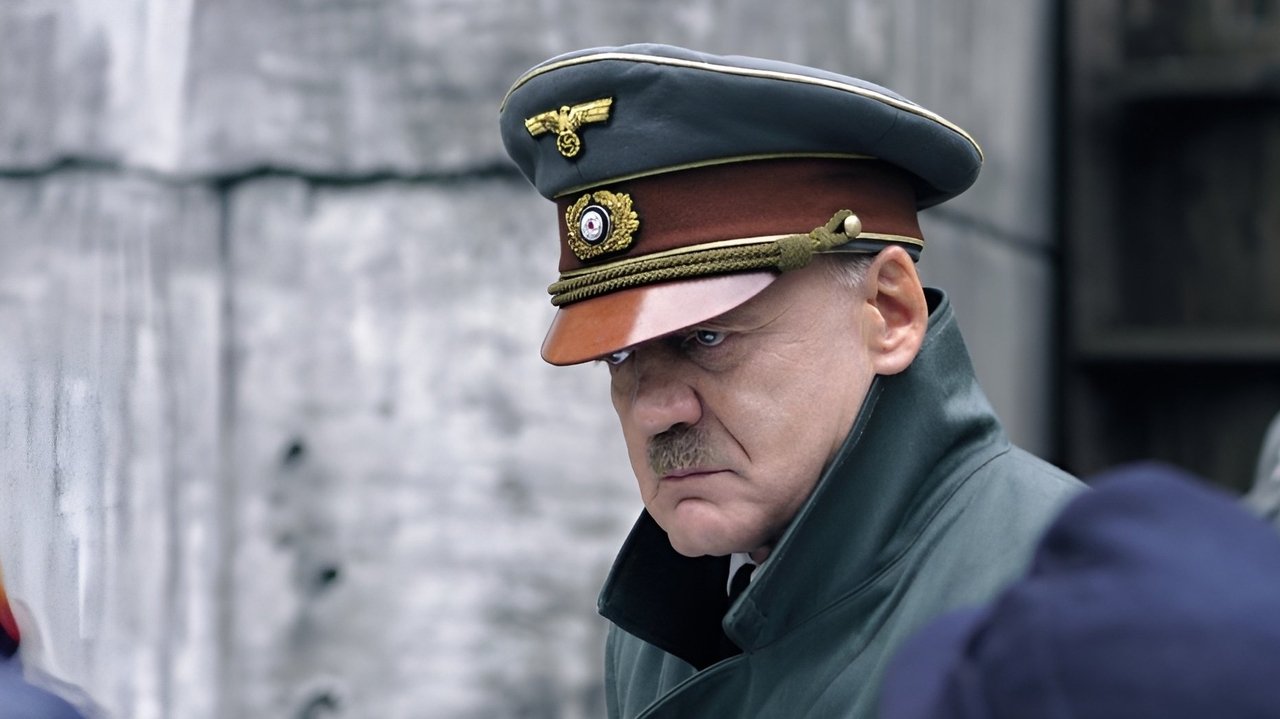
While Hitler is the gravity well of the film, the supporting cast provides the most chilling insights into the psychology of the era. The depiction of Joseph Goebbels and his wife Magda is, quite frankly, harder to watch than any of the battlefield carnage. Ulrich Matthes plays Goebbels with a reptilian, sunken-eyed fanaticism, but it is Corinna Harfouch as Magda who lingers in the mind.
The sequence involving the Goebbels children is one of the most difficult things I’ve ever sat through. It highlights the "prestige" nature of this production; it doesn't shy away from the horrific logical conclusion of "total war." Hirschbiegel frames these moments with a cold, observational distance that makes them feel like a historical autopsy. Heino Ferch as Albert Speer provides a necessary, if slightly more self-serving, contrast—the "architect" who sees the end coming and tries to navigate his own survival while the true believers prepare their suicide pacts.
A Legacy Beyond the Memes
Looking back at the mid-2000s, Downfall arrived during a peak era for the DVD "Special Edition" culture. I recall the supplementary documentaries—particularly those featuring the real Traudl Junge—being essential to understanding the film’s intent. The movie was a massive critical success, earning an Academy Award nomination for Best Foreign Language Film (it ultimately lost to Alejandro Amenábar’s The Sea Inside), but its real impact was in how it broke a long-standing German cinematic taboo regarding the depiction of the Nazi high command.
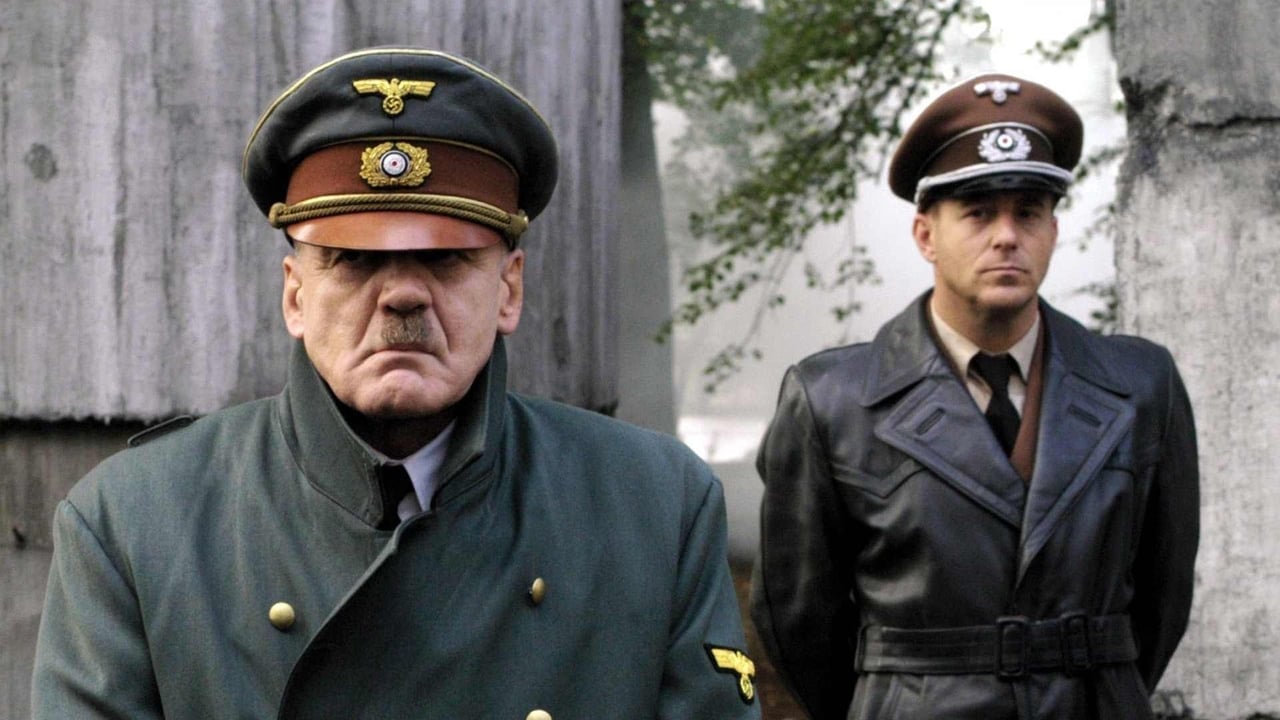
The cinematography by Rainer Klausmann uses a muted, almost sickly color palette. The yellows and grays of the bunker feel damp, while the scenes above ground in Berlin are a chaotic mess of rubble and smoke. It captured that post-9/11 cinematic trend of "gritty realism," but applied it to a historical moment that actually warranted the grime. If you only know this movie from the YouTube parody memes, you are missing one of the most sobering depictions of fanaticism ever filmed.
The film avoids the trap of many historical dramas that try to find a "lesson" or a silver lining. Instead, it offers a window into the vacuum left behind when a society collapses under the weight of its own hatred. It’s a exhausting experience, but an essential one.
The final moments of the film, which feature the real-life Traudl Junge speaking in her later years, serve as a haunting bridge between the drama and the reality. It’s a reminder that the people in the bunker weren't characters in a thriller; they were real people who steered the world into an abyss. Hirschbiegel’s film remains the definitive account of that collapse, a piece of cinema that is as technically masterly as it is emotionally draining. It doesn't offer an easy exit, but history rarely does.
Keep Exploring...
-
The Boy in the Striped Pyjamas
2008
-
Schindler's List
1993
-

The Imitation Game
2014
-

Braveheart
1995
-
Saving Private Ryan
1998
-
The Experiment
2001
-
The Pianist
2002
-
Hotel Rwanda
2004
-
Joyeux Noel
2005
-
The Patriot
2000
-
Enemy at the Gates
2001
-
Kingdom of Heaven
2005
-

Red Cliff
2008
-
The Round Up
2010
-

The Wind Rises
2013
-
Inglourious Basterds
2009
-
The Thin Red Line
1998
-
Black Book
2006
-
The Flowers of War
2011
-
Incendies
2010