Eternal Sunshine of the Spotless Mind
"Wipe the memory, but the heart remembers everything."
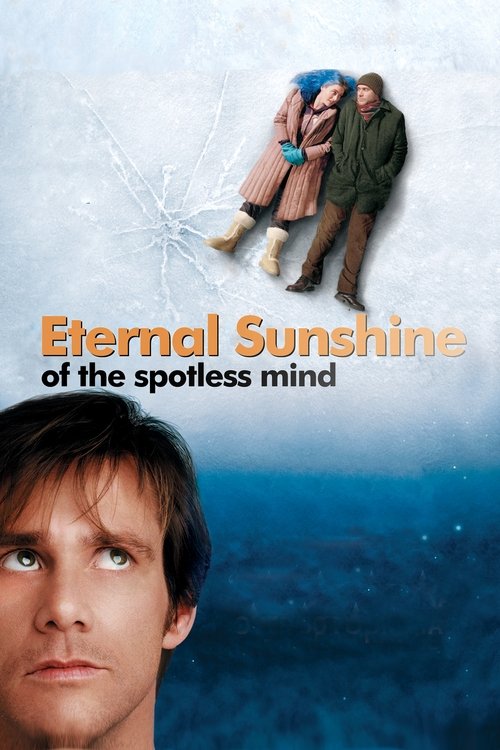
In the early 2000s, there was a specific kind of cinematic anxiety brewing. We were moving away from the shiny, polished optimism of the 90s and into a decade that felt a bit more frayed at the edges. While big franchises like The Lord of the Rings were conquering the box office with digital armies, a small, brainy, and deeply emotional film arrived to prove that the most mind-bending special effects didn't require a supercomputer—just a few well-placed mirrors and a heartbreakingly good script.

I recently rewatched Eternal Sunshine of the Spotless Mind while nursing a mild head cold and eating a lukewarm bowl of leftover pad thai that was definitely three days past its prime. Somehow, the slightly fuzzy, medicinal haze of my living room felt like the perfect environment to revisit Joel Barish’s crumbling subconscious.
Memory as a Low-Fi Special Effect
What strikes me most about this film twenty years later is how tactile it feels. In an era where CGI was becoming the default solution for every visual hurdle, director Michel Gondry (who cut his teeth on those iconic, inventive Björk music videos) insisted on doing almost everything practically. When Joel, played with a startling, quiet desperation by Jim Carrey, watches his memories disappear, the world doesn't dissolve into pixels. Instead, the lights go out in a library, or a house literally falls apart around him.
The cinematography by Ellen Kuras is a masterclass in controlled chaos. She uses handheld cameras and natural lighting to make the fantastical elements feel grounded and raw. There’s a scene where Joel and Clementine (Kate Winslet) are hiding in a memory of his childhood, and he’s suddenly a four-year-old under a kitchen table. They didn't use "de-aging" software or digital shrinking; they used "forced perspective," the same trick Peter Jackson used for Hobbits. It gives the film a dreamlike, analog texture that digital effects simply can’t replicate. It’s "indie" filmmaking with a studio budget, and it represents that brief window where creative risk-taking was actually being rewarded by the majors.
Subverting the Movie Star Archetype

At the time, casting Jim Carrey was a massive gamble. We knew him as the rubber-faced king of the 90s, the guy from Ace Ventura and The Mask. But here, he’s unrecognizable—not because of prosthetics, but because of his stillness. He plays Joel as a man who has retreated so far into himself that he’s practically a ghost. It’s easily his best work, proving that he didn't need the frantic energy to command a screen.
Then you have Kate Winslet. Clementine is the "Manic Pixie Dream Girl" archetype before the term was even coined, but she and screenwriter Charlie Kaufman (the genius behind Being John Malkovich) dismantle that trope entirely. She isn't there to save Joel; she’s a mess of impulses and insecurities, vividly signaled by her ever-changing hair colors. Winslet brings a jagged, frighteningly real energy to the role. The supporting cast is essentially a "Before They Were Superstars" starter pack, featuring a pre-Hulk Mark Ruffalo, a post-Lord of the Rings Elijah Wood, and a perfectly cynical Kirsten Dunst.
Hot Take: The subplot with the technicians is actually a horror movie disguised as a quirk-fest. Watching Elijah Wood’s character, Patrick, use Joel’s stolen memories to seduce Clementine is genuinely skin-crawling. It’s a brilliant move by Kaufman to show that even if you could erase a person, the tech would inevitably be used by creeps and losers.
The Prestige of the Broken Heart

Eternal Sunshine wasn't just a cult hit; it was a genuine awards contender, which was rare for a film that feels this avant-garde. Charlie Kaufman took home the Oscar for Best Original Screenplay, and Kate Winslet snagged a Best Actress nomination. It was the kind of "prestige" film that didn't feel like "Oscar bait." There are no sweeping historical vistas or grand political speeches—just the agonizingly relatable feeling of wanting to delete an ex from your brain.
The DVD era was at its peak in 2004, and I remember spending hours with the special features. The making-of documentaries revealed just how much of the film was improvised or captured through "happy accidents." Gondry would often give the actors conflicting instructions just to see what kind of genuine friction he could create. It’s a film built on the idea that the "flaws" in our memories and our relationships are what actually make them valuable.
Looking back, the score by Jon Brion is the secret weapon. It’s whimsical but melancholic, using detuned pianos and orchestral swells that sound like they’re being played on a dusty record player. It captures the feeling of a memory that is starting to warp. It’s a sound that defined a whole generation of "sad indie" cinema, but nobody has ever done it quite as well as this.
In a world where movies are increasingly designed by committees and algorithms, Eternal Sunshine of the Spotless Mind feels like a miraculous fluke. It’s a high-concept sci-fi movie that cares more about the human heart than the technology it's depicting. It asks a terrifying question: if you could take away the pain of a breakup, would you also be willing to lose the joy that came before it? It’s a beautiful, messy, and deeply empathetic film that stays with you long after the credits roll—no matter how much you might want to forget.

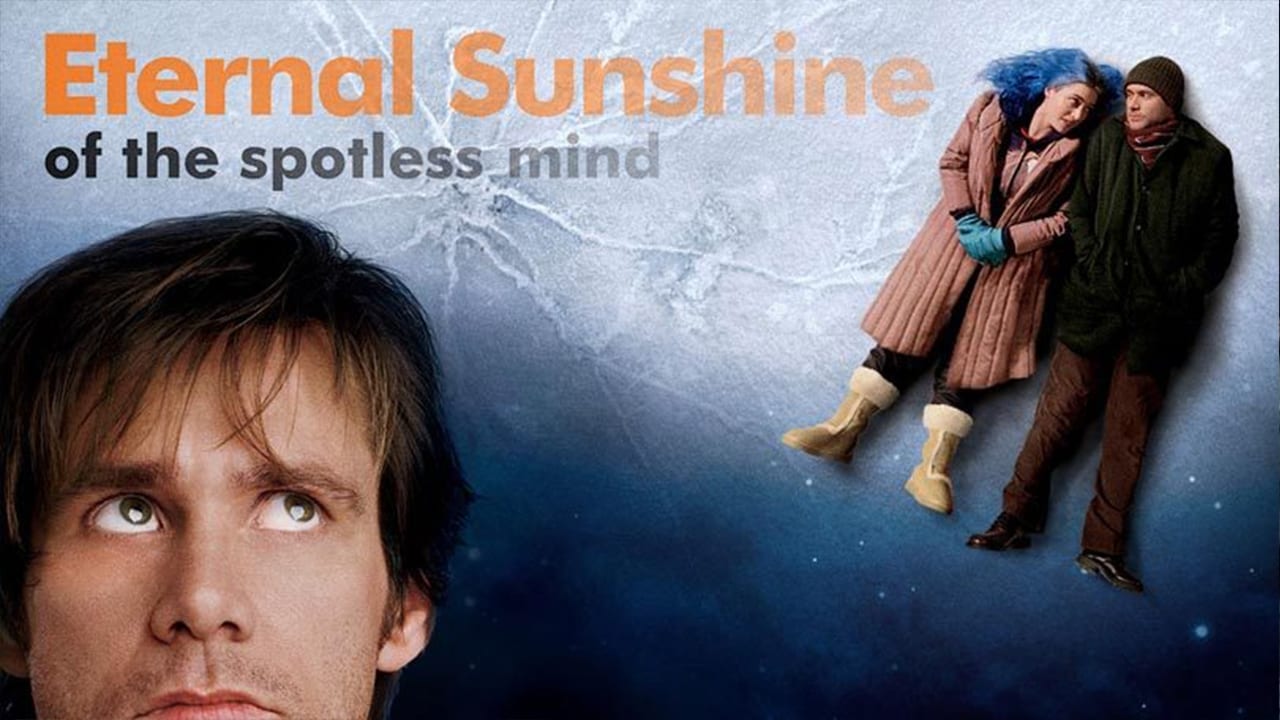
Keep Exploring...
-

Mr. Nobody
2009
-

Her
2013
-
2046
2004
-

A Walk to Remember
2002
-
The Notebook
2004
-
The Prestige
2006
-

The Iron Giant
1999
-
A Beautiful Mind
2001
-

Pride & Prejudice
2005
-

Titanic
1997
-
The Reader
2008
-

Flipped
2010
-
In the Mood for Love
2000
-

Before Sunset
2004
-

The Fountain
2006
-
Forever Young
1992
-
Forrest Gump
1994
-
Before Sunrise
1995
-

Dilwale Dulhania Le Jayenge
1995
-

10 Things I Hate About You
1999