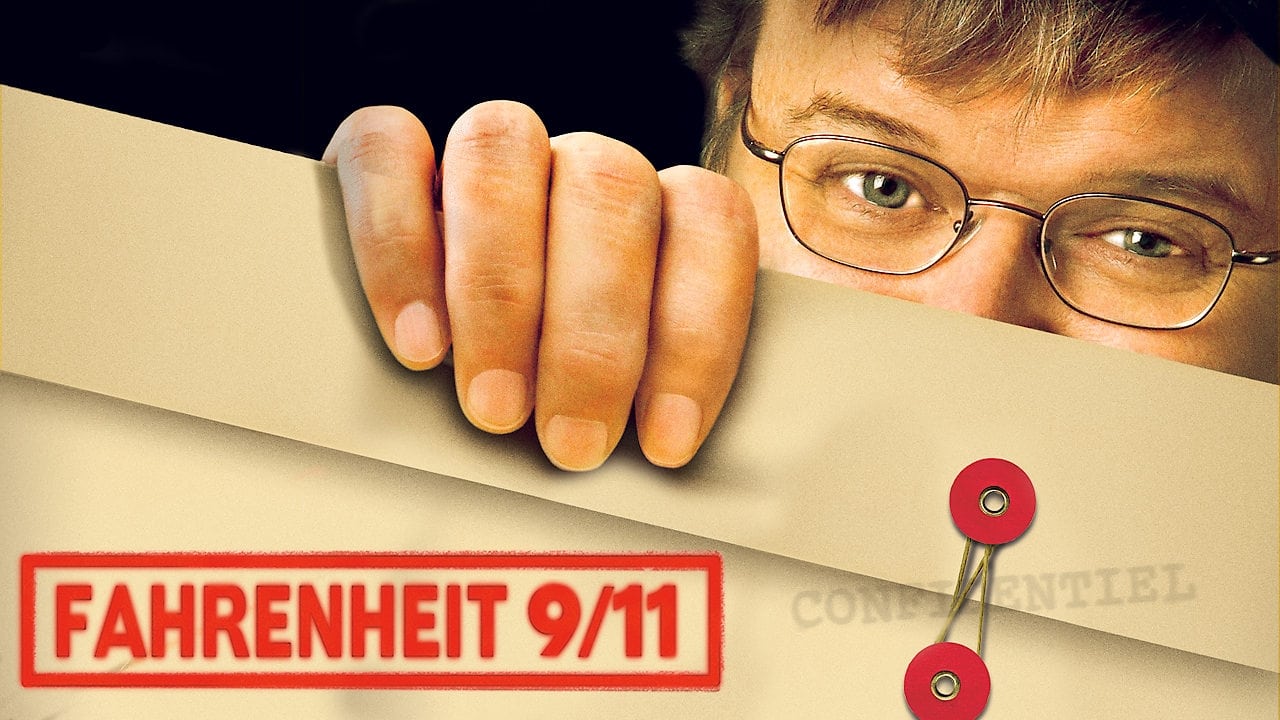
Fahrenheit 9/11
"The silence of the goat speaks volumes."
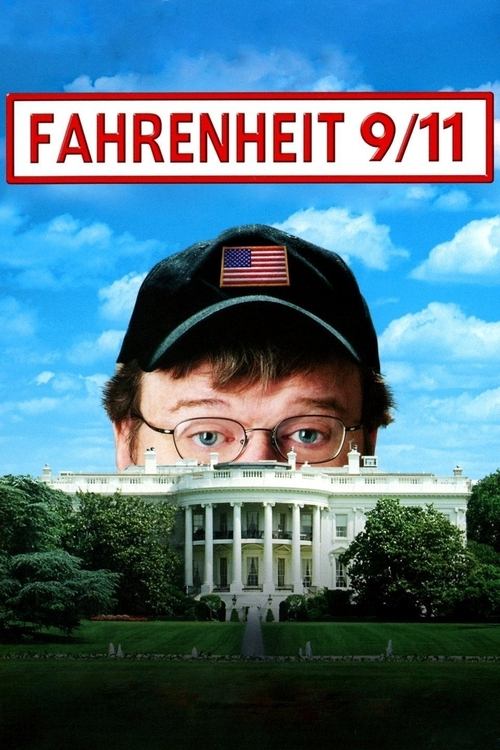
I remember sitting in a theater in 2004, the air conditioning hummed a bit too loudly, and I was nursing a lukewarm Cherry Coke that had lost its fizz twenty minutes into the trailers. The lights dimmed, and for a few seconds, the screen stayed pitch black. We heard the sounds of September 11th—the screams, the low roar of engines, the sickening thud of impact—without seeing a single frame of footage. It was a gutsy, jarring opening that signaled Michael Moore wasn't just making a documentary; he was staging a cinematic intervention.
Looking back, Fahrenheit 9/11 feels like a time capsule of a very specific, high-octane anxiety. We were living in the "Mission Accomplished" era, a time of duct-tape-and-plastic-sheeting terror alerts and freedom fries. Whether you loved him or loathed him, Michael Moore (fresh off his Bowling for Columbine success) was the only filmmaker with a loud enough megaphone to treat a political argument like a summer blockbuster.
The Protagonist in the Red Baseball Cap
While the film is technically a documentary, it plays out with the narrative beats of a political thriller. Michael Moore casts himself as the bumbling but persistent detective, poking his head into places he isn't wanted. It’s easy to forget now, but Moore’s persona was the precursor to the entire "citizen journalist" boom. He isn't just a narrator; he’s the emotional proxy for a frustrated segment of the American public.
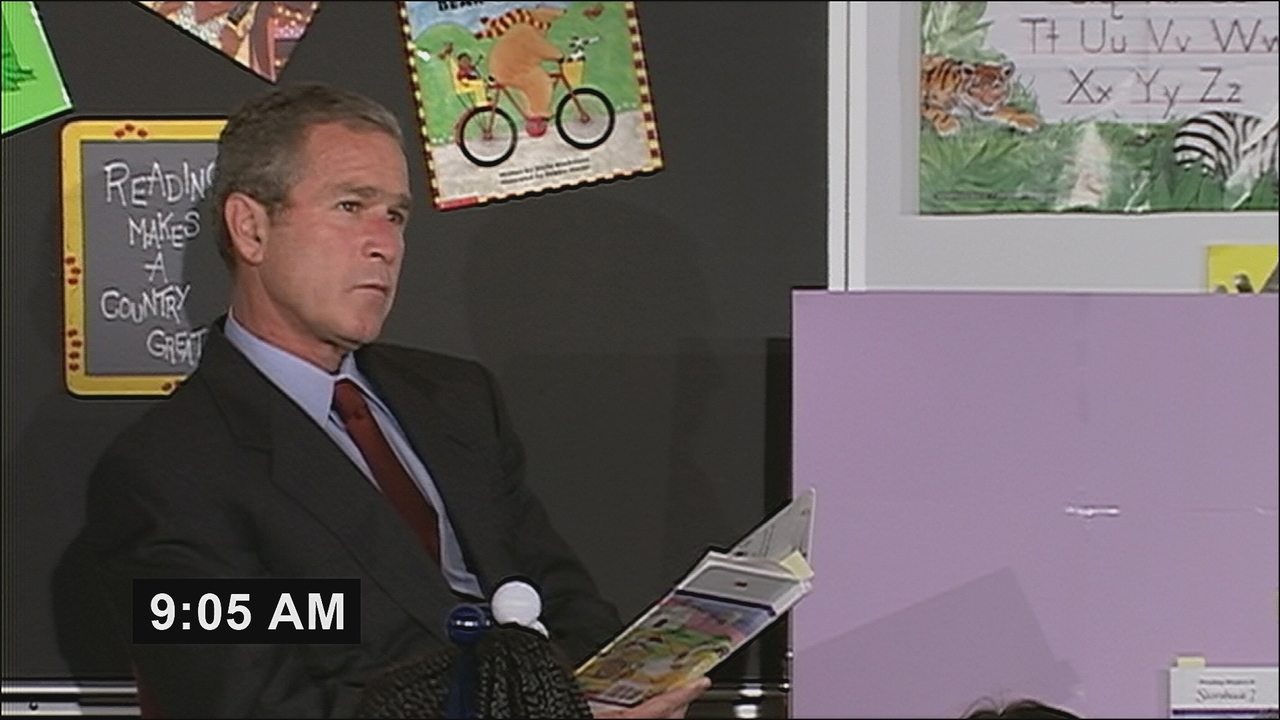
The "drama" here doesn't just come from the statistics or the grainy footage of Saudi dignitaries. It comes from the faces. George W. Bush is treated less like a politician and more like a character study in overmatched leadership. The sequence where he sits in a Florida classroom for seven minutes after being told the nation is under attack—clutching The Pet Goat while his eyes dart around in a mixture of shock and paralysis—is legendary. The "Pet Goat" sequence remains the most excruciating seven minutes of footage ever captured on a digital sensor. It’s a masterclass in Kuleshov-effect editing; Moore doesn't have to say a word because the silence on Bush’s face does all the heavy lifting.
But the real heart of the film isn't the politicians; it’s Lila Lipscomb, a pro-war mother from Moore’s hometown of Flint, Michigan. Her arc—from proud military mother to a woman shattered by the loss of her son in Iraq—is the film’s emotional anchor. When she stands outside the White House, her grief is so raw and unvarnished that it makes the political grandstanding of the earlier chapters feel appropriately small. Moore is basically the Steven Spielberg of resentment, knowing exactly when to pull the strings to turn a policy critique into a human tragedy.

A Blockbuster Born of Controversy
The behind-the-scenes drama of Fahrenheit 9/11 was almost as intense as the film itself. It’s hard to imagine now, in our fractured streaming world, but this movie was a genuine event. Disney famously refused to let Miramax distribute it, fearing it would jeopardize tax breaks for their Florida theme parks. This led to Harvey Weinstein and Bob Weinstein personally buying the rights back to release it through a fellowship adventure group.
The gamble paid off in a way the industry had never seen. Produced for a modest $6 million, it raked in over $222 million worldwide. To put that in perspective, it out-earned massive scripted dramas that year like Cold Mountain or The Aviator. It remains the highest-grossing documentary of all time, a record that likely won't be broken because the "watercooler" moviegoing experience has shifted so heavily to social media.
At the 2004 Cannes Film Festival, the movie didn't just win the Palme d'Or; it received a 20-minute standing ovation, the longest in the festival’s history. Watching it now, you can see the "DVD Culture" influence—the film is structured in chapters that feel like they were designed for the "Scene Selection" menu, packed with the kind of rapid-fire trivia and "gotcha" moments that made people want to own the physical disc to show their friends.
Assessing the Legacy
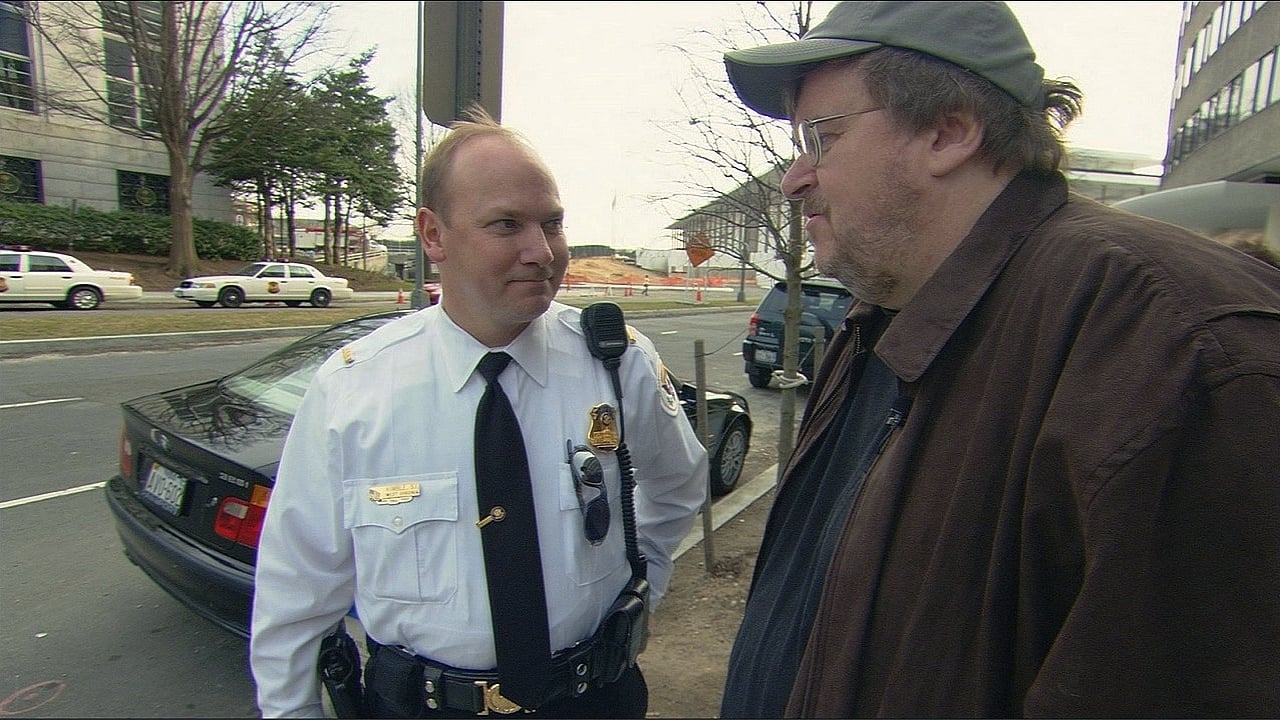
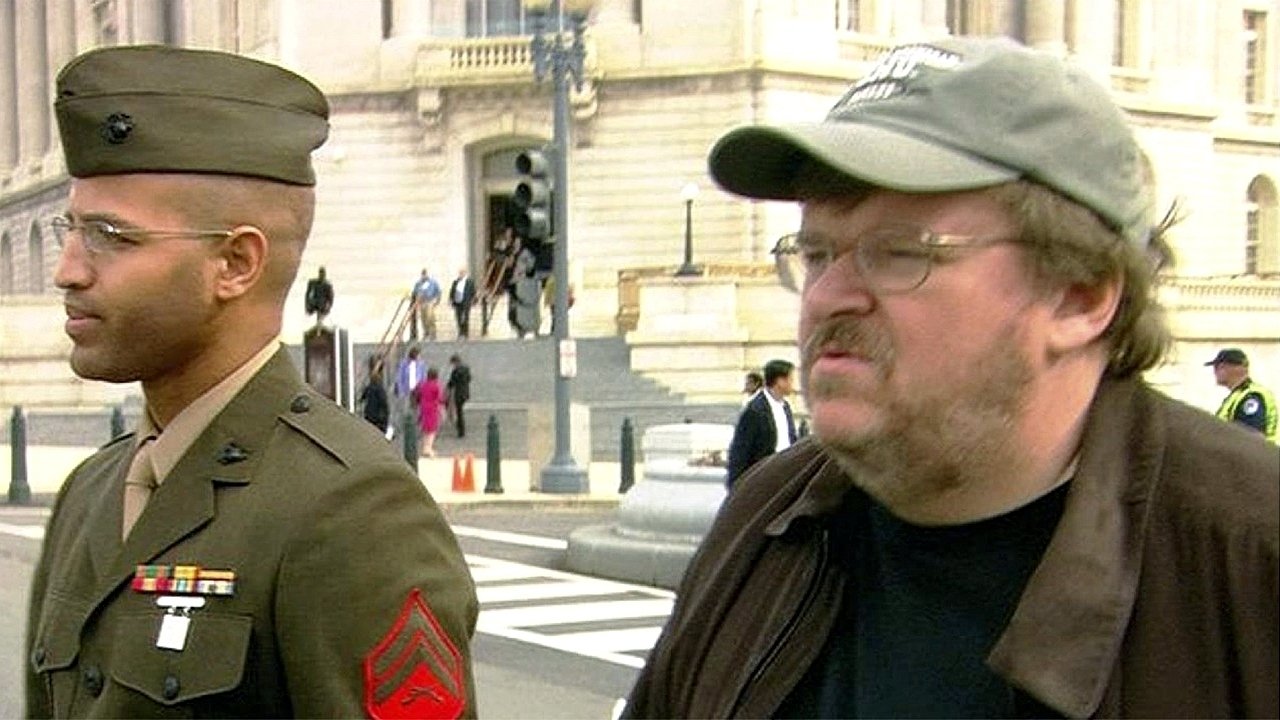
Does it hold up? As a piece of journalism, it’s undeniably biased—Moore has never pretended to be an objective observer. He’s a polemicist. But as a piece of cinema, it’s brilliantly constructed. The way he weaves together pop culture references (using the theme from Bonanza over footage of the Bush administration) with harrowing footage of Abdul Henderson and other soldiers in Iraq creates a jarring, surreal tone that captured the "Y2K-meets-war-on-terror" mood perfectly.
The film serves as a stark reminder of how much the digital revolution changed storytelling. Much of the footage Moore used was sourced from international news feeds and handheld cameras that were just starting to become ubiquitous. It felt "live" in a way that previous documentaries didn't. It wasn't just reflecting history; it was trying to change the outcome of an election in real-time.
Fahrenheit 9/11 is a loud, messy, and unashamedly manipulative piece of work, and I mean that as a compliment. It captures the frantic, paranoid energy of the early 2000s better than almost any scripted drama of the era. Whether you find Moore’s tactics brilliant or as subtle as a sledgehammer in a glass factory, you can't deny the film's power to provoke. It’s a landmark of modern cinema that proved a man with a camera and a grudge could out-muscle the biggest studios in Hollywood.
Keep Exploring...
-
Bowling for Columbine
2002
-

March of the Penguins
2005
-
An Inconvenient Truth
2006
-
This Is It
2009
-
Jackass 3D
2010
-
Jackass: The Movie
2002
-
Super Size Me
2004
-
Grizzly Man
2005
-
Jackass Number Two
2006
-
Man on Wire
2008
-
American Pie
1999
-
Austin Powers: The Spy Who Shagged Me
1999
-
Big Daddy
1999
-

She's All That
1999
-
The Talented Mr. Ripley
1999
-
Chicken Run
2000
-
Chocolat
2000
-
Final Destination
2000
-
Miss Congeniality
2000
-
Remember the Titans
2000