Finding Neverland
"Before he was a legend, he was a friend."
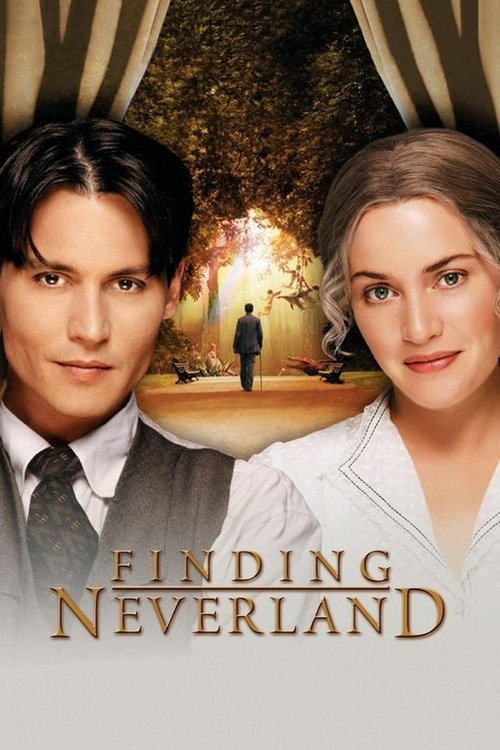
I remember watching this on a tiny portable DVD player in 2005 while my cat persistently tried to bite the plastic antenna, and even on a seven-inch screen, the ending absolutely wrecked me. It’s a film that exists in that specific mid-2000s pocket where Miramax was the undisputed king of the "prestige tearjerker," and Marc Forster (fresh off Monster's Ball) managed to capture a kind of lightning in a bottle that feels increasingly rare in today’s franchise-saturated landscape.
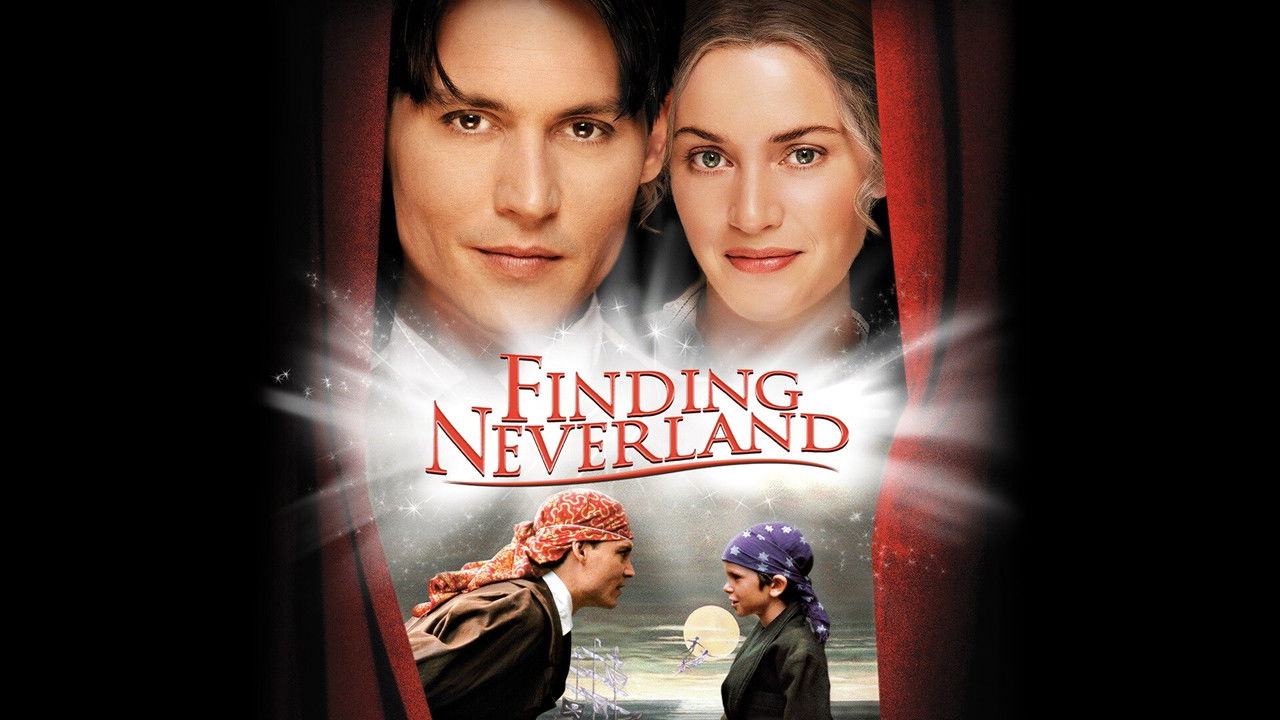
Finding Neverland isn’t a biopic about J.M. Barrie in the way a modern film might be—it’s not interested in the gritty, potentially darker psychological corners of the real man’s life. Instead, it’s a film about the utility of imagination. It asks why we build these elaborate internal worlds, and the answer it provides is both beautiful and devastating: we build them because the real world is often too heavy to carry alone.
The Peak of the Depp-aissance
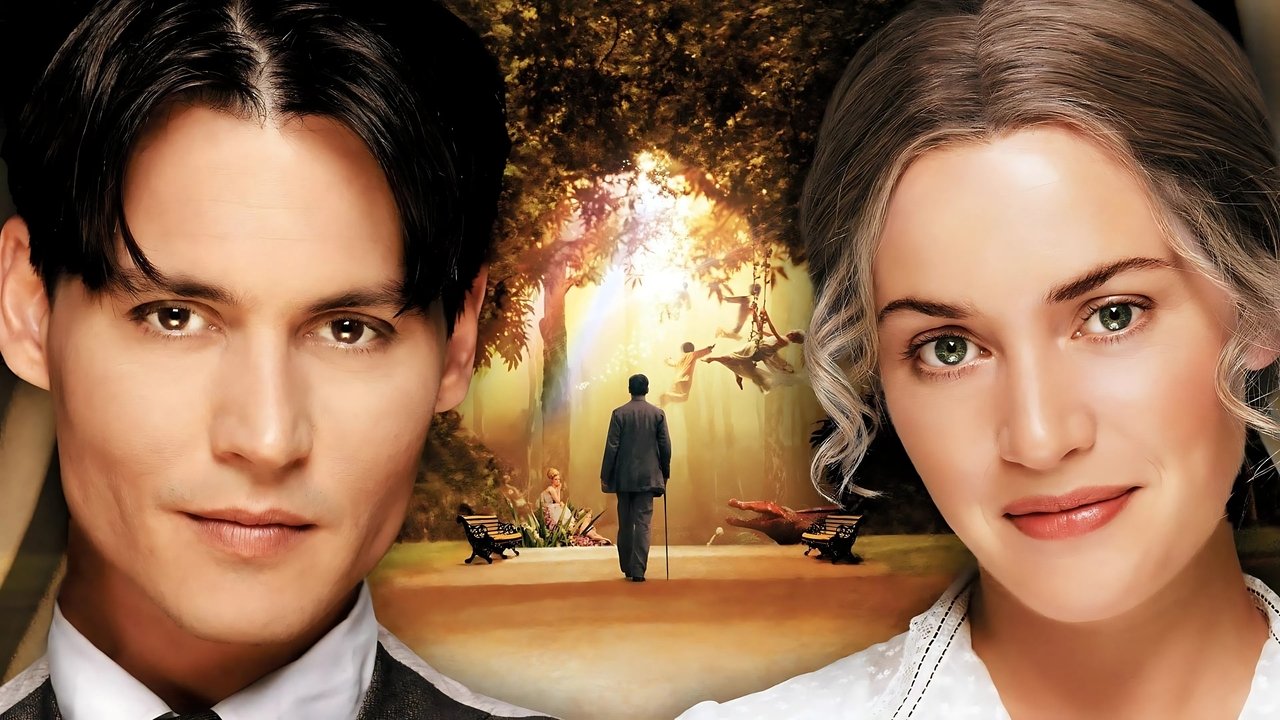
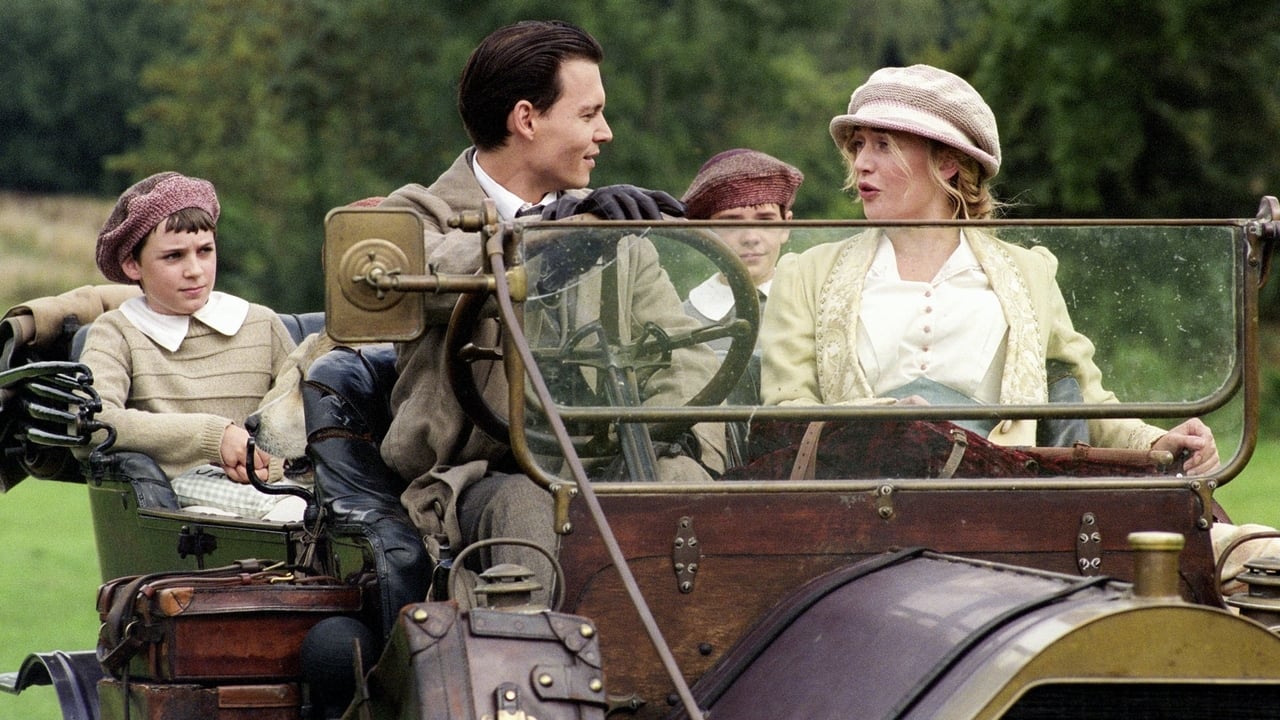
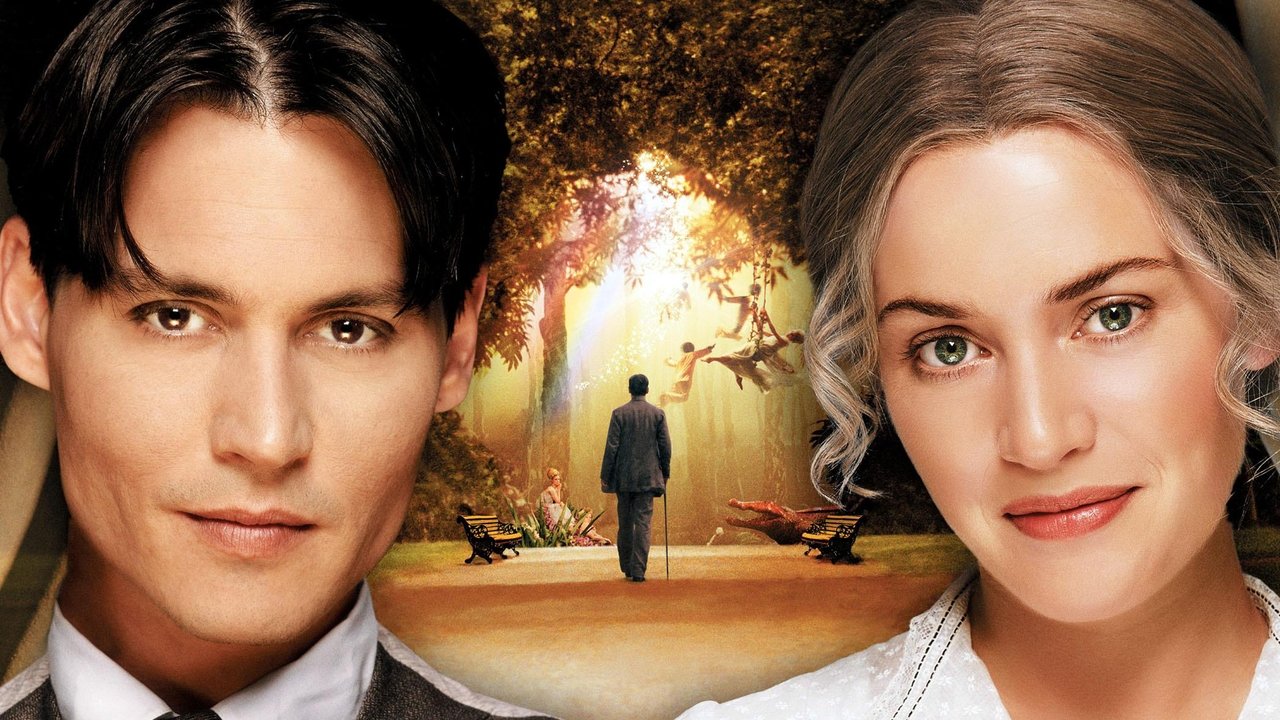
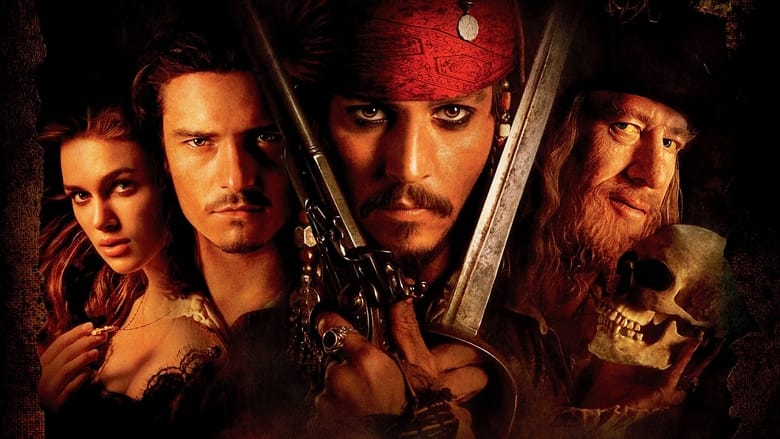
Looking back from the 2020s, it’s easy to forget that there was a time when Johnny Depp was the most nuanced actor on the planet. This was 2004; Pirates of the Caribbean had just turned him into a global megastar, but he hadn't yet retreated into the thick layers of prosthetics and "wacky" tics that would define his later career. As Sir James Matthew Barrie, he is remarkably still. There’s a gentleness in his Scottish lilt and a perpetual sadness in his eyes that anchors the more whimsical elements of the story.
He’s matched beat-for-beat by Kate Winslet as Sylvia Llewelyn Davies. Winslet (who had already dominated the era with Eternal Sunshine of the Spotless Mind that same year) plays the widowed mother of four with a vulnerability that never feels like a "damsel" trope. You can see the exhaustion in her posture, the weight of early 20th-century social expectations pressing down on a woman who just wants her boys to be happy.
But the real MVP is a young Freddie Highmore. I’m usually wary of "precocious" child actors, but Highmore is a revelation here. His performance as Peter is so raw that Depp actually campaigned for him to be cast in Charlie and the Chocolate Factory immediately after. Freddie Highmore's crying face is a biological weapon designed to liquidate your tear ducts. When he finally breaks, the audience doesn't stand a chance.
When CGI Had a Soul
Technologically, Finding Neverland arrived at a fascinating crossroads. We were deep into the CGI revolution, but the "digital look" hadn't yet become the flat, over-saturated sheen we see in modern blockbusters. Forster uses digital effects sparingly and purposefully to represent the boys' imagination. A park bench becomes a pirate ship; a dog becomes a dancing bear; a garden becomes a lush, impossible jungle.
There’s a specific "softness" to the 2004-era digital compositing that actually aids the film’s dreamlike quality. It doesn't look "real," but it feels true to how a child perceives a game of make-believe. Compare this to the hyper-realism of modern Disney live-action remakes, and you realize something was lost when we mastered the technology. Here, the "fakeness" of the fantasy sequences is the point—they are fragile constructions meant to shield the characters from the harsh reality of illness and grief.
Behind the Curtains and Into the Woods
The production itself was a bit of a miracle. The script, by David Magee and Allan Knee, sat on a shelf for years because the estate of J.M. Barrie was notoriously protective of the Peter Pan rights. It took the muscle of Dustin Hoffman (who appears as the delightfully cynical theater producer Charles Frohman) and the Miramax machine to get it green-lit.
Interestingly, the film captures the "theatricality" of the era perfectly. The scenes set in the Duke of York’s Theatre feel lived-in and dusty, a sharp contrast to the bright, open spaces of the park where Barrie meets the boys. It’s also worth noting the score by Jan A. P. Kaczmarek, which won an Oscar and remains one of the most evocative soundtracks of the decade. It has this repetitive, clock-like motif that constantly reminds you that time is running out—a central theme for a story about a boy who refuses to grow up.
The film isn't perfect; it plays fast and loose with the historical timeline (the real Sylvia had a husband who was very much alive when she met Barrie), and it leans heavily into the "dying mother" trope. However, it earns every bit of its sentimentality. It’s a reminder that even in an era of rapid technological change and post-9/11 cynicism, there was a massive audience for a quiet, well-acted drama about the power of a story. If you don’t cry during the back-garden play scene, you might actually be a Roomba.
Rewatching this today, I’m struck by how much it relies on the chemistry of the ensemble rather than the spectacle of the effects. It’s a "prestige" film that actually has a heart, and while the 2000s gave us plenty of Oscar bait, this one still manages to feel like a genuine gift. It’s the kind of movie that makes you want to go outside and see something other than just a park bench.
Keep Exploring...
-
Stranger Than Fiction
2006
-
The Kite Runner
2007
-
Charlie and the Chocolate Factory
2005
-
Sweeney Todd: The Demon Barber of Fleet Street
2007
-
Edward Scissorhands
1990
-
Dead Man
1995
-
Monster's Ball
2001
-
Stay
2005
-
Ghost
1990
-
Forever Young
1992
-
The Santa Clause
1994
-
Phenomenon
1996
-
Pirates of the Caribbean: The Curse of the Black Pearl
2003
-

Pirates of the Caribbean: Dead Man's Chest
2006
-
Pirates of the Caribbean: At World's End
2007
-
Donnie Brasco
1997
-
Perfume: The Story of a Murderer
2006
-
Interview with the Vampire
1994
-
City of Angels
1998
-

Being John Malkovich
1999