Flight of the Phoenix
"Hope is a DIY project."
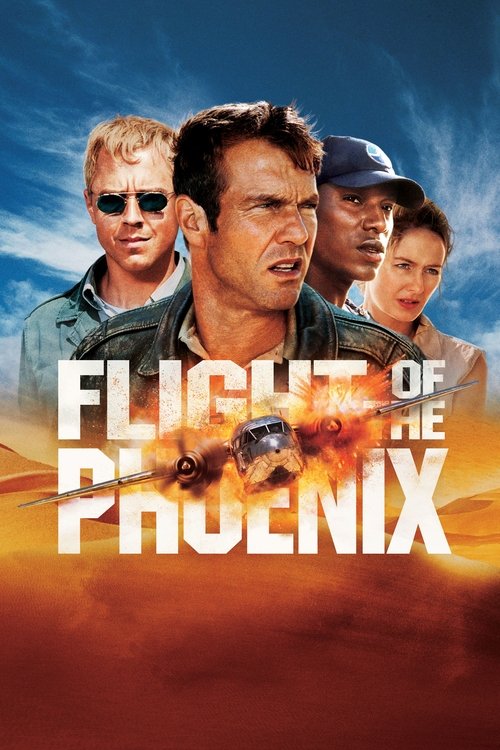
I remember watching Flight of the Phoenix for the first time on the tiny, glowing screen of a PlayStation Portable (PSP) during a grueling family road trip through the Mojave. There was a delicious, meta irony in watching Dennis Quaid sweat through a desert emergency while I was trapped in the back of a humid minivan passing through Barstow. Even on a four-inch screen, the 2004 remake felt like a movie that desperately wanted to be "The Big One" of its winter season, only to be swallowed by the very sands it was filming.
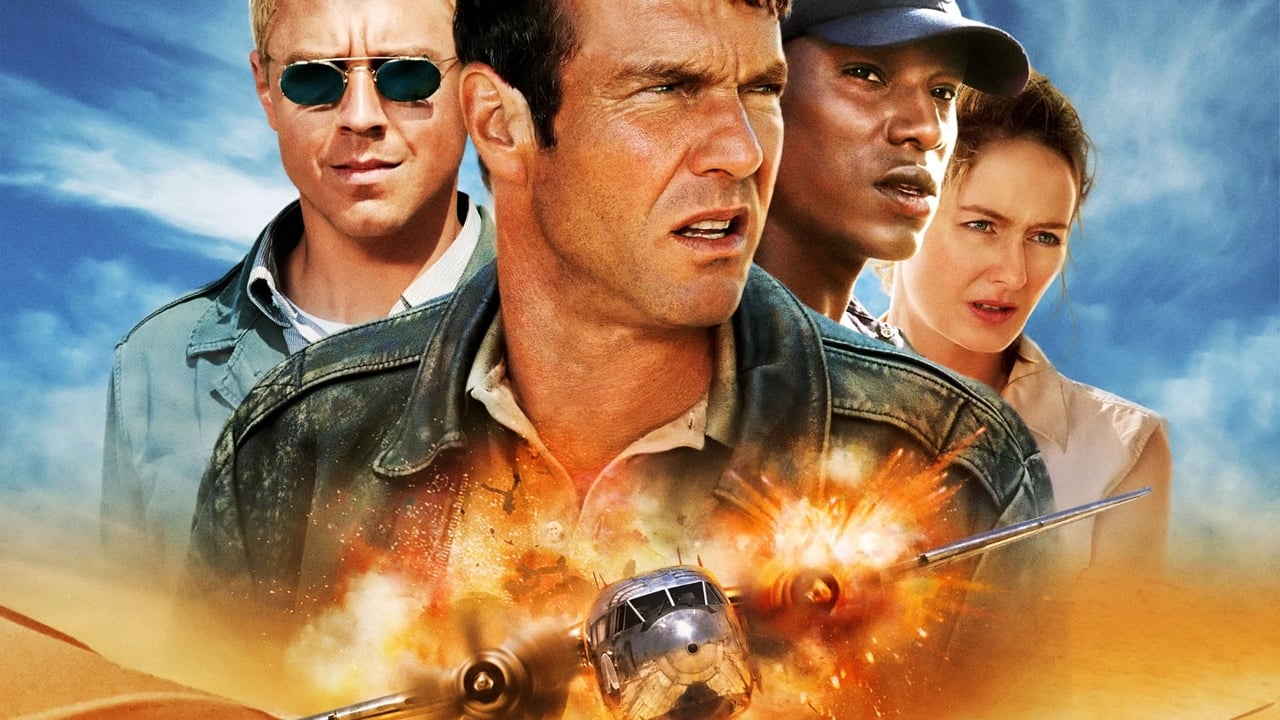
Coming out in an era where Hollywood was still figuring out how much CGI was "too much," this film is a fascinating relic. It’s a remake of the 1965 Jimmy Stewart classic, but it swaps the mid-century stoicism for early 2000s grit and a soundtrack that features Outkast. It’s a survivalist’s fever dream that somehow feels both wildly ambitious and strangely forgotten.
The Anatomy of an Aerial Autopsy
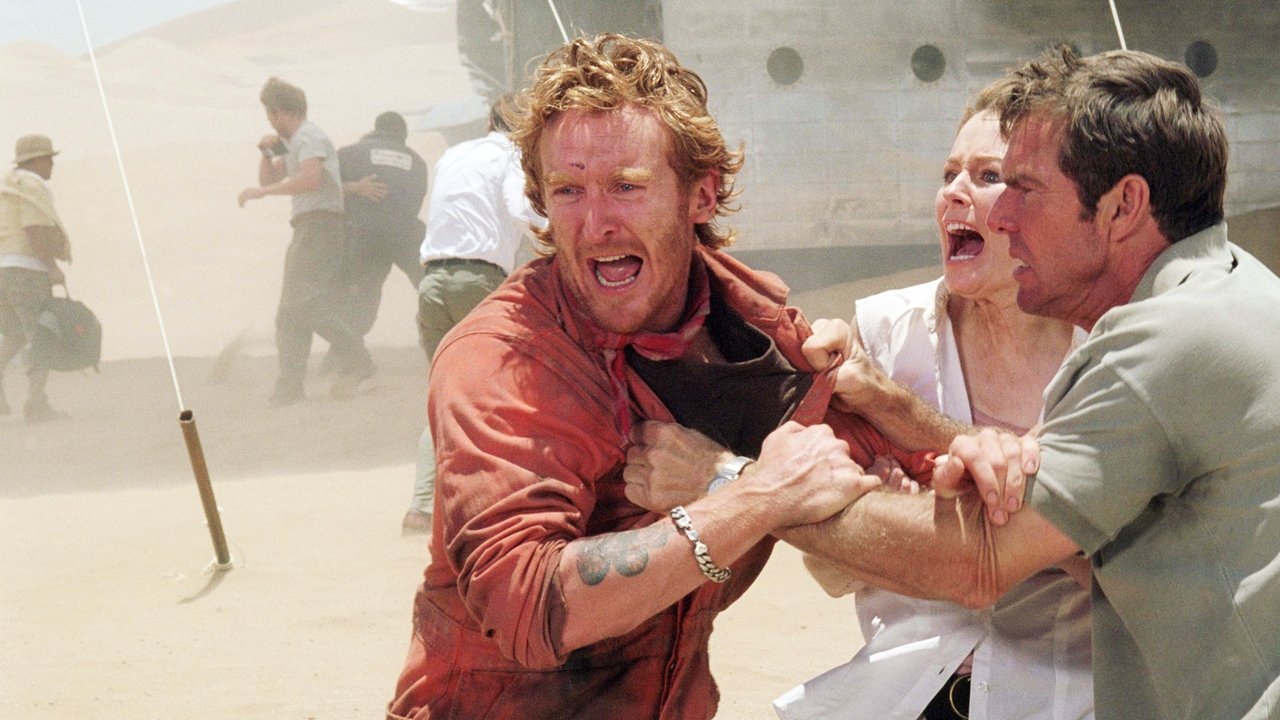
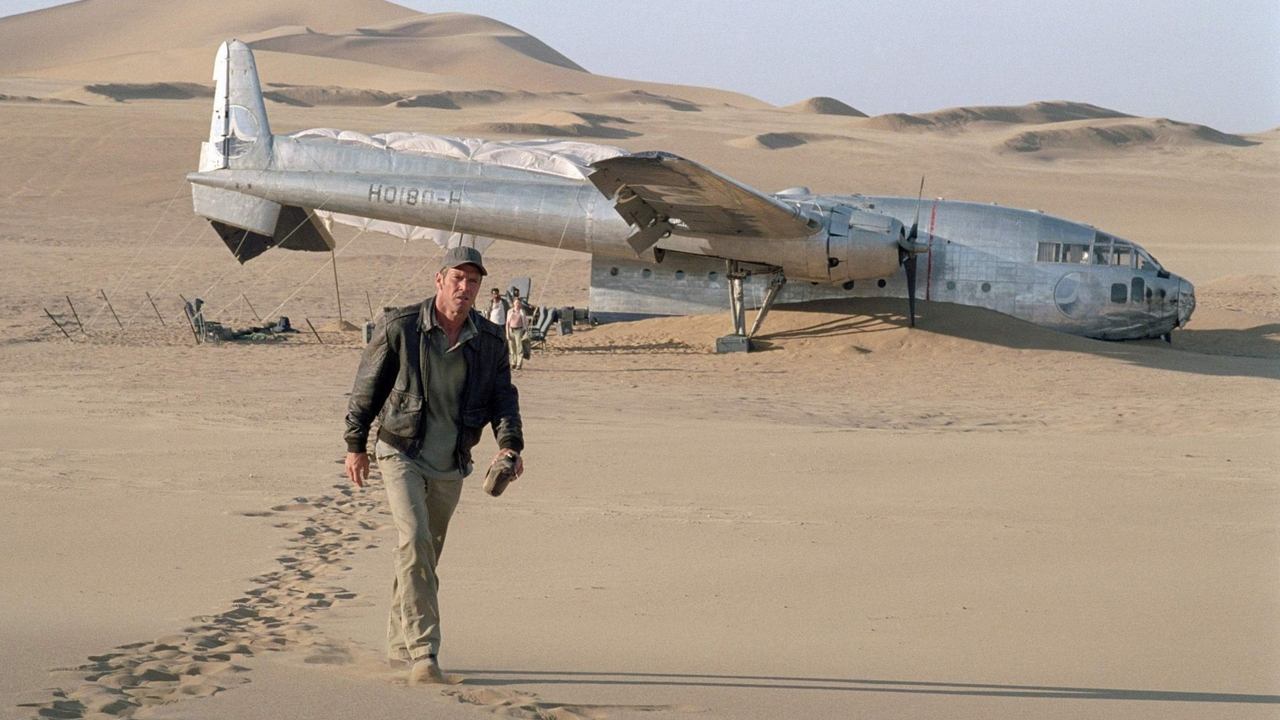
The film kicks off with one of the most effective crash sequences of the decade. Director John Moore, fresh off the sleek Behind Enemy Lines, treats the failure of a C-119 Flying Boxcar like a high-speed car wreck in the sky. It’s a masterclass in tension, utilizing a blend of practical cockpit shaking and what was then top-tier digital effects to simulate a Mongolian sandstorm. When the plane finally hits the dunes, you feel the crunch of every rivet.
The action choreography here isn't about explosions (well, not at first); it’s about the physics of failure. The cinematography by Brendan Galvin captures the desert not as a beautiful expanse, but as a claustrophobic, blinding trap. The heat is almost tactile. Looking back, the mid-2000s "cool guy" camaraderie feels like it was manufactured in a lab by people who had never actually been to a desert, yet the film manages to ground its spectacle in the tangible dirt of the Gobi. The stakes are simple: build a new plane from the wreckage of the old one or wait for the water to run out.
Ribisi, Quaid, and the Ego Engines
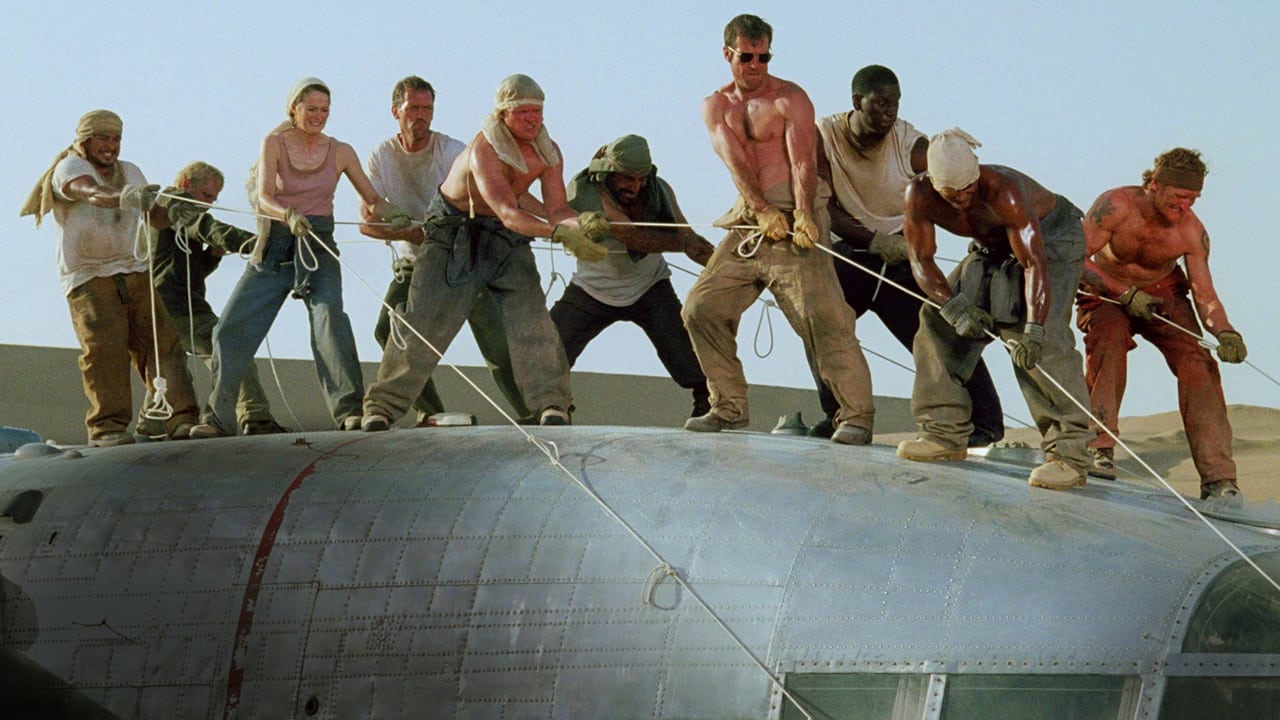
The movie lives or dies on the friction between Dennis Quaid as Capt. Frank Towns and Giovanni Ribisi as the enigmatic, borderline-creepy Elliott. Quaid does the "grizzled leader" thing with his eyes half-squinted throughout, but Ribisi is the one who makes the movie worth the price of admission. He plays Elliott like a man who has read every book on engineering but has never held a human conversation. His performance is a twitchy, arrogant delight that keeps the group dynamic from feeling like a generic disaster-movie ensemble.
Then there’s the rest of the crew. Tyrese Gibson provides the emotional ballast as the co-pilot, and Miranda Otto (hot off The Lord of the Rings) is given the thankless "lone woman in the desert" role, which she handles with more dignity than the script perhaps deserves. There’s a scene where the group performs a choreographed dance to "Hey Ya!" to keep their spirits up. The decision to have a group of starving survivors perform a Boy Band routine in the middle of a Mongolian wasteland is the exact moment cinema peaked—or died, depending on your caffeine levels. It is the most 2004 thing to ever happen on celluloid.
A Beautiful, Expensive Mirage
Why did this movie bomb? It’s a question that haunts the DVD bargain bins. Released just a few years after 9/11, it captured a certain anxiety about being stranded in a hostile, "foreign" land, but it lacked the escapist joy of The Mummy or the prestige of Gladiator. It was a $45 million gamble that only made back half its budget, largely because it occupied a weird middle ground: too serious for kids, too "Hollywood" for fans of the original.
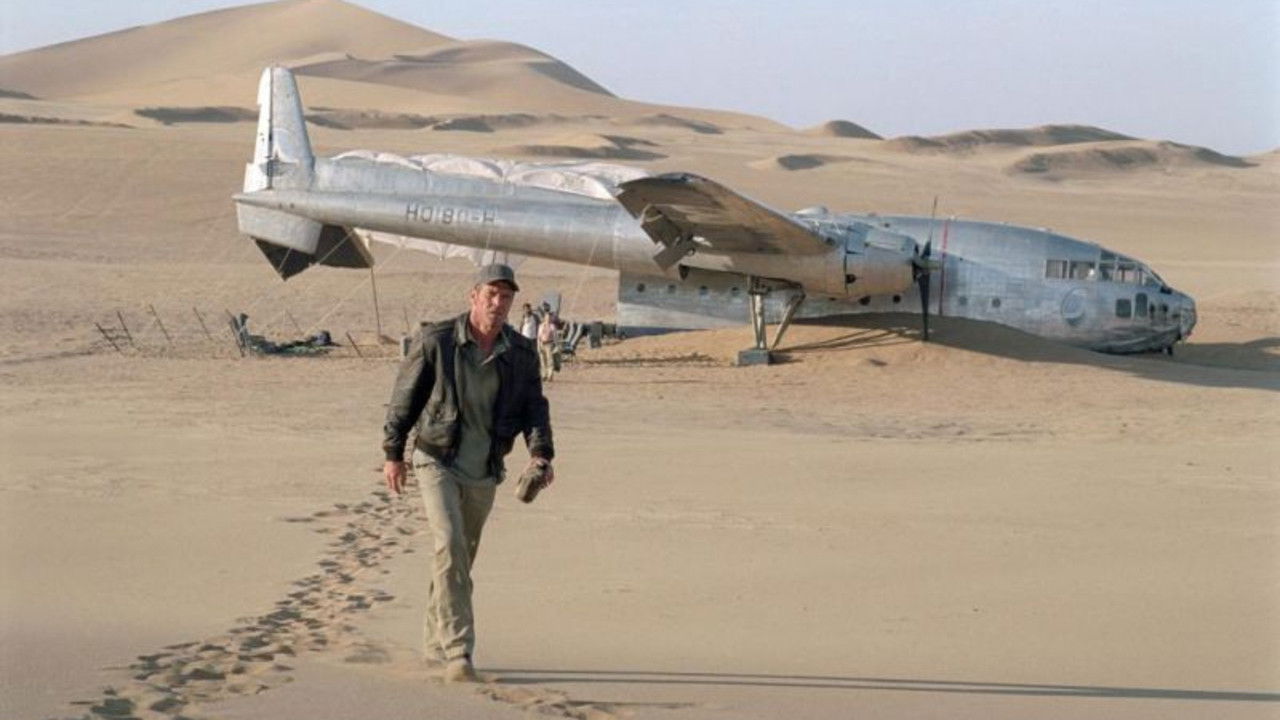
There’s some incredible trivia hidden in the sand, too. The "Phoenix" aircraft built for the film was a real, functional hybrid plane. In a tragic bit of life imitating art, the stunt plane actually crashed during filming in Arizona. While the pilot walked away, the plane was a total loss, forcing the production to rely more heavily on CGI for the final flight. You can see that transition on screen—the final act has a digital sheen that lacks the heavy, oily reality of the opening crash. It’s a snapshot of the industry's shift toward the "everything is possible in post" mentality that defines the modern MCU era.
Ultimately, Flight of the Phoenix is a "Saturday Afternoon Movie" in its purest form. It’s not a masterpiece, and it doesn't have the soul of the 1965 original, but it’s a rock-solid survival thriller with a standout weirdo performance by Giovanni Ribisi. It reminds me of a time when studios still took big swings on mid-budget action movies that weren't part of a fifteen-film cinematic universe. If you can forgive the "Hey Ya!" dance number, there’s a genuinely gripping story about the arrogance of man versus the indifference of nature buried under those digital dunes.
Keep Exploring...
-
Behind Enemy Lines
2001
-
Walking Tall
2004
-

Sahara
2005
-
Valhalla Rising
2009
-
The Edge
1997
-
All Is Lost
2013
-
DragonHeart
1996
-
The Messenger: The Story of Joan of Arc
1999
-
Days of Thunder
1990
-

1492: Conquest of Paradise
1992
-
Maverick
1994
-
Wyatt Earp
1994
-
First Knight
1995
-
Executive Decision
1996
-
Street Kings
2008
-
Centurion
2010
-

The Man in the Iron Mask
1998
-
The Count of Monte Cristo
2002
-
Vantage Point
2008
-

The 13th Warrior
1999