Garden State
"Home is where the meds wear off."
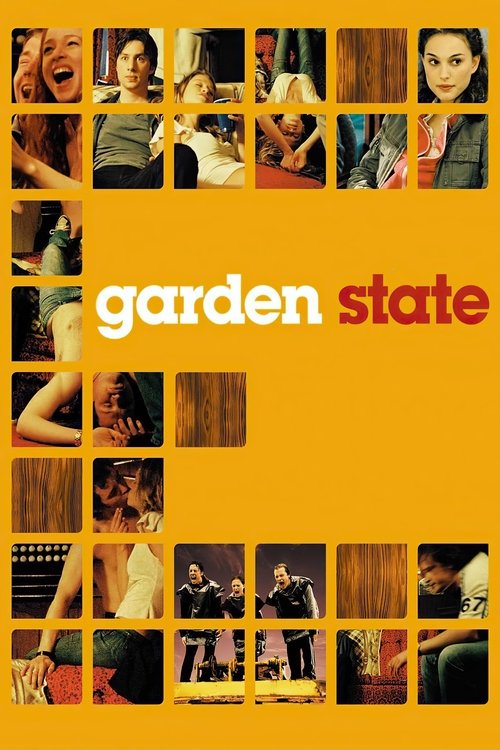
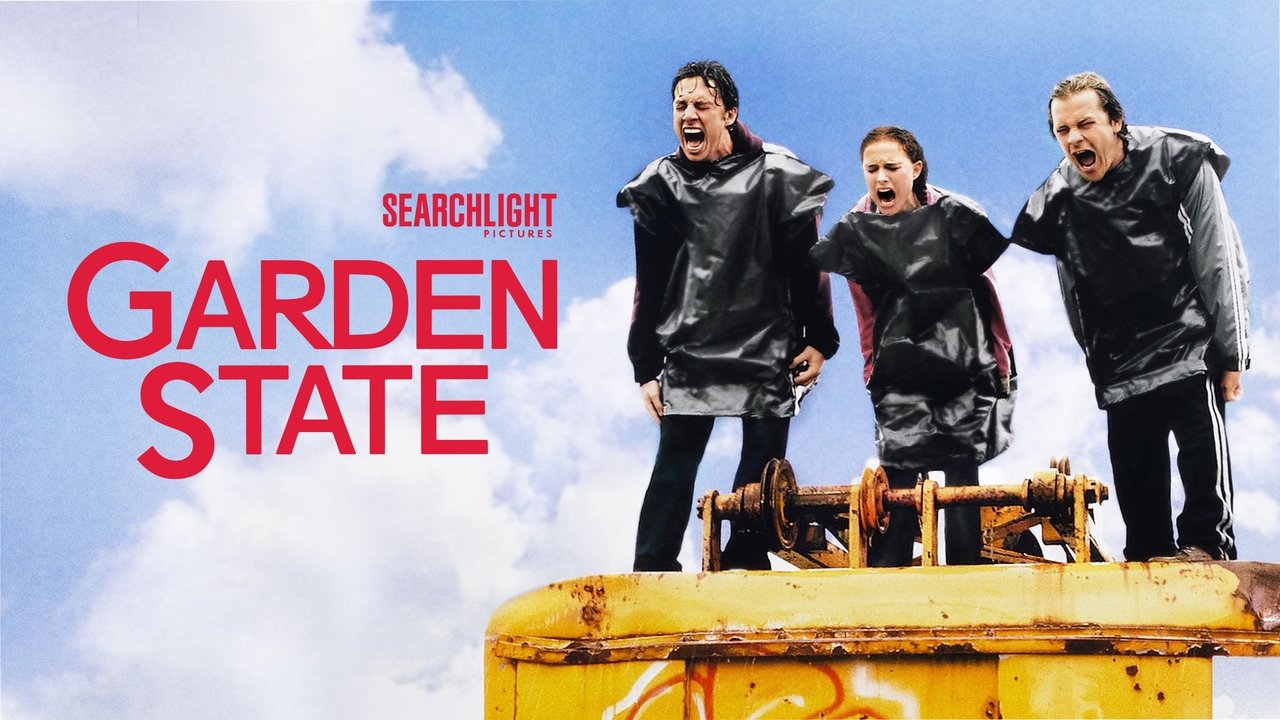
I remember the exact moment I first saw Zach Braff standing in front of that floral wallpaper, wearing a shirt made of the same material. It was 2004, I was in a dorm room that smelled like stale popcorn and unwashed hoodies, and I thought it was the deepest thing I’d ever seen. Looking back twenty years later, Garden State feels like a time capsule of a very specific cultural moment—the dawn of the "Indie Quirk" era, where a melancholy soundtrack and a whimsical girl could supposedly cure a lifetime of clinical depression.

The Soundtrack to a Quarter-Life Crisis
You can’t talk about this movie without talking about the music. In the early 2000s, this wasn’t just a film; it was a curated lifestyle delivered via a CD case. Zach Braff (acting here as director, writer, and star) famously hand-picked every track, even sending the script to the artists to get them on board. When Natalie Portman’s Sam hands Andrew those oversized headphones and tells him The Shins will "change your life," she wasn't just talking to him; she was talking to every suburban kid who felt slightly misunderstood.
I recently rewatched this while eating a slice of cold, slightly rubbery pepperoni pizza, and honestly, the music still hits. Whether it’s Iron & Wine or Zero 7, the score does a lot of the heavy lifting that the dialogue occasionally misses. It captures that post-9/11 "what now?" anxiety that defined the era's cinema before the MCU turned everything into a bright, snappy quip. This was back when movies were allowed to be slow, slightly pretentious, and deeply obsessed with their own sadness.
The Birth of the Manic Pixie
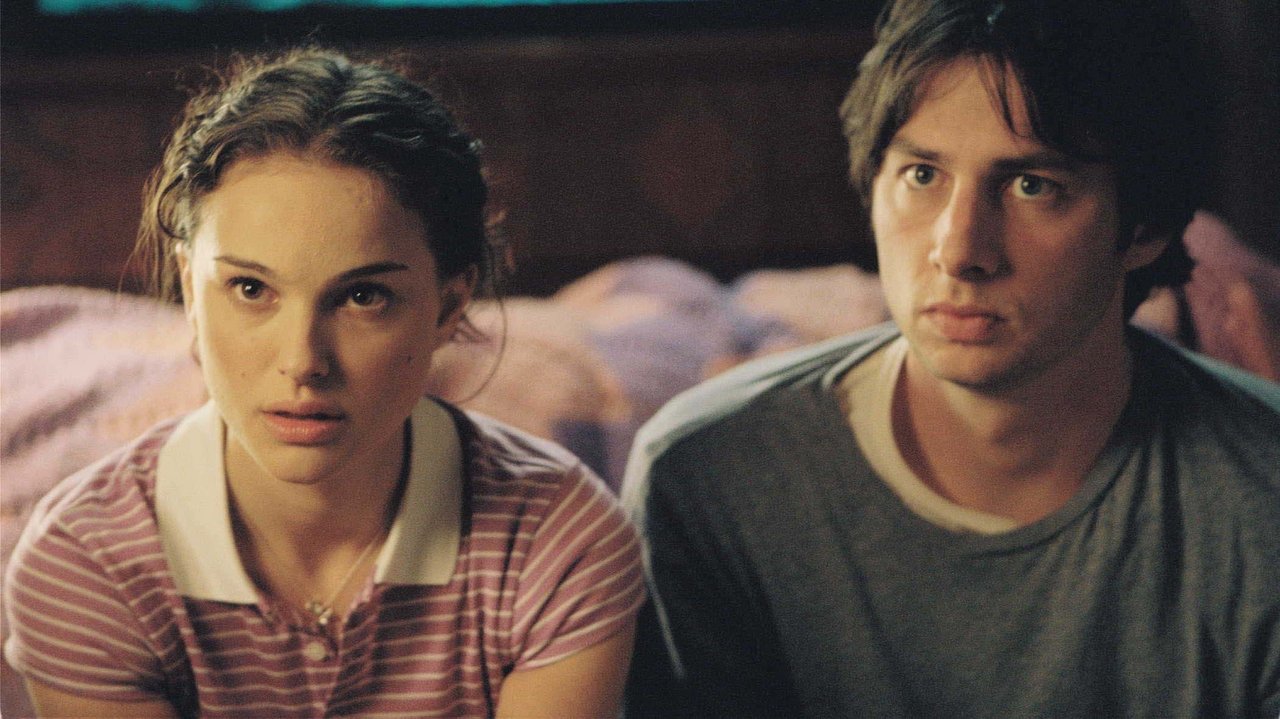
Natalie Portman is essentially the Ground Zero for the "Manic Pixie Dream Girl" trope. As Sam, she is a whirlwind of eccentricities—a pathological liar, a gravedigger for hamsters, and a human spark plug designed to jump-start the heart of our frozen protagonist. In 2024, the trope feels a bit tired, but watching it in its original context, Portman is undeniably magnetic. She brings a genuine vulnerability to a character that could have easily been an annoying caricature.
Opposite her, Zach Braff plays Andrew Largeman with a level of restraint that borders on the catatonic. It’s a brave choice for a lead, especially coming off the high-energy physical comedy of Scrubs. He spends most of the film as a blank slate, a man so over-medicated by his psychiatrist father (Ian Holm, bringing a chilling, quiet sternness) that he’s forgotten how to feel. Watching the "meds" wear off as he explores his Jersey hometown provides the film’s real emotional spine. Peter Sarsgaard also turns in a fantastic, grounded performance as Mark, the stoner friend who never left home. Sarsgaard has this incredible ability to make a character who steals jewelry from a dead woman seem like someone you’d actually want to hang out with.
A Masterclass in Indie Resourcefulness
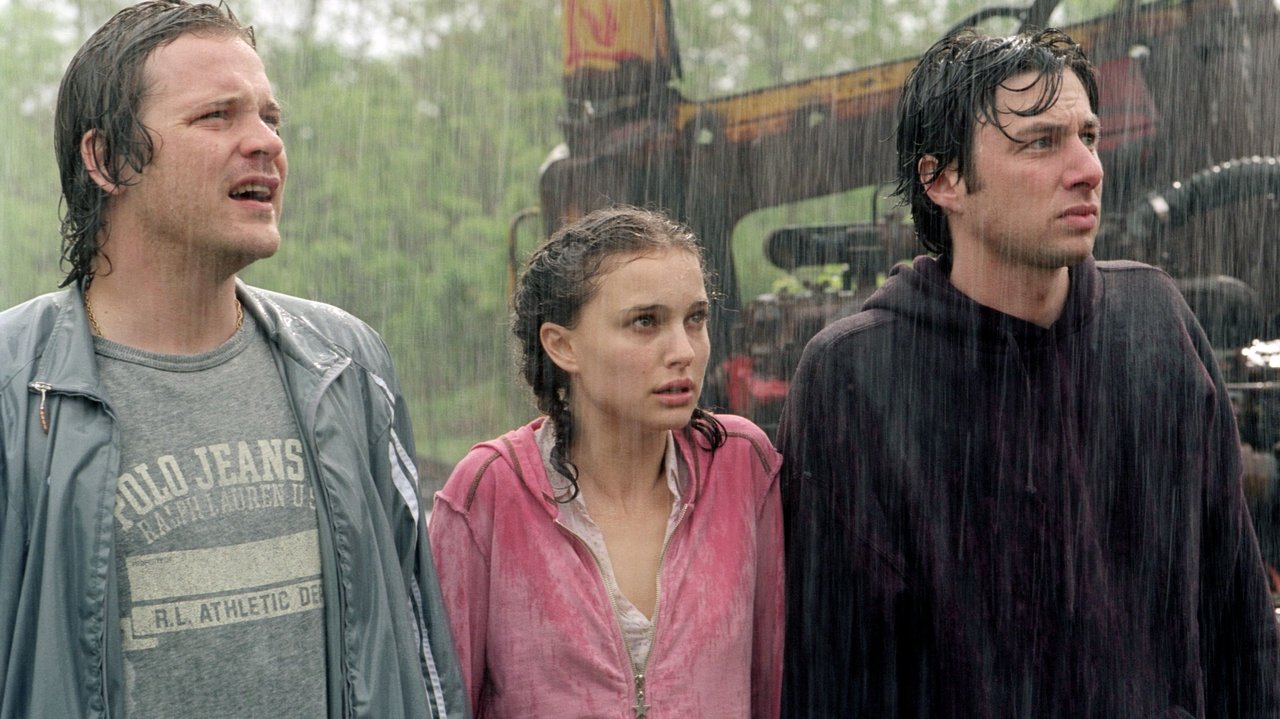
From a production standpoint, Garden State is a miracle of the 2000s indie boom. Braff wrote the script based on his own experiences with social anxiety and "feeling lost," and he spent years getting rejected by every major studio. They didn't "get" the tone. Eventually, he secured $2.5 million from private investors—a pittance compared to the blockbusters of the time—and shot the whole thing in just 25 days.
Because the budget was so tight, the production had to get creative. That iconic wallpaper scene? The crew found extra rolls of the actual wallpaper from the house they were filming in and had a seamstress rush-order the shirt. It’s a visual gag that cost almost nothing but became the film’s most enduring image. This was a "passion project" in the truest sense; Braff even famously used his own money to keep the production afloat when things got hairy. It’s that DIY spirit that gives the film its texture. It doesn't feel like it was made by a committee; it feels like a diary entry that someone accidentally turned into a movie. "It’s a movie that thinks it’s deeper than it is, which is exactly how being 22 feels."
Is Garden State perfect? No. Some of the dialogue feels like it was written by someone who just discovered Camus, and the "Infinite Abyss" scene is arguably the peak of mid-2000s cringe. But there is a sincerity here that is hard to find in modern filmmaking. It captures the weird, liminal space of being a young adult—the feeling that your life is supposed to start any minute, but you’re still stuck in your childhood bedroom. It’s a flawed, beautiful, and highly specific piece of cinema that paved the way for a decade of independent filmmaking. If you can get past the quirk, there’s a lot of heart under the headphones.
Keep Exploring...
-
Secretary
2002
-
High School Musical
2006
-

Bend It Like Beckham
2002
-
Imagine Me & You
2006
-
Chasing Amy
1997
-
Buffalo '66
1998
-
Beginners
2011
-
The First Time
2012
-
The Spectacular Now
2013
-
Youth in Revolt
2009
-
Chungking Express
1994
-
The Postman
1994
-
Lost in Translation
2003
-
10 Things I Hate About You
1999
-
Blast from the Past
1999
-
Never Been Kissed
1999
-
Chocolat
2000
-
Coyote Ugly
2000
-
High Fidelity
2000
-
The Family Man
2000