Garfield
"He’s fat, he’s lazy, and he’s Bill Murray."
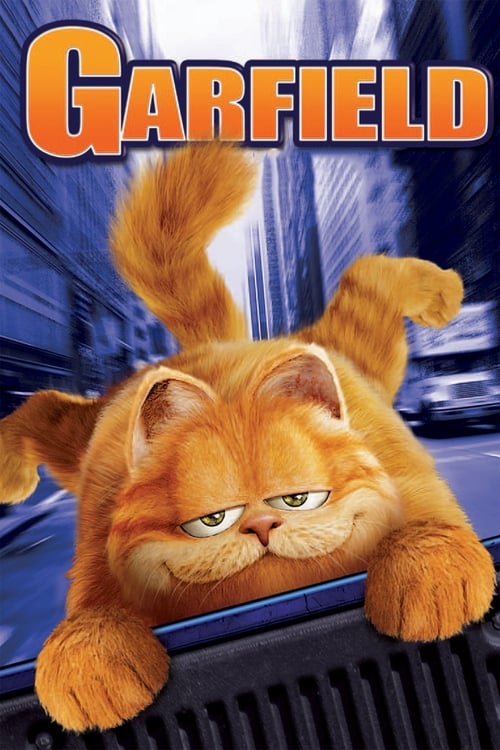
The legend goes like this: Bill Murray saw the name "Joel Cohen" on the script for a movie about a lasagna-obsessed feline and signed on immediately, believing he was finally working with one of the visionary Coen brothers (Fargo, The Big Lebowski). Instead, he’d agreed to voice a CGI cat for the screenwriter of Toy Story. Whether that story is 100% true or just a brilliant piece of Murray-esque myth-making, it perfectly encapsulates the strange, accidental energy of Garfield (2004). It’s a film that feels like a corporate mandate accidentally infused with a dry, ironic soul.
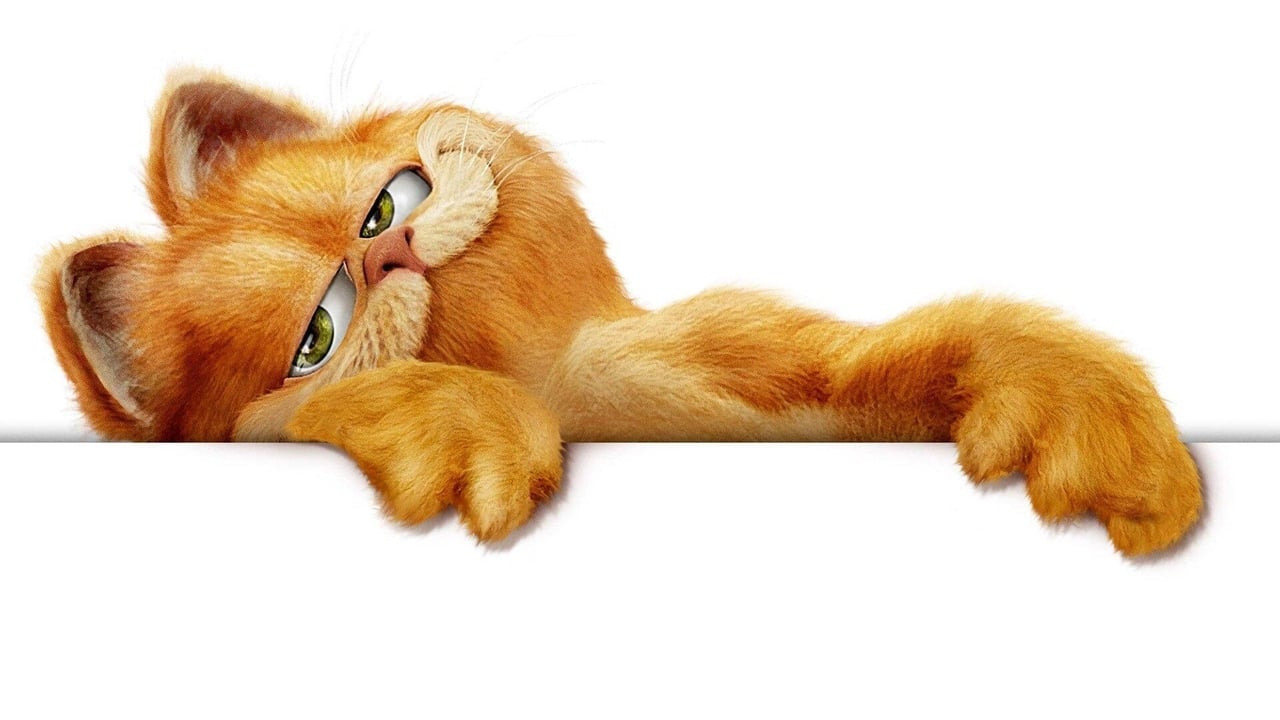
I revisited this one on a rainy Tuesday afternoon while my neighbor was apparently auditioning for a heavy metal band in the apartment next door, and honestly, the muffled drum solos provided a strangely appropriate backbeat to Garfield’s existential dread.
The Coen Brother Confusion and the Murray Magic
The real reason to watch this movie—then and now—is the vocal performance. Bill Murray doesn’t just voice Garfield; he inhabits him with a level of bored cynicism that feels dangerously close to his real-life persona. He’s not "acting" like a cartoon cat; he’s playing a guy who has been stuck in a cat’s body for nine lives and has finally run out of patience.
In the early 2000s, we were in the thick of the "celebrity voice" boom. Every animated or hybrid film needed a marquee name, but usually, those actors over-enunciated or tried too hard to sound "cartoony." Murray goes the opposite direction. He delivers lines with a flat, Midwestern drollery that makes the character’s ego feel earned. When he sighs, you feel the weight of every Monday he’s ever endured. It’s a performance that is essentially the cinematic equivalent of a lukewarm microwave dinner—it’s not gourmet, but it’s exactly what you expected, and there’s a weird comfort in that.
A Tale of Two Species: The 2004 CGI Gap
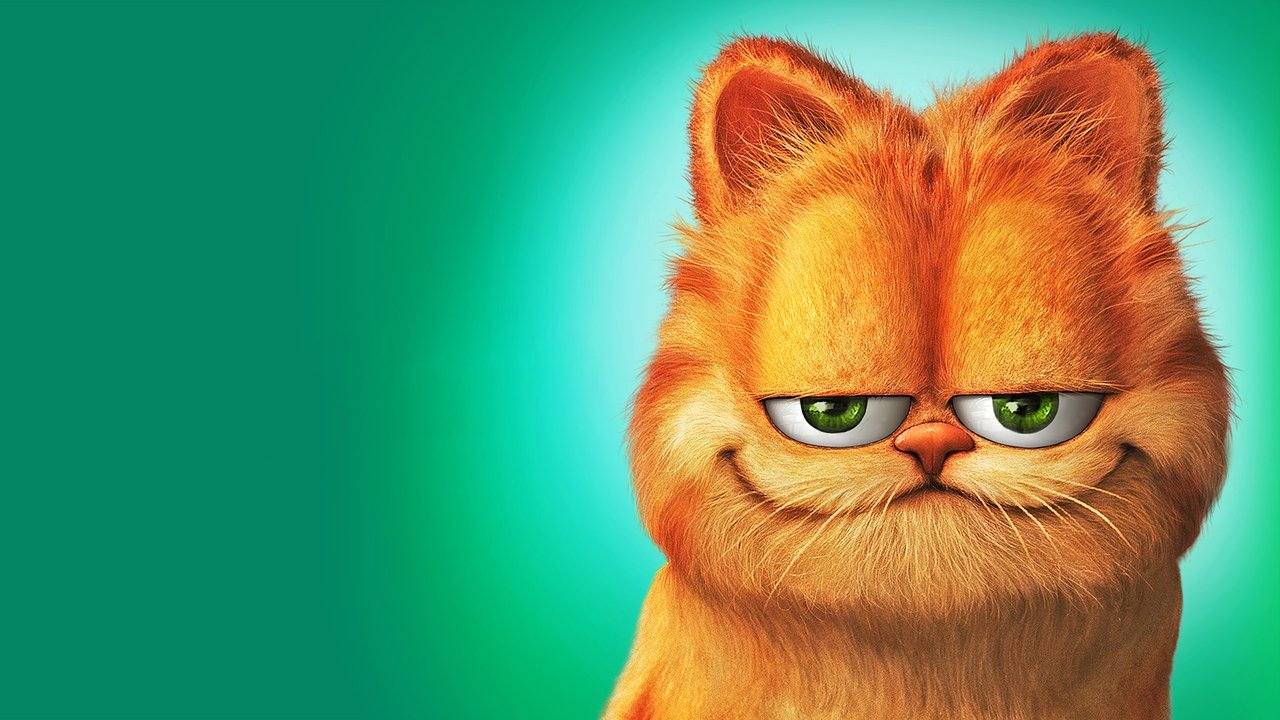
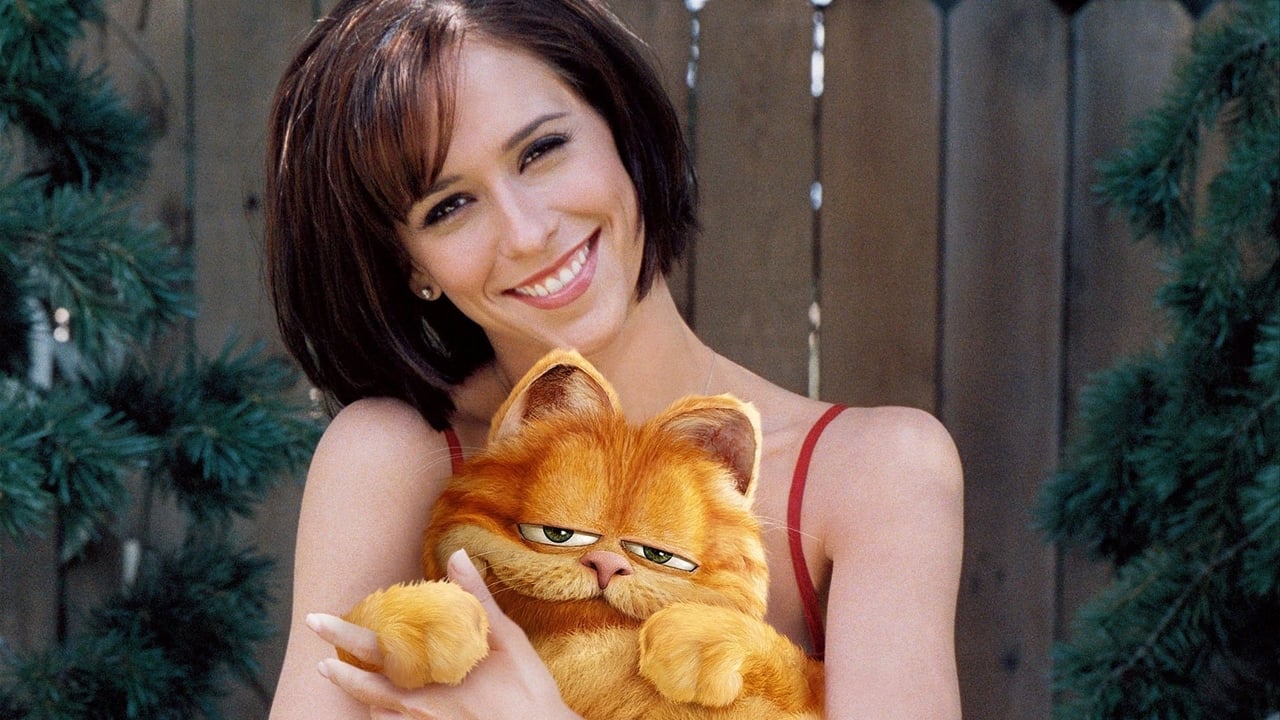
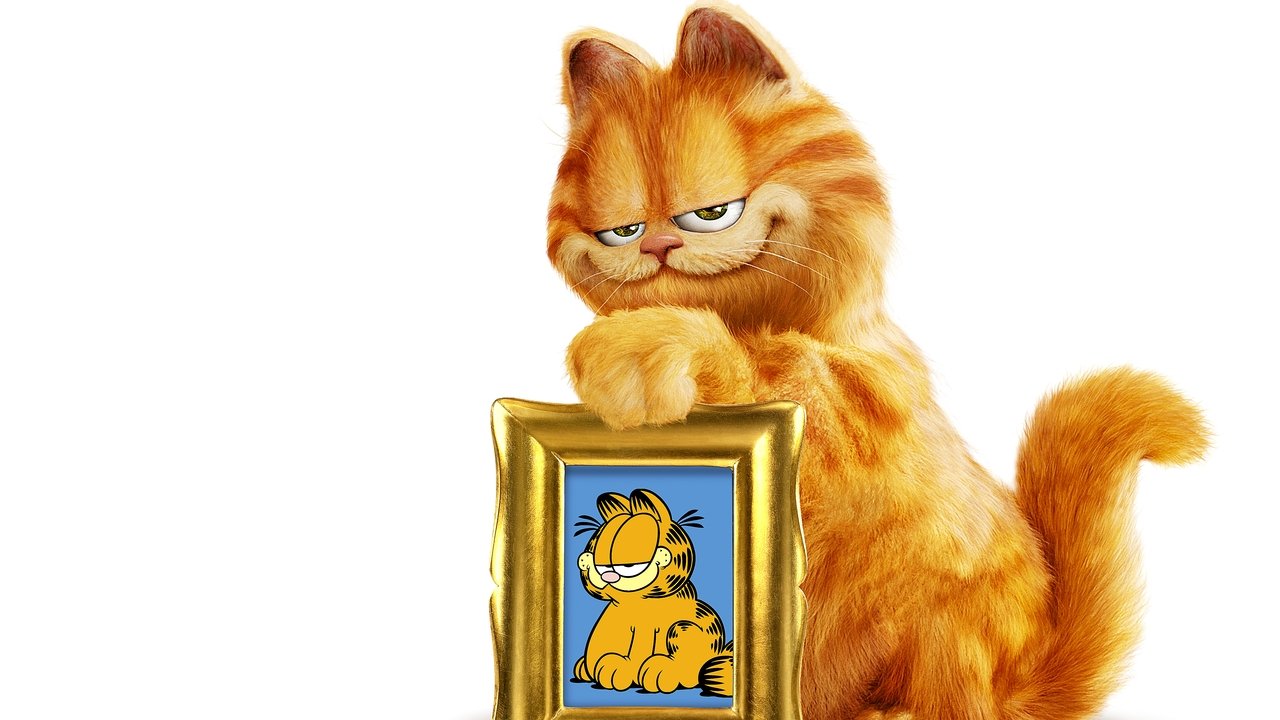
Watching Garfield today is a fascinating trip back to the "uncanny valley" of the mid-2000s. We were transitioning from the tactile, puppet-based charm of the 90s into the digital frontier. Director Peter Hewitt (who also gave us the delightful The Borrowers) had the unenviable task of sticking a highly stylized, orange CGI blob into a world filled with real animals.
The result is bizarre. Garfield looks like a chewed-up orange marshmallow dropped in a barbershop, while Odie is played by a very real, very cute wire-haired dachshund/terrier mix. The physics never quite align; when Garfield "touches" a real dog, your brain sends out a little distress signal. Yet, there’s something ambitious about it. This was the era of Scooby-Doo (2002) and Stuart Little, where studios were obsessed with seeing if digital characters could carry a live-action film. While the tech hasn't aged gracefully, the colors are vibrant, and Dean Cundey—the cinematographer behind Jurassic Park and Back to the Future—gives the film a polished, storybook glow that keeps it from looking like a cheap TV movie.
The 200-Million-Dollar Lasagna
Critically, Garfield was treated like a hairball on a white rug. But commercially? It was a juggernaut. With a $50 million budget, it raked in over $200 million worldwide. It captured the "all-ages" market perfectly: slapstick and dancing for the kids, and Murray’s "I’d rather be anywhere else" energy for the parents.
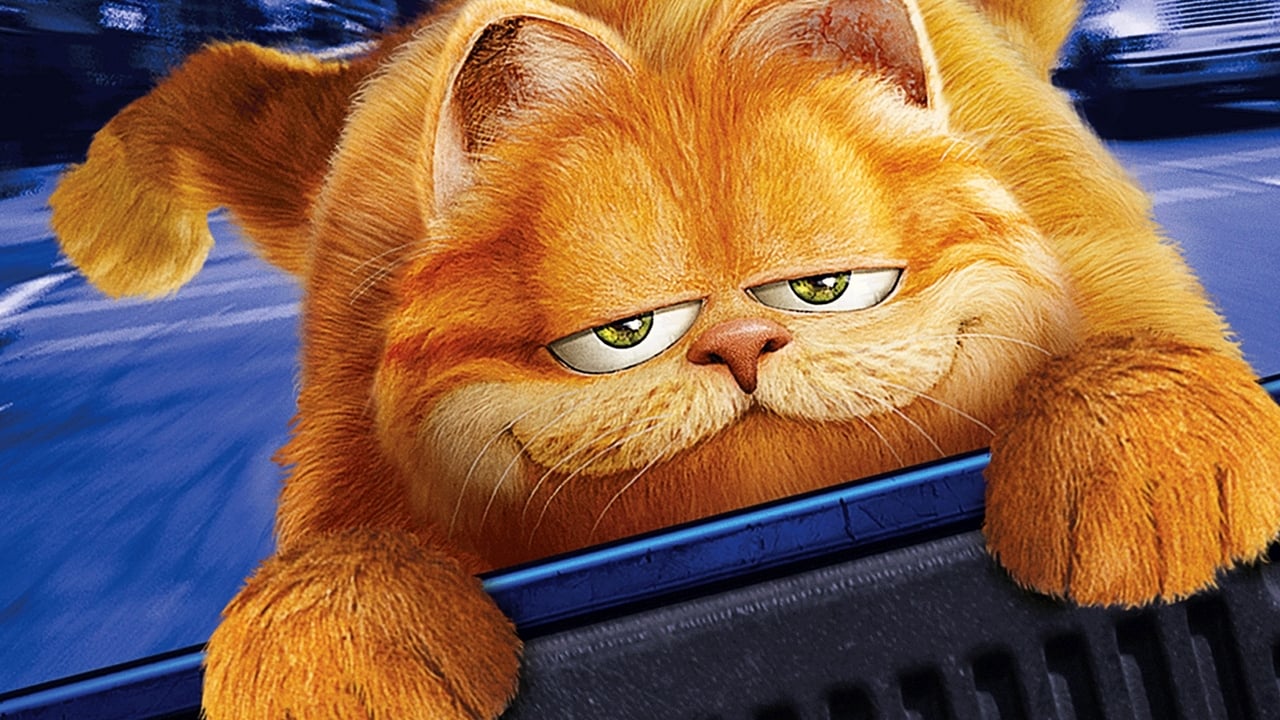
The humans in the film, Breckin Meyer (as Jon Arbuckle) and Jennifer Love Hewitt (as Liz), do their best with roles that are essentially walking plot points. Breckin Meyer has always been a charming screen presence—I still maintain he’s the secret MVP of Clueless—but here he’s forced to play the straight man to a digital cat that isn't actually there. Meanwhile, Stephen Tobolowsky leans into the villainous role of Happy Chapman with a hammy glee that suggests he knew exactly what kind of movie he was in. He’s the veteran character actor doing the heavy lifting to make the stakes feel "real" for a plot involving a stolen dog and a high-speed train.
Looking back, Garfield represents a specific moment in Hollywood when the "IP" (Intellectual Property) craze was just beginning to codify. It wasn't about telling a new story; it was about translating a Sunday comic strip into a global brand. The film is stuffed with product placement and feels designed to sell plushies, yet it remains oddly watchable because of its brisk 80-minute runtime. In an era where family movies now routinely push two hours, there is something deeply refreshing about a movie that knows it only has one joke (a fat cat likes food) and gets out before the lasagna gets cold.
Garfield is far from a masterpiece, but it’s a fascinating relic of the early-CGI era and a masterclass in how a single voice performance can save a project from total obscurity. It’s colorful, harmless, and possesses a strange, low-stakes charm that makes it perfect for a lazy afternoon. If you can get past the dated effects, you’ll find a movie that is exactly as lazy and lovable as its protagonist.
It’s the kind of film you don't need to pay full attention to, but you'll find yourself smiling at Murray's insults anyway. It won't change your life, but it might make you crave a very large tray of pasta. Sometimes, that’s all a movie needs to do.
Keep Exploring...
-
Garfield: A Tail of Two Kitties
2006
-

Cheaper by the Dozen
2003
-
Shark Tale
2004
-
Robots
2005
-
The Pacifier
2005
-

Ice Age: The Meltdown
2006
-

Night at the Museum
2006
-
Over the Hedge
2006
-
Alvin and the Chipmunks
2007
-
Shrek the Third
2007
-
Horton Hears a Who!
2008
-
Madagascar: Escape 2 Africa
2008
-
Alvin and the Chipmunks: The Squeakquel
2009
-
Spy Kids 2: The Island of Lost Dreams
2002
-
The Princess Diaries 2: Royal Engagement
2004
-
Hoodwinked!
2005
-

The Game Plan
2007
-

High School Musical 3: Senior Year
2008
-
Hannah Montana: The Movie
2009
-
Hotel for Dogs
2009