Ghost in the Shell 2: Innocence
"The ghost is gone, but the machine remembers."
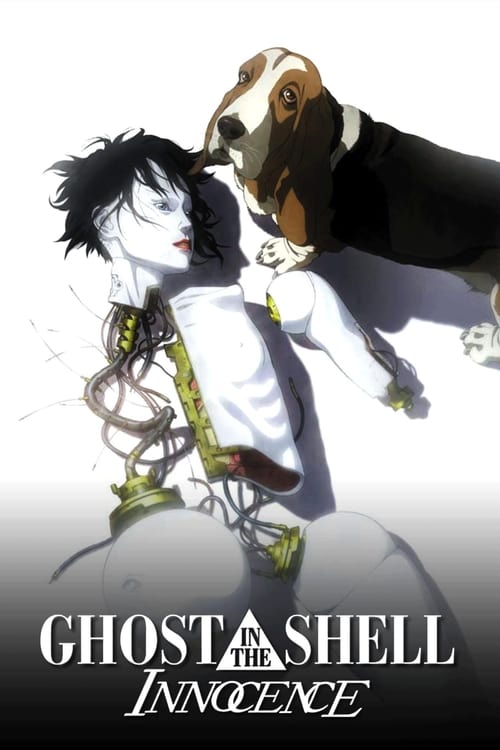
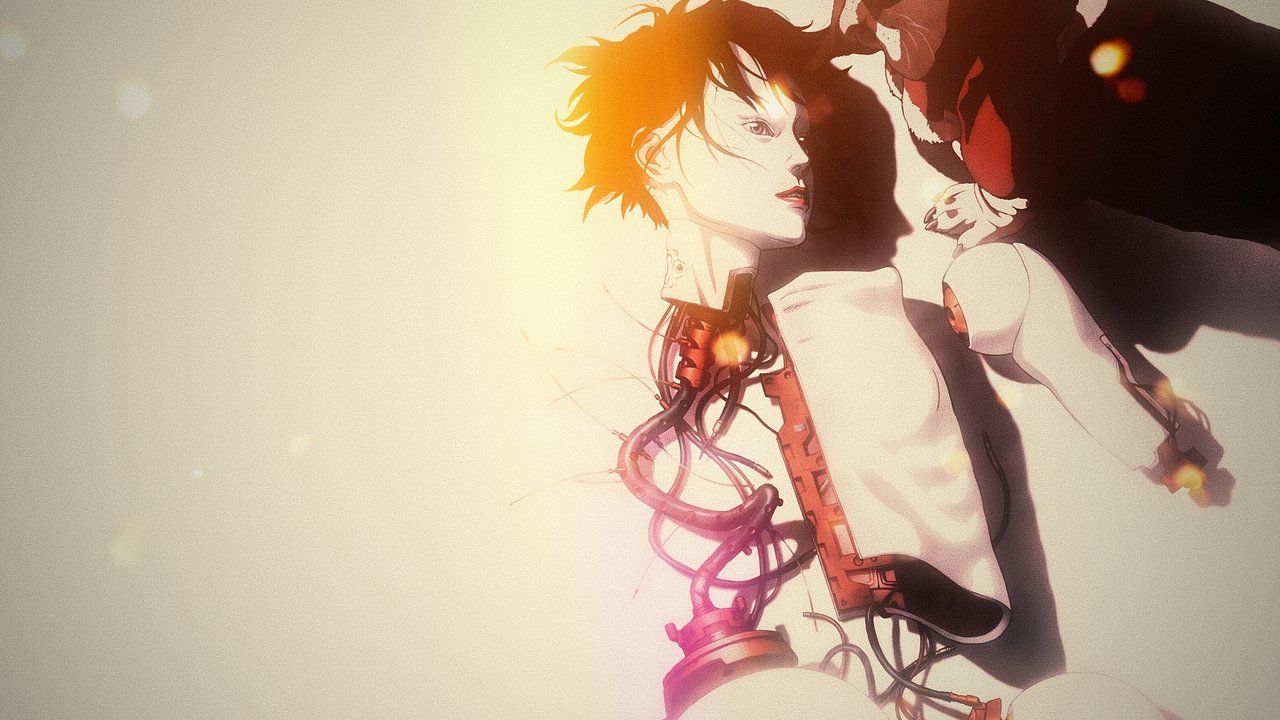
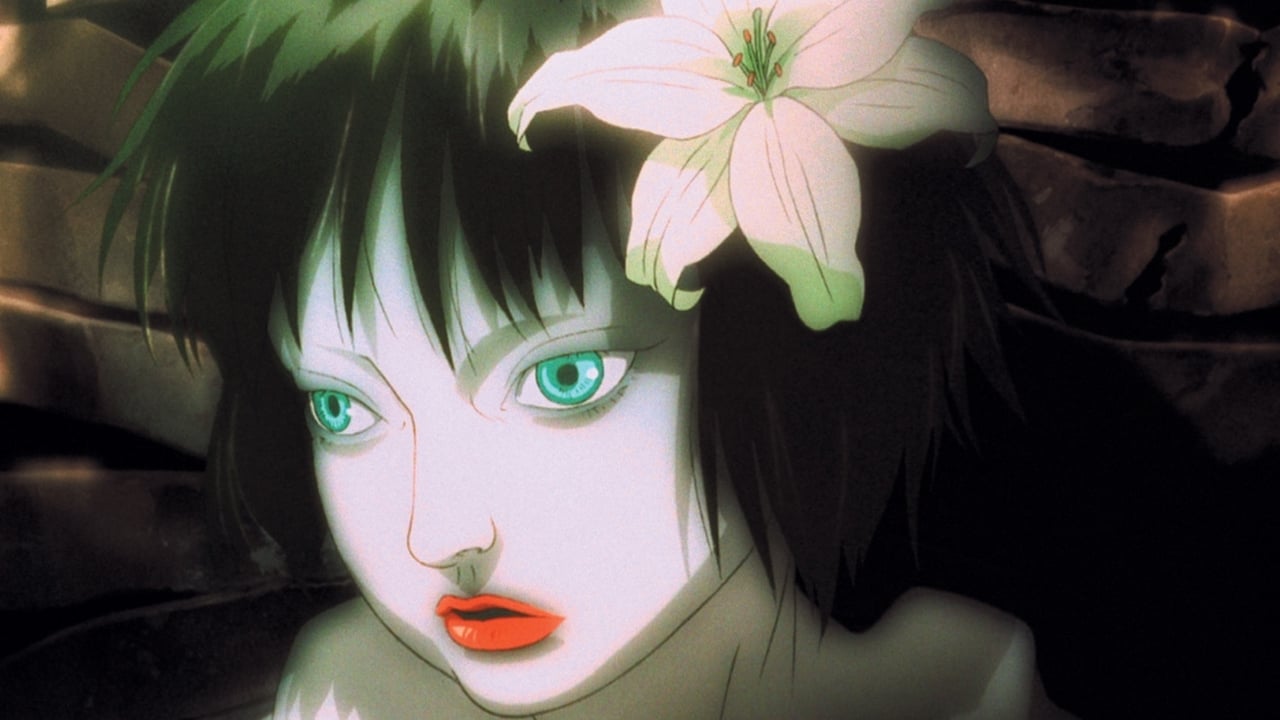
A doll’s eyes are wide, glassy, and fixed on a point just behind your shoulder, suggesting a life that isn't there—or worse, one that is trapped. This is the haunting visual language of Ghost in the Shell 2: Innocence, a film that arrived in 2004 as a sequel to one of the most influential anime features of all time, only to promptly confuse everyone by being an existential tone poem rather than a high-octane cyborg thriller. While the 1995 original gave us the birth of a new consciousness, Innocence is a funeral for the human heart, set against a backdrop of dripping oil and baroque architecture.
The Heavy Heart of a Chrome Giant
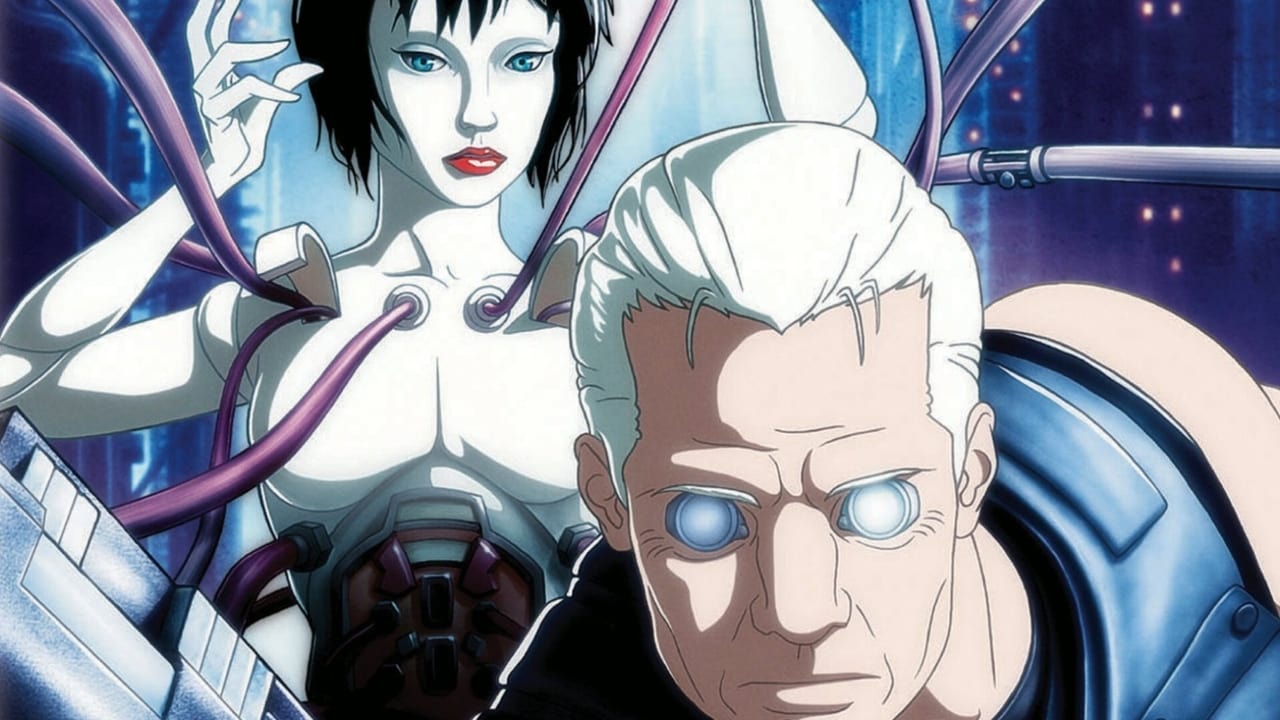
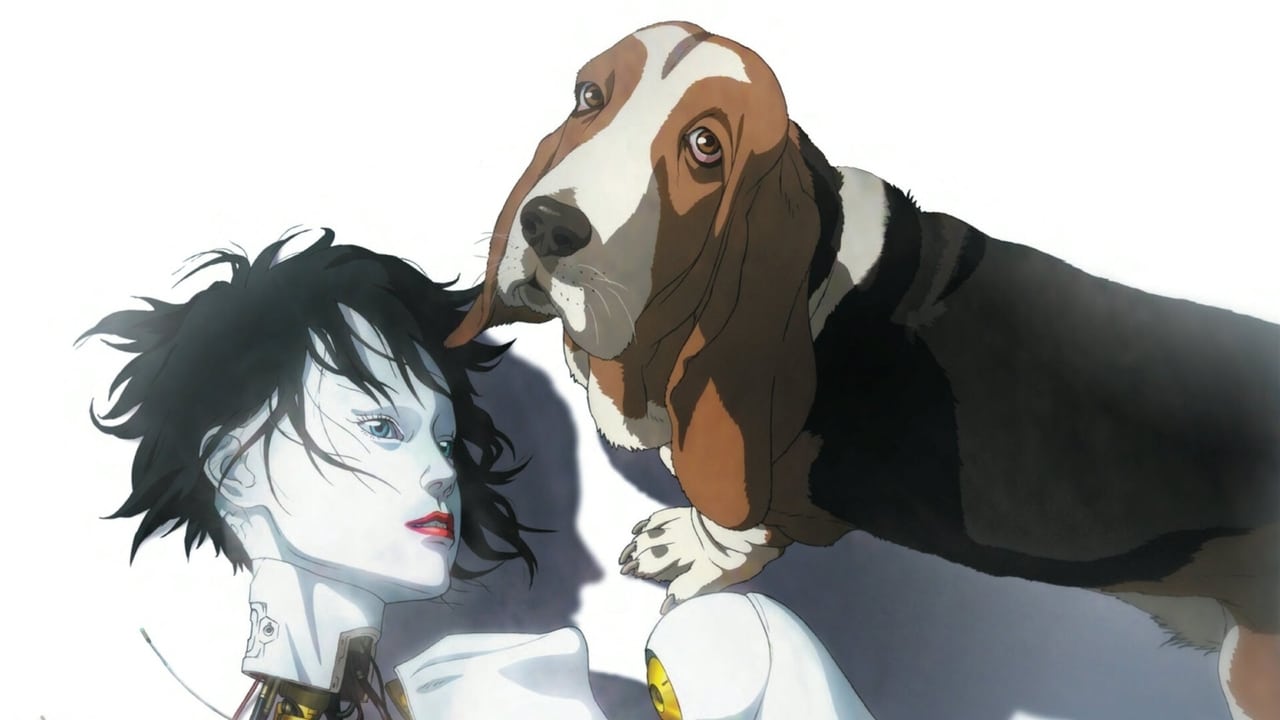
Unlike its predecessor, which followed the transcendent Major Motoko Kusanagi, this story belongs to Batou. Akio Otsuka returns to voice the hulking cyborg detective, and he plays the character with a bruised, weary gravitas that you rarely see in animation. Batou is essentially a grieving widower, though his "wife" was a digital entity that merged with the vastness of the internet. He lives in a cramped apartment with a Basset Hound—the only creature that demands nothing of his soul—and spends his days investigating "gynoids" (female companion dolls) that have begun murdering their owners.
The drama here isn't found in the shootout sequences—though those are choreographed with brutal, mechanical precision—but in the quiet spaces between. Akio Otsuka delivers lines of heavy philosophy with the cadence of a man who has seen the end of the world and decided it was a bit of a letdown. When he's paired with Togusa, voiced by Koichi Yamadera, the dynamic shifts. Togusa is the "human" one, the man with a family and a biological brain, and their chemistry serves as the film's moral compass. I watched this most recently while wearing a pair of incredibly itchy wool socks, and the physical irritation strangely mirrored the film's atmosphere: a constant, nagging reminder of the "meat" we inhabit while our minds drift elsewhere.
A Digital Oil Painting
Released during the frantic heights of the early-2000s CGI revolution, Innocence is a technical marvel that avoids the "uncanny valley" by leaning directly into it. Director Mamoru Oshii and the team at Production I.G. blended traditional 2D line work with 3D digital environments in a way that felt revolutionary at the time. It doesn't look like Shrek or even the clean digital lines of modern Pixar; it looks like a haunted cathedral.
The centerpiece of the film is a multi-minute festival parade in a northern city. It has almost nothing to do with the plot, yet it is essential. Giant mechanical floats, thousands of lanterns, and Kenji Kawai’s haunting, percussive choral score create a sensory overload that feels like drowning in history. It captures that specific 2004 anxiety: the feeling that technology was accelerating so fast that we were losing our grip on the physical world. The movie is basically a $20 million art installation disguised as a police procedural. Looking back, it’s one of the few films from that era where the CGI hasn’t aged into a blurry mess; because it was designed to look artificial and "doll-like" from the start, it remains visually arresting.
Why It Vanished into the Static
If the first Ghost in the Shell is a "must-see," why is Innocence so often treated as a "maybe-skip"? For starters, it is notoriously dense. Characters don't just talk; they trade quotes from Milton, Confucius, and the Bible like they’re playing a high-stakes game of Jeopardy. It’s a film that demands your absolute attention, refusing to spoon-feed you a "good vs. evil" narrative. It’s a drama about the ethics of creation and the loneliness of the creator.
The film also suffered from being a sequel that lacked its most popular character for 90% of the runtime. Atsuko Tanaka's Motoko Kusanagi is a spectral presence here, a "ghost" that Batou is desperately trying to find in the digital noise. This choice makes for a much more melancholic, internal film than the original. It didn't help that the US distribution was handled by DreamWorks (under their Go Fish Pictures label), who didn't quite know how to market a movie where a cyborg quotes 17th-century poetry while shooting up a yakuza hit squad.
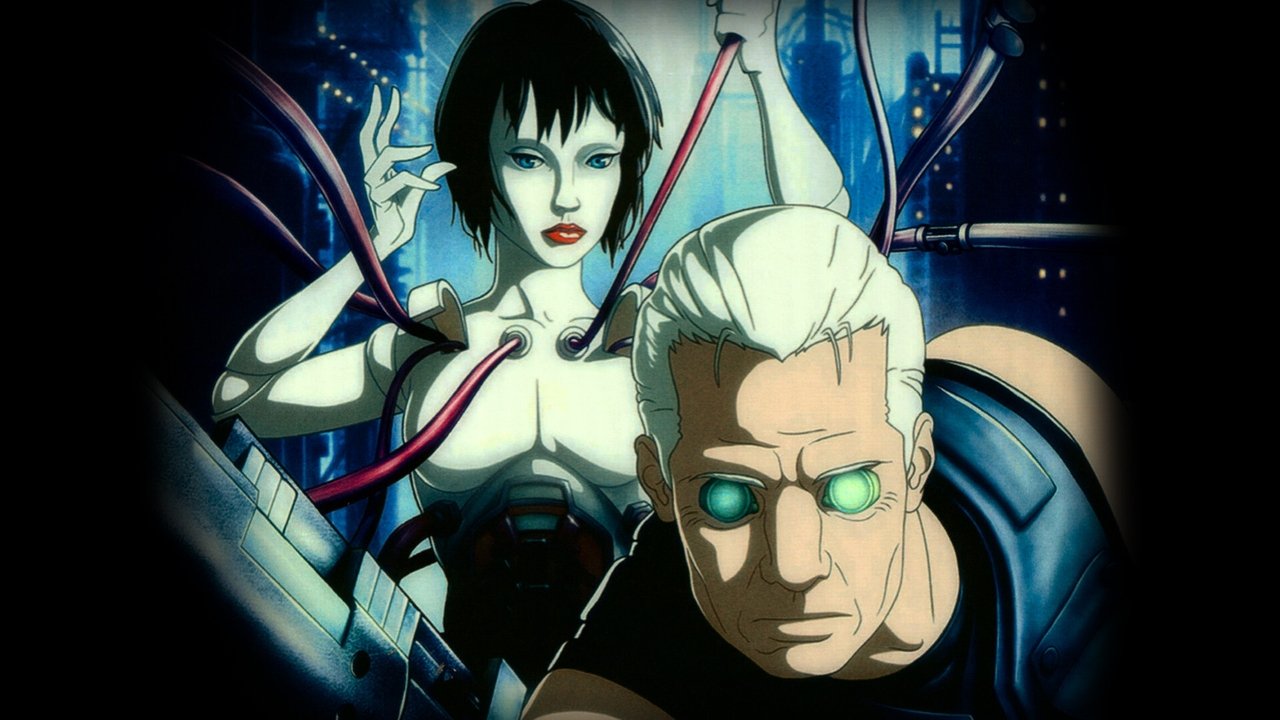
Ghost in the Shell 2: Innocence is a beautiful, difficult, and deeply rewarding experience if you’re willing to meet it halfway. It captures a moment in cinematic history when digital tools were being used to explore the very soul of the medium, rather than just to blow things up more cheaply. It is a film about the fear of being replaced and the hope that, somewhere in the code, something human survives.
If you’ve only ever seen the original, you owe it to your brain to see where the story actually ends. It’s less of a sequel and more of a coda—a long, echoing note at the end of a symphony. It reminds me that even in a world of perfect machines, the most complicated thing we can ever do is simply miss someone. Don't go in expecting The Matrix; go in expecting a meditation on what it means to be a "doll" in a world that has forgotten how to play.
Keep Exploring...
-

Ghost in the Shell
1995
-
Evangelion: 2.0 You Can (Not) Advance
2009
-

Evangelion: 1.0 You Are (Not) Alone
2007
-
Neon Genesis Evangelion: The End of Evangelion
1997
-

Evangelion: 3.0 You Can (Not) Redo
2012
-
Millennium Actress
2002
-
Tokyo Godfathers
2003
-
The Girl Who Leapt Through Time
2006
-
Batman: The Dark Knight Returns, Part 1
2012
-

Batman: The Dark Knight Returns, Part 2
2013
-

The Iron Giant
1999
-

Cowboy Bebop: The Movie
2001
-
Final Fantasy VII: Advent Children
2005
-
Summer Wars
2009
-
Dragon Ball Z: Battle of Gods
2013
-
Batman Beyond: Return of the Joker
2000
-
Titan A.E.
2000
-
Osmosis Jones
2001
-
Joseph: King of Dreams
2002
-
The Animatrix
2003