Harold & Kumar Go to White Castle
"The greatest quest ever undertaken for a tiny burger."
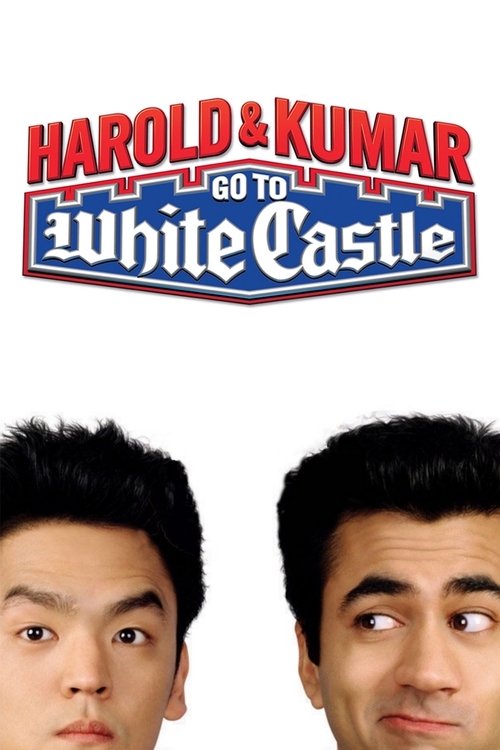
I revisited Harold & Kumar Go to White Castle last Tuesday while my neighbor was loudly practicing the bassoon through the apartment wall. Oddly enough, the discordant woodwind notes provided a perfect frantic soundtrack to what I’ve realized is one of the most structurally sound adventure movies of the early 2000s. It’s easy to dismiss this as just another "stoner flick" from the era of Danny Leiner (who also gave us Dude, Where’s My Car?), but looking back twenty years later, this movie is a minor miracle of subversion and suburban mythology.

The Odyssey of the Slider
Most adventure films are about saving a kingdom or finding a lost ark. Hayden Schlossberg and Jon Hurwitz decided that the Holy Grail should be a sack of steam-grilled sliders from a fast-food chain that isn't even available in half of the United States. I love that the stakes feel life-or-death purely because of the characters' specific mental state. The plot is a classic "Odyssey" structure: our heroes leave their home base, encounter a series of increasingly bizarre mythical beasts (or in this case, a rabid raccoon and some very aggressive extreme sports enthusiasts), and eventually return home forever changed.
In the mid-2000s, New Jersey was the ultimate cinematic wilderness. Before smartphones turned every "where are we?" moment into a five-second Google Maps fix, getting lost in the Garden State felt like a genuine peril. The film captures that specific pre-digital anxiety—the reliance on paper maps, payphones, and the unreliable directions of strangers. It’s an era-specific charm that makes the "adventure" part of the genre actually work. If Harold had an iPhone 15, the movie would be six minutes long and significantly more boring.
Subverting the Sidekick
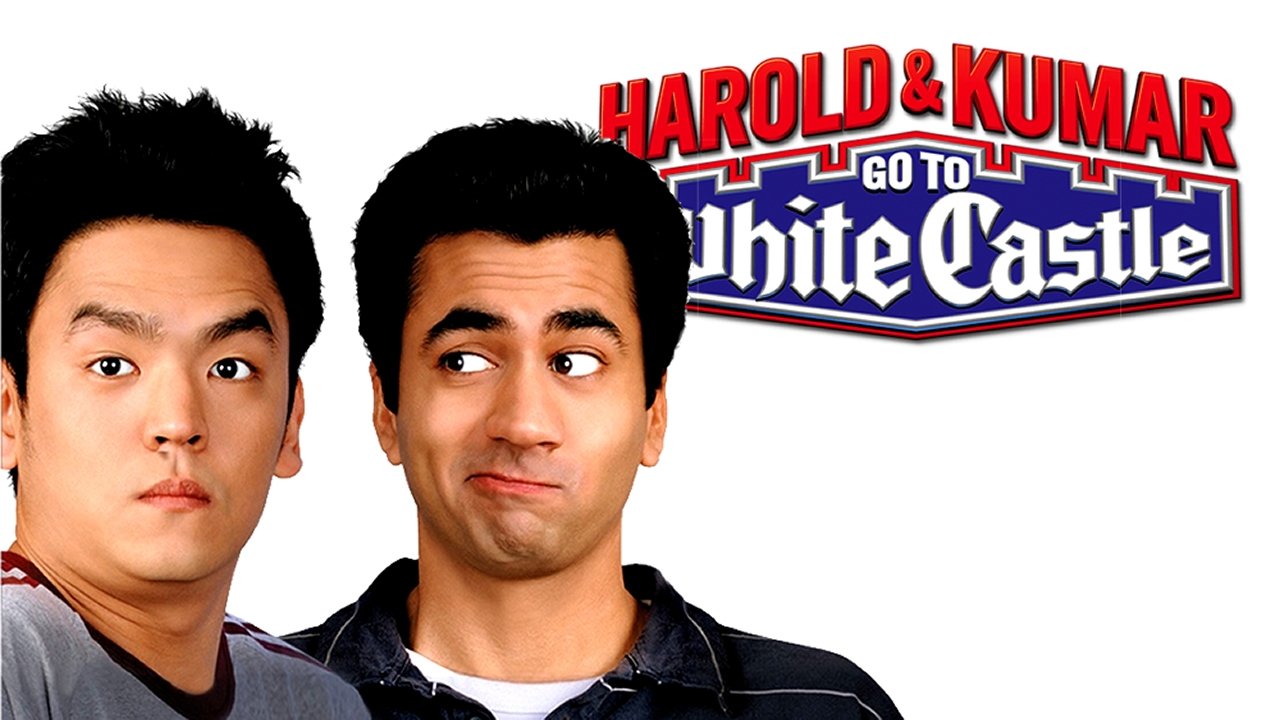
The real genius here, and the reason I think it transitioned from a modest box office performer to a massive DVD cult hit, is the casting. In 2004, John Cho and Kal Penn were exactly the kind of actors usually relegated to "Tech Support Guy #2" or "Exchange Student" roles. Here, they are the center of the universe.
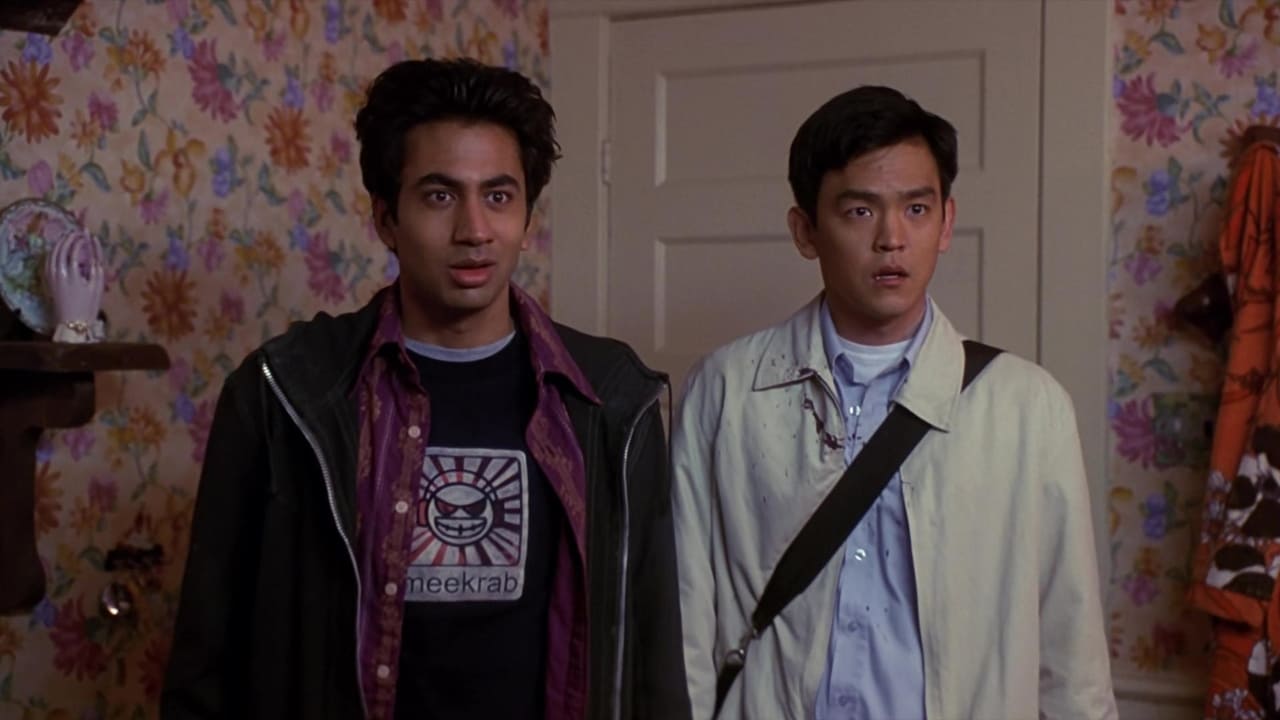
John Cho plays Harold Lee with a repressed, simmering intensity that makes his eventual blowout in the police station so satisfying. Meanwhile, Kal Penn’s Kumar Patel is the quintessential brilliant-but-lazy archetype, reimagined through a lens that rejects the "model minority" stereotype. They aren’t just Asian-American leads; they are chaotic, flawed, and deeply relatable stoners. Honestly, the "Extreme Sports" guys are more annoying than any actual villain in cinematic history, and seeing Harold and Kumar stand in contrast to that mindless, mid-2000s "bro" culture is a delight.
The Resurrection of Neil Patrick Harris
We have to talk about the NPH of it all. Before this movie, Neil Patrick Harris was still largely associated with his child-star turn as Doogie Howser. This film didn't just give him a cameo; it created a hyper-masculine, car-stealing, drug-addled alternate version of him that essentially rebooted his entire career.
Apparently, the writers included him in the script without his permission. They just assumed he’d be cool with it, or they’d find someone else if he passed. Not only was he cool with it, he leaned into the absurdity so hard it paved the way for his legendary run on How I Met Your Mother. Every time he appears on screen, the movie shifts gears from a grounded comedy into something approaching surrealist art.
DVD Culture and the Cult of the Crave
This was the peak era of the "Unrated DVD" marketing strategy. I remember the physical disc for this movie being passed around my friend group like it was some kind of forbidden text. The special features, including the "Drive-Thru" commentary, were half the draw back then. It’s a reminder of a time when we actually owned our movies and felt a personal connection to the ones we’d watch five times a week in a dorm room.
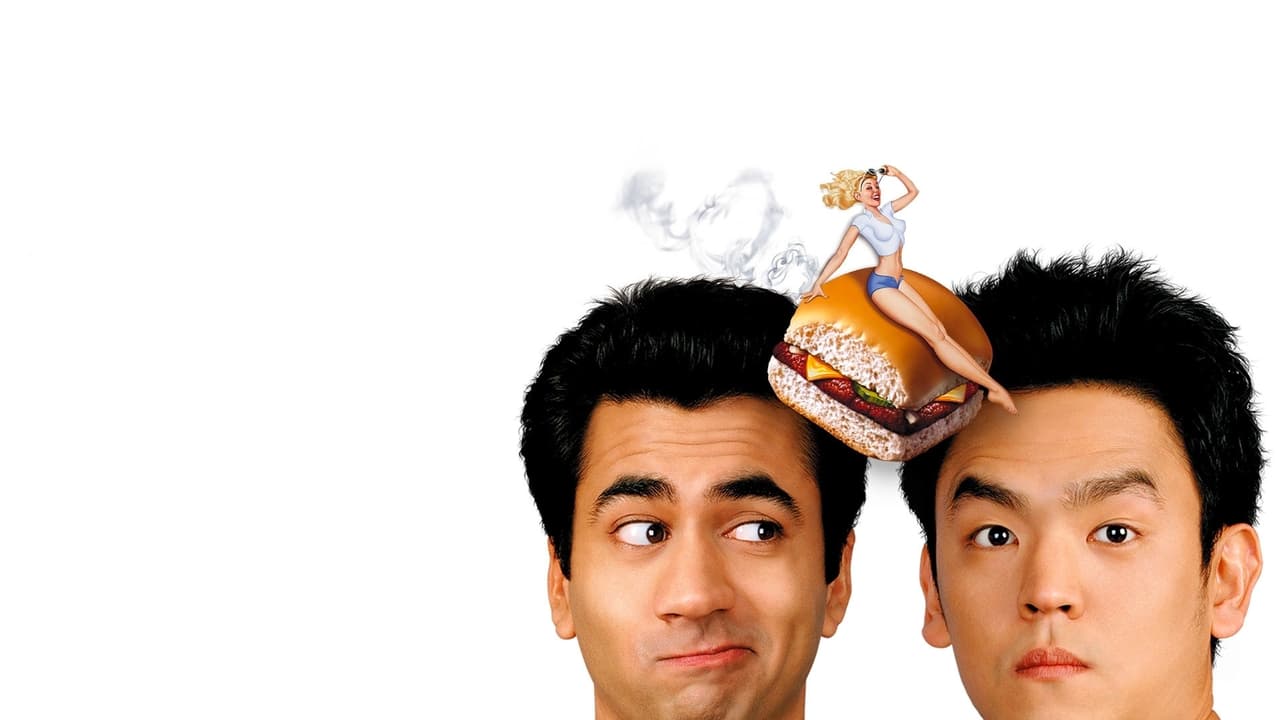
Turns out, White Castle didn't pay a single dime for product placement. The writers just liked the burgers. In fact, the studio was terrified the brand would sue them, but the company ended up leaning into it, even giving the crew over 30,000 sliders during the shoot. Another fun detail: Kal Penn is a lifelong vegetarian, which meant he spent the entire final scene pretending to enjoy veggie sliders that were masquerading as the real deal.
The film also features a blink-and-you’ll-miss-it appearance by Ryan Reynolds as a surgical nurse, and David Krumholtz and Eddie Kaye Thomas (of American Pie fame) provide a hilarious B-plot as the "intellectual" friends who are arguably more dysfunctional than the leads.
Ultimately, Harold & Kumar Go to White Castle is a celebration of a very specific kind of friendship—the kind where you’re willing to ride a cheetah through the woods just because your buddy is hungry. It’s aged surprisingly well because its heart is in the right place, even when its head is in the clouds. It’s a time capsule of 2004 that manages to be smarter than it looks, proving that sometimes the smallest goals lead to the biggest stories. If you haven't seen it in a decade, give it a rewatch; it’s a journey that’s still very much worth taking.
Keep Exploring...
-
Harold & Kumar Escape from Guantanamo Bay
2008
-
A Very Harold & Kumar Christmas
2011
-
Dogma
1999
-

Galaxy Quest
1999
-
O Brother, Where Art Thou?
2000
-
Sky High
2005
-
Idiocracy
2006
-

The Darjeeling Limited
2007
-
Journey to the Center of the Earth
2008
-
Dude, Where's My Car?
2000
-

Asterix and Obelix vs. Caesar
1999
-
Stuart Little
1999
-
Charlie's Angels
2000
-
Shanghai Noon
2000
-
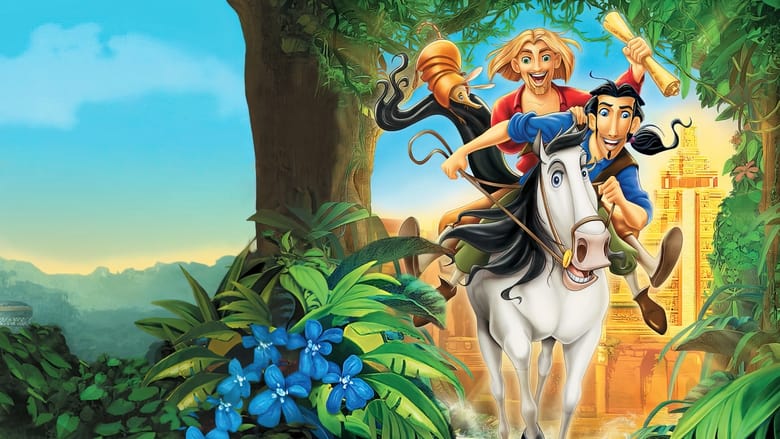
The Road to El Dorado
2000
-
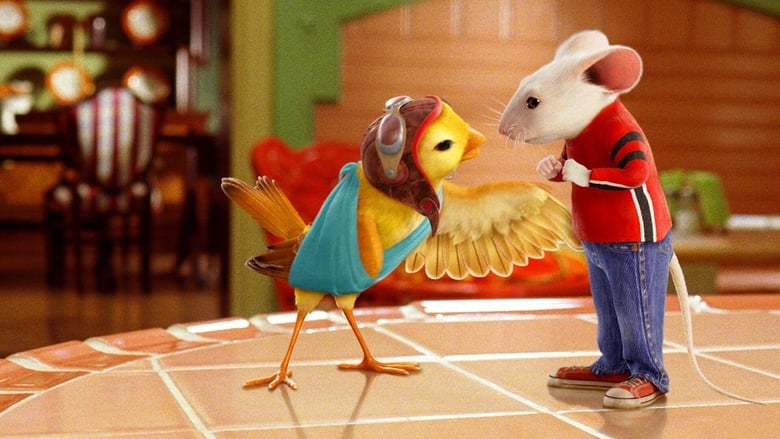
Stuart Little 2
2002
-

Sinbad: Legend of the Seven Seas
2003
-
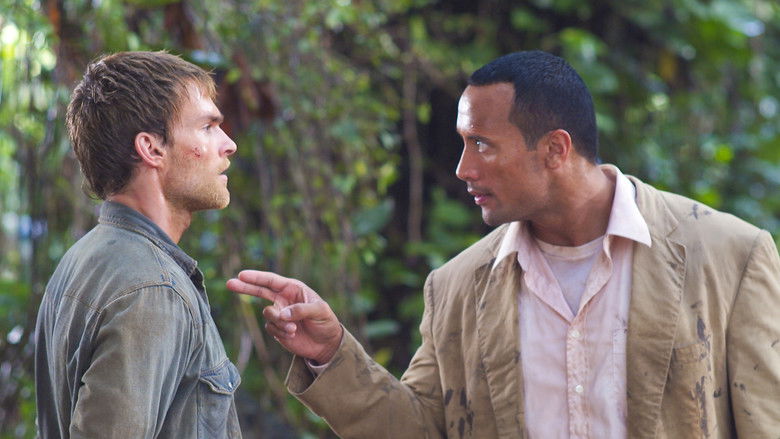
The Rundown
2003
-
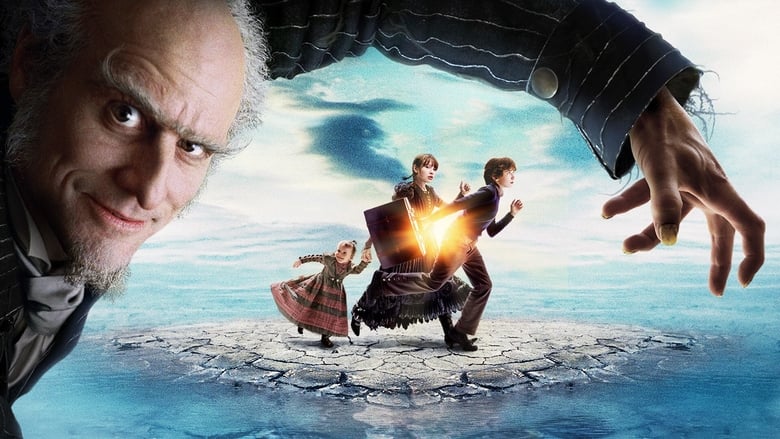
Lemony Snicket's A Series of Unfortunate Events
2004
-
Scooby-Doo 2: Monsters Unleashed
2004