Harry Potter and the Prisoner of Azkaban
"The moment the boy wizard finally traded his primary colors for shadows and soul."
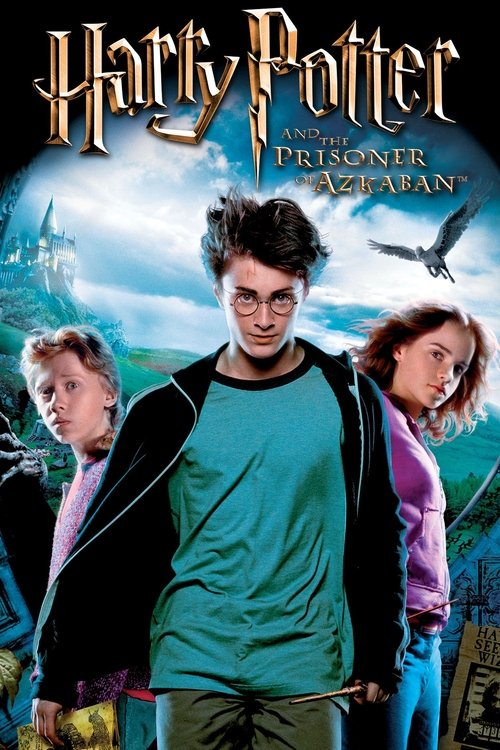
I remember the exact moment I realized the Harry Potter movies were going to be more than just a literal translation of a lunchbox brand. It happens about twenty minutes into The Prisoner of Azkaban, when a Dementor boards the Hogwarts Express. The windows frost over, the lights flicker, and for the first time in the series, I felt a genuine, adult-sized chill. I was watching this in a theater where the air conditioning was cranked so high I had to wrap my arms around my popcorn bucket for warmth, and that weirdly specific physical discomfort made the arrival of the soul-suckers feel remarkably personal.
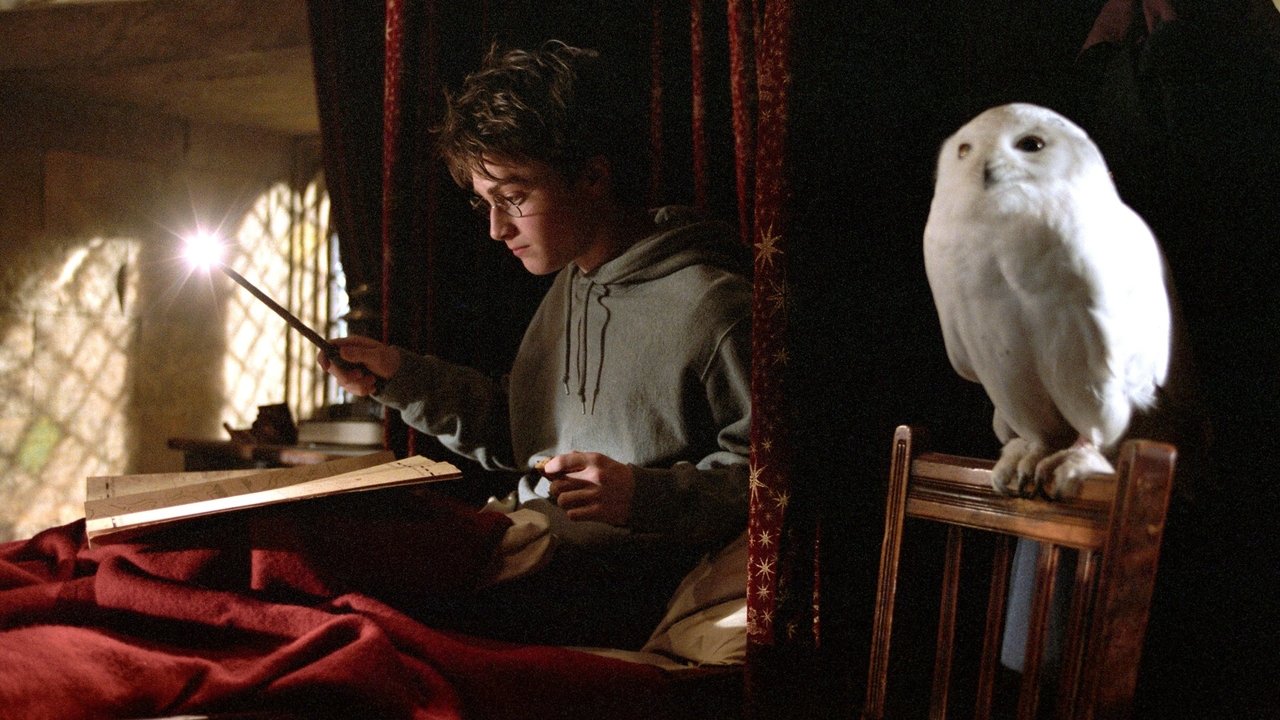
Up until 2004, the Wizarding World felt like a theme park—bright, polished, and safe. But when Alfonso Cuarón took the reins from Chris Columbus (who gave us the first two entries and Home Alone), the franchise went through a metamorphosis. It didn’t just grow up; it got weird, moody, and surprisingly tactile.
The Day Hogwarts Got Grungy
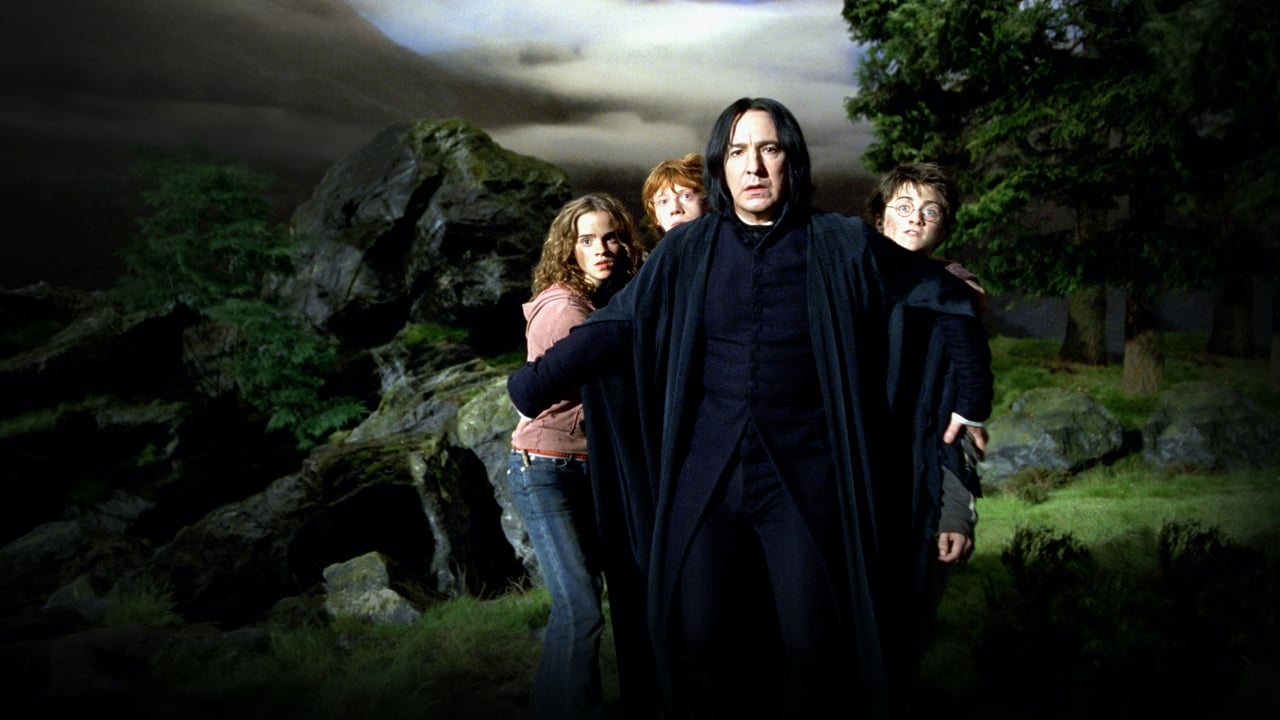
If the first two films were a "greatest hits" tour of the books, Azkaban is a director’s vision. Alfonso Cuarón, fresh off the indie success of Y Tu Mamá También, brought a handheld, wandering camera style that made Hogwarts feel like a lived-in castle rather than a set. I love that he ditched the stiff wizarding robes for the majority of the runtime. Seeing Daniel Radcliffe, Rupert Grint, and Emma Watson in hoodies and jeans made them feel like actual teenagers navigating the awkwardness of puberty, rather than museum exhibits.
The film serves as a perfect time capsule for that mid-2000s transition from practical effects to heavy CGI. You can see the ambition in every frame. Take Buckbeak the Hippogriff, for instance. Even looking back twenty years later, the way his feathers catch the light as he flies over the Black Lake holds up better than many Marvel movies from last Tuesday. It was a massive financial gamble—Warner Bros. dumped $130 million into this—but you can see every cent on the screen, from the intricate clockwork of the Divination tower to the terrifyingly fluid movement of the Dementors.
The Old Guard and the New Breath
This was also the year we had to say goodbye to Richard Harris and hello to Michael Gambon as Albus Dumbledore. Michael Gambon (who previously starred in The Singing Detective) brought a twinkly-eyed, slightly bohemian energy to the role that felt much more in line with the "powerful but eccentric" vibe of the books. Gambon’s Dumbledore looks like he’s one bad day away from joining a Phish cover band, but his casual gravity works perfectly against the darker tone.
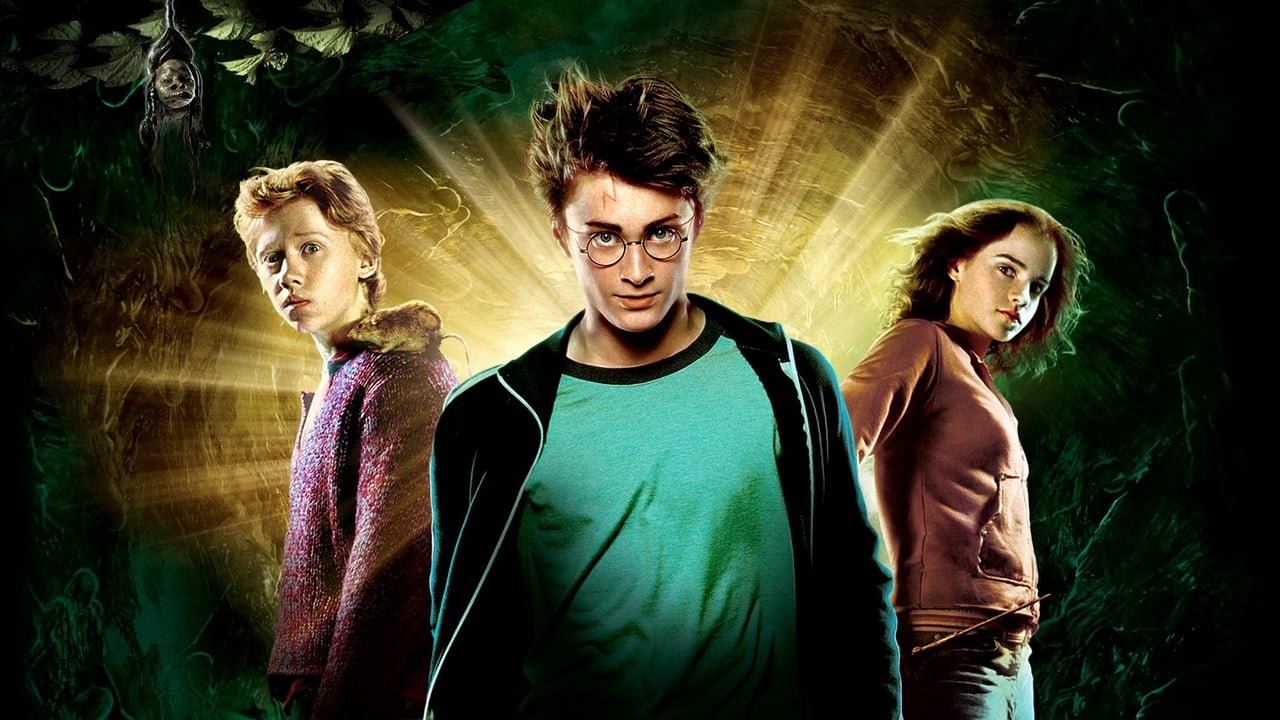
Then there’s the introduction of the Marauders. Gary Oldman (who was Leon: The Professional’s iconic villain) shows up as Sirius Black, and he manages to play the "escaped lunatic" trope with a heartbreaking undercurrent of trauma. Alongside him, David Thewlis (whom I loved in Naked) as Professor Lupin provides the emotional backbone of the story. The chemistry between the adult actors creates a sense of history that the previous films lacked. It wasn't just about magic anymore; it was about the heavy, messy legacy of the previous generation.
Stuff You Didn't Notice
One of my favorite bits of trivia from this production is how Alfonso Cuarón handled his young stars. To get a feel for their characters, he asked the trio to write an essay about their roles. In a move that feels like it was scripted by the gods of irony, Emma Watson turned in sixteen pages, Daniel Radcliffe wrote a concise one-page summary, and Rupert Grint didn't turn one in at all. When asked why, Rupert apparently said, "I'm Ron, aren't I? Ron wouldn't do it." That’s the kind of meta-character work that makes the camaraderie in this film feel so effortless.
There’s also the sheer scale of the success. While it was technically the lowest-grossing film of the franchise at the time, it still raked in nearly $790 million globally. It was the film that proved the series had "legs" beyond the initial fad. It showed that the audience was willing to follow Harry into darker, more complex territory. The Marauder’s Map is basically the first iteration of the "Find My Friends" app, but with more murder potential, and the way the film integrates those magical elements into the background of the frame—rather than stopping to explain them—is a masterstroke of world-building.
The Time-Turner’s Legacy

Looking back, Prisoner of Azkaban is the definitive turning point for the modern blockbuster franchise. It taught studios that you could hire an auteur director with a specific "vibe" and let them play in a massive sandbox without breaking the toy. Without this film, I don’t think we get the creative swings we saw later in the Hunger Games or even the more adventurous corners of the MCU.
I’m still convinced the cinematography by Michael Seresin (who lensed Angel Heart) is the best the series ever saw. The way he uses the changing seasons—the Whomping Willow shedding leaves, the snow falling on Hogsmeade—gives the adventure a rhythmic, poetic pace. It’s an adventure that feels earned. By the time Harry summons his Patronus across the lake, it isn't just a cool light show; it’s a moment of profound personal growth.
The Prisoner of Azkaban remains the high-water mark for the series because it remembers that the most magical thing about being thirteen isn't the wand—it's the terrifying, exciting realization that the world is much bigger and more dangerous than your parents told you. It’s a film that respects its audience’s intelligence while still delivering a thumping good time with a time-traveling climax that clicks together like a Swiss watch. If you haven't revisited this one since your DVD player died, it's time to go back.
Keep Exploring...
-
Harry Potter and the Philosopher's Stone
2001
-
Harry Potter and the Chamber of Secrets
2002
-
Harry Potter and the Goblet of Fire
2005
-
Harry Potter and the Half-Blood Prince
2009
-
Harry Potter and the Order of the Phoenix
2007
-
Harry Potter and the Deathly Hallows: Part 2
2011
-
Harry Potter and the Deathly Hallows: Part 1
2010
-
Shrek
2001
-
The Lord of the Rings: The Fellowship of the Ring
2001
-
The Lord of the Rings: The Two Towers
2002
-
Pirates of the Caribbean: The Curse of the Black Pearl
2003
-

The Lord of the Rings: The Return of the King
2003
-
Shrek 2
2004
-
The Chronicles of Narnia: The Lion, the Witch and the Wardrobe
2005
-

Pirates of the Caribbean: Dead Man's Chest
2006
-
Pirates of the Caribbean: At World's End
2007
-
Avatar
2009
-

Howl's Moving Castle
2004
-

The SpongeBob SquarePants Movie
2004
-
Jumanji
1995