Hidalgo
"A thousand miles of sand, sweat, and horsehair."
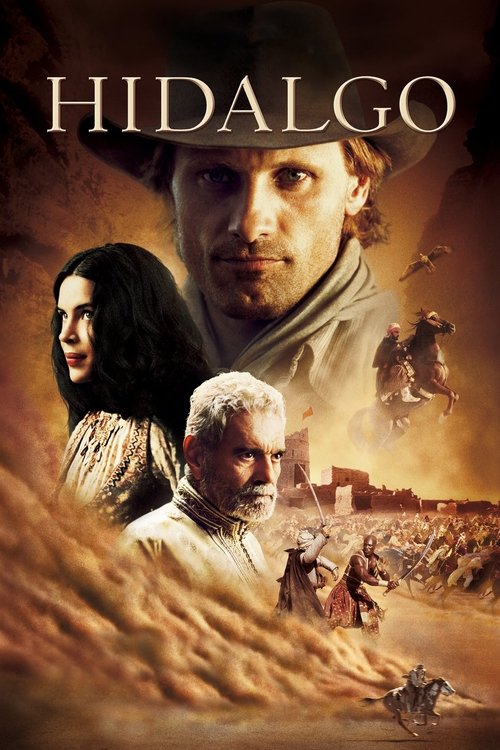
There’s a specific kind of squint that only Viggo Mortensen can pull off—a look that suggests he’s either contemplating the heat death of the universe or he just really, really likes his horse. In 2004, the world was still reeling from the cultural meteor strike of The Lord of the Rings, and every studio executive in Hollywood was desperate to see if their new Elven king could carry a franchise without a sword or a cape. Enter Hidalgo, a movie that feels like it was unearthed from a time capsule buried in 1945, polished up with some early-2000s digital sheen, and released into a landscape that didn't quite know what to do with a sincere, old-fashioned Western adventure.
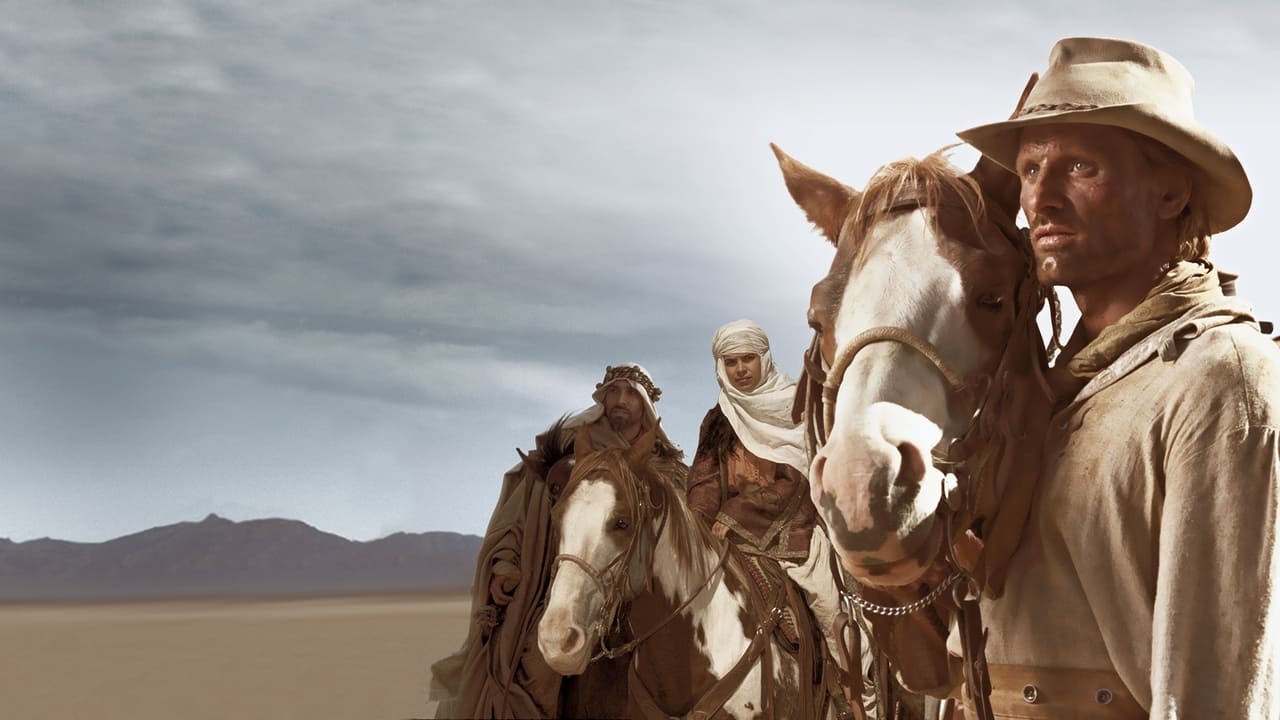
I recently revisited this on a rainy Tuesday while eating a bag of pretzels that had been open just long enough to lose their structural integrity, and honestly, the slight sogginess of the snacks matched the dusty, sweat-soaked vibe of the film perfectly. Hidalgo isn't a masterpiece, but it’s a "Dad Movie" of the highest order—the kind of film that prizes landscape photography, stoicism, and the unbreakable bond between a man and his four-legged best friend.
Practical Dust and Digital Swarms
Directed by Joe Johnston, a man who practically built his career on the foundation of "earnest adventure" (think The Rocketeer or October Sky), Hidalgo occupies a fascinating space in the CGI revolution. Released in that 2004 sweet spot, it leans heavily on breathtaking Moroccan locations while occasionally splashing out on digital effects that haven't aged with total grace. There’s a scene involving a swarm of locusts that looks like a PlayStation 2 cutscene gone rogue, yet somehow, it doesn't break the spell. Why? Because Viggo Mortensen treats that CGI grasshopper like it’s a personal insult.
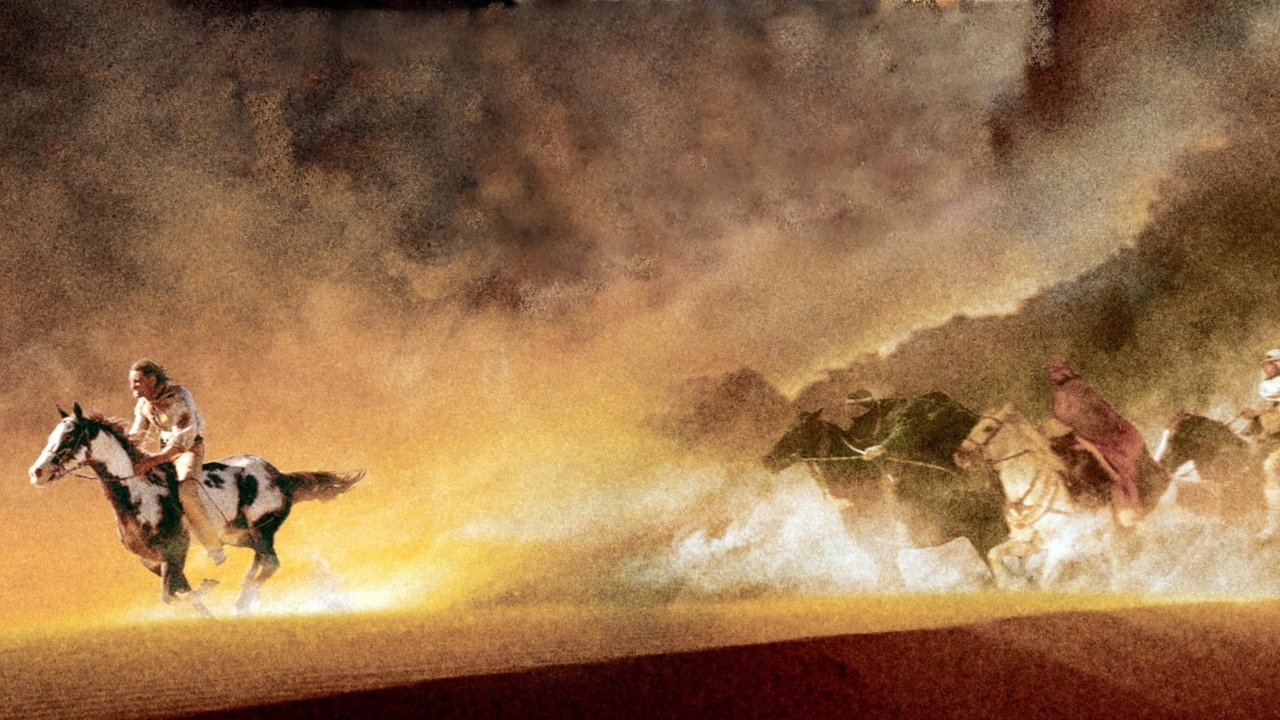
The film follows Frank Hopkins, a real-life (well, allegedly) Pony Express rider who travels to the Arabian Desert to enter the "Ocean of Fire," a 3,000-mile survival race. Looking back, this was such a gutsy move for a post-9/11 blockbuster. While the news cycles were dominated by conflict in the Middle East, Hidalgo tried to present a romanticized, swashbuckling version of the region, anchored by the legendary Omar Sharif as Sheikh Riyadh. Sharif brings an effortless, old-world gravity to the role that reminds you why he was a superstar in the first place; his chemistry with Mortensen is the secret sauce that keeps the second act from dragging in the sand.
The Viggo Factor and the "True Story" Trap
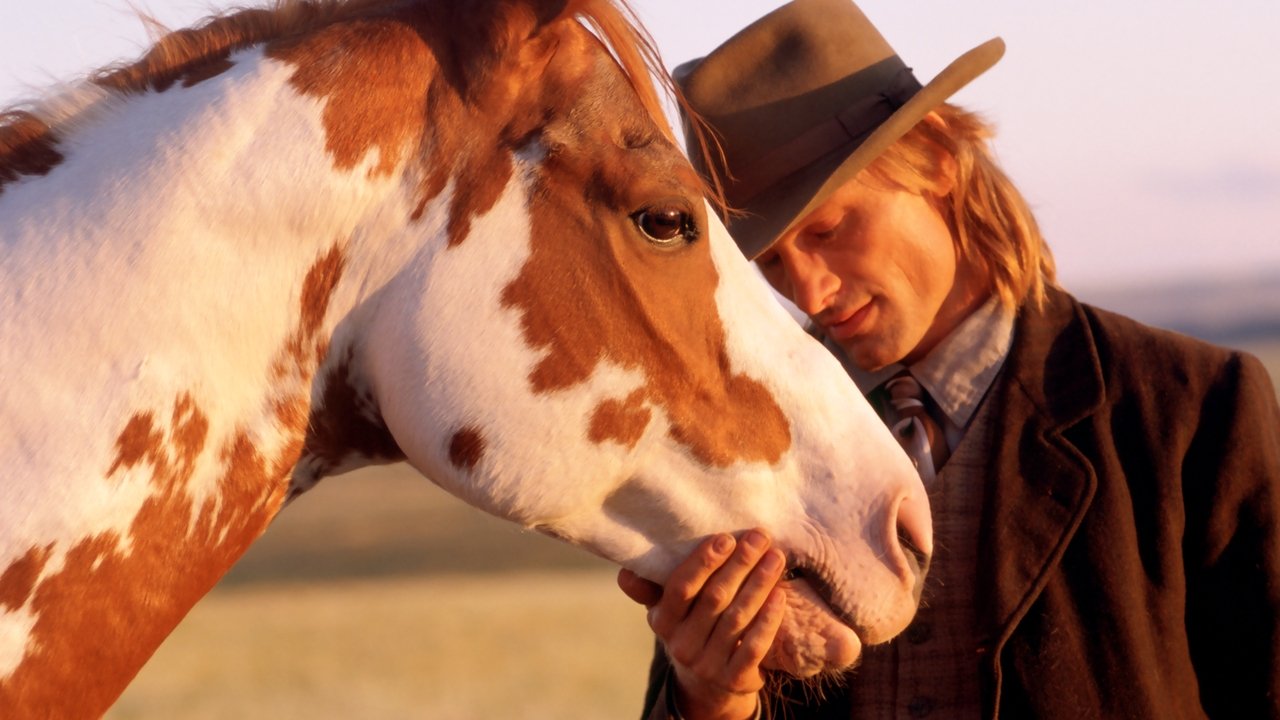
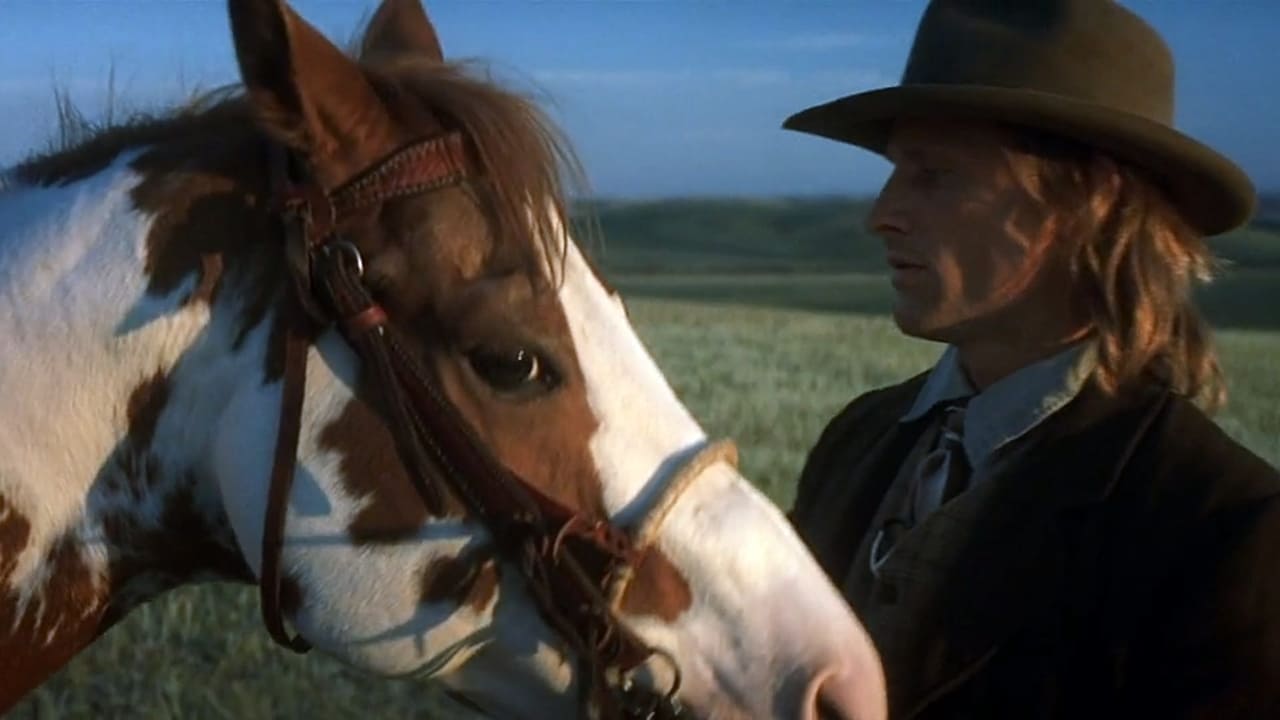
Mortensen is doing a lot of heavy lifting here. Fresh off playing Aragorn, he could have easily phoned in a generic hero role. Instead, he plays Hopkins as a man haunted by the Wounded Knee Massacre, carrying a quiet, heavy guilt that he only sheds when he’s talking to his horse, the titular mustang Hidalgo. Apparently, Mortensen got so attached to the horse who played Hidalgo (a paint named TJ) that he bought him after filming wrapped. That’s the kind of authentic "horse-girl energy" that permeates the whole production.
However, the film’s biggest hurdle was its own marketing. It was sold as a "true story," a claim that historians dismantled faster than a cheap tent in a sandstorm. The real Frank Hopkins was, by most accounts, a world-class fabulist who likely never even saw the Arabian Peninsula. At the time, this controversy soured the film’s reputation. But looking at it now, through the lens of a "forgotten oddity," the fictionalization doesn't bother me. It’s a tall tale about a man who tells tall tales. Screenwriter John Fusco (the guy behind Young Guns) leans into the mythic Western tropes, and if you stop worrying about the Wikipedia accuracy, the adventure becomes significantly more fun.
A Relic of the DVD Renaissance
Hidalgo is a prime example of a film that lived its best life on DVD. I remember the special features on the original disc—long segments about the grueling logistics of filming in the desert and the training of the horses. It was an era where we cared about the "how" as much as the "what." The supporting cast is a delightful "who’s who" of that period, too. You’ve got J.K. Simmons showing up as Buffalo Bill Cody back when he was a "hey, it’s that guy" actor, and Louise Lombard playing a calculating British aristocrat with just enough villainous flair to keep things spicy.
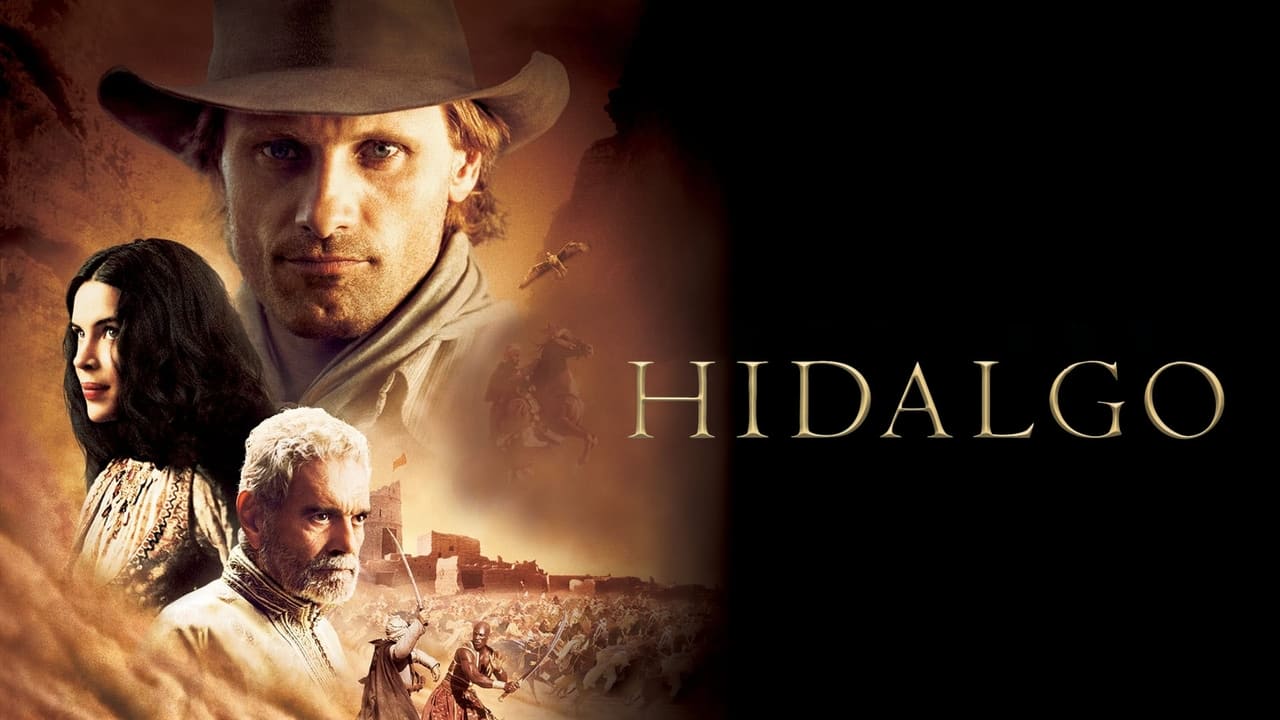
The film’s pacing is its biggest enemy; at 136 minutes, it definitely feels like you’ve actually ridden across half of Arabia by the time the credits roll. There are subplots involving kidnapping and ancient prophecies that feel like they belonged in an Indiana Jones sequel, and yet, there’s something genuinely moving about the finale. When the music by James Newton Howard swells—and let's be honest, Howard never misses when it comes to epic adventure scores—you really want that little paint horse to cross the finish line.
Ultimately, Hidalgo is the kind of mid-budget, earnest adventure that Hollywood has largely stopped making in favor of interconnected multiverses. It’s dusty, it’s a little too long, and its "true story" claims are pure fiction, but it has a heart as big as the desert. It’s the perfect watch for when you want to disappear into a world of honorable cowboys and noble steeds without having to think too hard about the plot. If you can find it streaming or, better yet, find a dusty copy at a thrift store, give it a chance—it’s a ride worth taking.
Keep Exploring...
-

The Rocketeer
1991
-

Jurassic Park III
2001
-
Spirit: Stallion of the Cimarron
2002
-
October Sky
1999
-
Far and Away
1992
-
Maverick
1994
-
Wyatt Earp
1994
-
Jumanji
1995
-
Appaloosa
2008
-

Captain America: The First Avenger
2011
-
The Forbidden Kingdom
2008
-

The 13th Warrior
1999
-
Shanghai Noon
2000
-
Shanghai Knights
2003
-
The Legend of Zorro
2005
-
Mission to Mars
2000
-

Space Cowboys
2000
-
Titan A.E.
2000
-
U-571
2000
-
Vertical Limit
2000