Hotel Rwanda
"A concierge's diplomacy becomes a nation's conscience."
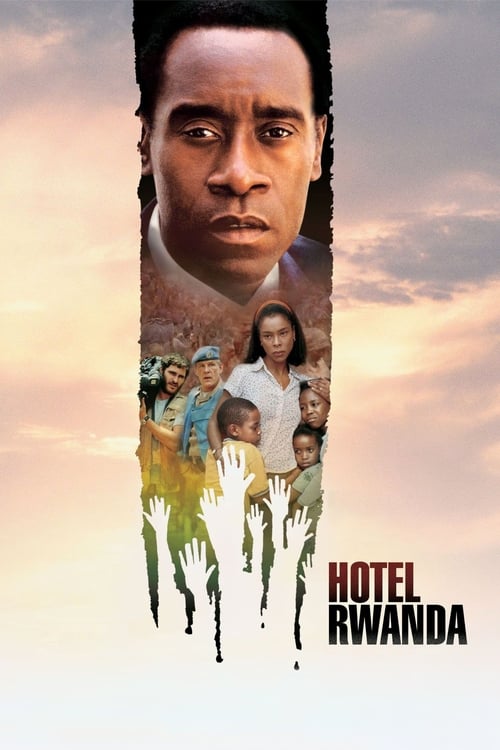
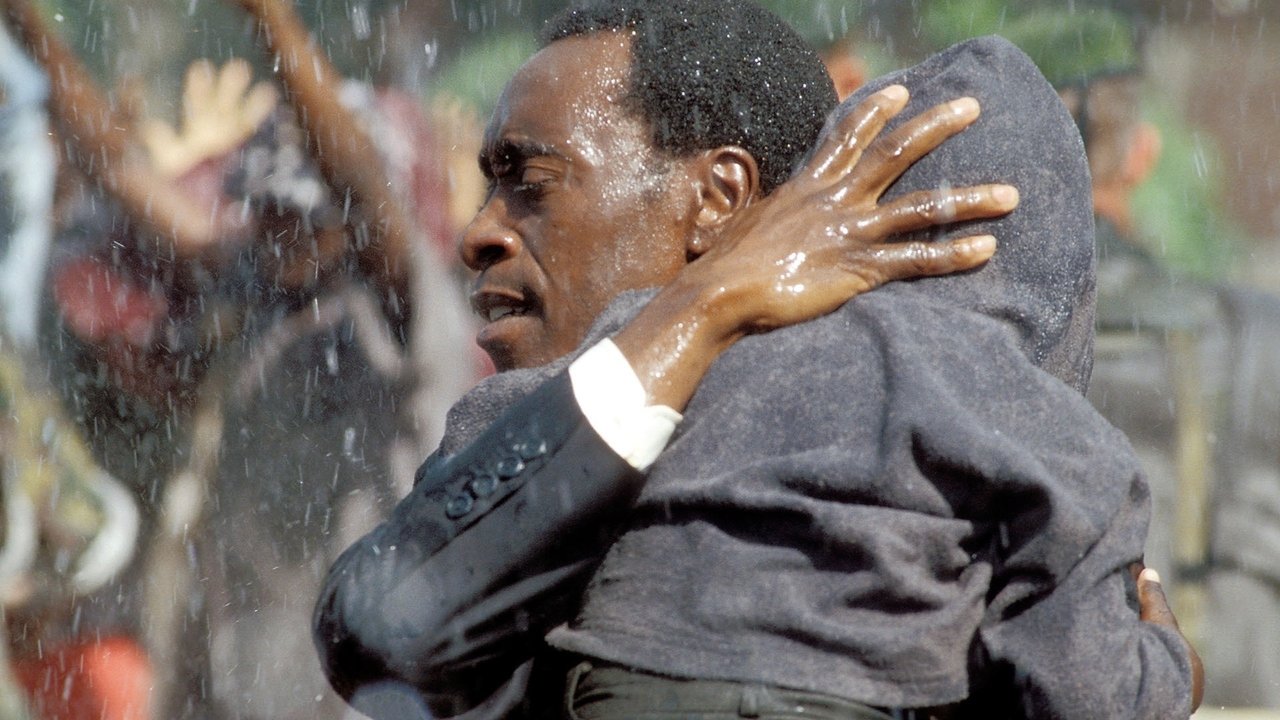
There is a specific, agonizing tension in watching a man try to maintain the standards of a four-star hotel while the world outside is dissolving into blood-soaked madness. I’m talking about the way Don Cheadle adjusts his tie in the middle of a genocide. As Paul Rusesabagina, he doesn’t start the film as a revolutionary; he starts as a man who knows exactly which brand of scotch will placate a corrupt general and which cigar will buy a moment of peace. It’s a performance of exquisite, terrifying restraint.
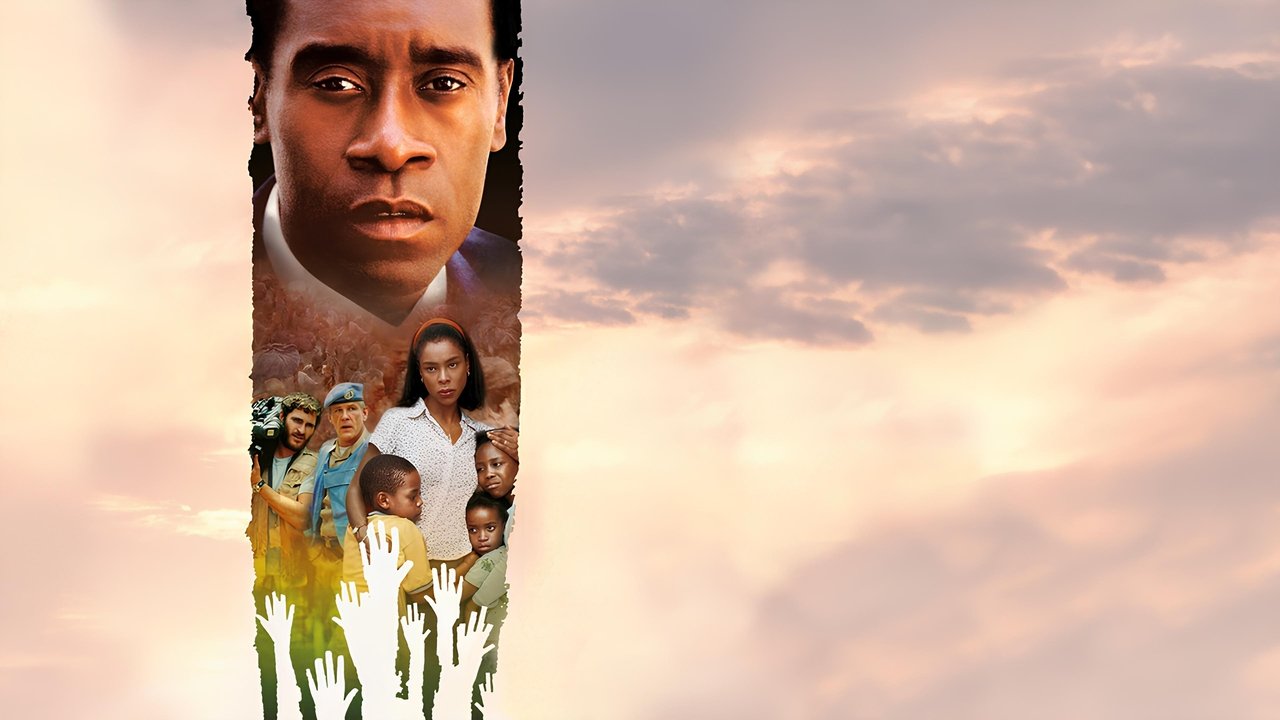
I watched this recently on a Tuesday night while my neighbor was loudly assembling IKEA furniture through the wall. The rhythmic thwack-thwack of his rubber mallet felt like a bizarre, metronomic heartbeat against the silence of the film’s most haunting scenes. It shouldn't have worked, but that mundane domesticity only underscored the film’s central horror: that while one world is ending, the rest of the planet is just going about its business.
The Bureaucracy of Survival
Hotel Rwanda arrived in 2004, a year when Hollywood was deeply preoccupied with the "prestige drama" as a tool for social education. Looking back, it avoids the trap of being a dry history lesson by leaning into the mechanics of hospitality. Paul isn't a soldier; he’s a manager. He treats the Rwandan genocide as a series of impossible logistical problems to be solved with bribes, favors, and a relentless, desperate politeness.
Don Cheadle (who I still think was robbed of the Oscar by Jamie Foxx that year) plays Paul with a middle-management soul that slowly breaks. There’s a scene involving a fog-covered road and a bumpy ride that remains one of the most chilling sequences in 2000s cinema without showing a single drop of blood on screen. It’s all in Cheadle’s eyes—the moment he realizes that his "connections" and his "protocol" are absolutely meaningless in the face of pure, irrational hate. Cheadle’s facial expressions are the only thing holding the viewer’s sanity together during the film's darkest stretches.
A Masterclass in Earned Emotion
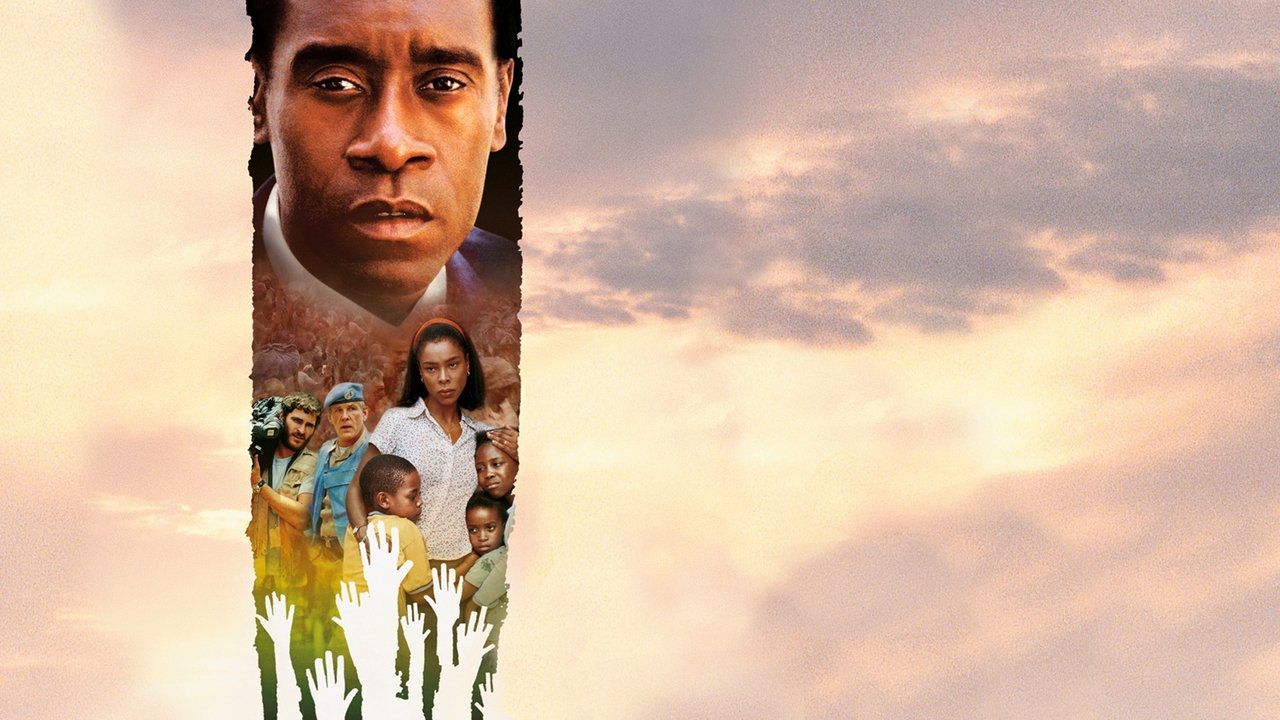
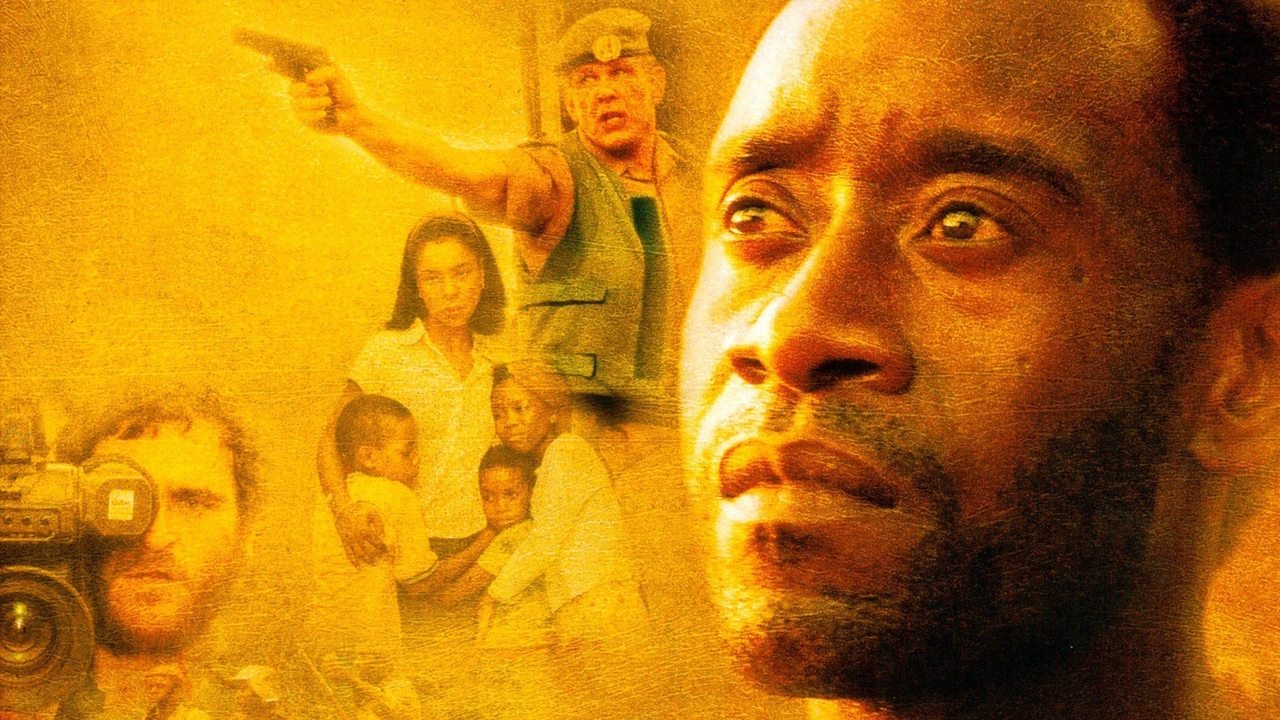
The film doesn't just rest on Paul's shoulders. Sophie Okonedo, as Paul’s wife Tatiana, provides the emotional marrow of the story. While Paul is busy "managing," Tatiana is the one feeling the true weight of the terror. Their chemistry doesn't feel like "movie romance"; it feels like the frantic, whispered shorthand of two people trying to keep their children from hearing the monsters outside the door.
Then there’s Nick Nolte as Colonel Oliver, a stand-in for the UN’s Romeo Dallaire. Nolte looks like he’s been carved out of old granite and disappointment. His performance captures the specific post-9/11 cynicism regarding international intervention. When he tells Paul that the West thinks the refugees are "dirt," it’s a line that lands with a sickening thud because the film has already shown us the cold, hard evidence of that apathy.
Director Terry George makes a deliberate choice to keep the most graphic violence off-camera or in the periphery. By focusing on the Hôtel des Mille Collines—an island of faux-luxury in a sea of chaos—he creates a pressure-cooker atmosphere. The score by Rupert Gregson-Williams avoids the sweeping, overly-sentimental orchestral swells that usually plague these kinds of "true story" dramas, opting instead for something that feels more percussive and immediate.
The Stuff You Didn't Notice
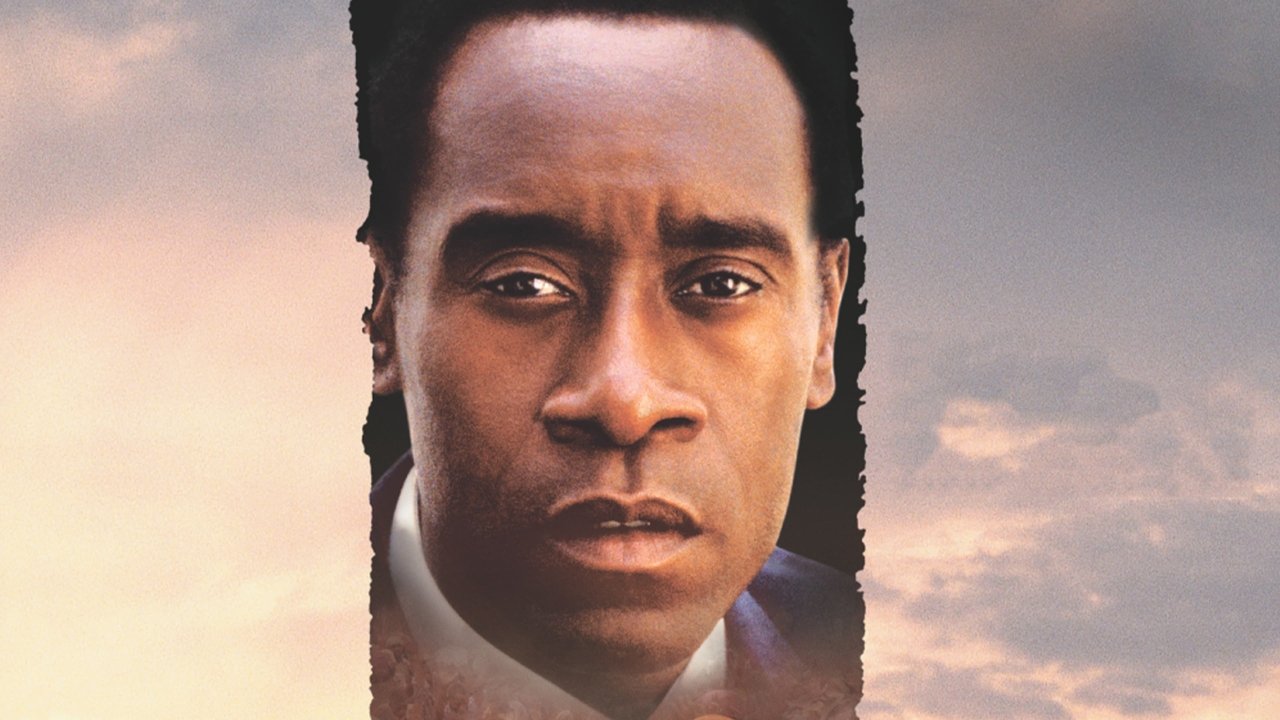
The production of this film is almost as interesting as the story itself. While it feels like an epic, the budget was a relatively lean $17.5 million, which meant they had to be incredibly smart with their locations.
South African Stand-In: Despite being set in Kigali, the film was shot almost entirely in South Africa. The actual Hôtel des Mille Collines ("Hotel of a Thousand Hills") was still a functioning business and couldn't be shut down for filming. The Smith Factor: United Artists originally wanted a bigger "star" like Will Smith to play Paul. Terry George fought tooth and nail for Don Cheadle, believing Cheadle had the "ordinary man" quality that a superstar would overwhelm. The Real Paul: The real Paul Rusesabagina was heavily involved in the production, acting as a consultant to ensure the nuances of the hotel's operation were accurate. A Nigerian Hutu: Hakeem Kae-Kazim, who plays the terrifying George Rutaganda, is actually Nigerian but grew up in the UK. His chilling, charismatic performance as the voice of the Hutu Power radio was so effective that it reportedly disturbed the local South African extras during filming. * Research Trip: To write the script, Terry George and Keir Pearson spent a year traveling through Rwanda, interviewing survivors. George was actually the first Westerner to stay at the hotel after the genocide ended.
Hotel Rwanda is an intense, draining, and ultimately vital piece of cinema that avoids the "White Savior" trope by keeping the agency firmly in the hands of the people living the nightmare. It’s a film that demands your attention and earns every bit of the dread it instills. Looking back from twenty years later, its critique of global indifference hasn't aged a day, which is perhaps the most tragic thing about it. It’s not an easy watch, but it’s a necessary one that reminds us how thin the veneer of civilization really is.
Keep Exploring...
-
The Patriot
2000
-
Enemy at the Gates
2001
-
Kingdom of Heaven
2005
-
The Thin Red Line
1998
-
Downfall
2004
-
Joyeux Noel
2005
-
The Boy in the Striped Pyjamas
2008
-
Red Cliff
2008
-
Letters from Iwo Jima
2006
-
Pan's Labyrinth
2006
-
The Hurt Locker
2008
-

Brothers
2009
-
Schindler's List
1993
-
The Round Up
2010
-

The Wind Rises
2013
-

The Imitation Game
2014
-
Black Hawk Down
2001
-
Gangs of New York
2002
-
We Were Soldiers
2002
-
Master and Commander: The Far Side of the World
2003