House of Flying Daggers
"Sharp blades, sharper heartbreak, and colors that bleed."
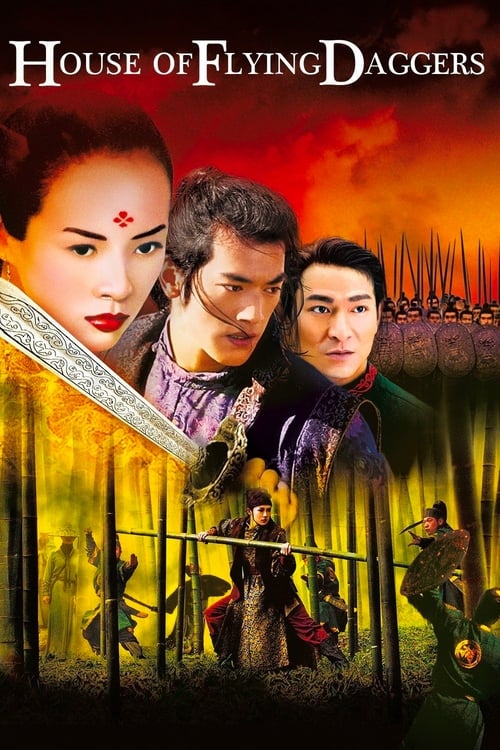
If you walked into a Best Buy in 2004, the television department was a gauntlet of neon-bright screens all playing the same three movies to show off the "new" high-definition revolution. Usually, it was Gladiator, The Matrix, or the lush, emerald-soaked forest sequence from Zhang Yimou’s House of Flying Daggers. It was a film designed to be a visual flex, a riot of primary colors and physics-defying silk that made our old CRT monitors look like they were smeared with grey paste.
Yet, looking back from the vantage point of twenty years later, this film occupies a strange, misty middle ground in the cultural memory. It arrived right at the tail end of the global Wuxia fever sparked by Crouching Tiger, Hidden Dragon and Zhang Yimou’s own Hero. By the time Flying Daggers hit the Western mainstream, the novelty of wire-fu was beginning to wane, and the film was somewhat unfairly shuffled into the "another one of those" category. I recently revisited it on a scratchy DVD I found in a thrift store—I actually had to pause the movie twice because my cat kept trying to catch the CGI daggers on the screen—and I realized we’ve been far too quiet about how much this movie absolutely slaps.
The Art of the Impossible Fight
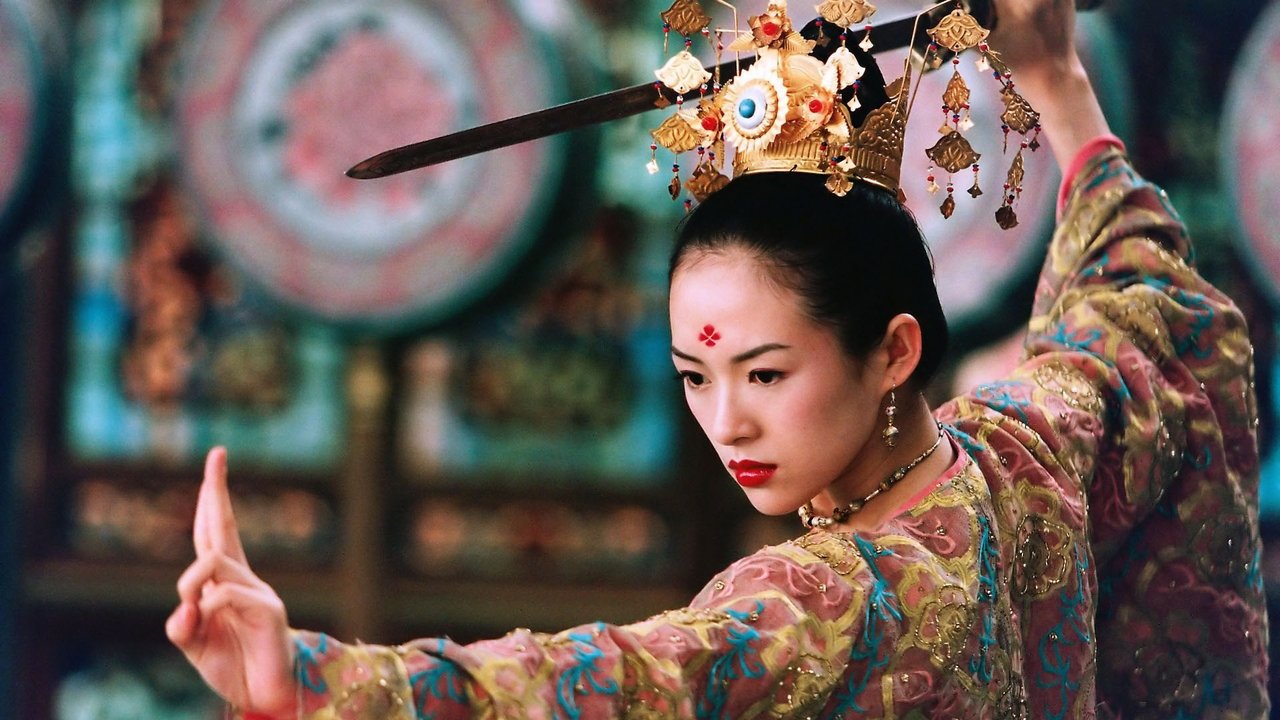
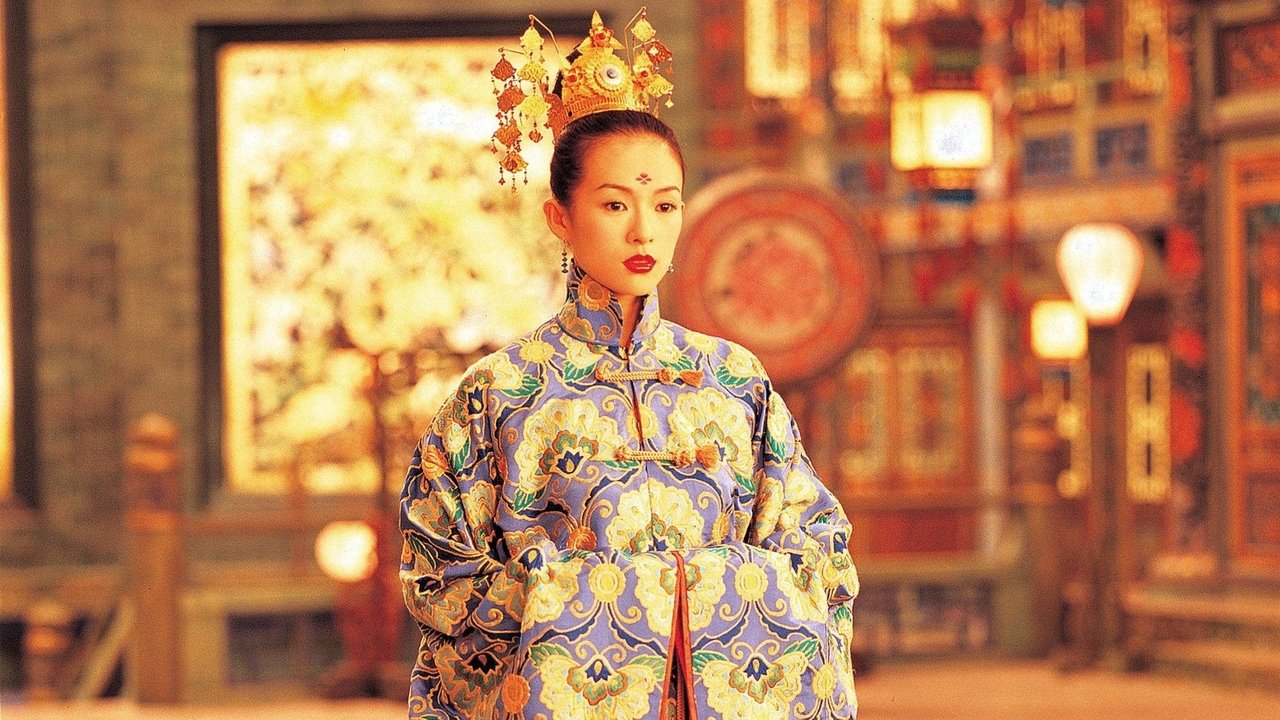
While Hero was a cold, intellectual exploration of history and calligraphy, House of Flying Daggers is a sweaty, desperate, and incredibly loud romance. The action isn't just "action"—it’s a series of sensory experiments. Take the "Echo Game" in the Peony Pavilion. Zhang Ziyi (who also starred in the iconic Memoirs of a Geisha) plays Xiao Mei, a blind dancer who must replicate the sound of beans hitting drums by striking them with her elongated silk sleeves.
It’s a sequence that defines the transition of the era; it’s half-practical stunt work and half-early-2000s digital enhancement. You can see the CGI polish on the beans, but the physical grace of Zhang Ziyi—who spent months training for the sequence—is undeniable. The sound design is the real star here. Every thwack of the silk and tink of the hidden daggers feels like it’s happening inside your ear canal. It’s the kind of sequence that justifies the entire existence of home theater surround sound systems.
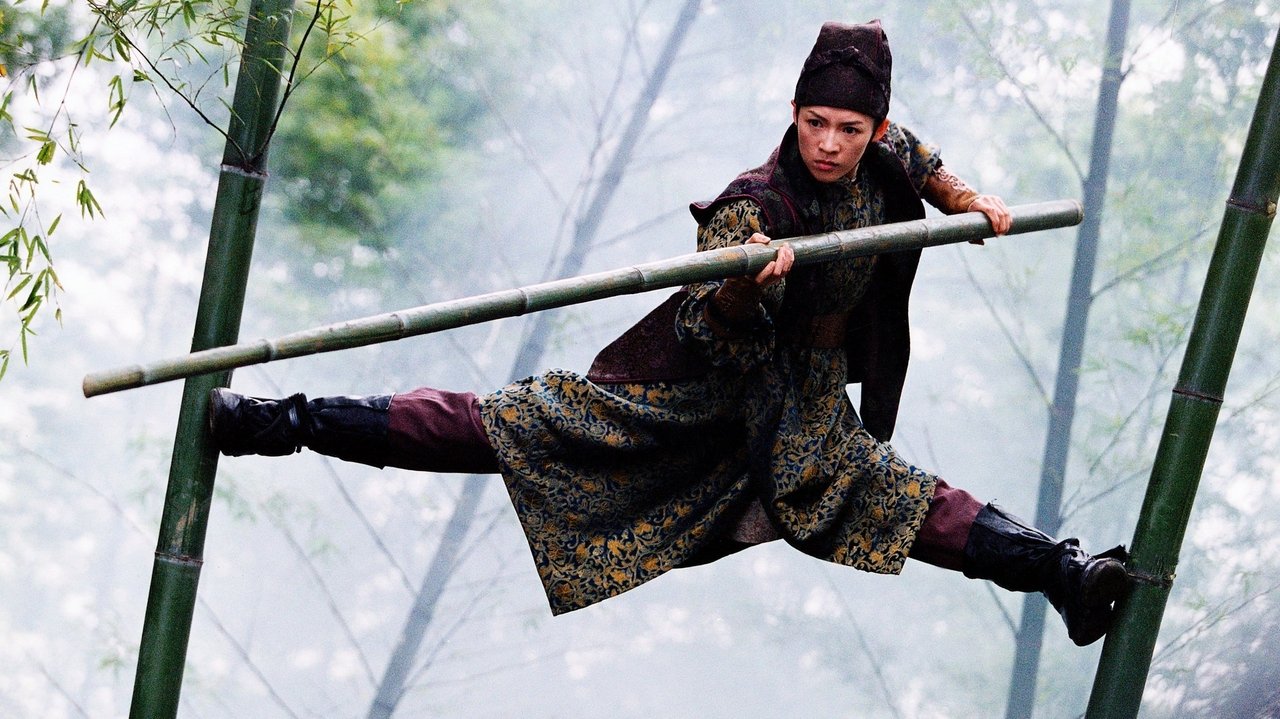
The fight choreography, led by the legendary Tony Ching Siu-tung, balances the "weightlessness" of the era with a surprising amount of grit. When the soldiers finally corner our protagonists in the bamboo forest, the stakes feel heavy. The bamboo poles aren't just scenery; they are projectiles, cages, and platforms. The film’s physics are essentially a suggestion rather than a rule, but the emotional impact of the blades feels painfully real.
A Tangle of Moles and Melodrama
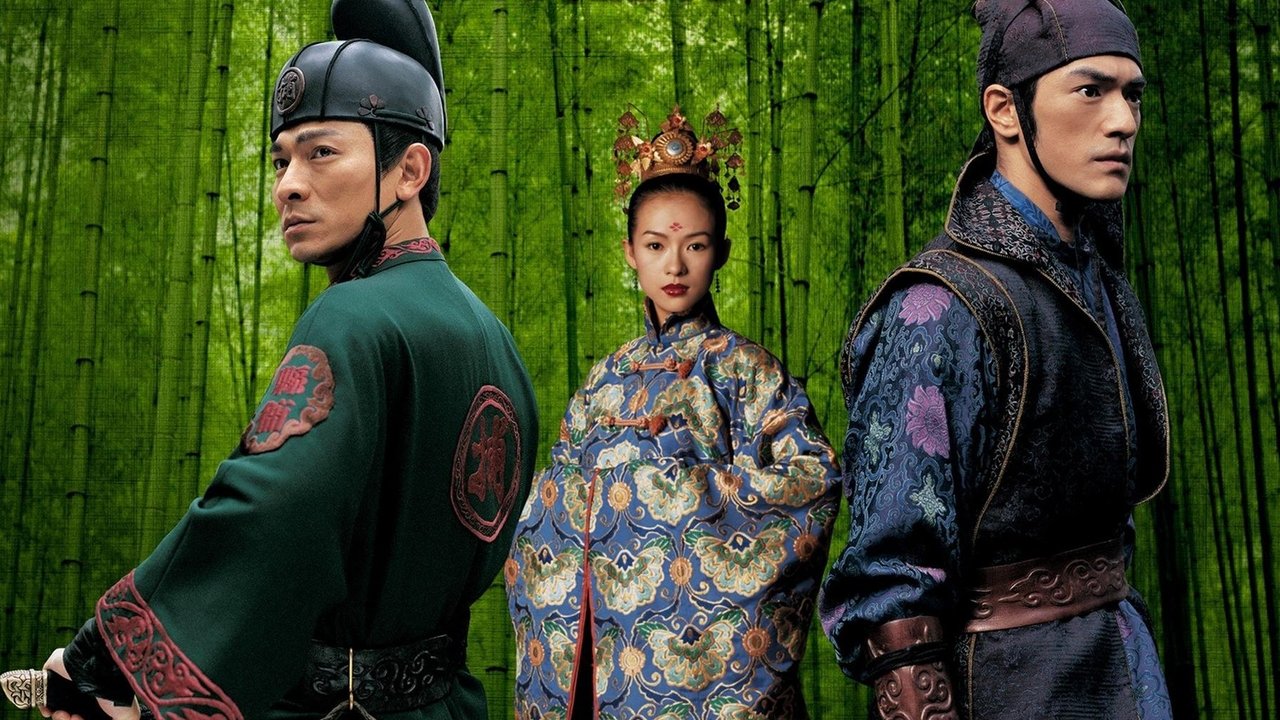
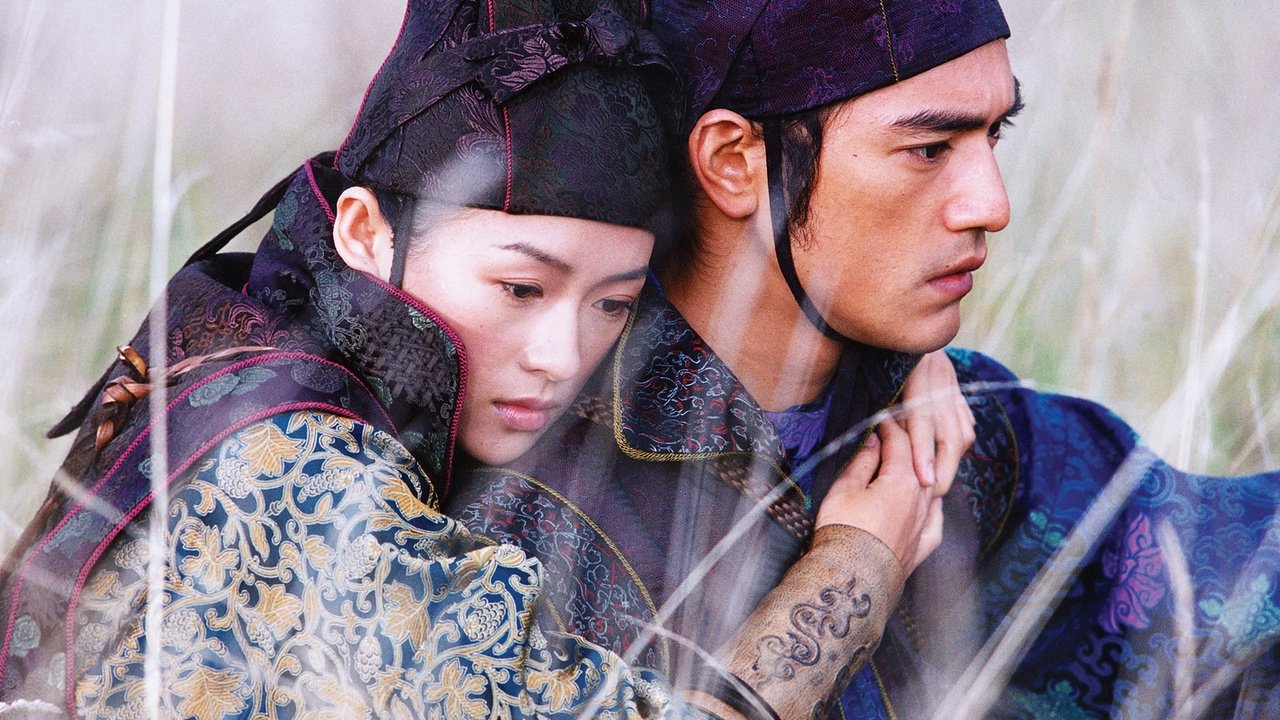
The plot is a labyrinth of "who is betraying whom?" that keeps you on your toes for the first hour before dissolving into a three-way standoff of pure, unadulterated melodrama. We follow Jin (Takeshi Kaneshiro, the heartthrob from Wong Kar-wai’s Chungking Express) and Leo (Andy Lau, the stalwart lead of Infernal Affairs), two police officers tasked with infiltrating the rebel "Flying Daggers" guild.
Jin pretends to be a rogue warrior to break Xiao Mei out of prison, leading her on a journey back to her headquarters. Naturally, they fall in love, because Jin is played by Takeshi Kaneshiro and it’s functionally impossible not to. The plot is a glorious, high-stakes mess of double-crosses that would make a telenovela producer blush. By the time the final act rolls around, the political intrigue about the crumbling Tang Dynasty is tossed out the window in favor of a personal vendetta that plays out in a literal blizzard.
That final duel is a fascinating piece of production history. The crew didn't actually plan for the snow; a freak early blizzard hit their Ukrainian filming location, and Zhang Yimou decided to just keep the cameras rolling. It resulted in one of the most striking climaxes in action cinema: bright red blood splattered against pristine white snow, with the green tunics of the actors popping like neon signs. It’s a happy accident that perfectly encapsulates the "go big or go home" energy of early 2000s international cinema.
The DVD Era’s Lost Jewel
Part of why this film feels "forgotten" is that it’s a product of the peak DVD era. This was a time when we didn't just watch a movie; we spent four hours diving into the "Special Features" disc. I remember the making-of documentaries for these films being almost as entertaining as the features themselves, showcasing the sheer madness of building entire forests or the tragedy of losing the legendary Anita Mui, who was cast as the "Sister" of the guild but passed away before her scenes could be filmed. Zhang Yimou respectfully refused to recast her, rewriting the script to keep her character as a shadowy, unseen presence.
Today, House of Flying Daggers stands as a reminder of a time when "spectacle" didn't mean a purple alien punching a guy in a cape. It meant thousands of hand-stitched costumes, actors dangling from cranes in the Ukrainian wilderness, and a color palette so aggressive it could cure seasonal affective disorder. It’s a film that prioritizes beauty over logic, and in our current landscape of muddy, grey-toned blockbusters, that feels like a radical act of rebellion.
House of Flying Daggers is a feast for the eyes that occasionally forgets to feed the brain, but when the visuals are this delicious, you won't mind the empty calories. It’s a bridge between the old world of practical martial arts and the digital future, anchored by three leads who are almost distractingly charismatic. If you haven't revisited this since the days of 480p resolution, find the best copy you can, turn up the volume, and let the colors wash over you. It’s a reminder that sometimes, the most effective weapon in a director’s arsenal isn't a dagger—it’s a paintbrush.
Keep Exploring...
-

Hero
2002
-
The Count of Monte Cristo
2002
-
Walking Tall
2004
-
The Messenger: The Story of Joan of Arc
1999
-

Wizards of Waverly Place: The Movie
2009
-

Crouching Tiger, Hidden Dragon
2000
-
The Edge
1997
-

13 Assassins
2010
-
All Is Lost
2013
-
Days of Thunder
1990
-
Maverick
1994
-
Executive Decision
1996
-
Red Cliff
2008
-
The Flowers of War
2011
-
Flight of the Phoenix
2004
-
Valhalla Rising
2009
-

Gladiator
2000
-

The Perfect Storm
2000
-
A Knight's Tale
2001
-
Zatoichi
2003