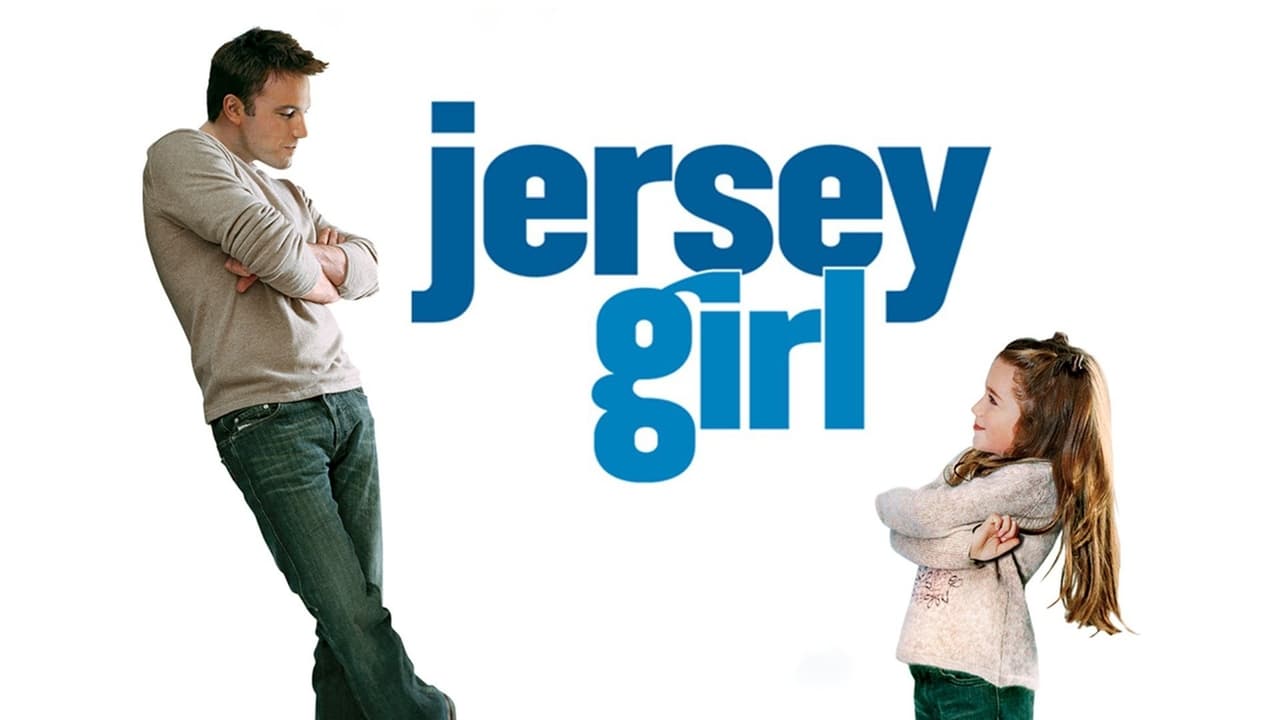
Jersey Girl
"Before he was Batman, he was just Dad."
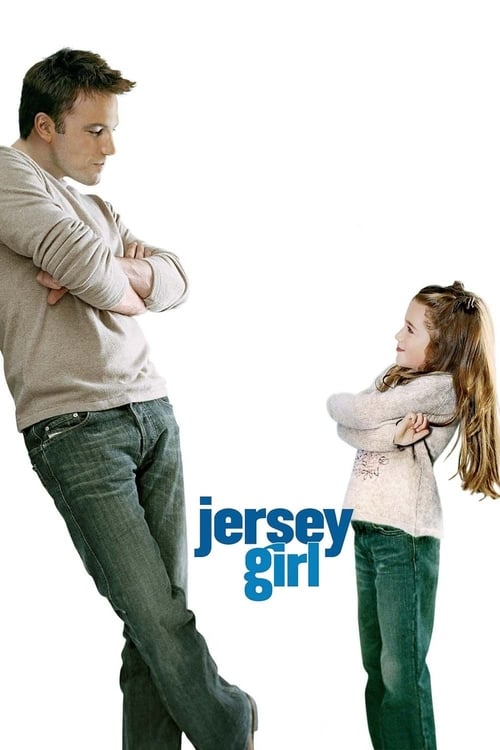
In the early 2000s, there was no cultural radioactive isotope more potent than the tabloid coupling of Ben Affleck and Jennifer Lopez. Their relationship didn’t just fuel gossip magazines; it actively poisoned the box office potential of anything they touched, culminating in the historic cratering of Gigli. By the time Jersey Girl arrived in March 2004, the "Bennifer" fatigue had reached such a fever pitch that Kevin Smith’s first foray into earnest, PG-13 filmmaking was dead on arrival. Miramax was so terrified of the backlash they practically scrubbed Jennifer Lopez from the marketing, despite her face being plastered across the original teaser posters. Looking back twenty years later, the film is a fascinating time capsule of a director trying to grow up while his audience—and the media—desperately wanted him to stay in the Quick Stop.
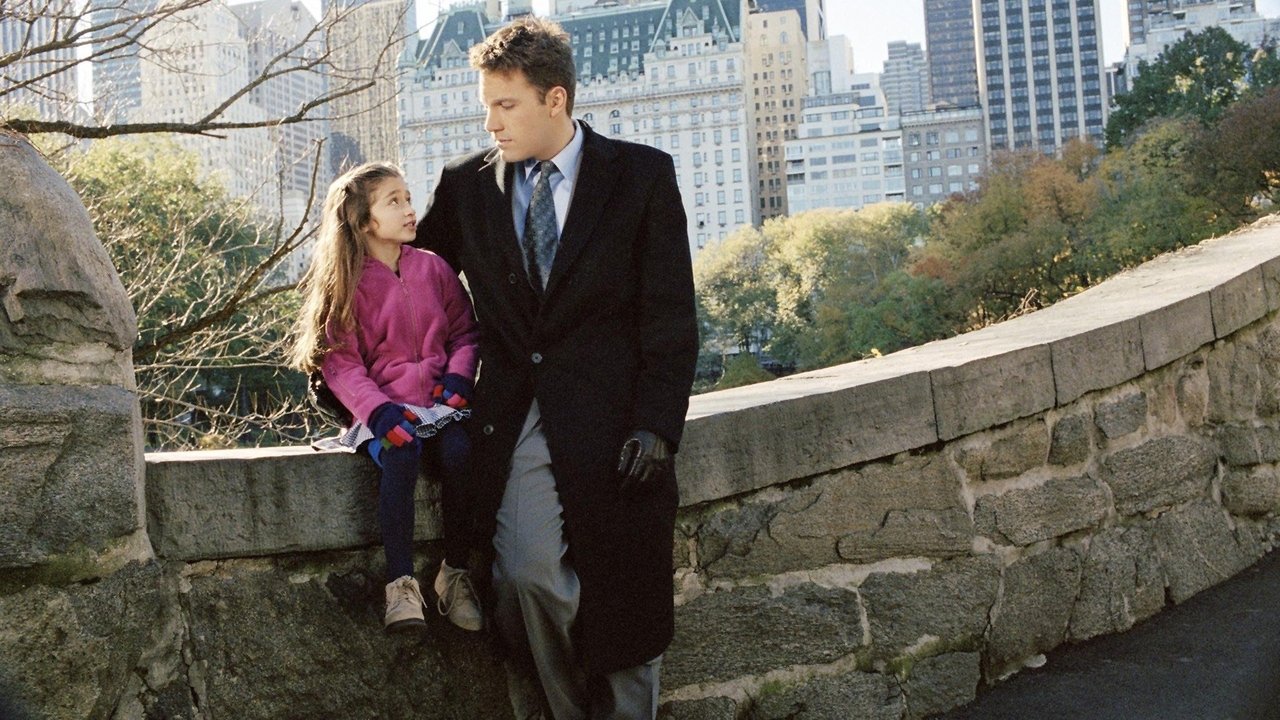
The Ghost of Bennifer Past
I recently dug up my old DVD copy of Jersey Girl, which still has a faded "Buy 2 Get 1 Free" sticker from a defunct Blockbuster. I watched it while eating a bowl of slightly stale cereal, and the mundane setting actually felt like the perfect atmosphere for a movie that is essentially about the crushing weight of ordinary life. For Kevin Smith, the guy who built a career on the hyper-verbal, R-rated antics of Clerks and Chasing Amy, this was a massive pivot. He traded the dick jokes for diaper jokes, and at the time, his hardcore fanbase felt betrayed.
The story follows Ollie Trinke (Ben Affleck), a high-powered Manhattan music publicist who has everything: the New York apartment, the beautiful wife Gertrude (Jennifer Lopez), and a fast-track career. Then, tragedy strikes during childbirth. Gertrude dies, and Ollie is left as a single father who suffers a very public, very career-ending meltdown at a press junket for Will Smith. He ends up back in his childhood home in Highlands, New Jersey, living with his salt-of-the-earth father, Bart, played with surprising tenderness by the legendary George Carlin.
A Public Relations Suicide Note
The scene where Ollie snaps at the press is arguably Ben Affleck’s best work from this era. He’s sweaty, sleep-deprived, and grieving, and he describes his star client’s new movie as a public relations suicide note. It’s raw in a way the rest of the movie often struggles to match. The film then jumps forward seven years, and we get the core of the story: Ollie’s relationship with his precocious daughter, Gertie, played by Raquel Castro.
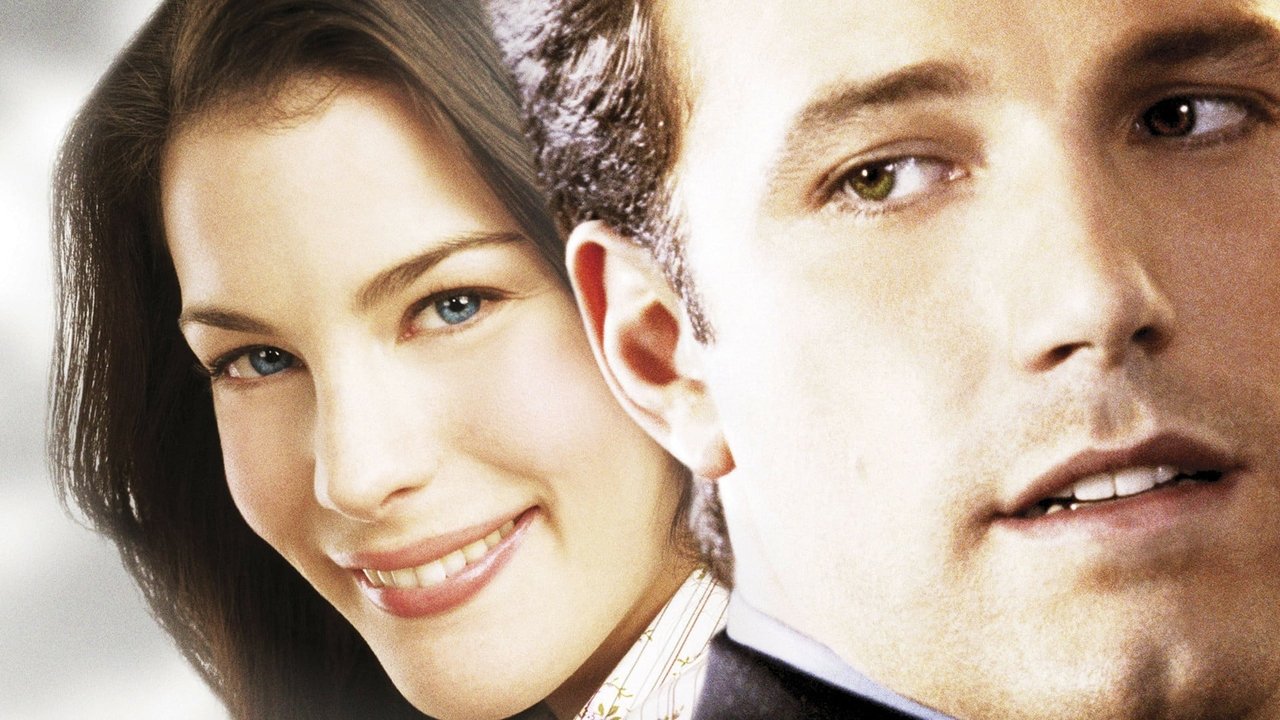
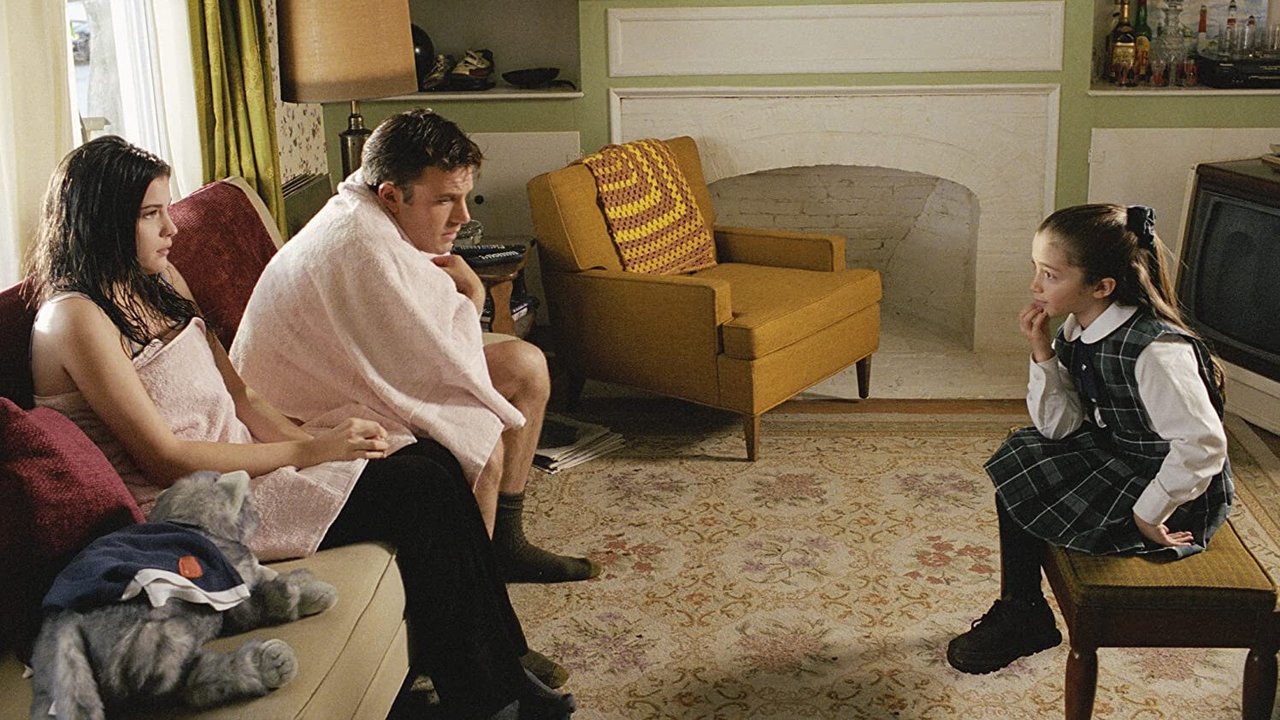
Raquel Castro is the secret weapon here. Child actors in early 2000s dramedies were often directed to be "movie cute," which can be grating, but she feels like a real kid—stubborn, obsessed with Sweeney Todd, and capable of calling out her dad’s lingering pretension. Their chemistry is what keeps the movie afloat when the script veers into "Movie-of-the-Week" territory. Liv Tyler eventually shows up as Maya, a grad student working at the local video store (a classic Smith trope) who challenges Ollie to stop treating his life like a temporary pit stop. Liv Tyler brings a grounded, earthy energy that contrasts nicely with the glossy, high-fashion vibe of the Manhattan flashbacks.
George Carlin and the Highlands Grit
If you only know George Carlin from his "Seven Dirty Words" routine, his performance here is a revelation. He’s the emotional anchor of the film, playing a man who drives a street sweeper and has no patience for his son’s self-pity. There’s a scene where they sit on the porch and talk about the realities of parenting that feels more authentic than almost anything else in the View Askew catalog. It’s a reminder that beneath the grunge-indie aesthetic of the 90s, Smith always had a soft spot for blue-collar family dynamics.
Visually, the film is a step up from Smith’s earlier work, thanks to the legendary cinematographer Vilmos Zsigmond, who shot Close Encounters of the Third Kind. He gives the New Jersey suburbs a warm, golden-hour glow that makes the town feel like a sanctuary rather than a prison. It doesn’t look like a "cheap" indie film; it looks like a mid-budget studio drama from an era when studios still bothered to make those.

However, the film isn’t without its cringe moments. The climax, which involves a school talent show performance of a song from Sweeney Todd, is pure sentimental schmaltz. It’s the kind of thing that would have been ruthlessly mocked in Mallrats. Also, Jason Biggs pops up as a rival publicist in a role that feels like it belonged in a different, broader comedy.
Jersey Girl is a better movie than its 2004 reputation suggests, but it’s still hampered by a director who wasn't quite sure how to be sentimental without being sappy. It’s a film about the transition from the selfish twenties to the sacrificial thirties, made by a man who was going through that exact transition in the public eye. If you can strip away the tabloid baggage of the era and ignore a few clunky plot points, you’re left with a sweet, well-acted story about a guy who had to lose his "perfect" life to find a meaningful one. It’s a cozy, suburban "dad movie" that arrived five years too early for the people who would have actually appreciated it.
Keep Exploring...
-
Chasing Amy
1997
-
Zack and Miri Make a Porno
2008
-

Mallrats
1995
-
Dogma
1999
-
Jay and Silent Bob Strike Back
2001
-

Clerks II
2006
-
Blast from the Past
1999
-
Never Been Kissed
1999
-
Confessions of a Dangerous Mind
2002
-

S1m0ne
2002
-
What a Girl Wants
2003
-
First Daughter
2004
-
A Lot Like Love
2005
-
Broken Flowers
2005
-
Casanova
2005
-
The Family Stone
2005
-
The Sisterhood of the Traveling Pants
2005
-

A Good Year
2006
-
Just My Luck
2006
-
Dan in Real Life
2007