Kill Bill: Vol. 2
"The bill is finally due."
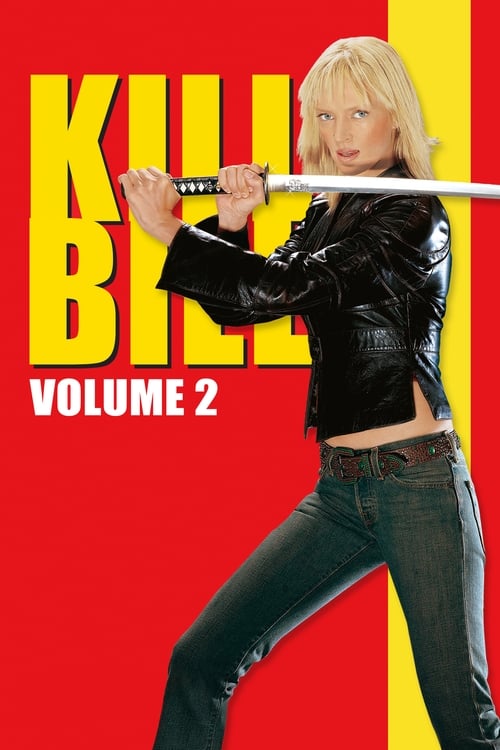
If Kill Bill: Vol. 1 was a blood-slicked sprint through a Tokyo neon nightmare, Vol. 2 is the long, dusty walk home where you finally have to think about what you’ve done. I remember watching this for the first time on a scratched DVD I’d borrowed from a local library—the kind with the sticky plastic case that smelled like old carpet—and being floored by the total gear-shift. I expected more katanas; instead, I got a Southern Gothic western where the most lethal weapon wasn't a sword, but a conversation over a ham sandwich.
Looking back, this was the peak of the Miramax era, a time when Quentin Tarantino had enough cultural capital to split a four-hour epic into two halves and actually get away with it. While the first volume was an exercise in style, the sequel is where the soul lives. It’s gritty, it’s talky, and it’s surprisingly heavy.
The Art of the Slow Burn
The action here is fundamentally different. It’s less about the choreography of a hundred stuntmen and more about the agonizing tension of a single moment. Take the burial scene. I watched this again recently while sitting next to a guy on a train who was loudly eating a bag of salt-and-vinegar chips, and even that couldn't break the crushing claustrophobia of that sequence. The screen goes black, the sound design shifts to the rhythmic thud-scrape of dirt hitting wood, and you feel every inch of that pine box. It’s a masterclass in making the audience squirm without showing a single drop of blood.
When the action does erupt, it’s unglamorous and bruising. The trailer fight between Uma Thurman and Daryl Hannah is one of my favorite sequences in modern cinema because it’s so remarkably messy. They aren't gliding through the air; they’re smashing their heads against low ceilings and trying to drown each other in a filthy trailer park toilet. The trailer fight is actually more thrilling than the entire "House of Blue Leaves" sequence because the stakes feel personal. It’s not a dance; it’s a grudge match.
Mentors and Monsters
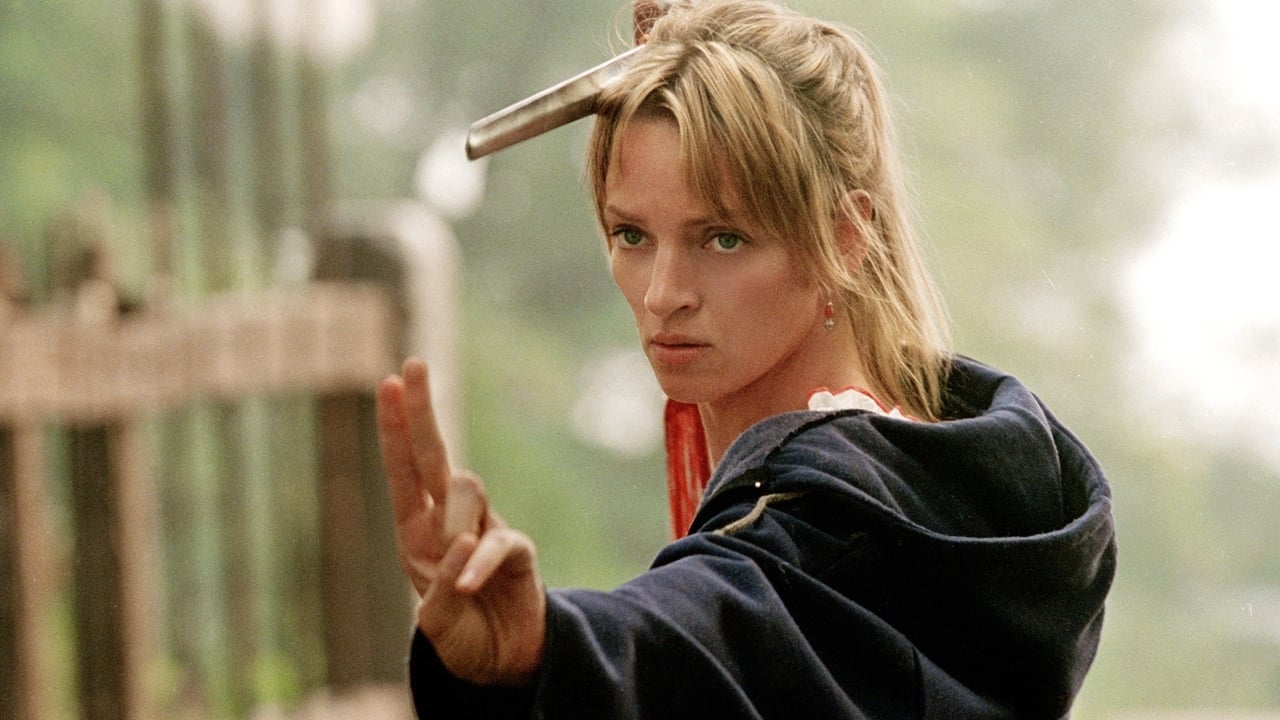
The middle act gives us the legendary Pai Mei sequence, and honestly, Gordon Liu Chia-Hui steals the entire movie with a flick of his beard. It’s a beautiful homage to the Shaw Brothers era of the 70s, complete with those aggressive snap-zooms that were already becoming a nostalgic relic by 2004. But beneath the fun training tropes, there’s a genuine sense of discipline and pain. It grounds Beatrix. It reminds me that she didn't just wake up a superhero; she was forged in a very specific, very cruel fire.
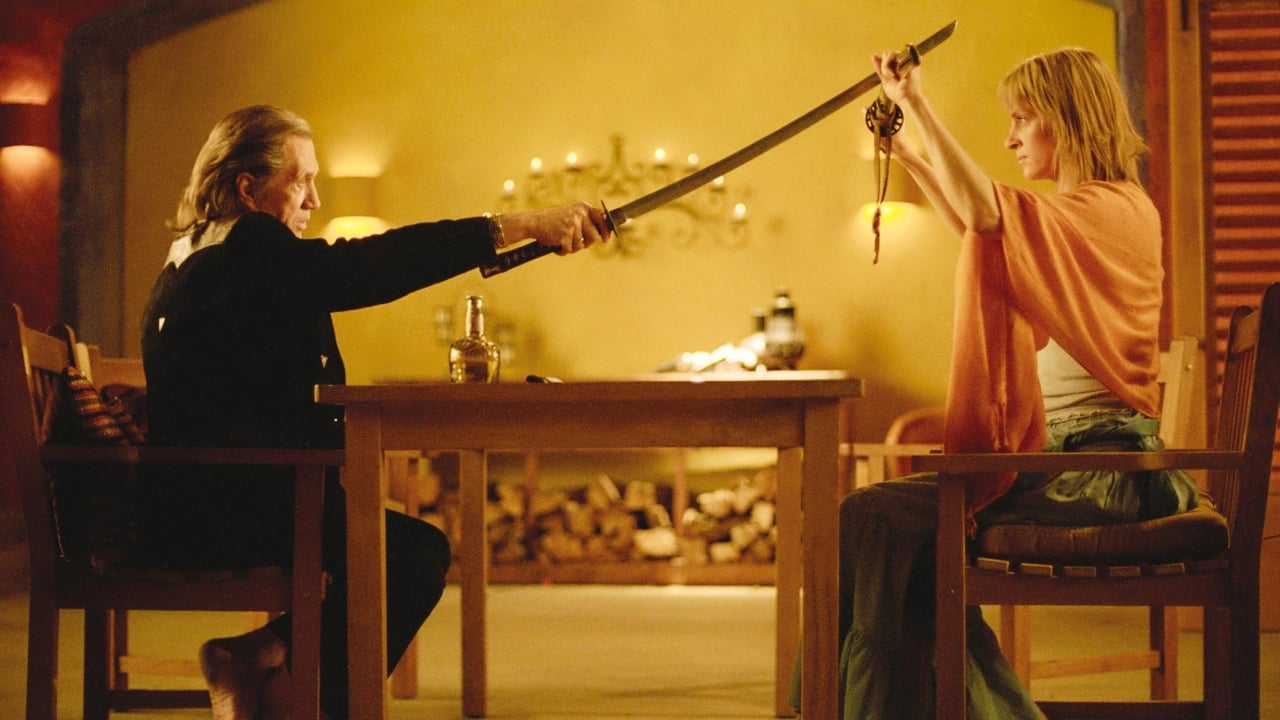
Then there’s Bill. David Carradine delivers a performance that is so casually menacing it makes your skin crawl. He doesn't need to raise his voice. He just sits there with a flute or a glass of tequila, radiating a kind of exhausted, paternal evil. By the time we get to the final confrontation, the "action" is mostly intellectual. I’ve always felt that Bill’s Superman monologue is a bit of a stretch if you really think about it, but Carradine sells it with such conviction that you find yourself nodding along with a cold-blooded killer.
A Blockbuster with a Brain
From a production standpoint, the film was a massive win. While the combined budget for both volumes sat around $60 million, Vol. 2 alone hauled in over $150 million worldwide. It proved that audiences were hungry for something that didn't follow the emerging "superhero" template. This was just before the MCU began its total domination, and you can feel the analog soul of the movie. There’s no CGI noise here. When a car flips or a stuntman hits a wall, you feel the weight of it.
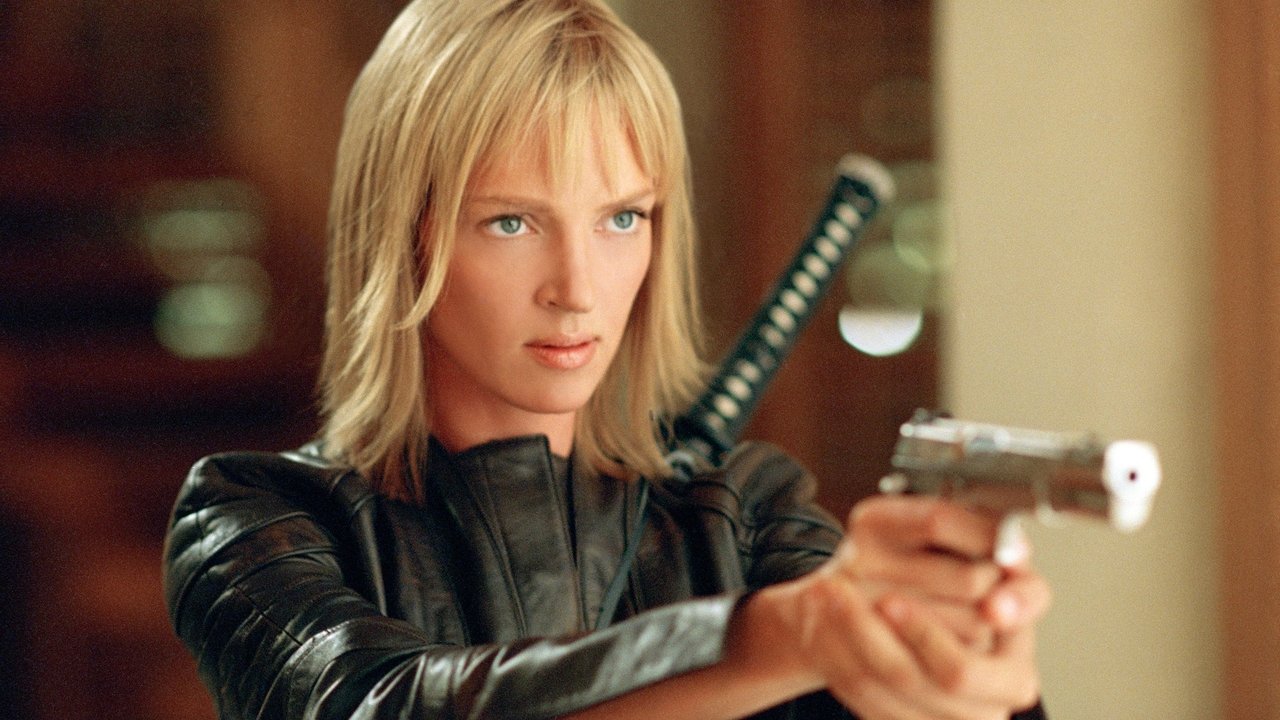
Interestingly, the film’s score was a bargain-bin masterpiece. Tarantino’s buddy Robert Rodriguez reportedly scored the film for a grand total of $1. In exchange, Tarantino directed a short segment of Rodriguez’s Sin City for the same price. It’s that kind of indie-brat collaboration that defined the era—a sense that these guys were just playing in a very expensive sandbox.
I also love the weird, circular casting of Michael Parks. He shows up early in the first film as a Texas Ranger, then reappears here as Esteban Vihaio, the pimp who gives Beatrix her final lead. It’s a jarring, "wait-is-that-the-same-guy?" moment that rewards the kind of obsessive viewing the DVD culture of the early 2000s encouraged. We weren't just watching movies; we were studying them for these exact kinds of flourishes.
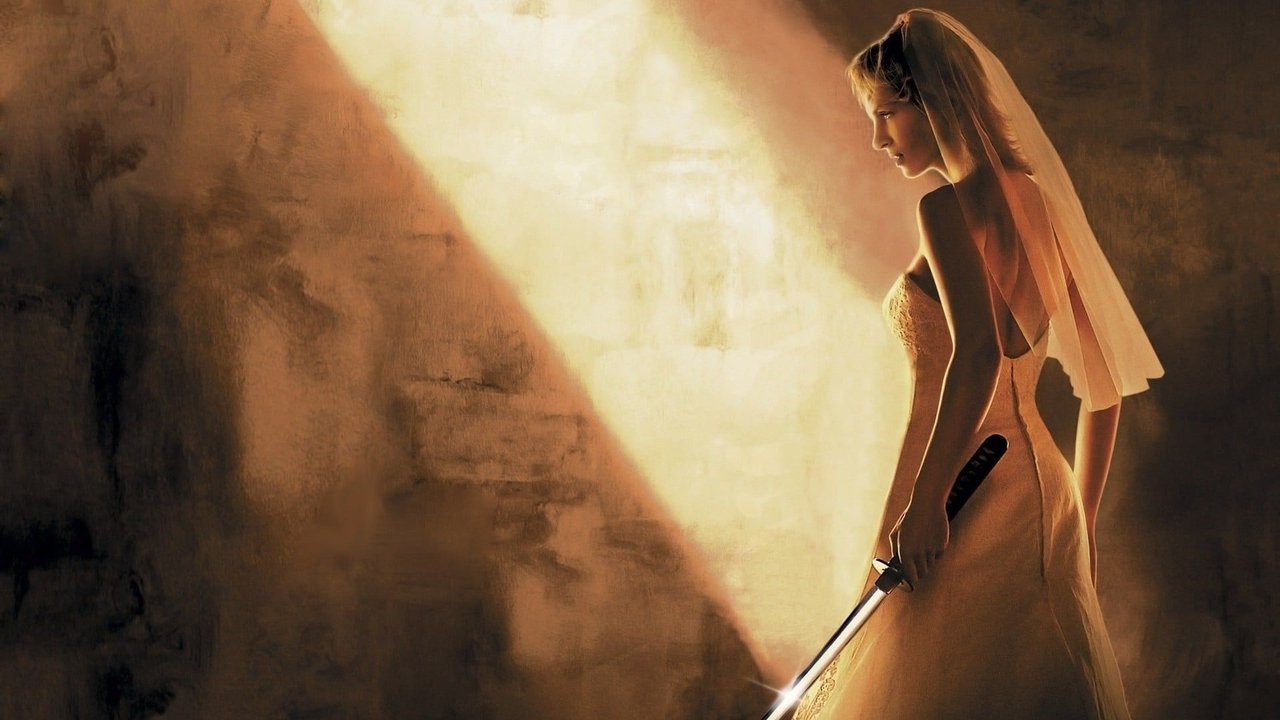
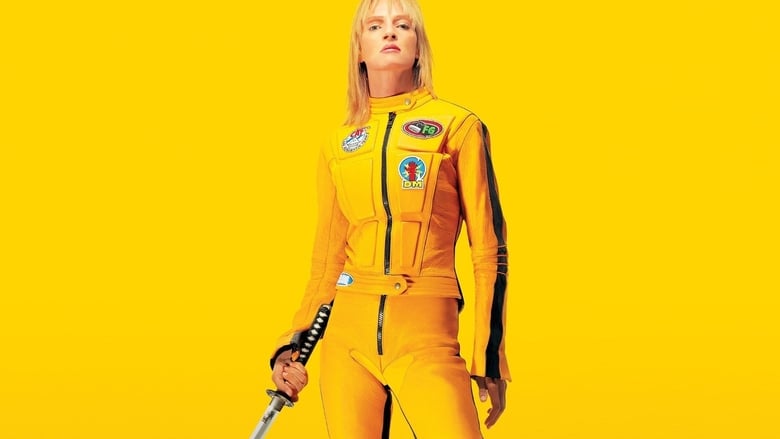
The film handles its darkness with a heavy hand, refusing to give Beatrix an easy out. Her "roaring rampage of revenge" ends not with a bang, but with a quiet, tearful realization in a hotel bathroom. It’s an intense, somber conclusion to a story that started with a bright yellow tracksuit and a severed arm. It reminds me that even the most stylized violence has a bill that eventually needs to be paid.
Tarantino hasn't quite hit this specific emotional chord since. While his later films got bigger and more historical, Kill Bill: Vol. 2 remains his most effective character study. It’s a film about motherhood, betrayal, and the realization that your heroes—and your villains—are just people who are remarkably good at hurting you. It’s essential viewing for anyone who likes their action with a side of existential dread.
Keep Exploring...
-
Kill Bill: Vol. 1
2003
-

Kill Bill: The Whole Bloody Affair
2011
-
Reservoir Dogs
1992
-

Jackie Brown
1997
-

Pulp Fiction
1994
-
The Fast and the Furious
2001
-
From Dusk Till Dawn
1996
-
Inglourious Basterds
2009
-
The Boondock Saints
1999
-
Sin City
2005
-
Undisputed II: Last Man Standing
2006
-
United 93
2006
-
Fast Five
2011
-

The Equalizer
2014
-
Infernal Affairs
2002
-
The Protector
2005
-
Felon
2008
-
Mesrine: Killer Instinct
2008
-
Mesrine: Public Enemy #1
2008
-
The Dark Knight
2008