King Arthur
"Forget the magic. Face the mud."

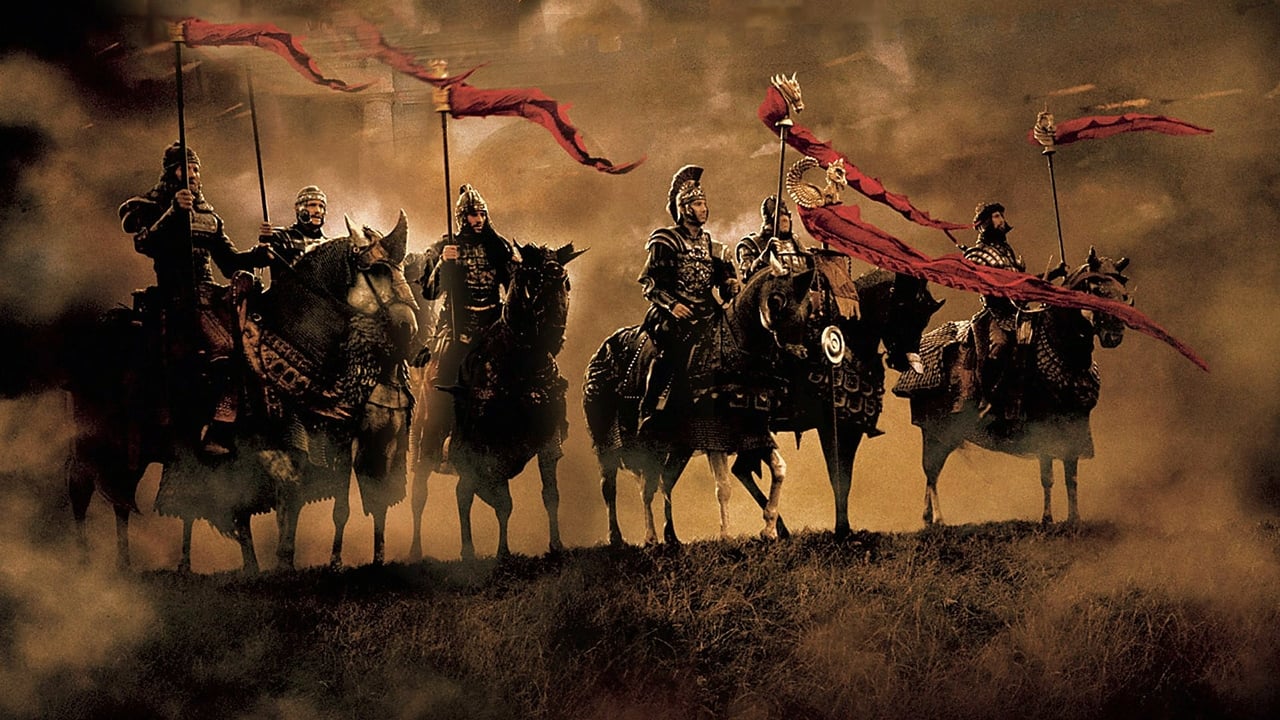
Before every superhero had a "gritty" origin story and every fairy tale was "reimagined" with a desaturated color palette, we had the 2004 attempt to strip the magic out of Camelot. King Arthur arrived in that strange post-Gladiator vacuum where Hollywood was desperate for swords-and-sandals epics but terrified of anything that looked too much like a Dungeons & Dragons manual. Gone were the Lady in the Lake, the glowing swords, and the wizard hats. In their place, we got Roman bureaucracy, heavy cavalry, and enough blue-tinted fog to hide a small mountain range.
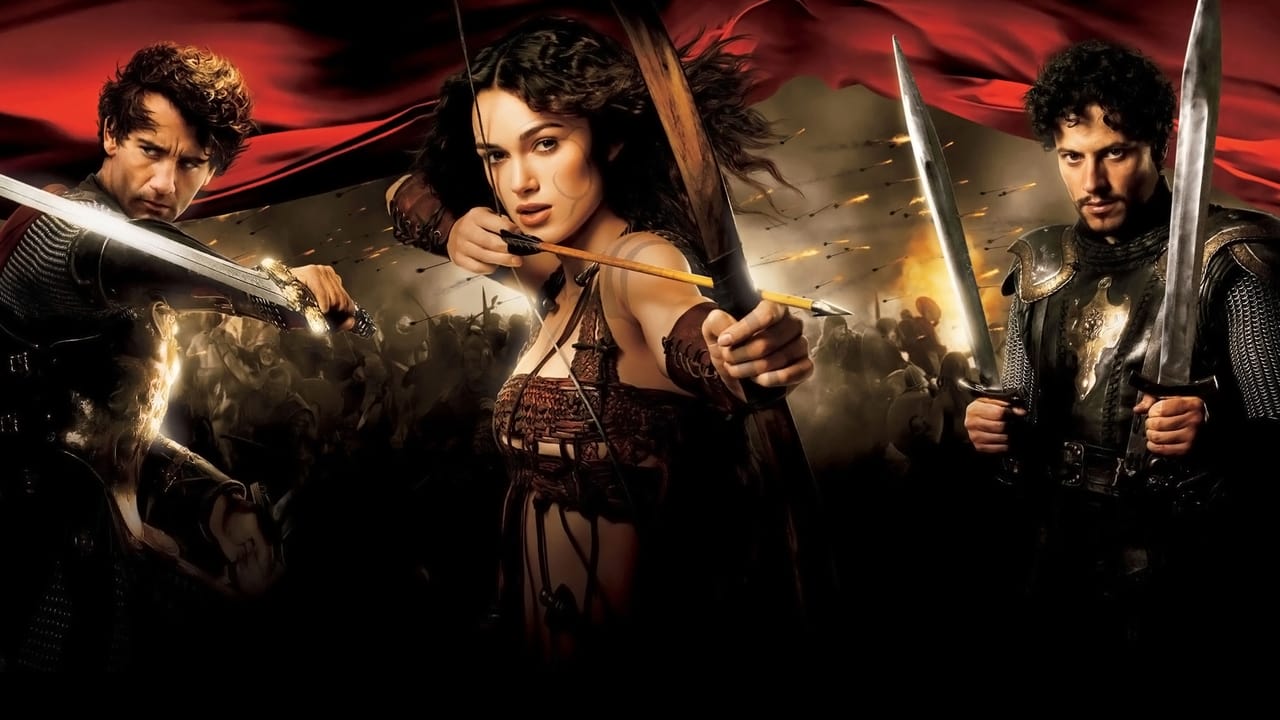
I watched this most recently on a Tuesday night while my neighbor was loudly practicing the tuba, and honestly, the brassy drone from next door actually synced up surprisingly well with Hans Zimmer’s booming, Gregorian-chant-heavy score. It’s a movie that feels like it’s constantly trying to blow the roof off the building, even when people are just sitting around talking about Roman taxes.
The "Sarmatian" Spin and Gritty Realism
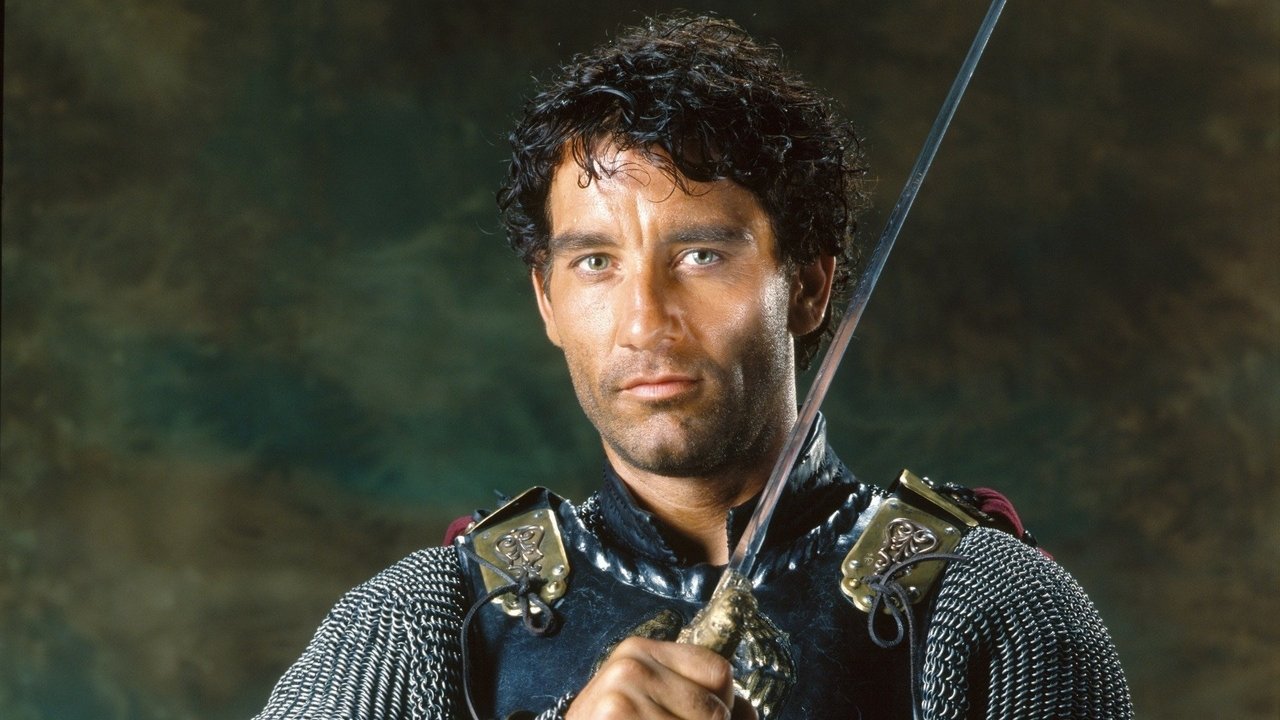
The hook here is the "Sarmatian hypothesis." The film posits that Arthur (Clive Owen) wasn’t a medieval king in shining armor, but Lucius Artorius Castus, a Roman commander leading a group of weary Sarmatian knights who are essentially indentured servants to the Empire. Their final mission—a suicide trek north of Hadrian’s Wall to rescue a Roman family—is pure 2000s action logic. It’s The Dirty Dozen with broadswords.
Clive Owen plays Arthur with a permanent scowl of moral exhaustion. He’s the quintessential 2000s hero: a man of faith struggling with a corrupt institution (Rome) while trying to do right by his men. While he’s a bit stiff, the "Knights of the Round Table" are where the movie actually finds its pulse. Looking back, this cast is an absolute goldmine of "before they were huge" talent. You’ve got a pre-Hannibal Mads Mikkelsen as Tristan, looking cool as hell with a hawk and a scimitar; Joel Edgerton as a hot-headed Gawain; and Hugh Dancy as a soulful Galahad. They have a lived-in, bickering chemistry that Antoine Fuqua captures far better than the actual plot.
Action on Thin Ice
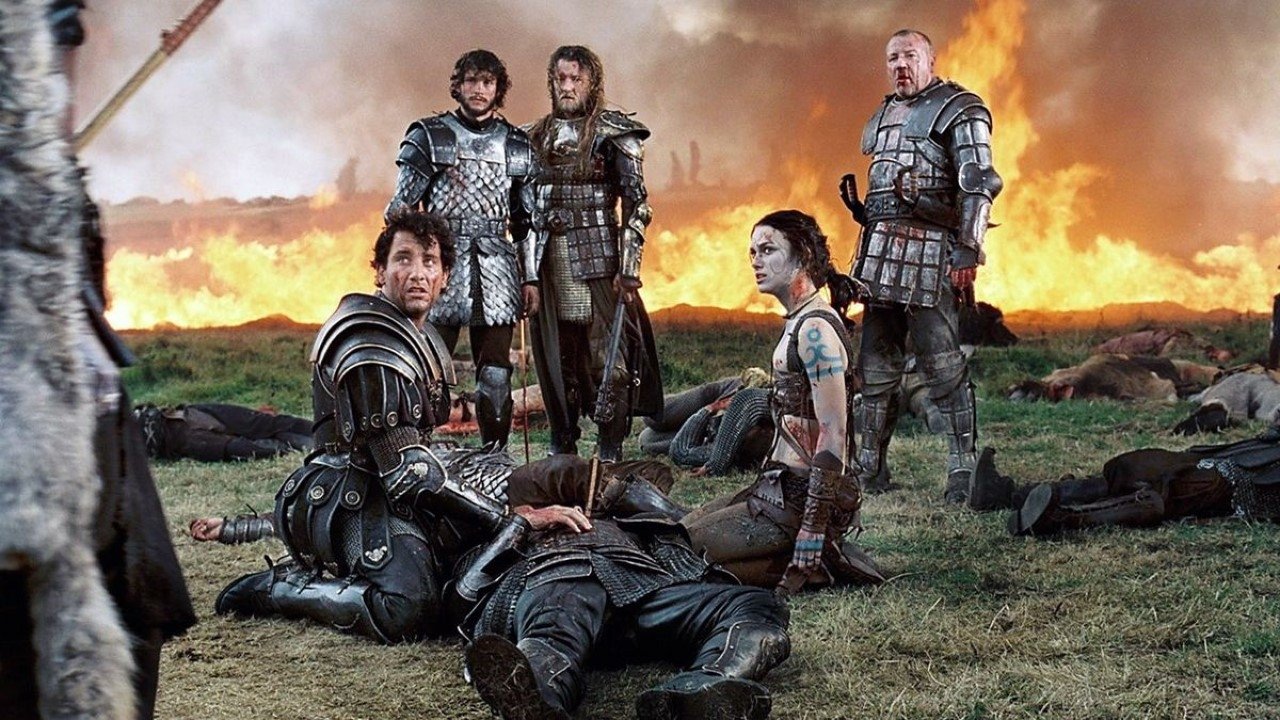
Speaking of Antoine Fuqua, the man knows how to shoot a skirmish. While the film was famously butchered in the editing room to secure a PG-13 rating (the Director’s Cut is the only version actually worth your time), the action choreography remains distinct. It’s heavy. When a horse hits a shield, you feel the weight.
The centerpiece is the battle on the frozen lake. It’s a sequence that earns its place in the action hall of fame. The way Slawomir Idziak (who also shot Black Hawk Down) uses the white expanse of the ice against the dark furs of the knights is visually arresting. The tension isn't just about the incoming arrows; it’s about the physics of the ice itself. Watching the knights use their weight to strategically collapse the battlefield is a clever bit of tactical filmmaking that stands out in an era of CGI-heavy, gravity-defying combat. It’s one of the few times "historical realism" actually results in a cool stunt instead of just more brown dirt.
Why It Became a Cult Curiosity
King Arthur didn't exactly set the world on fire in 2004. Critics found it joyless, and audiences were perhaps expecting more Merlin-shaped fireworks. However, it’s gained a sturdy cult following over the last two decades, primarily because it’s a "vibe" movie. It captures that specific Jerry Bruckheimer era of filmmaking where everything felt "big," even if the script was a bit thin.
Cool Details You Might Have Missed:
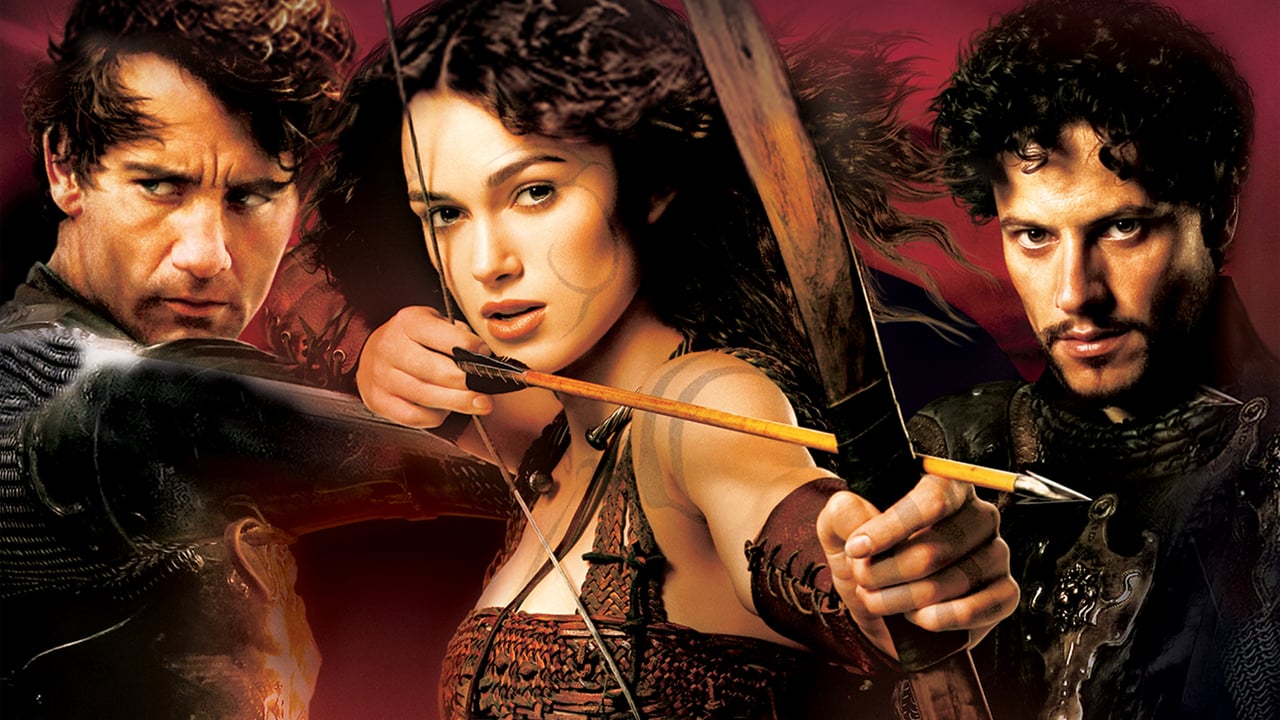
The production built a replica of Hadrian's Wall that was nearly a kilometer long. It was the largest film set ever built in Ireland at the time, and you can see every cent of that budget on screen. Keira Knightley's Guinevere was famously "enhanced" on the theatrical posters via Photoshop, a move she later criticized. In the film, she’s a feral Woad warrior, which was a massive departure from the "damsel" trope. Mads Mikkelsen had never ridden a horse before being cast. He spent the "boot camp" period becoming a literal expert, which explains why Tristan looks so effortless in the saddle. The film’s "villains," the Saxons, are played by Stellan Skarsgård and Til Schweiger with such whispering, menacing intensity that they feel like they wandered in from a much darker horror movie. * Hans Zimmer's score was so popular it ended up being used in trailers for dozens of other movies for the next five years.
The film definitely suffers from the "King Arthur" name. If this had been called The Last Legion of the North, it probably would have been hailed as a solid, gritty war flick. By attaching it to the Arthurian legend, it invited a level of scrutiny it couldn't quite survive. The Saxons move at a glacial pace that makes you wonder if they’re stopping for tea every three miles, and the transition from "Roman soldiers" to "Kings of Britain" feels a bit rushed in the final act.
Ultimately, King Arthur is a fascinating relic of the early 2000s. It’s a movie caught between two worlds: the practical, mud-and-blood filmmaking of the 90s and the burgeoning CGI-spectacle era. It’s not the definitive version of the legend, but as a "men on a mission" war movie with a world-class cast of character actors, it’s a surprisingly sturdy watch. If you can track down the Director's Cut, grab a drink, ignore the tuba next door, and enjoy the sight of Mads Mikkelsen being the coolest man in the fifth century.
Keep Exploring...
-

Alexander
2004
-
Tears of the Sun
2003
-
Kingdom of Heaven
2005
-
The Messenger: The Story of Joan of Arc
1999
-
Red Cliff
2008
-
The Patriot
2000
-
Shooter
2007
-
Green Zone
2010
-
The Monuments Men
2014
-
Pompeii
2014
-
Defiance
2008
-

The Perfect Storm
2000
-
A Knight's Tale
2001
-
The Scorpion King
2002
-
We Were Soldiers
2002
-
Troy
2004
-

King Kong
2005
-
Poseidon
2006
-
10,000 BC
2008
-
Exodus: Gods and Kings
2014