Kung Fu Hustle
"Unleash the beast within the bowl cut."
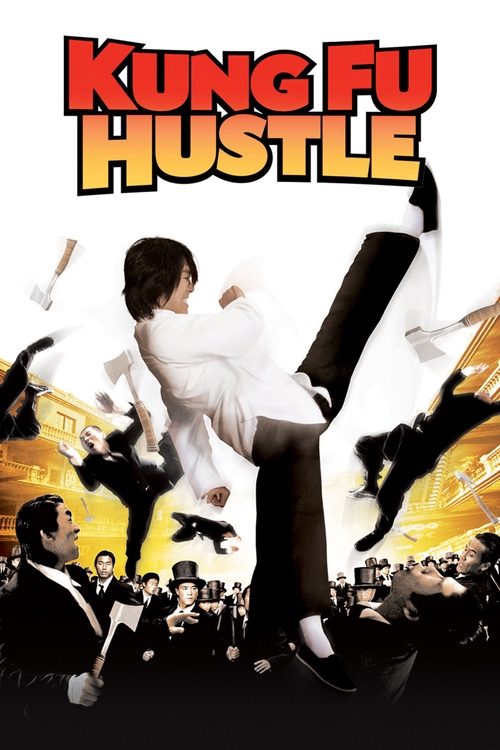
In 2004, the global action scene was still nursing a heavy "wire-fu" hangover. Between the leather-clad philosophy of The Matrix and the floating elegance of Crouching Tiger, Hidden Dragon, martial arts cinema had become a very serious, very dignified affair. Then came Stephen Chow with a pack of cigarettes, a pair of worn-out flip-flops, and a Buddhist Palm technique that literally flattened the competition. I watched this again on a Tuesday while eating a bowl of lukewarm cereal, and the crunching of the flakes timed perfectly with the shattering of a certain window in the first act. It remains, nearly twenty years later, a deliriously joyful piece of filmmaking that refuses to be put in a box.
The Looney Tunes Logic of Kung Fu
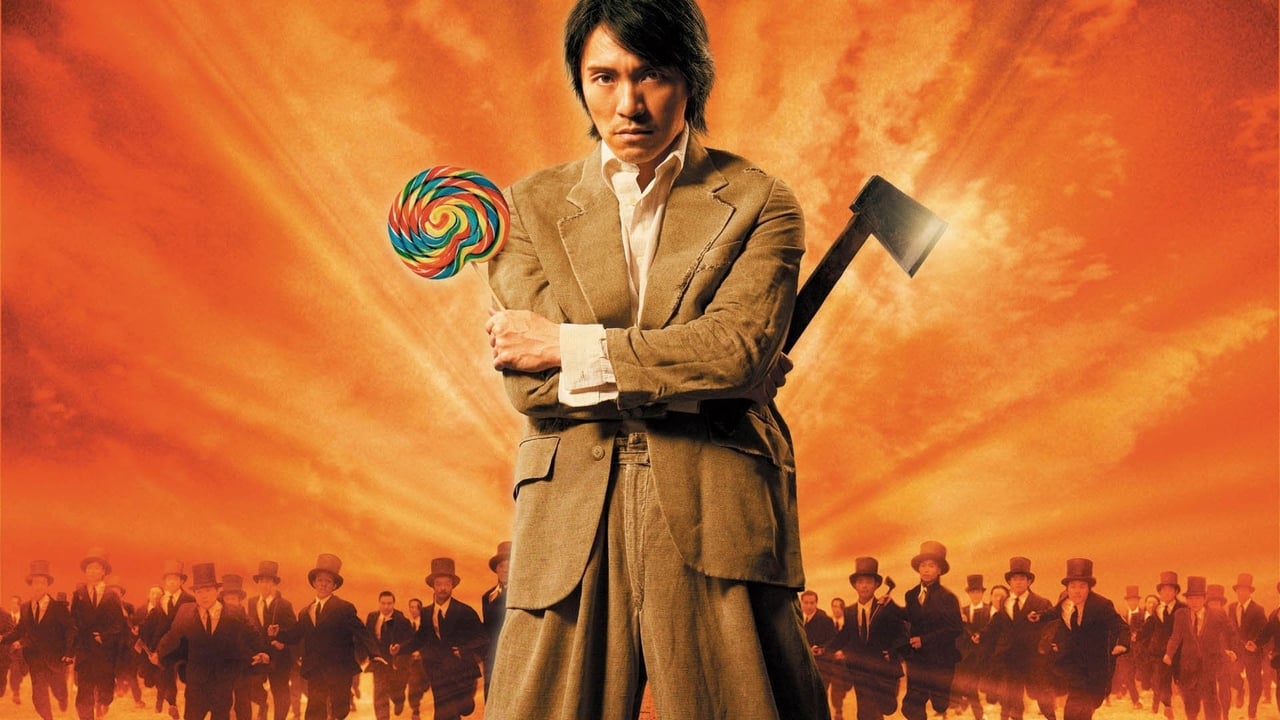
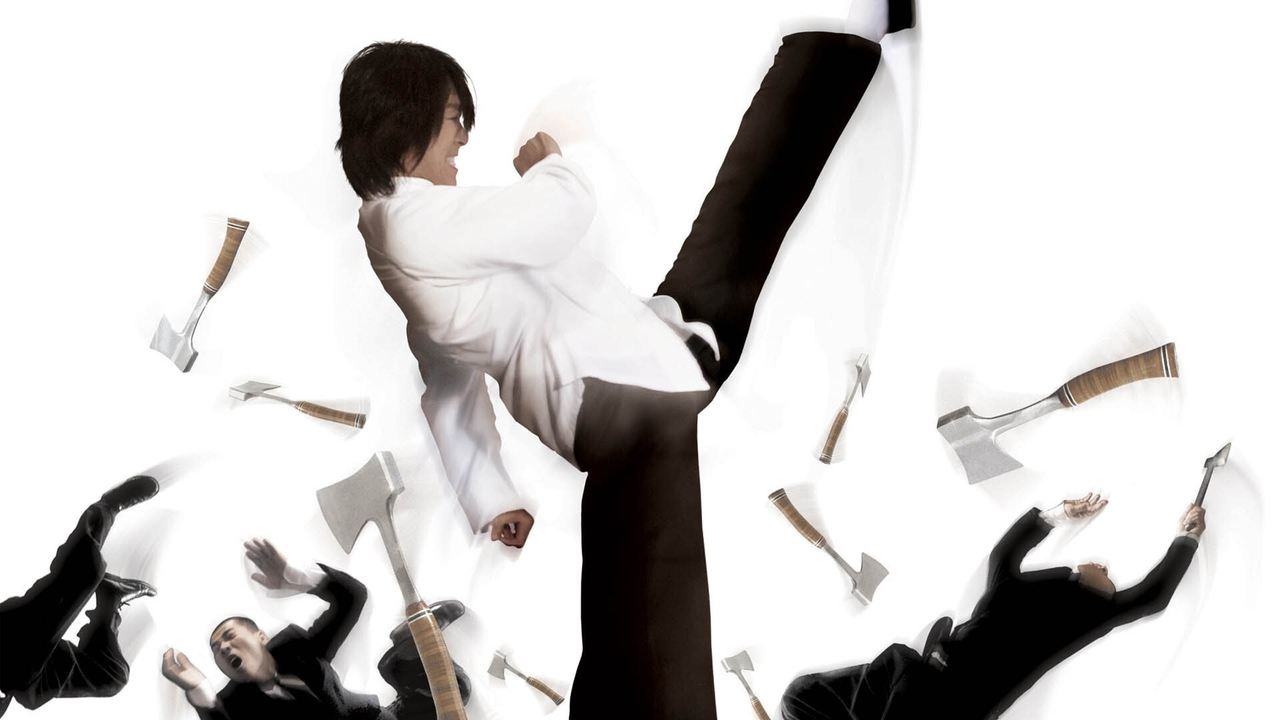
The film drops us into a stylized 1940s Shanghai where the Axe Gang—a group of dapper, hatchet-wielding psychos—rule the streets. They have a choreographed dance number that is, in my professional opinion, the greatest piece of villainous branding in cinema history. Enter Sing (Stephen Chow), a wannabe gangster who is far too incompetent to actually be dangerous. When he tries to shake down the residents of Pig Sty Alley, he accidentally triggers a war between the Axe Gang and a group of slum-dwellers who happen to be retired kung fu deities.
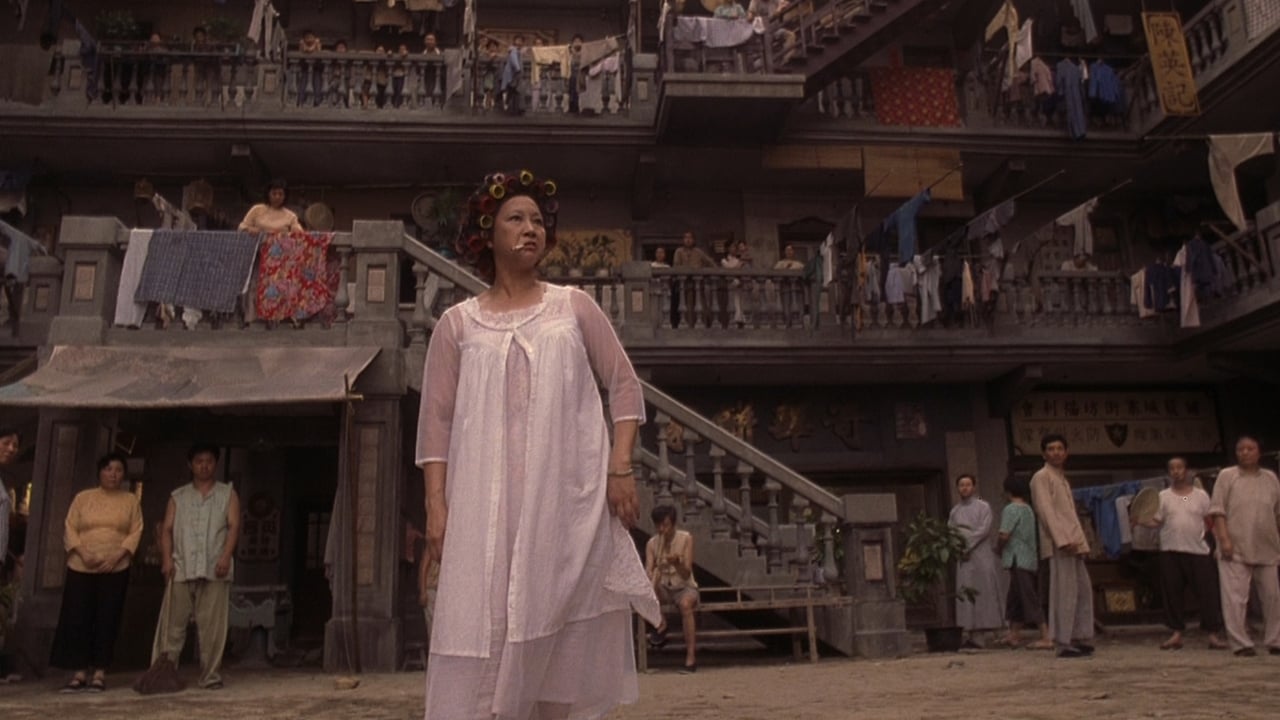
What makes the action in Kung Fu Hustle so distinct is the marriage of traditional choreography and unapologetic digital absurdity. We were right in that "Modern Cinema" sweet spot where CGI had finally caught up to the imagination of a man raised on 1970s Shaw Brothers classics. Stephen Chow (who also directed Shaolin Soccer) doesn't use digital effects to make the action look "real"; he uses them to make it look like a live-action cartoon. When the Landlady (Yuen Qiu) chases Sing down a highway, her legs turn into a literal blur of circles. It’s pure Wile E. Coyote, yet the physical impact of the fights feels heavy and dangerous.
A Cast of Hidden Legends
The genius of the casting lies in its reverence for cinema history. Yuen Qiu had been retired from the industry for eighteen years before Stephen Chow talked her into playing the Landlady. With her perpetual cigarette and hair rollers, she’s an iconic subversion of the "hidden master" trope. Her husband, the Landlord, is played by Yuen Wah, a man who was once a stunt double for Bruce Lee in Fist of Fury.
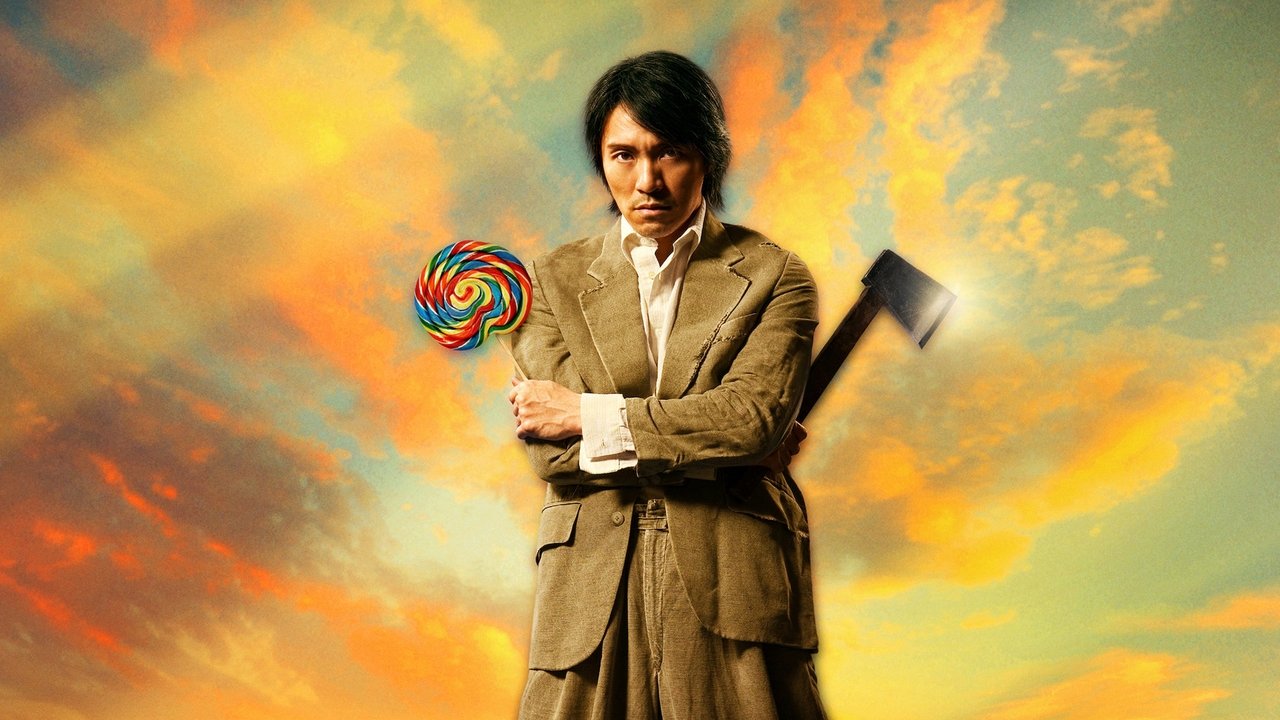
Seeing these veterans go toe-to-toe with Bruce Leung Siu-Lung (playing the top-tier assassin The Beast) was a massive "if you know, you know" moment for martial arts fans. Stephen Chow isn't just making a comedy; he's building a retirement home for legends and giving them one last chance to wreck the scenery. Even the sidekick, played by Lam Tze-Chung, provides a grounding, earthy humor that keeps the movie from drifting too far into the stratosphere. My take? Stephen Chow’s hair in the final act is the only thing more ridiculous than his Buddhist Palm.
The score by Raymond Wong Ying-Wah is another unsung hero. It uses traditional Chinese instruments to create a frantic, percussive energy that mirrors the editing. The sequence involving the two zither-playing assassins is a peak example of how sound and visuals can create a brand-new language for action. Every plucked string sends a translucent blade through the air, turning a musical performance into a lethal shootout.
The Commercial Power of the "Silly"
Looking back at its 2004 release, Kung Fu Hustle was a genuine blockbuster anomaly. It cost about $20 million to make and raked in over $100 million globally. This was back when the DVD market was king, and I remember the "Special Features" disc being a staple of my college dormitory. The behind-the-scenes footage revealed the frantic production transition when the legendary Sammo Hung (Enter the Dragon) left his role as action choreographer, leading to Yuen Woo-ping (the man behind the fights in The Matrix) stepping in to finish the job. You can actually feel the shift in the fight styles as the movie progresses, moving from gritty, grounded brawls to the soaring, mystical heights of the finale.
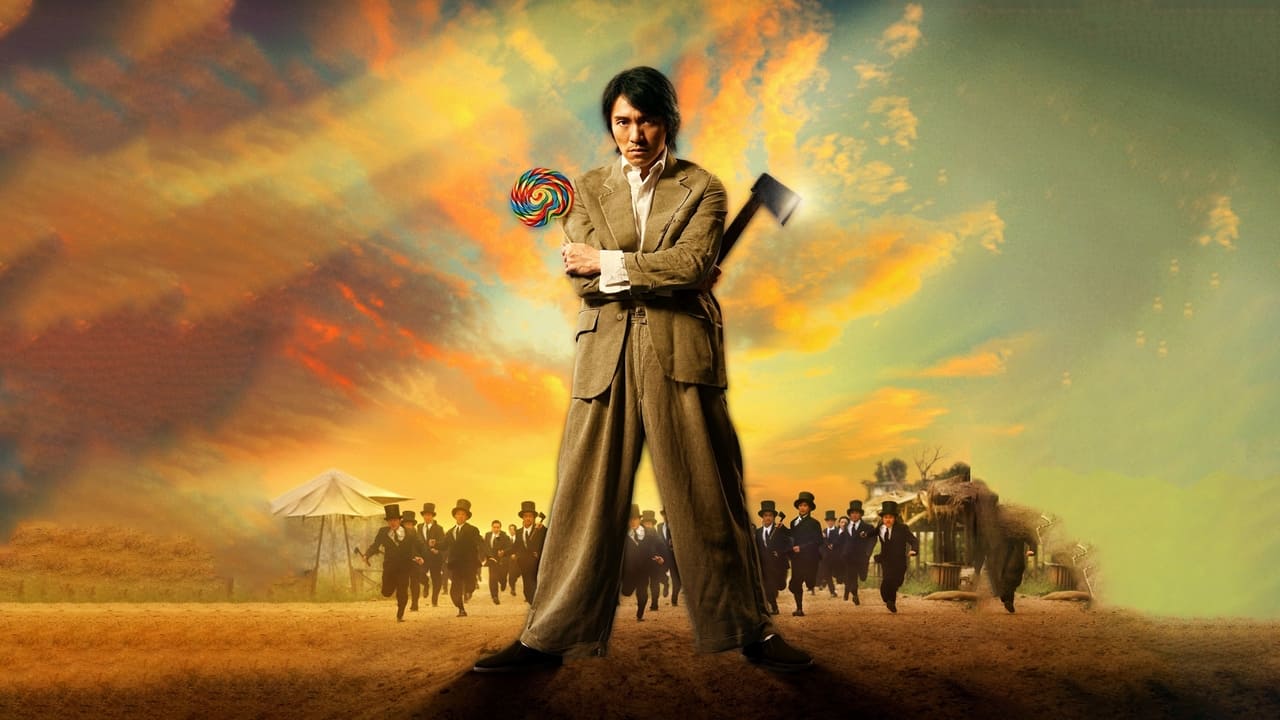
The film arrived just before the "gritty reboot" era took over Hollywood. It’s a movie that isn't afraid to be sincere one moment and completely stupid the next. The sub-plot involving Fong (Eva Huang Shengyi) and a piece of candy provides a surprisingly sweet emotional core, even if it’s surrounded by people being kicked through buildings. It captured a specific cultural moment where Hong Kong cinema was finally getting its flowers on a massive, global scale without having to water down its local flavor.
Kung Fu Hustle is a rare beast: a high-budget spectacle that feels like it was made by a kid playing with action figures in a backyard. It’s loud, it’s colorful, and it has a heart of gold hidden under a layer of slapstick. Whether you’re a lifelong fan of the genre or someone who just wants to see a man get punched into the clouds, it’s a mandatory watch. It’s the kind of movie that makes you want to practice your palm strikes on a brick wall immediately after the credits roll—though I’d highly recommend against it for the sake of your knuckles.
Keep Exploring...
-
Shaolin Soccer
2001
-

Pineapple Express
2008
-
Rush Hour 2
2001
-

Night at the Museum
2006
-
Lethal Weapon 3
1992
-
The Mask
1994
-
Bad Boys
1995
-
Rush Hour
1998
-

21 Jump Street
2012
-
The Heat
2013
-
OSS 117: Cairo, Nest of Spies
2006
-
Smokin' Aces
2006
-
Hot Fuzz
2007
-
Shoot 'Em Up
2007
-
OSS 117: Lost in Rio
2009
-

RED
2010
-

Puss in Boots
2011
-
22 Jump Street
2014
-
How to Train Your Dragon 2
2014
-
Rumble in the Bronx
1995