Man on Fire
"Forgiveness is between them and God."
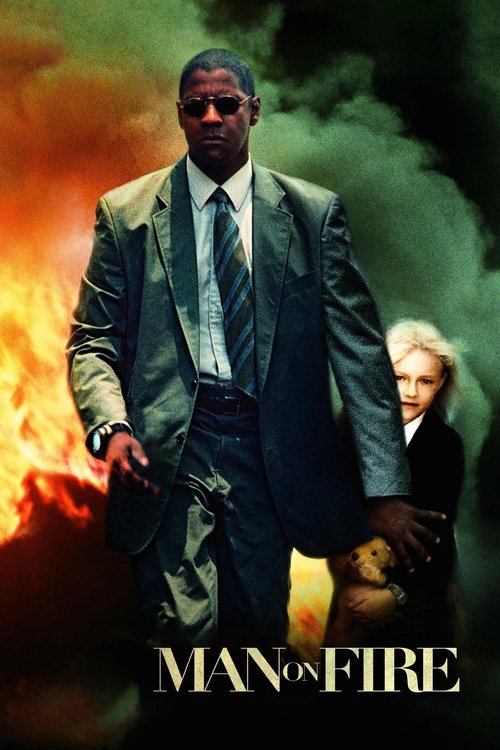
There is a specific kind of sensory overload I only get from watching a Tony Scott film from the mid-2000s, and I mean that as the highest possible compliment. It’s a feeling of being grabbed by the lapels and shaken until your teeth rattle. When Man on Fire arrived in 2004, critics were notoriously grumpy about it. They called the editing "hyperactive" and the violence "excessive." But looking back from an era of clean, digital, Marvel-grade polish, Scott’s jagged masterpiece feels like a vital, sweat-soaked fever dream that Hollywood simply doesn't have the guts to make anymore.
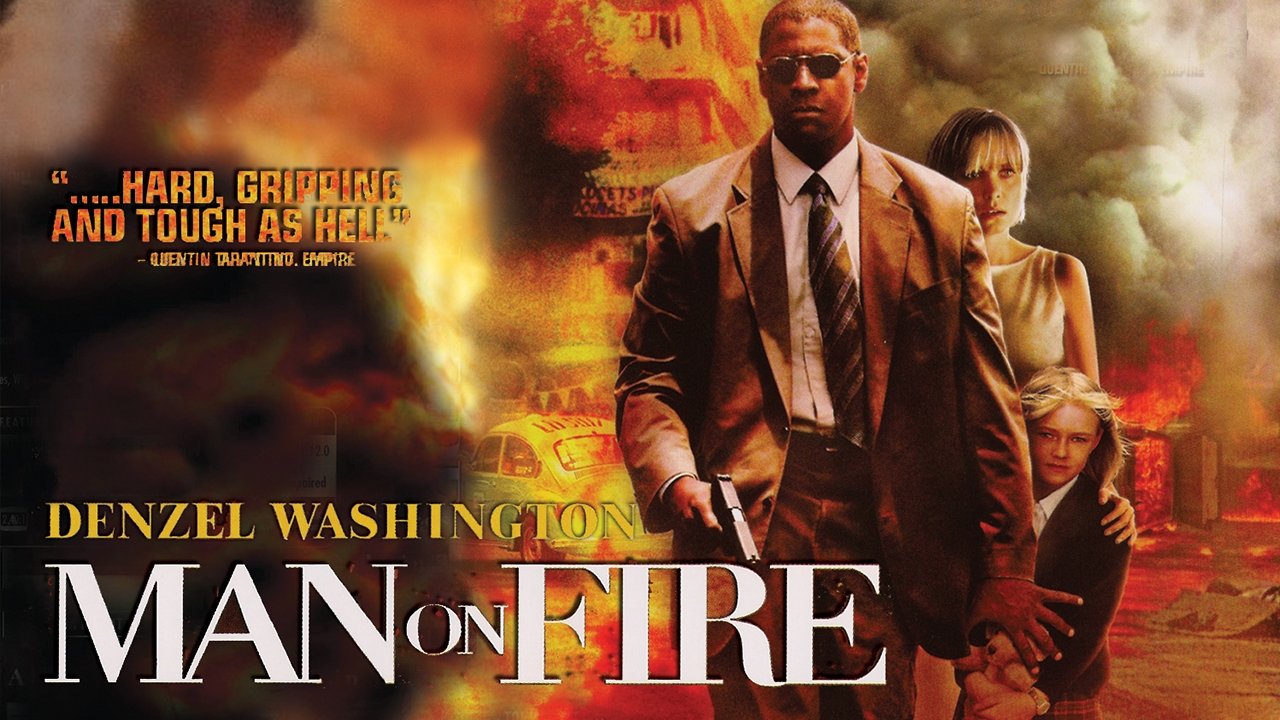
I recently rewatched this on a humid Tuesday night while struggling with a faulty ceiling fan that clicked rhythmically in the background. Somehow, that erratic click-clack paired perfectly with the film’s jittery, hand-cranked energy. This isn't just an action movie; it’s a high-art revenge tragedy disguised as a blockbuster.
The MTV Aesthetic as High Art
By 2004, the transition from analog to digital was in full swing, but Tony Scott was busy pushing physical film stock to its absolute breaking point. To get that signature look—the blown-out highlights, the streaking colors, the double-exposed ghosts—he used a technique called cross-processing, which involves developing film in the "wrong" chemicals. The result is a Mexico City that feels like a pressurized oven.
It’s easy to forget how experimental this was for a $70 million studio film. Scott and cinematographer Paul Cameron weren't just using "shaky cam"; they were using multiple cameras at different frame rates, hand-cranking the film to create a stuttering, heartbeat-like rhythm. Tony Scott’s editing style is the cinematic equivalent of a panic attack in a neon-lit nightclub, and while it was polarizing then, it has aged into a beautiful, singular language. It captures the internal chaos of John Creasy better than any monologue ever could.
A Bond Forged in Tequila and Swimming Pools
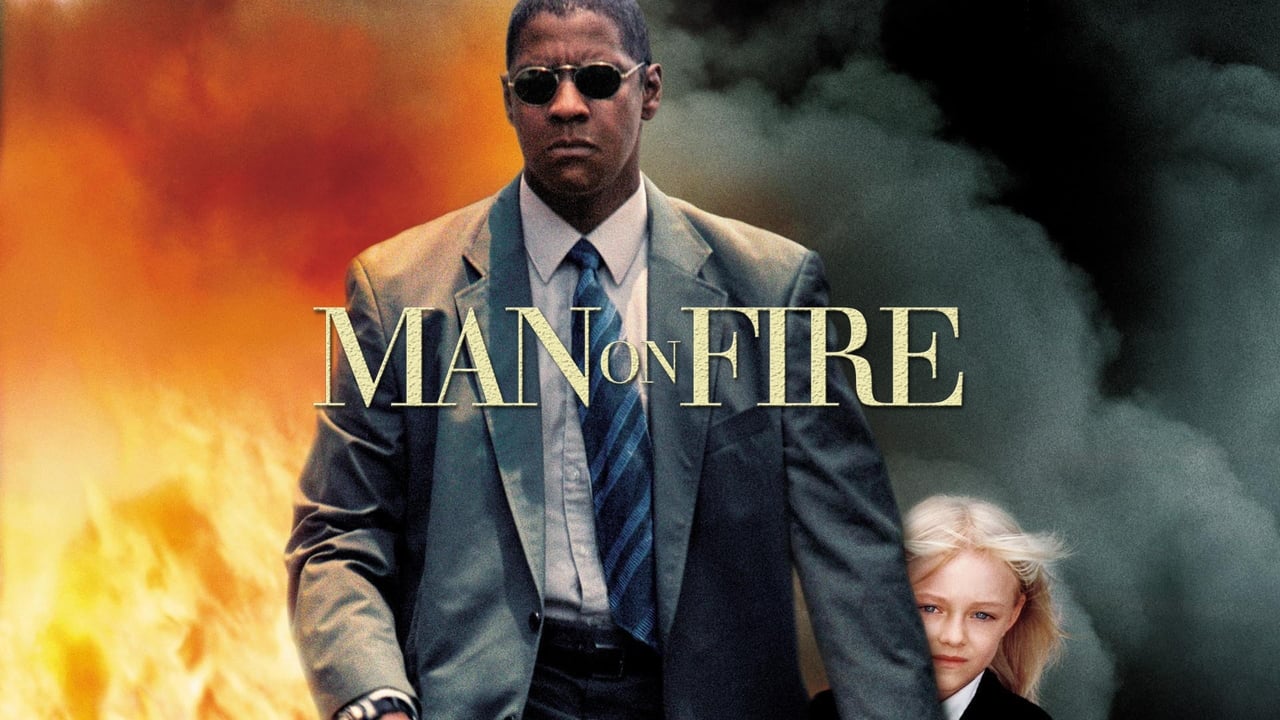
Of course, all the stylistic flair in the world wouldn't matter if we didn't care about the man behind the gun. Denzel Washington delivers what I consider to be one of his most soulful performances as John Creasy. He starts the film as a ghost—a burnt-out CIA operative who spends his days drinking Jack Daniel's and staring at a Bible he doesn't believe in.
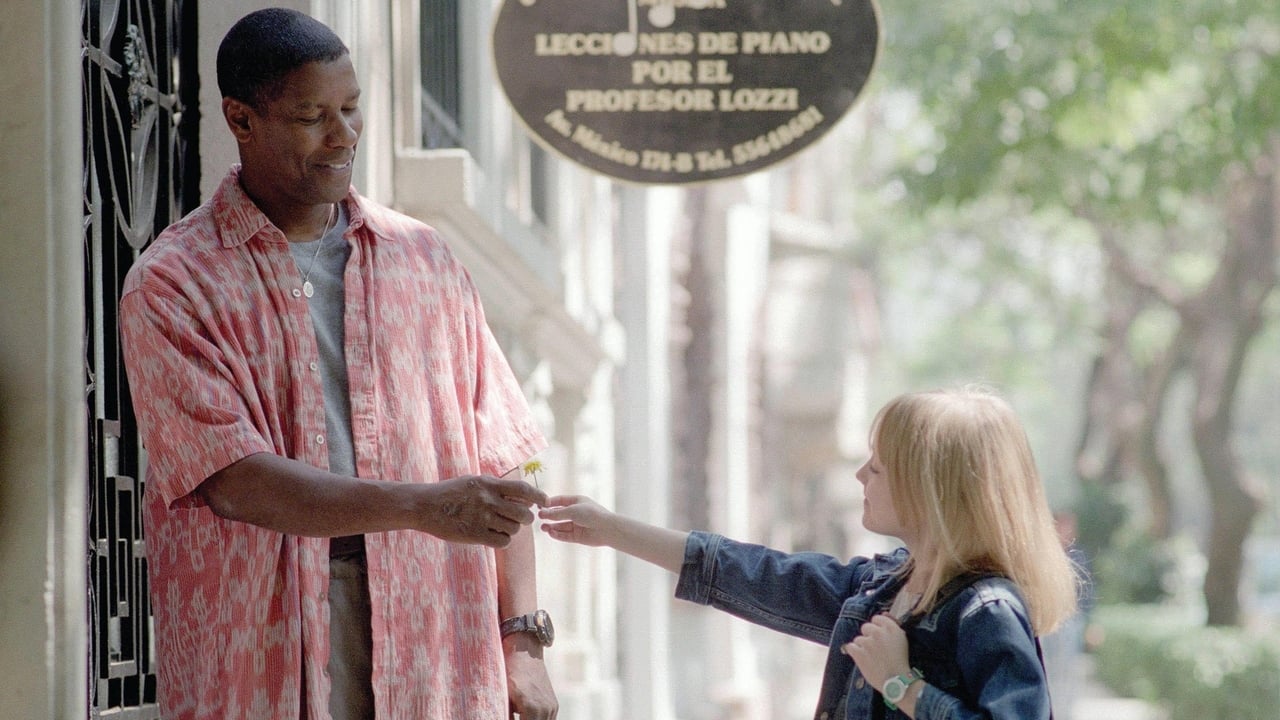
Then comes Dakota Fanning. It is genuinely startling to see how good she was at nine years old. As Lupita "Pita" Ramos, she doesn't play a "movie kid"; she plays a lonely, observant soul who sees right through Creasy’s armor. Their chemistry is the heartbeat of the film. When they’re together, the camera slows down. The colors soften. It’s the only time the movie breathes.
Apparently, Denzel Washington and Dakota Fanning spent nearly all their off-camera time together on set, which explains why their bond feels so effortless. When the inevitable kidnapping happens, the shift in tone is jarringly effective. The first hour is a character study; the second hour is a descent into a very specific kind of hell.
The Art of the Kill
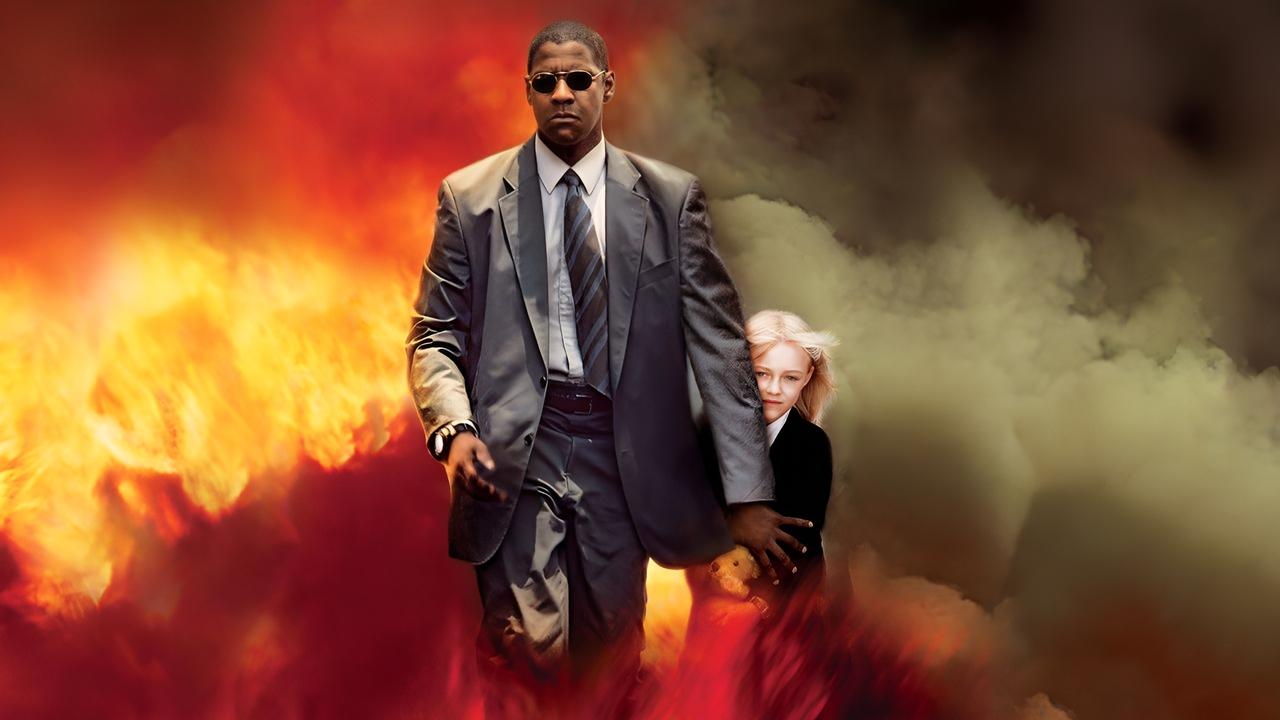
When Creasy finally goes on his rampage, the film taps into that raw, post-9/11 anxiety where the "rules" no longer seem to apply. This is a dark, mean movie. It doesn't offer the sanitized, bloodless violence of a PG-13 superhero flick. When Creasy tells Christopher Walken’s Paul Rayburn that he’s going to "kill everyone who was involved," he isn't making a hero’s promise; he’s stating a grim professional fact.
The action sequences are staged with a focus on impact rather than choreography. We see the influence of the burgeoning "gritty" movement that would eventually lead to John Wick, but Man on Fire feels more personal. The infamous "butt bomb" scene (which used a real, carefully rigged practical explosive) remains one of the most creatively ruthless moments in action history. The subtitles in this movie have more personality than the entire supporting cast of most modern thrillers, literally jumping across the screen to emphasize Creasy's growing fury.
Interestingly, the film was originally slated to be directed by Michael Bay, but Scott—who had actually been attached to the project back in the 1980s—finally got his shot. While the script by Brian Helgeland takes liberties with the source novel (moving the setting from Italy to Mexico City), the change adds a layer of humid, claustrophobic tension that makes the corruption feel systemic and inescapable.
Man on Fire is a relic of a time when a major studio would hand a massive budget to a director and let him make something genuinely abrasive. It’s a film about a man finding a reason to live, only to realize that his only gift is a talent for death. While the supporting turns from Marc Anthony and Radha Mitchell provide solid grounding, this is Denzel’s show through and through. It’s loud, it’s heartbreaking, and it’s painted in the most beautiful shades of grime you’ll ever see.

Keep Exploring...
-
Crimson Tide
1995
-

Enemy of the State
1998
-
The Taking of Pelham 1 2 3
2009
-
Déjà Vu
2006
-
Unstoppable
2010
-
Munich
2005
-
Blood Diamond
2006
-
Shooter
2007
-
Spy Game
2001
-

Domino
2005
-
Children of Men
2006
-

The Negotiator
1998
-
Training Day
2001
-
John Q
2002
-
True Romance
1993
-
The Last Castle
2001
-
The Bourne Identity
2002
-
The Bourne Supremacy
2004
-
The Bourne Ultimatum
2007
-
Payback
1999