Million Dollar Baby
"Winning is easy. Living is the hard part."
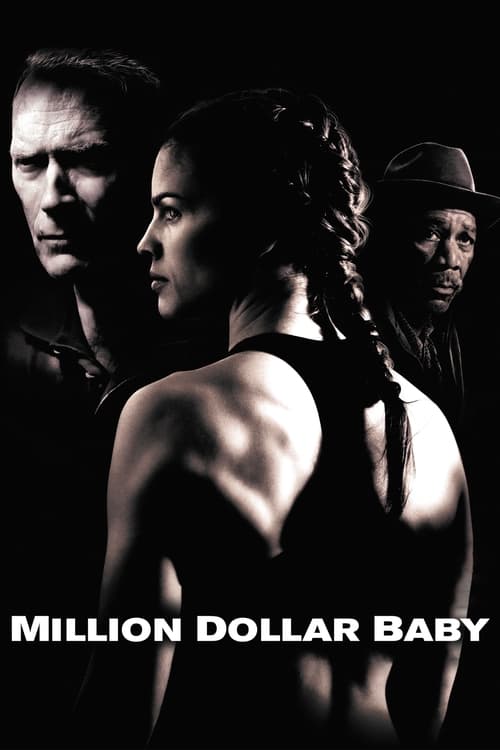
I remember walking into the theater in late 2004 thinking I was about to see the female version of Rocky. The marketing campaign was clever—it sold us a grit-and-glory story about a plucky waitress who wanted to box her way out of poverty. I even brought a large tub of extra-buttery popcorn, expecting a feel-good underdog anthem. By the time the credits rolled, that popcorn was stone cold, and I was sitting in the dark feeling like I’d just gone twelve rounds with a heavyweight. I hadn't seen a sports movie; I’d seen a Greek tragedy disguised as a workout montage.
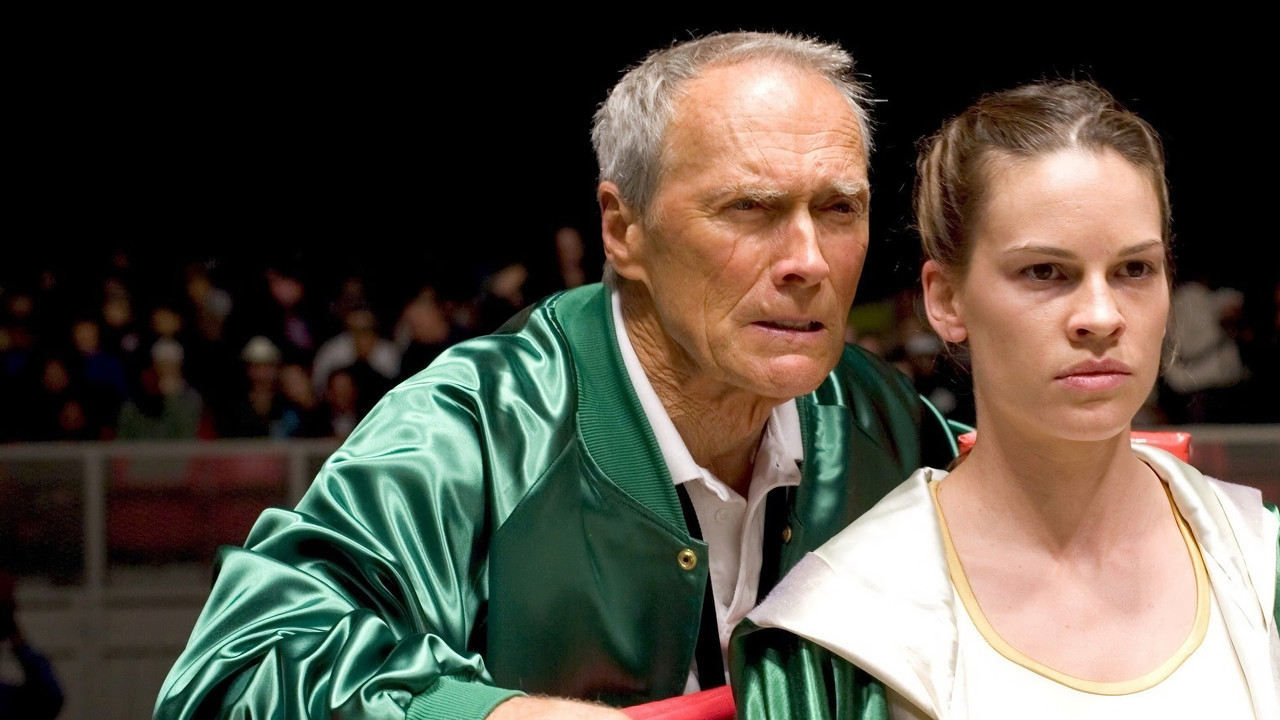
The Ultimate Cinematic Bait-and-Switch
Looking back at the mid-2000s, this was a golden era for what we now call "prestige dramas." Million Dollar Baby arrived right when Clint Eastwood was entering his "venerable master" phase, fresh off the success of Mystic River. He didn't just direct this; he composed the score, produced it, and starred in it. It feels like a film made by someone who doesn't have time for flourishes. There’s no CGI trickery here, no shaky-cam chaos—just steady, patient storytelling that trusts the audience to pay attention.
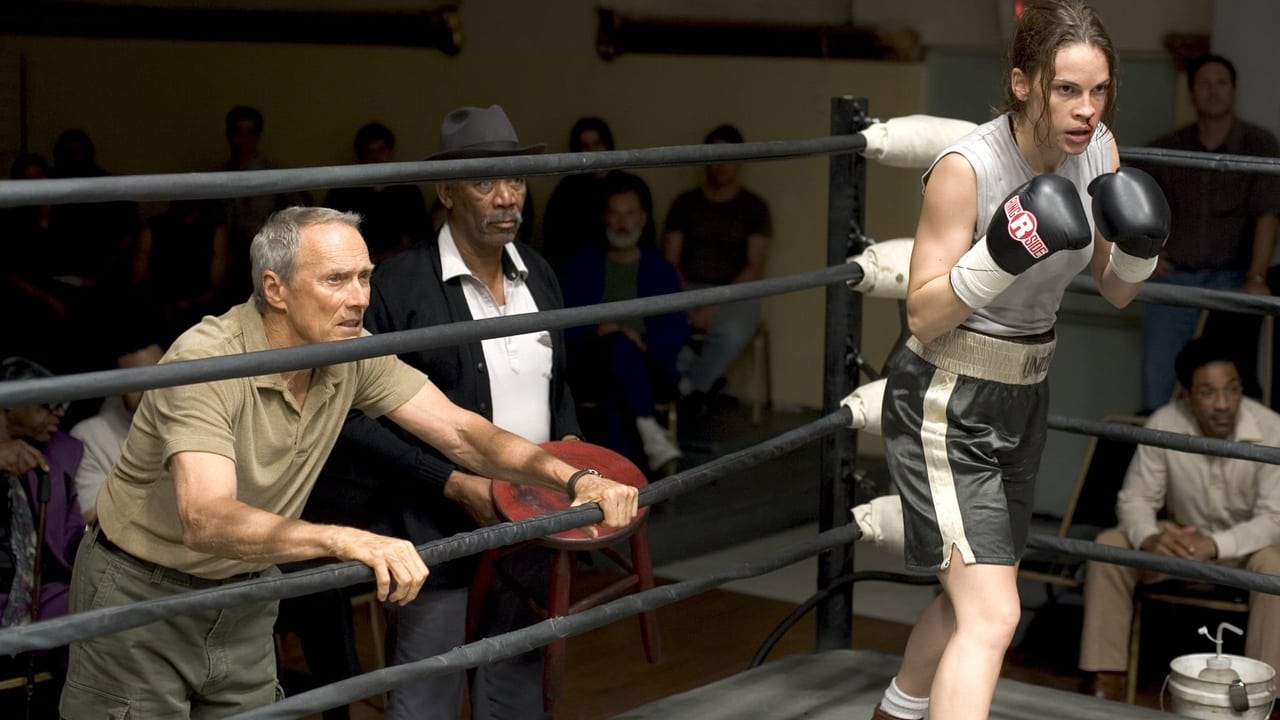
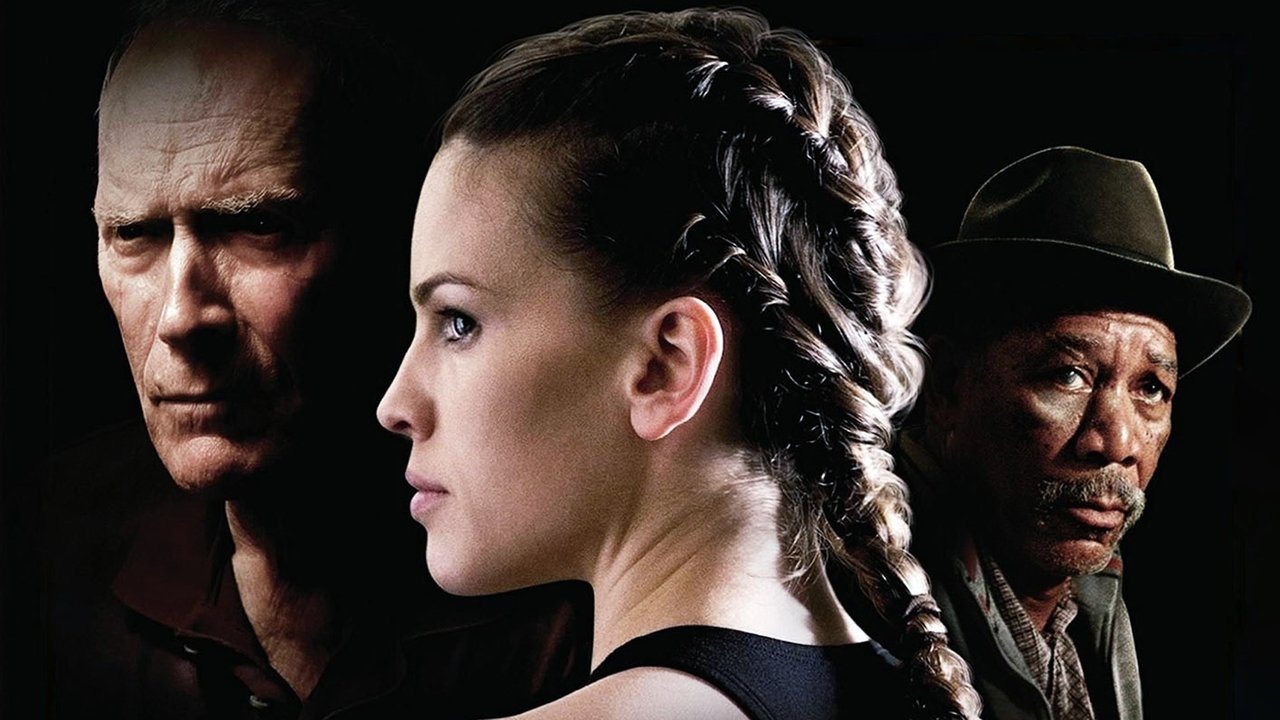
The script, penned by Paul Haggis, is a masterclass in economy. It follows Maggie Fitzgerald (Hilary Swank), a thirty-one-year-old "trash" (her words, not mine) who sees boxing as her only exit strategy from a life of food stamps and waitressing. She hounded Frankie Dunn (Eastwood), a crusty, Bible-reading trainer who’s more interested in protecting his fighters than winning titles. The middleman is Eddie "Scrap-Iron" Dupris, played by Morgan Freeman, who provides the gravelly narration that makes everything feel like an instant legend. Clint Eastwood’s acting style here is essentially "sentient granite," and somehow, it’s exactly what the movie needed.
A Trinity of Hard-Earned Performances
The chemistry between these three is where the movie lives. Hilary Swank won her second Oscar for this, and she earned every ounce of it. Apparently, she put on 19 pounds of muscle for the role, but the physical transformation is secondary to the sheer, desperate light in her eyes. There’s a scene where she tells Frankie about her father and a dog named Axel that still makes my throat tighten. She doesn't play Maggie as a victim; she plays her as a fire that refuses to be put out.
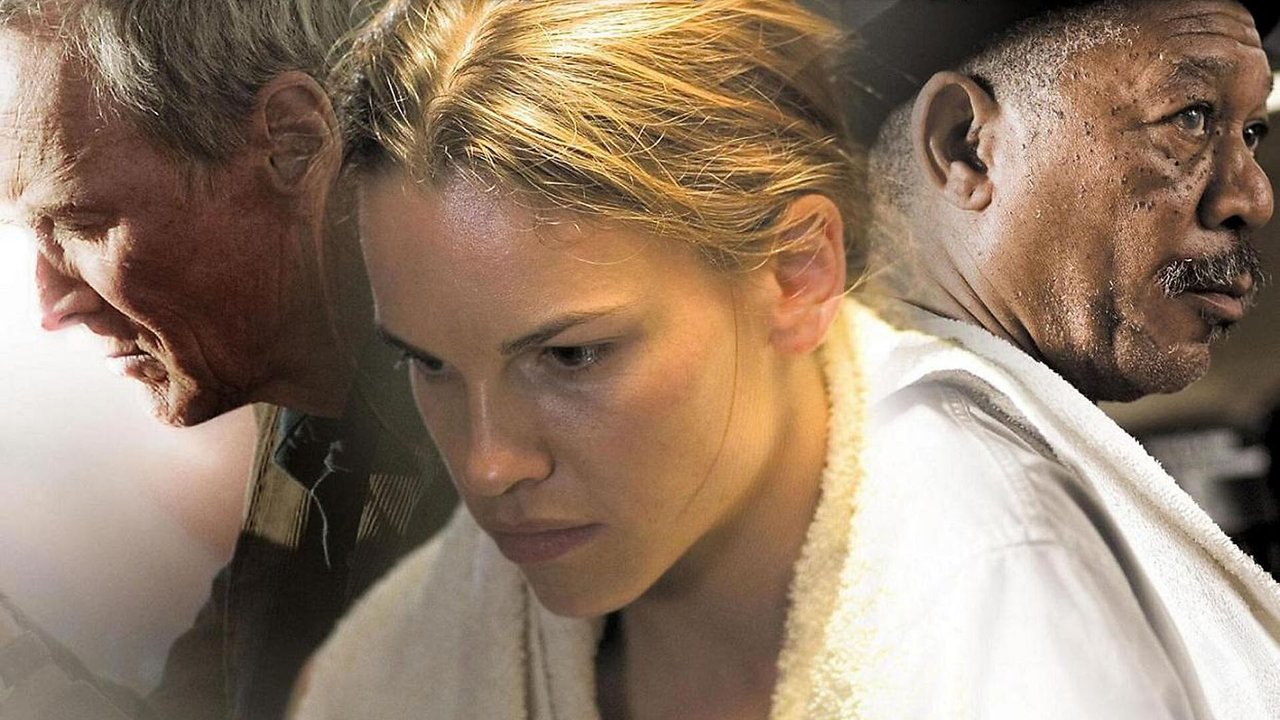
Morgan Freeman, meanwhile, is doing the thing only he can do—making exposition sound like poetry. He won Best Supporting Actor for this, and while some critics at the time complained he was playing another "wise mentor" archetype, his performance is actually incredibly subtle. He’s the bridge between Frankie’s guilt and Maggie’s hope. And then there’s Eastwood himself. He’s playing a man so haunted by his estranged daughter that he’s practically a ghost in his own gym. Watching him slowly let his guard down is like watching a glacier melt—slow, painful, and inevitable.
One of the more interesting behind-the-scenes tidbits is how close this movie came to never existing. Every major studio in Hollywood passed on it, twice. They thought a boxing movie about a woman was a "tough sell." Eastwood eventually scraped together a modest $30 million budget from Lakeshore Entertainment and Malpaso, proving that sometimes the suits in Hollywood couldn't find a hit if it punched them in the jaw.
Shadows, Scars, and the DVD Era
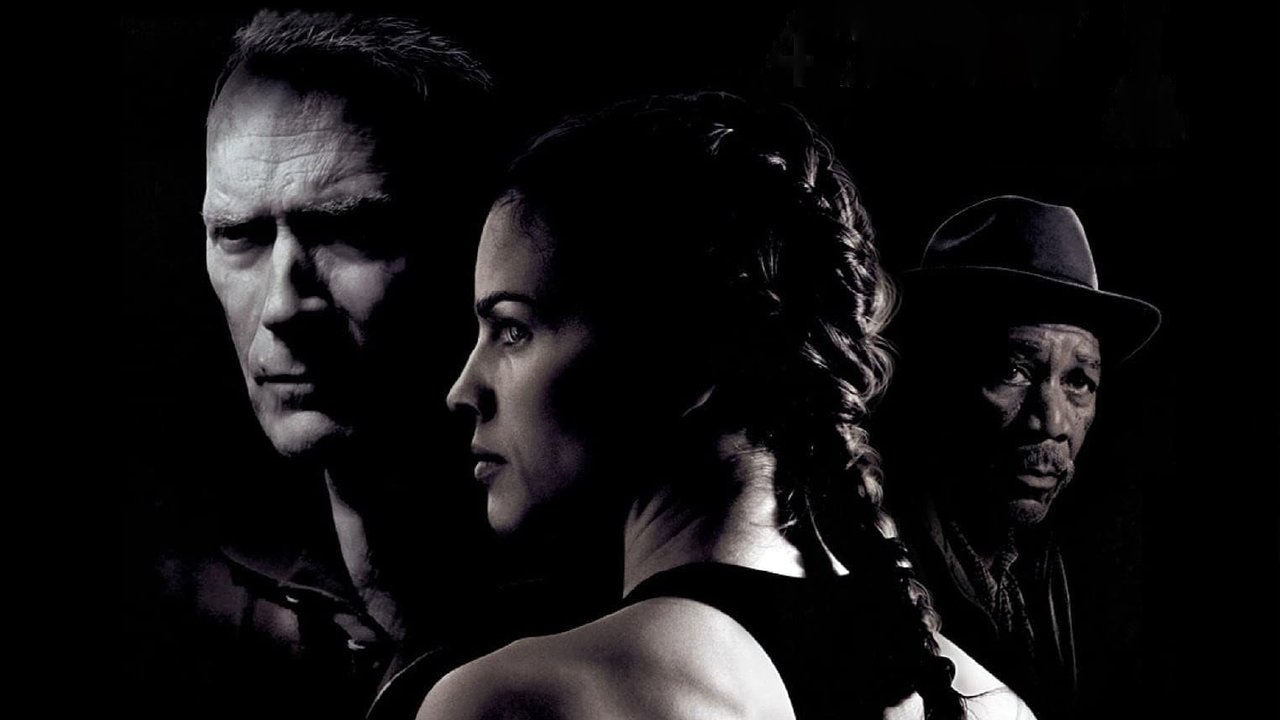
Visually, the film is drenched in shadow. Cinematographer Tom Stern uses a style called "chiaroscuro," where the blacks are deep and the light is harsh. It makes the Hit Pit gym feel like a cathedral of sweat. I remember buying the two-disc Special Edition DVD shortly after its release—back when we actually valued physical media and "making-of" documentaries—and learning that they shot the whole thing in just 37 days. That’s blistering speed for a Best Picture winner, and you can feel that urgency on screen. There’s no "fat" on this movie.
The film's third act is, of course, where it separates itself from every other sports movie ever made. Without spoiling the specifics for the three people left who haven't seen it, the story shifts from the physical ring to a moral one. It tackles themes of dignity, choice, and what we owe the people we love when things go south. It was controversial at the time—sparking heated debates among various groups—but that’s exactly why it holds up. It doesn't give you the easy, "Disney-fied" ending. It respects you too much for that.
I watched this again recently while sitting on a slightly lumpy sofa eating a bag of lukewarm pretzels, and the ending still hit me with the same force it did in 2004. It’s a film that demands you feel something, even if that something is a bit of a bruise on your soul.
Million Dollar Baby is a rare example of a "prestige" film that manages to be both deeply personal and universally accessible. It swept the 77th Academy Awards, taking home Best Picture, Director, Actress, and Supporting Actor, and looking back, it’s hard to argue with any of those wins. It’s a somber, beautiful, and unflinching look at the cost of chasing a dream. If you haven't seen it, grab some tissues and prepare to be floored—just don't expect a celebratory victory lap at the end.
Keep Exploring...
-
Gran Torino
2008
-

Mystic River
2003
-
Letters from Iwo Jima
2006
-
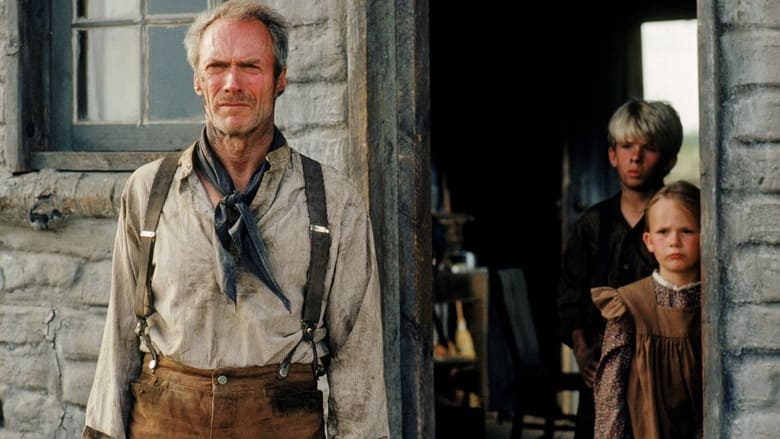
Unforgiven
1992
-

Changeling
2008
-
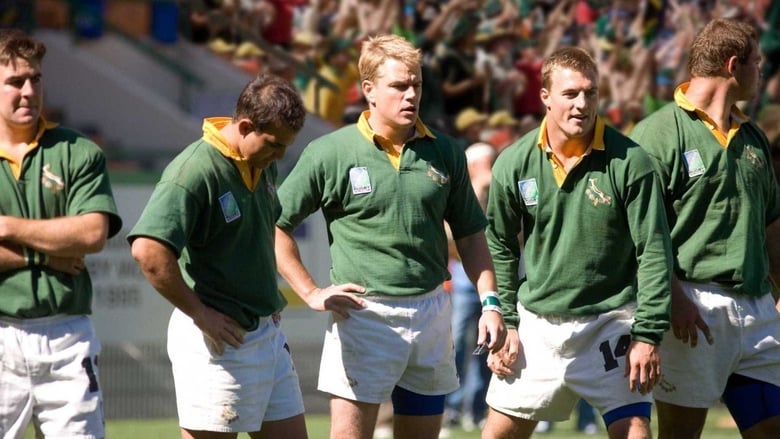
Invictus
2009
-
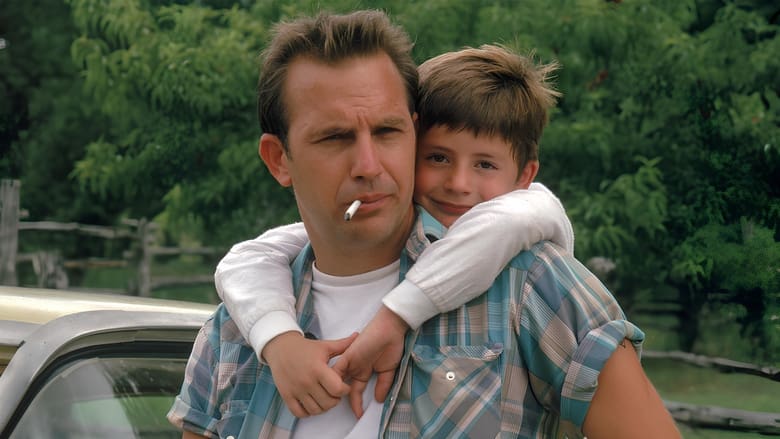
A Perfect World
1993
-
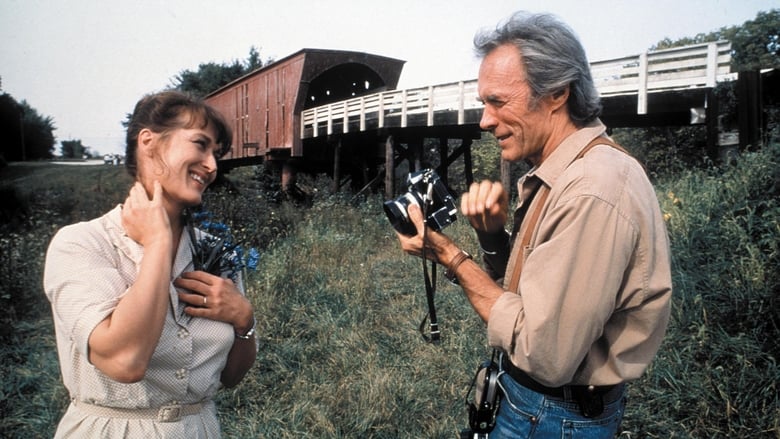
The Bridges of Madison County
1995
-
Flags of Our Fathers
2006
-
Absolute Power
1997
-
High Plains Drifter
1973
-
Pale Rider
1985
-

American Beauty
1999
-
The Sixth Sense
1999
-
Mulholland Drive
2001
-

A Walk to Remember
2002
-
Eternal Sunshine of the Spotless Mind
2004
-
The Notebook
2004
-
The Prestige
2006
-
Into the Wild
2007