Mindhunters
"The hunter becomes the hunted in a deadly psychological game."
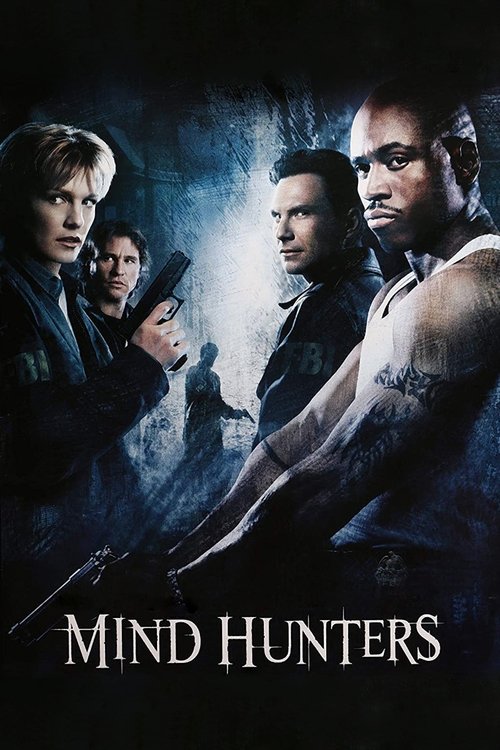
If you wandered into a video rental store in the mid-2000s, you likely saw the DVD cover for Mindhunters staring back at you from the "New Releases" shelf for what felt like eternity. It’s one of those projects that suffered a famously long journey to the screen, sitting on a shelf for nearly two years before Dimension Films finally dumped it into theaters in May 2005. By the time it arrived, it was sandwiched between massive juggernauts like Star Wars: Episode III – Revenge of the Sith, causing it to vanish into the cultural ether faster than a profile on a ghost.
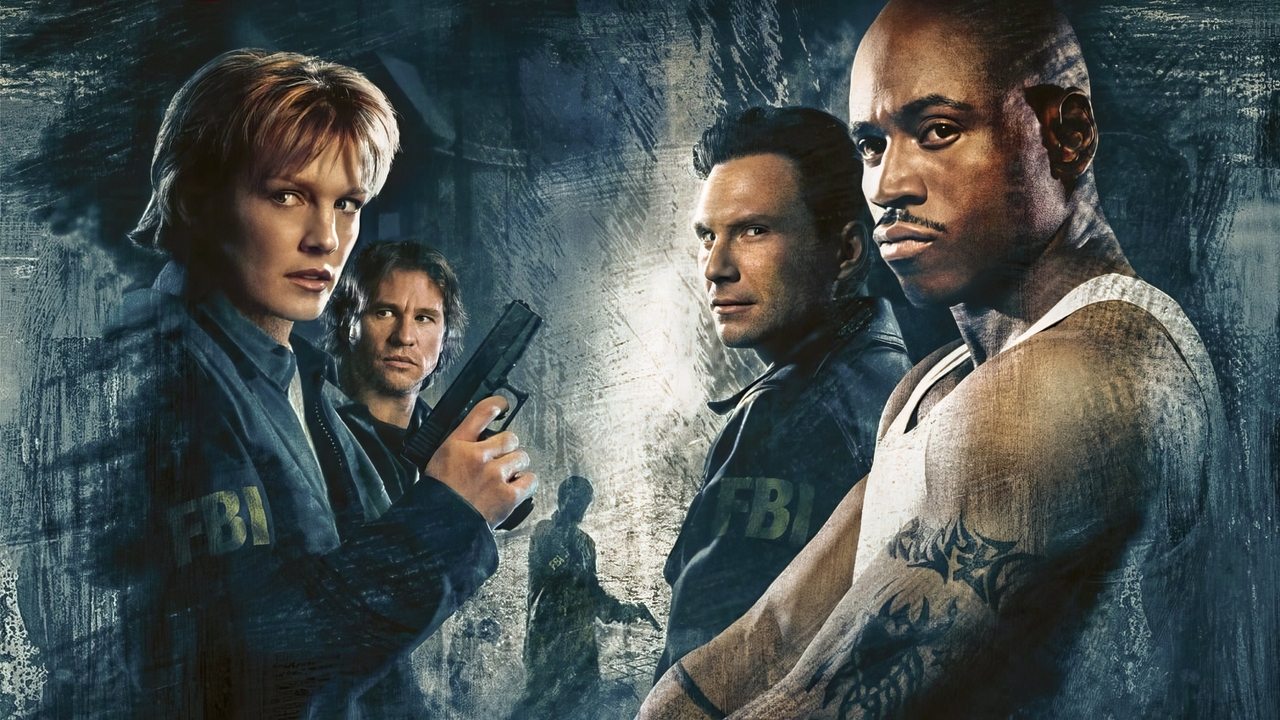
I first caught this one on a late-night cable broadcast while I was trying—and failing—to assemble a very complicated Swedish bookshelf. Every time a character met a creative end, I’d drop a wooden dowel, and honestly, the movie was far more entertaining than the furniture. It’s a classic "trapped on an island" mystery that tries to be And Then There Were None for the CSI generation.
High-Concept Homicide and Rube Goldberg Traps
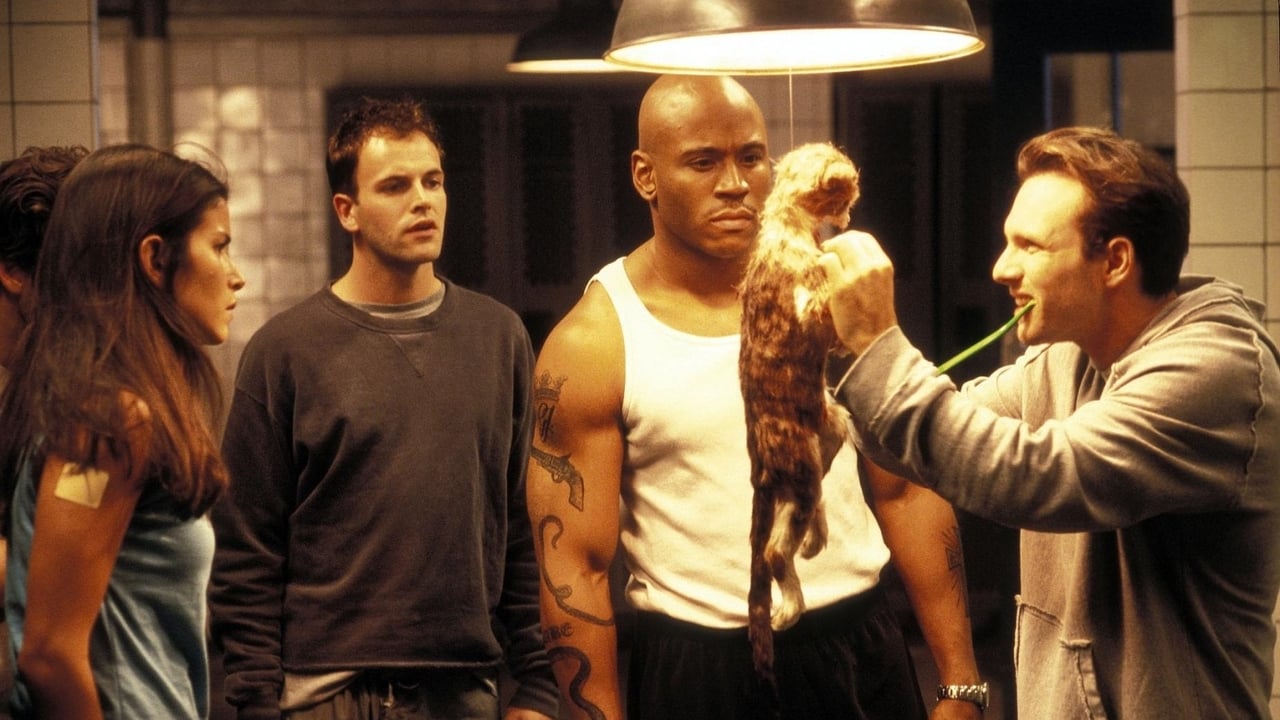
The setup is pure early-aughts high concept. A group of elite FBI psychological profiling trainees are flown to a remote island—a mock-up town used for training exercises—to track a simulated serial killer known as "The Puppeteer." The twist, which you can see coming from a nautical mile away, is that a real killer has infiltrated the group. What makes Mindhunters stand out from your standard slasher is its obsession with clockwork precision. The killer doesn't just stab people; they set up elaborate, timed traps that exploit the specific psychological weaknesses and habits of the profilers.
Director Renny Harlin, the man who gave us the high-altitude thrills of Cliffhanger and the shark-chomping fun of Deep Blue Sea, brings a very specific "maximalist" energy here. This was a transitional era for cinema where practical effects were starting to lose the war to digital, but Harlin still leans into the physical. When a room gets flash-frozen or a character gets caught in a mechanical trap, there’s a tactile, crunchy weight to the destruction. It feels like a movie made by people who really enjoyed building sets just to blow them up. The traps are essentially the Saw franchise’s polished, big-budget cousins, but with a weirdly clinical FBI flavor.
Profiling the Profilers: An Ensemble in Peril
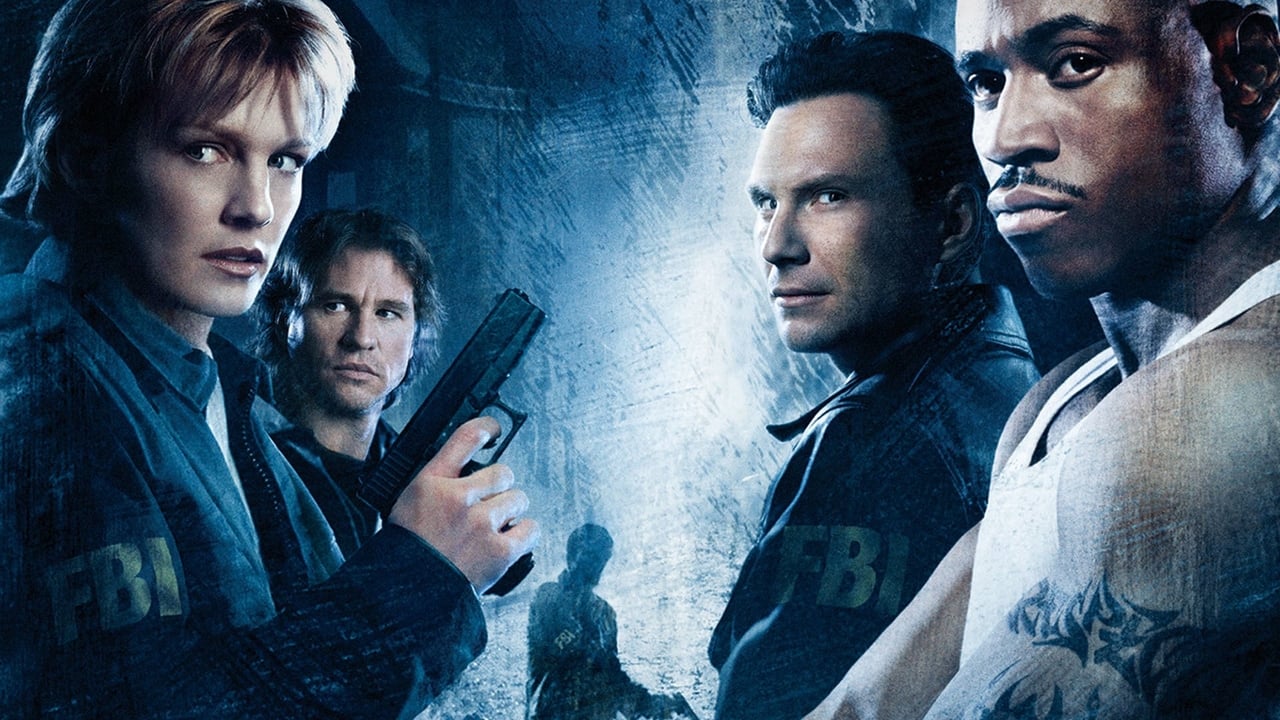
For a film that lives or dies on its characters, the casting is a fascinating time capsule of "almost A-listers." Kathryn Morris, fresh off her success in Cold Case, plays our lead, Sara Moore. She brings a grounded, internal vulnerability to the role that the script doesn't always deserve. She’s the emotional anchor in a movie that is often too busy being clever to be empathetic. Beside her is Jonny Lee Miller as Lucas Harper, long before he stepped into Sherlock Holmes’ shoes for Elementary. He plays the "golden boy" with a twitchy intensity that keeps you guessing about his motives.
Then there’s the curious case of Christian Slater. In 2004, Slater was the veteran presence, the guy whose face on the poster suggested a certain level of B-movie prestige. Without spoiling the timing, let's just say his arc is a bold choice that signals the movie isn't playing by the standard "lead actor survives" rules.
However, the real MVP of the experience is LL Cool J as Gabe Jensen, a DEA observer who tags along on the mission. LL Cool J is the only person on this island who seems to realize he’s in a ridiculous action-thriller, and he plays it with a stone-faced charisma that is genuinely magnetic. His chemistry with the rest of the cast is hit-or-miss, but he brings a much-needed physical presence to the more "thinky" parts of the mystery.
A Relic of the Post-9/11 Anxiety Era

Looking back, Mindhunters captures that specific mid-2000s anxiety where technology and "profiling" were seen as both our greatest shields and our biggest vulnerabilities. The film is obsessed with the idea that our personal habits—how we take our coffee, when we smoke, our phobias—can be weaponized against us. It’s a very cynical, paranoid worldview that resonated in the years following the turn of the millennium.
The screenplay, co-written by Wayne Kramer (who directed the excellent The Cooler), is filled with "expert" dialogue that sounds like it was ripped from a forensic psychology textbook and then put through a Hollywood blender. Is it realistic? Not even slightly. But the sheer audacity of the killer’s elaborate, Rube Goldberg-style death machines makes the lack of realism part of the charm. It’s a movie that demands you turn off the analytical part of your brain—the very part the characters are supposed to be using—to enjoy the ride.
The film's obscurity is partly due to that delayed release, but also because it sits in a tonal no-man's-land. It’s too gory for a standard mystery and too intellectual (or at least, it tries to be) for a standard slasher. Yet, there’s something incredibly watchable about it. It’s a "rainy Sunday afternoon" movie—the kind of discovery that feels like a prize when you find it buried in a streaming library.
Mindhunters is a slick, occasionally silly, but undeniably entertaining relic from a time when thrillers weren't afraid to be over-the-top. While it doesn't quite reach the heights of the Agatha Christie stories it mimics, it offers enough "how did they do that?" moments to keep you hooked until the final reveal. If you’re a fan of 2000s-era genre filmmaking or just want to see LL Cool J outwit a genius serial killer, this is a forgotten island worth visiting. It’s not a masterpiece, but it’s a heck of a lot more fun than assembling furniture.
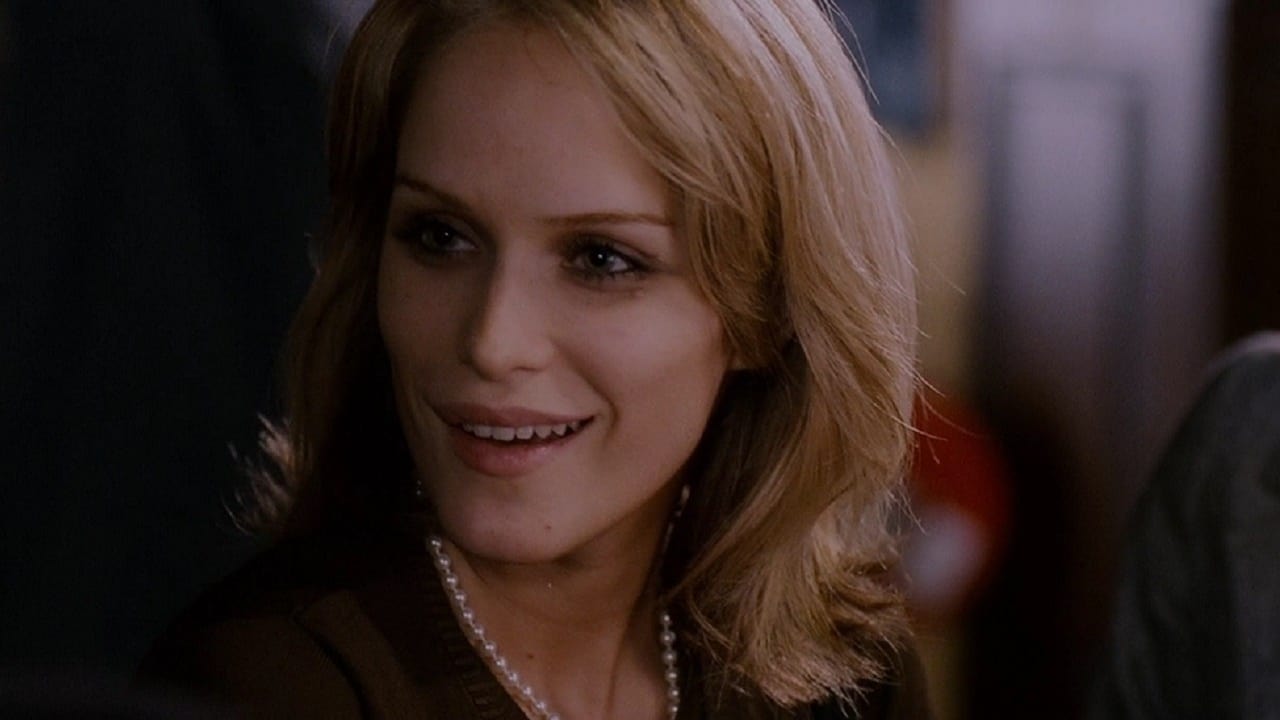
Keep Exploring...
-
Cleaner
2007
-

The Long Kiss Goodnight
1996
-
Arlington Road
1999
-
The Pledge
2001
-
In the Valley of Elah
2007
-
Untraceable
2008
-
The General's Daughter
1999
-
Along Came a Spider
2001
-
Blood Work
2002
-
Basic
2003
-

Revolver
2005
-
Awake
2007
-
Perfect Stranger
2007
-

Pride and Glory
2008
-
Righteous Kill
2008
-

The International
2009
-
The Client
1994
-
Copycat
1995
-
Breakdown
1997
-
Kiss the Girls
1997