Napoleon Dynamite
"Gosh! The magnificent king of the social outcasts."
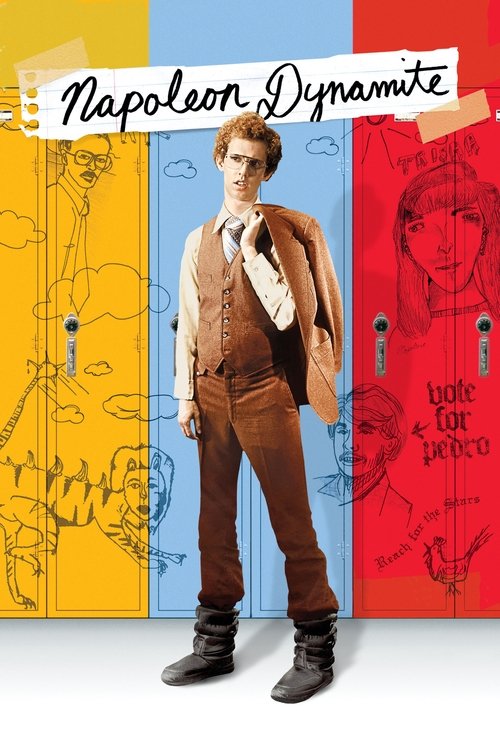
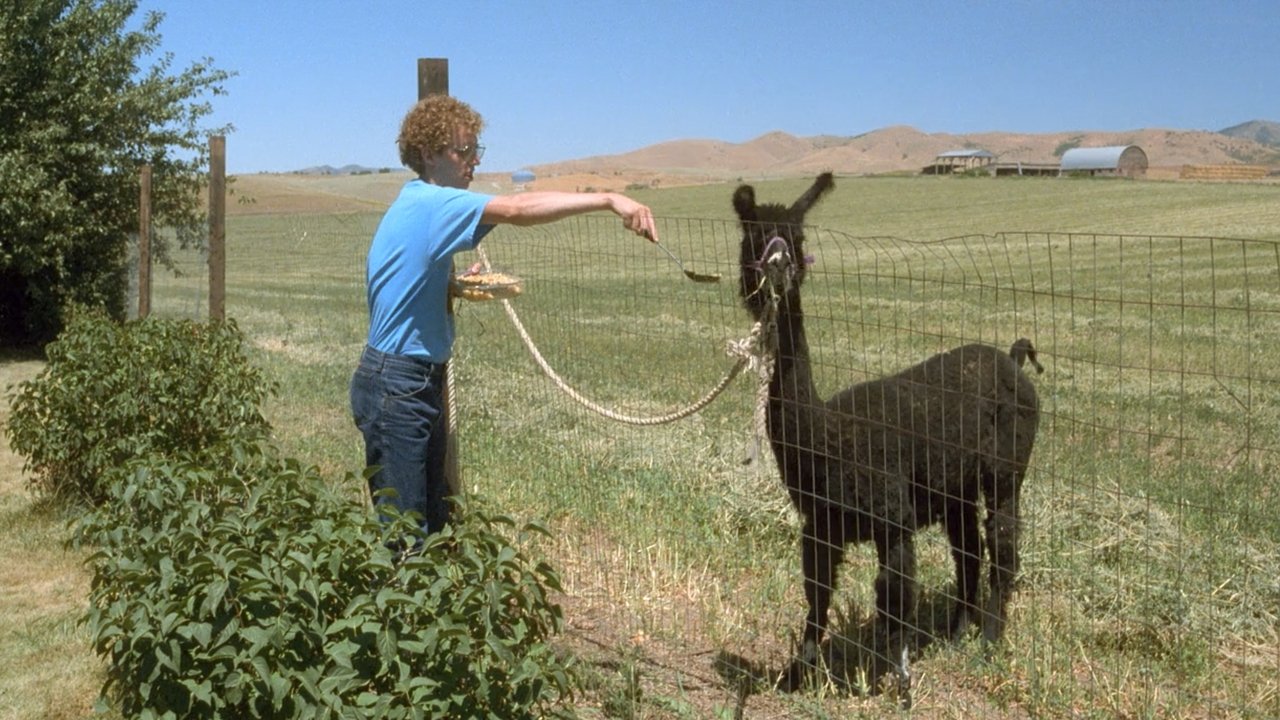
The first time I saw Jon Heder as Napoleon Dynamite, I genuinely wasn’t sure if I was watching a comedy or a documentary about my own awkward middle-school existence. He stands there, mouth slightly agape, wearing Moon Boots in the middle of an Idaho summer, and for a solid ten minutes, I didn't laugh once. I was too busy being mesmerized by the sheer, unadulterated commitment to the cringe. By the time he was dragging a plastic action figure behind a school bus on a piece of string, I was hooked. I watched this particular screening on a beanbag chair that was slowly leaking its polystyrene guts across my carpet, which felt strangely appropriate for the film's gritty, lived-in vibe.
The Aesthetic of the Mundane
Looking back at the landscape of 2004, Napoleon Dynamite felt like a glitch in the Matrix. This was the era of the high-octane "frat pack" comedies—Anchorman and Dodgeball were the standard. Then along comes Jared Hess with a film that feels like it was discovered in a time capsule from 1982, despite being set in the present day. There are no explosions, no high-stakes hijinks, and the most dramatic thing that happens is a teenager successfully delivering a "delicious bass" to his crush.
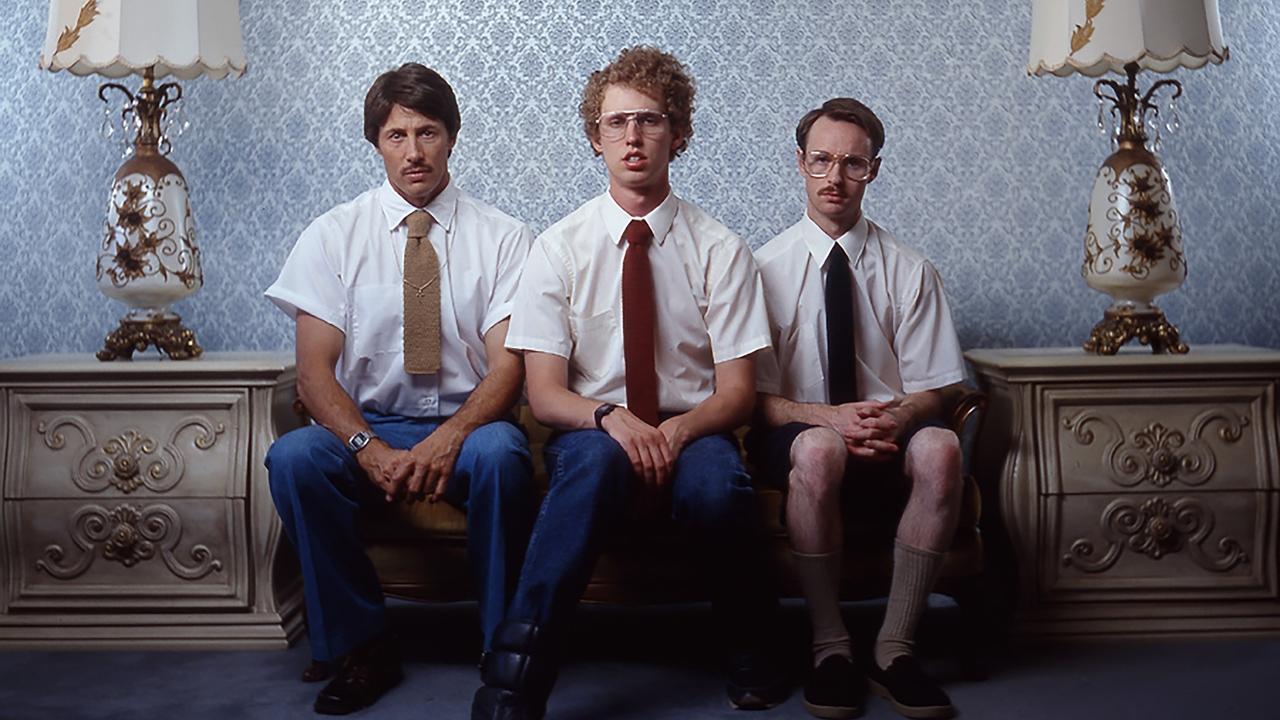
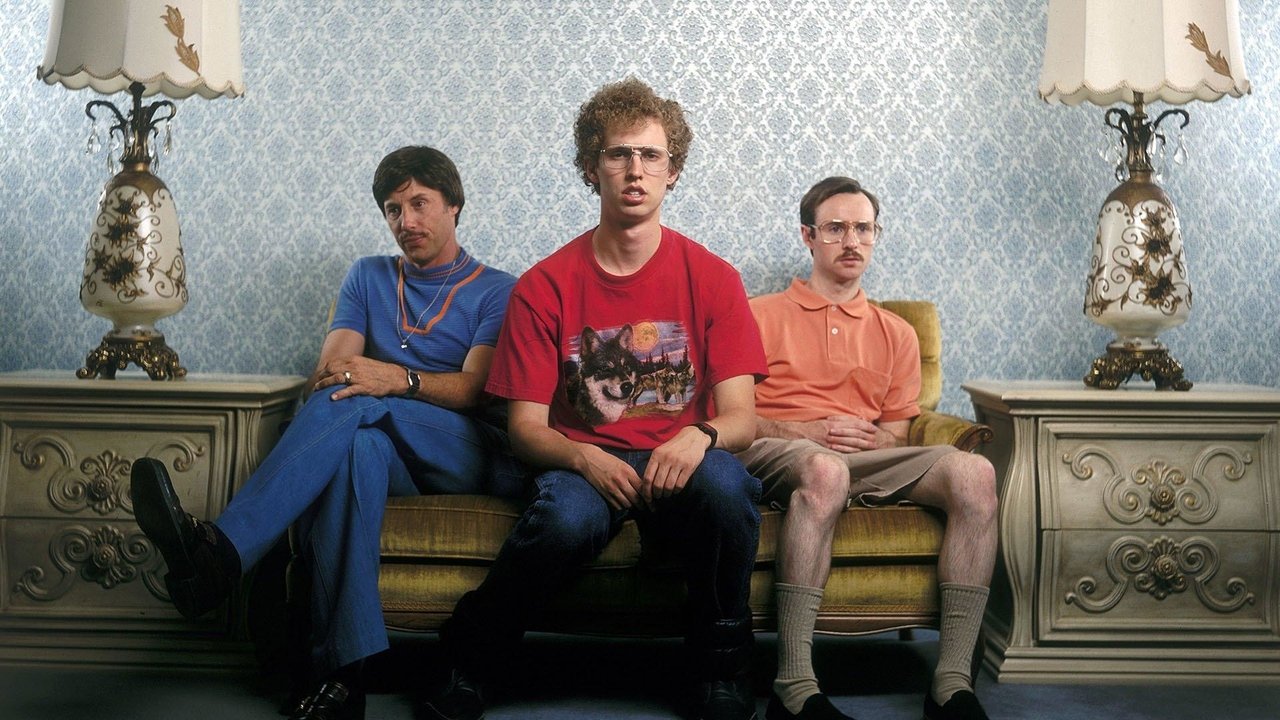
This movie is essentially a high-budget home video where nothing happens and everything matters. The cinematography by Munn Powell is intentionally static, utilizing long, wide shots that force you to sit with the awkwardness of the characters. There is no laugh track, no "nudge-nudge" music to tell you when something is funny. It relies entirely on the rhythm of deadpan delivery. When Napoleon’s brother, Kip (Aaron Ruell), spends his days in chat rooms with "babes" or Uncle Rico (Jon Gries) tries to sell herbal breast enhancement products to the neighborhood, the movie treats these absurdities with a straight face. It’s a masterclass in tonal consistency that most comedies are too afraid to attempt today.
A Shoestring Budget of Tots and Dreams
From a production standpoint, Napoleon Dynamite is the ultimate poster child for the "Indie Renaissance." It’s easy to forget now that it’s a cultural touchstone, but this was a tiny passion project born out of a student film called Peluca. Jared Hess and his wife Jerusha Hess wrote the script based on their own experiences growing up in Idaho, and the authenticity bleeds through every frame.
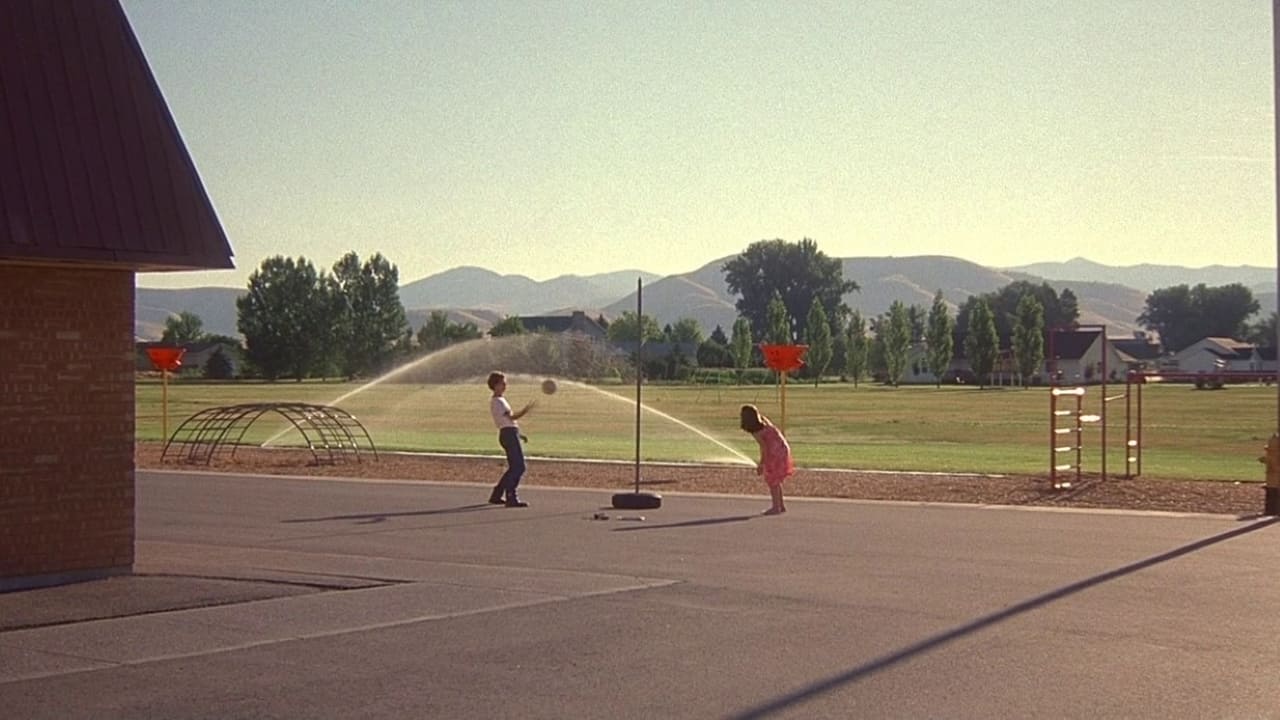
The budget was a measly $400,000—literally the catering budget for a Marvel film today. Because they had no money, the production was a series of creative compromises. Most of the extras were local Preston, Idaho residents. Napoleon’s iconic "Liger" drawing was actually sketched by Jon Heder himself, who was reportedly paid only $1,000 for his starring role initially (though he luckily negotiated a piece of the back-end profits later). This lack of resources forced a specific aesthetic: the movie looks like it was decorated by a grandmother who hasn't checked a Sears catalog since the Reagan administration. This wasn't a stylistic choice made in a studio boardroom; it was the reality of filming in a small town with zero budget.
The Dance That Changed the DVD Aisle
If you weren't around in the mid-2000s, it's hard to describe how much this film dominated the DVD culture. This was the peak of the "special features" era, where you’d sit through the commentary tracks just to hear Efren Ramirez (Pedro) talk about how he stayed in character. Napoleon Dynamite was a word-of-mouth monster. It premiered at Sundance to a standing ovation, but it lived its longest life in suburban living rooms.
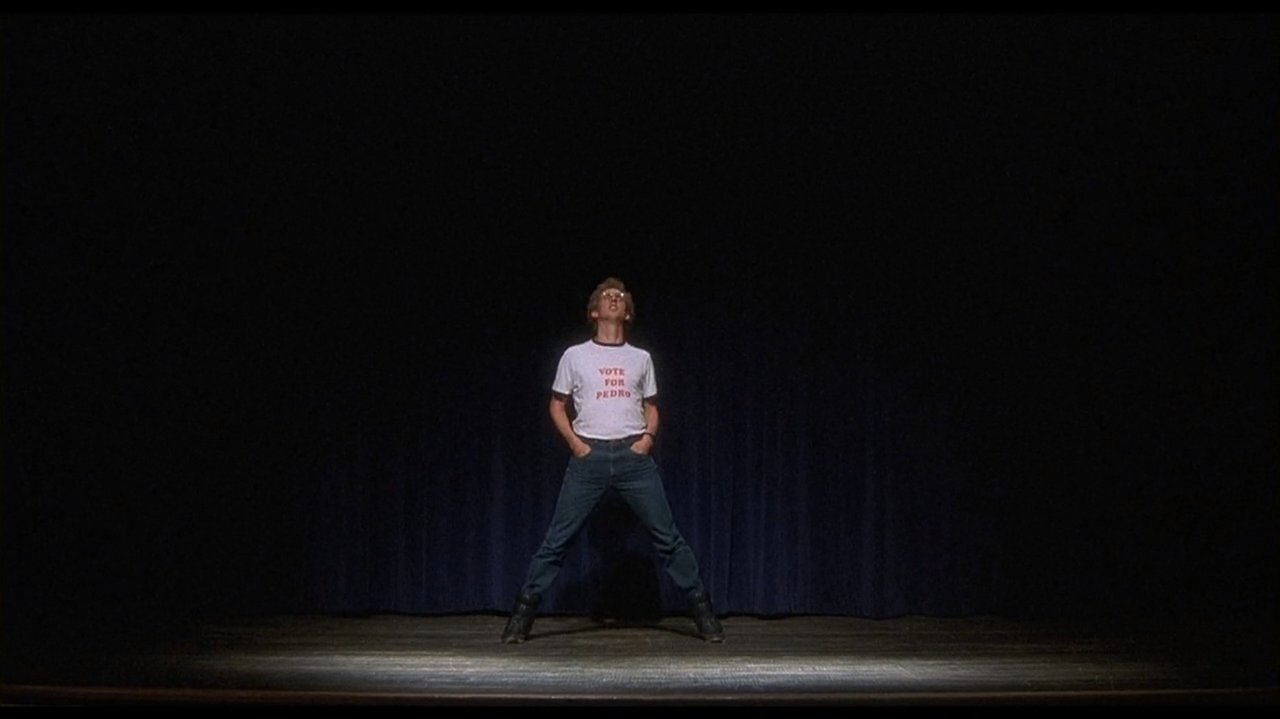
The climax of the film—Napoleon’s surprise dance routine to Jamiroquai’s "Canned Heat" to help Pedro win the class presidency—remains one of the most purely joyful moments in cinema history. Napoleon's dance is the cinematic equivalent of a middle finger to every cool kid who ever made a social outcast feel small. It’s not a "transformation" scene where he suddenly becomes cool; he’s still the same weird kid in the "Vote for Pedro" shirt, but he’s owning his weirdness with 100% conviction.
I’ve heard people argue that the film hasn't aged well, citing the slow pace or the lack of a traditional plot. I disagree. In an age where every comedy feels like it’s being edited for TikTok attention spans, there’s something deeply refreshing about a movie that lets a joke breathe for thirty seconds of silence. Uncle Rico is the patron saint of every guy who peaked in high school and now spends his life trying to throw a football over a mountain. We all know a Rico. We’ve all felt like a Napoleon.
Napoleon Dynamite survives because it isn't mean-spirited. It would have been easy to make a movie that mocks these small-town "losers," but the Hess duo clearly loves these characters. It’s a film about the dignity of being yourself, even if "yourself" involves a heavy interest in 12-gauge shotguns and professional cage fighting. It’s a snapshot of a very specific moment in indie filmmaking history that proved you don't need a massive budget to create an icon. You just need some tater tots, a pair of Moon Boots, and the courage to look absolutely ridiculous.
Keep Exploring...
-
Nacho Libre
2006
-
Secretary
2002
-

Garden State
2004
-

The Squid and the Whale
2005
-
Waiting...
2005
-

High School Musical
2006
-
Scoop
2006
-

Fanboys
2009
-

Bend It Like Beckham
2002
-
Good Bye, Lenin!
2003
-
Imagine Me & You
2006
-
The Night Before the Exams
2006
-
Dead Snow
2009
-
Night on Earth
1991
-
Braindead
1992
-
Clerks
1994
-
Friday
1995
-
Don't Be a Menace to South Central While Drinking Your Juice in the Hood
1996
-

Tremors 2: Aftershocks
1996
-
Chasing Amy
1997