National Treasure
"The back of the Declaration is just the beginning."
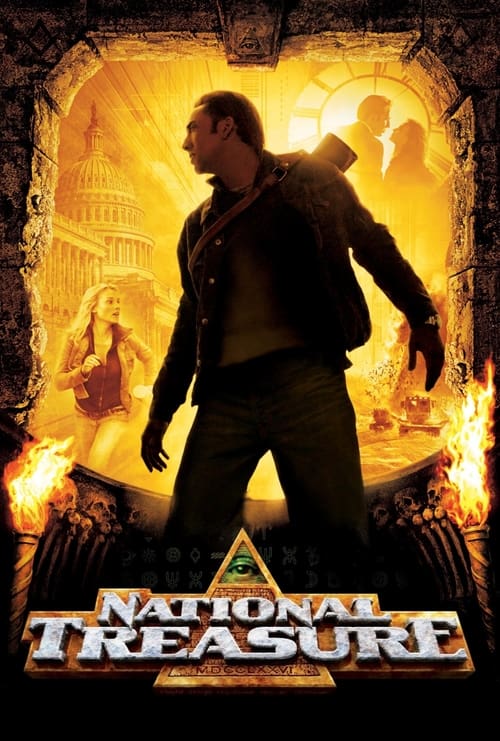
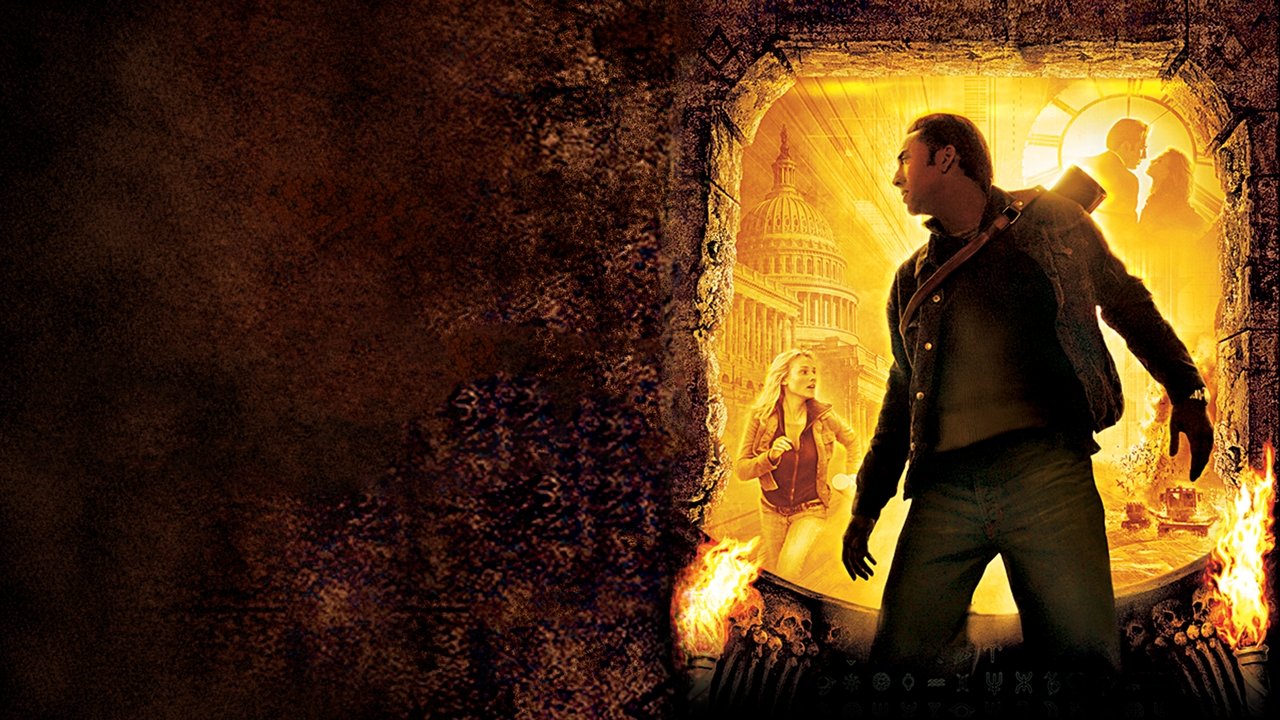
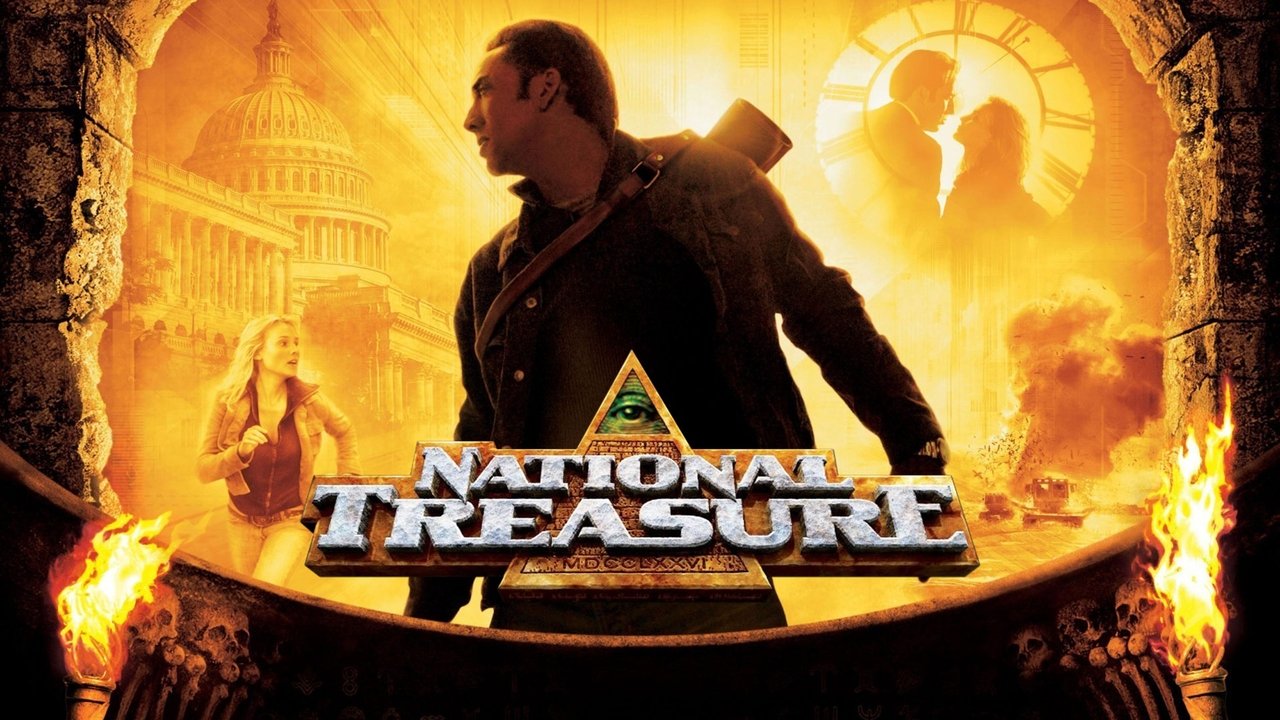
I remember watching National Treasure in a theater that smelled faintly of damp carpet and lemon-scented cleaning fluid, which, in retrospect, was the perfect olfactory pairing for a movie about musty basements and ancient floorboards. At the time, the premise sounded like a dare whispered in a Disney boardroom: "I bet you can't make a movie where the hero steals the Declaration of Independence and the audience actually roots for him."
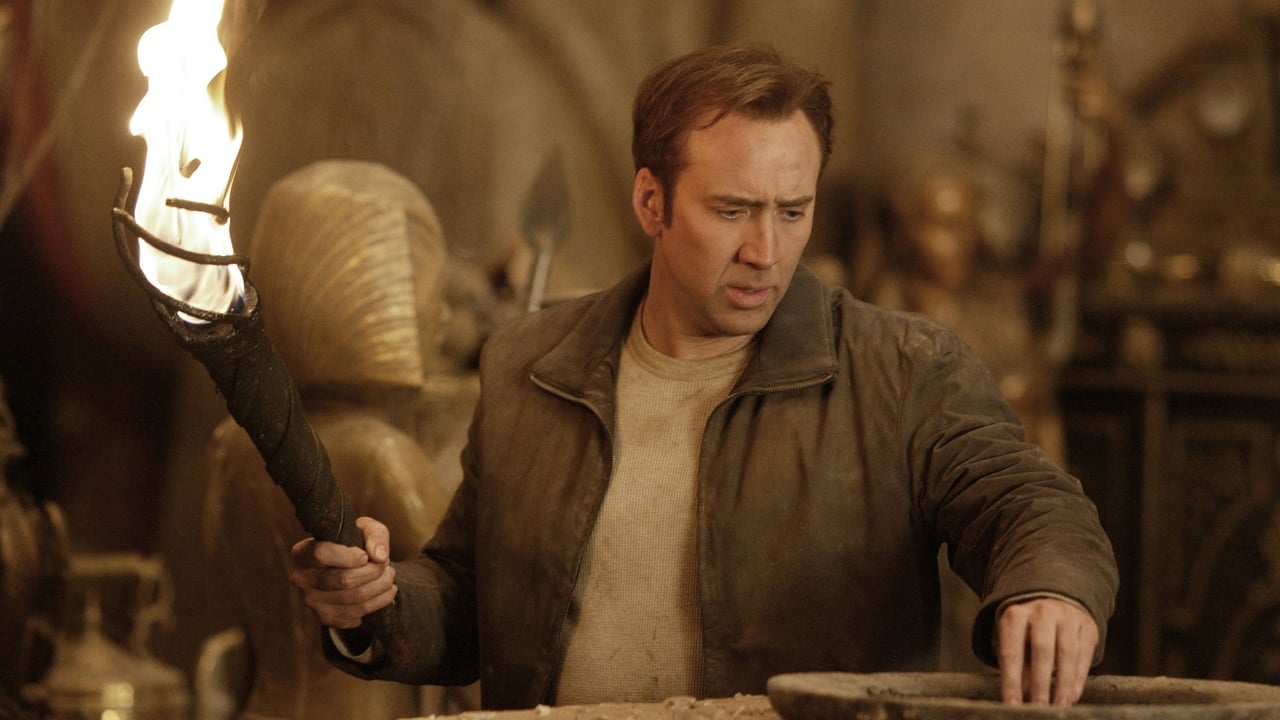
Yet, here we are, decades later, and Jon Turteltaub’s (who previously gave us the delightfully earnest Cool Runnings) treasure hunt remains the ultimate cinematic comfort food. It arrived during that sweet spot of the early 2000s—post-9/11 but pre-MCU—when blockbusters still felt like self-contained adventures rather than homework assignments for a larger universe. It was a time when Jerry Bruckheimer was the undisputed king of the "high-gloss" aesthetic, characterized by amber-tinted cinematography and a Trevor Rabin score that makes finding a colonial-era button feel like a matter of global security.
The Cage Factor and the Holy Grail of Heists
Let’s be honest: this movie works because Nicolas Cage is the only person on the planet who can deliver a line about "the secret lies with Charlotte" with the gravitas of a man reciting the Gettysburg Address. In 2004, Cage was transitioning from his Oscar-winning peak (Leaving Las Vegas) into the eccentric, high-concept action star we know today. As Benjamin Franklin Gates, he’s not an invincible superhero; he’s an obsessed nerd with a very specific set of skills.
The heist sequence at the National Archives is the film’s high-water mark. It’s a beautifully choreographed bit of tension that relies more on timing and thermal sensors than CGI explosions. Looking back, the practical nature of these sets is striking. While the 2000s were leaning hard into the digital revolution, National Treasure still feels tactile. You can practically feel the dust on the "Silence Dogood" letters and the coldness of the bricks under Trinity Church. It’s basically The Da Vinci Code for people who find Tom Hanks’ hair too distracting.
A Masterclass in High-Energy Pedagogy
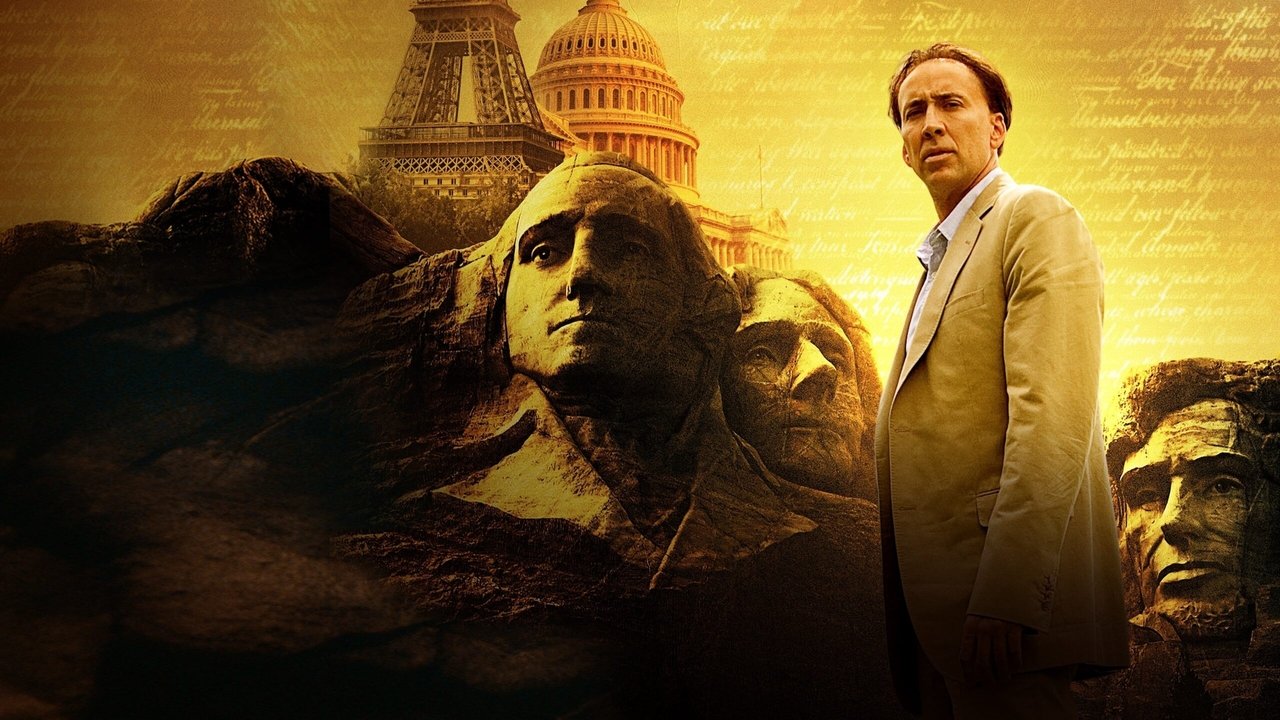
What I’ve always appreciated about this film is that it doesn’t talk down to the viewer. Sure, the history is "Hollywood-adjacent"—taking massive liberties with Freemasonry and the Knights Templar—but it treats its puzzles with genuine intellectual enthusiasm. Justin Bartha as Riley Poole is the perfect cynical surrogate for the audience, providing the necessary "Are you kidding me?" reactions to Ben’s more outlandish leaps of logic.
Diane Kruger, fresh off Troy, manages to hold her own as Dr. Abigail Chase, evolving from a skeptical bureaucrat into a full-blown accomplice without losing her dignity. And then there’s Sean Bean as Ian Howe. In an era where Bean was synonymous with tragic on-screen deaths (shoutout to The Lord of the Rings: The Fellowship of the Ring), it was actually a refreshing subversion to see him play a villain who is simply outclassed by a guy with a lemon and a hairdryer. He doesn't die; he just gets out-nerded.
The pacing is relentless. The screenplay by Jim Kouf and Marianne Wibberley follows the "one clue leads to another" formula with mathematical precision, ensuring that the momentum never dips for more than five minutes. It’s a textbook example of how to balance exposition with action choreography. It is a film where everyone is exactly 15% more intense than they need to be, and it’s all the better for it.
The DVD Era and Lasting Legacy
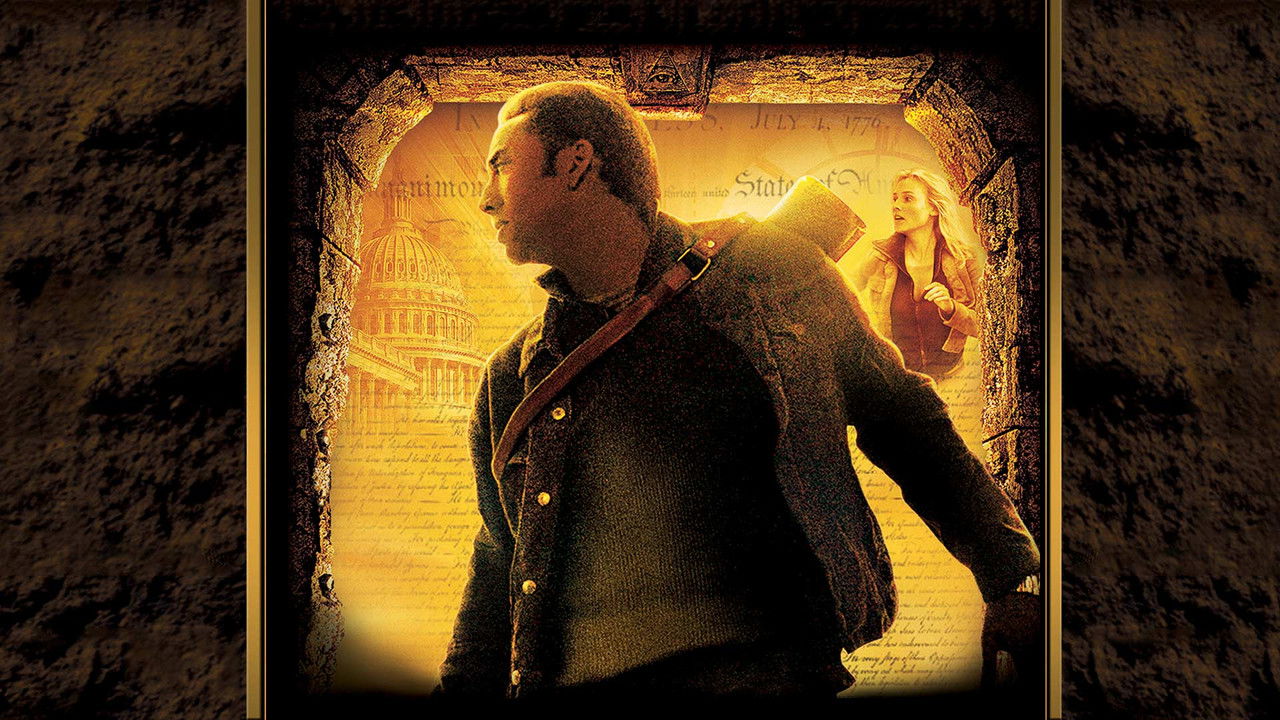
National Treasure was a monster hit, raking in over $347 million worldwide, but its real life began on home video. This was the peak of DVD culture, and I remember obsessively clicking through the "puzzlemaster" special features on the disc, trying to find hidden menus. It was a film built for repeat viewings, a digital scavenger hunt that turned every suburban living room into a branch of the Smithsonian.
Looking back with twenty years of perspective, the film represents a dying breed: the standalone, mid-budget-feeling blockbuster that actually has a soul. It’s unashamedly patriotic in a way that feels earnest rather than cynical, celebrating the idea of history as a living, breathing thing. Caleb Deschanel’s cinematography gives the whole affair a warm, prestigious glow, making the chase through the streets of Philadelphia look like a moving oil painting.
Does it hold up? Absolutely. Because while the technology in the film has aged—shoutout to the bulky laptops and Riley’s "high-tech" gear—the thrill of the hunt is timeless. It’s a movie that makes you want to go to a museum, and any action flick that manages that while also featuring a high-speed van chase deserves its place in the vault.
National Treasure is the cinematic equivalent of a perfectly executed magic trick. You know it’s impossible, you can see the strings if you look close enough, but you’re having too much fun to care. It’s a breezy, intelligent, and fiercely entertaining ride that reminds us why we fell in love with movies in the first place—to go on a journey we’d never have the guts (or the historical knowledge) to take in real life. If you haven't revisited this one lately, it’s time to break out the lemon juice and the heat lamp.
Keep Exploring...
-
National Treasure: Book of Secrets
2007
-

Knowing
2009
-
The Sorcerer's Apprentice
2010
-

Paycheck
2003
-
Sky Captain and the World of Tomorrow
2004
-
Mission: Impossible II
2000
-
The 6th Day
2000
-

Jurassic Park III
2001
-
Planet of the Apes
2001
-

The Bourne Identity
2002
-
xXx
2002
-

The Matrix Reloaded
2003
-
The Bourne Ultimatum
2007
-
Mission: Impossible
1996
-
Die Another Day
2002
-
Casino Royale
2006
-
Sherlock Holmes
2009
-
GoldenEye
1995
-
The Island
2005
-
The Losers
2010