Ocean's Twelve
"The most expensive European vacation ever caught on film."
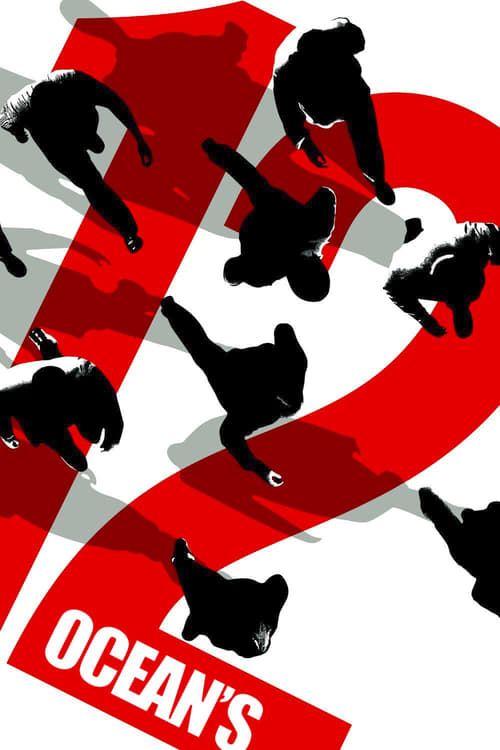
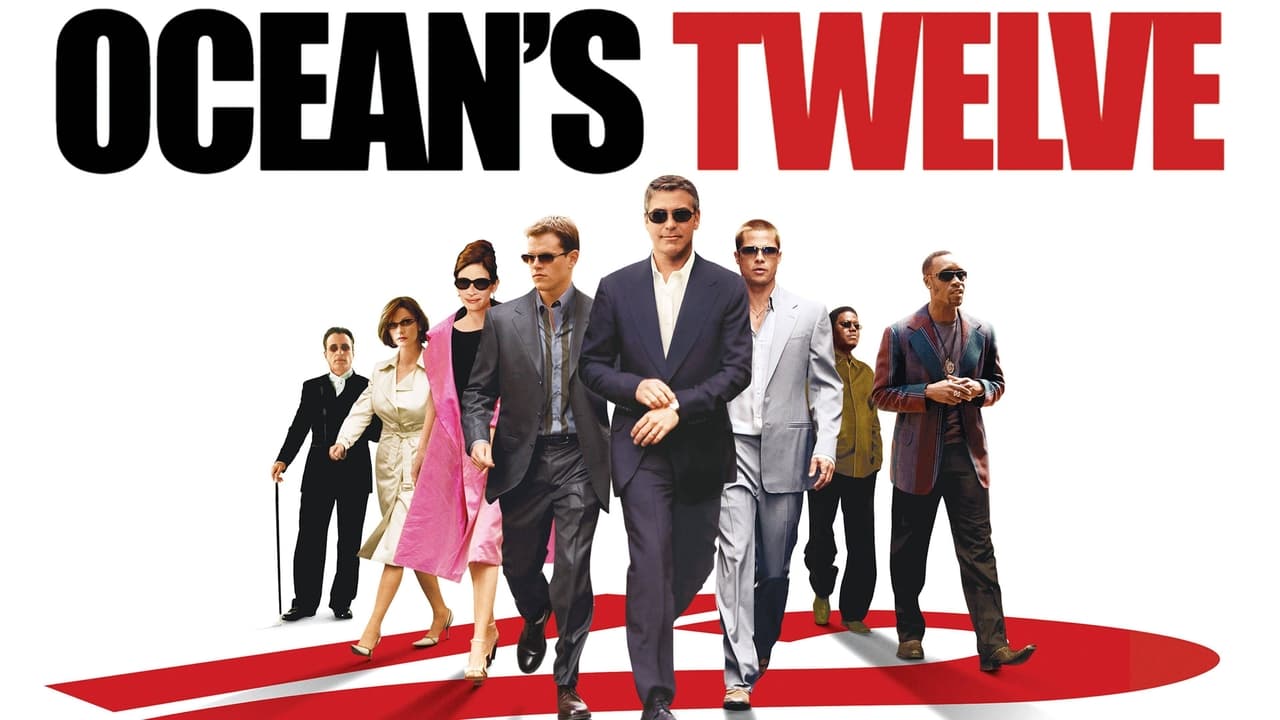
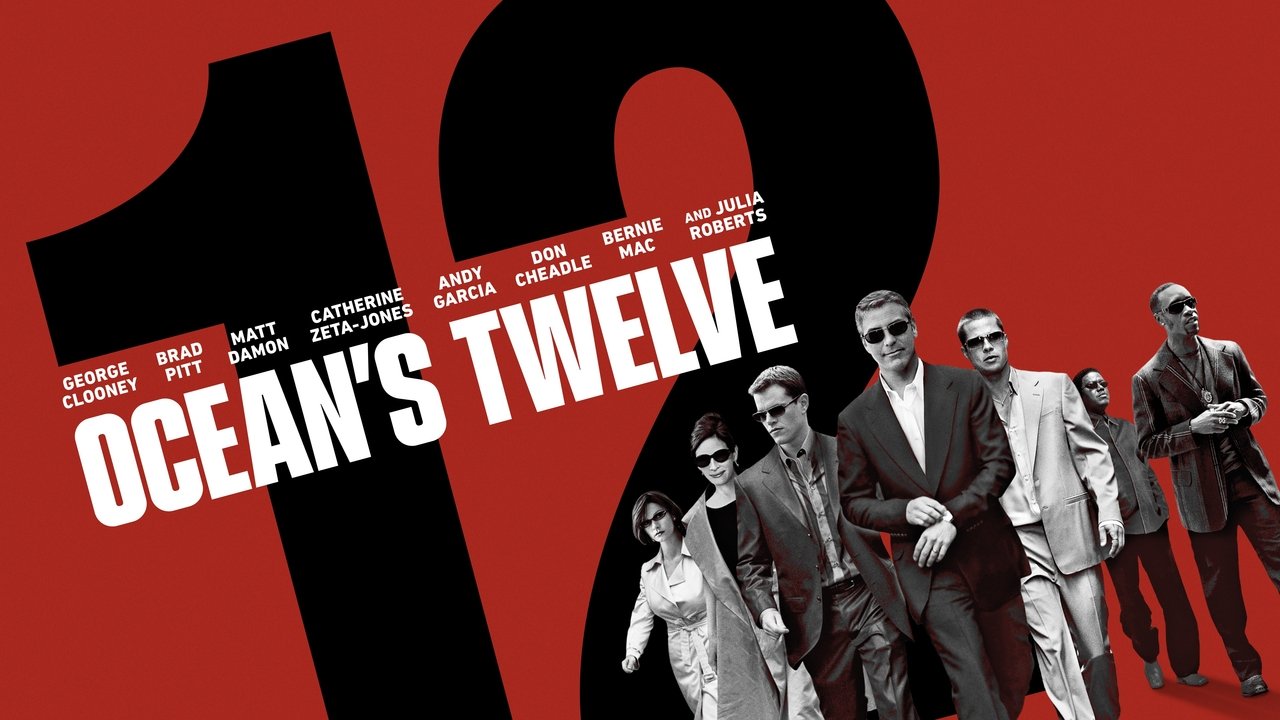
In 2004, there was no greater currency in Hollywood than being in George Clooney’s contact list. After the runaway success of Ocean’s Eleven, a sequel was an inevitability, but what we got wasn't exactly a retread of the Vegas neon-and-suits formula. Instead, Steven Soderbergh delivered something far more polarizing: a loose, jazzy, and aggressively meta European romp that felt less like a heist movie and more like we were crash-landing into a private party we weren't entirely invited to.
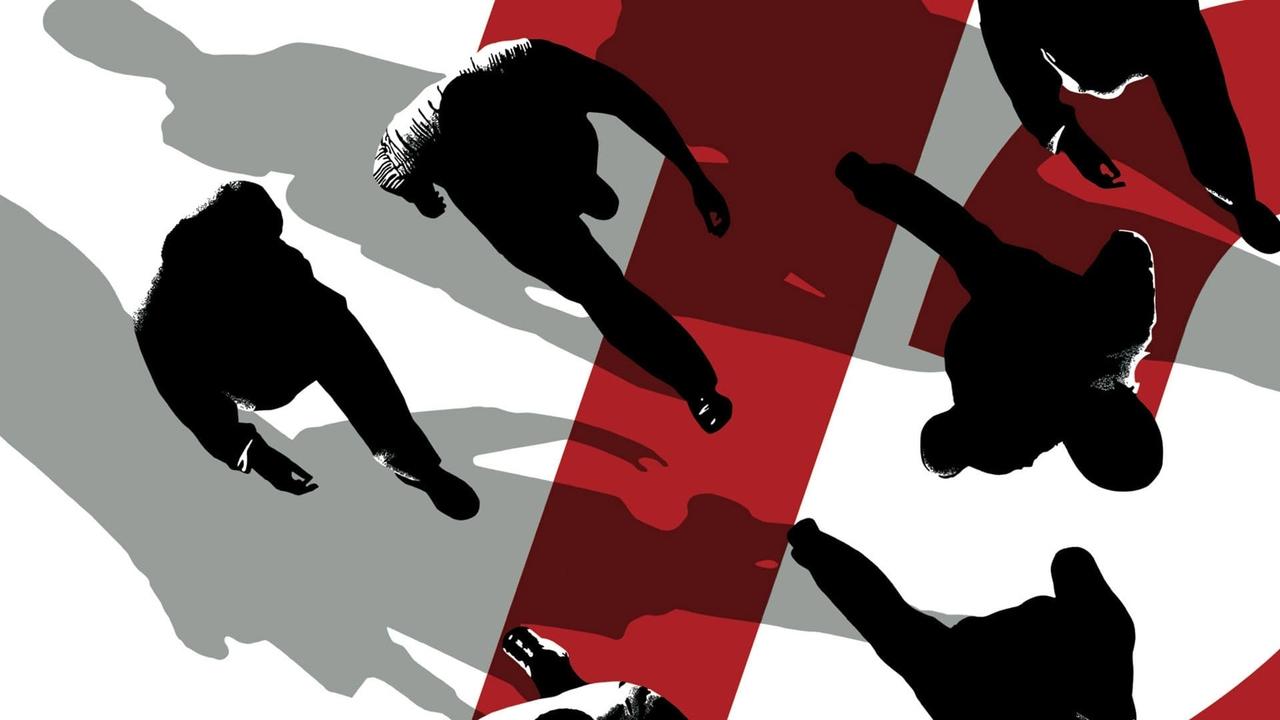
I watched this recently while drinking a lukewarm Diet Coke that had lost its fizz twenty minutes earlier, and honestly, the flatness of the soda matched the movie’s laid-back, "we're just here for the wine" energy perfectly.
The Art of the Hangout
Where the first film was a masterpiece of precision—a clockwork engine where every gear (or specialized thief) had a specific turn to make—Ocean’s Twelve is a vibe. The plot involves Andy Garcia’s Terry Benedict hunting down the gang to demand his money back with interest, forcing the crew to flee to Europe to out-heist a rival thief known as "The Night Fox" (Vincent Cassel).
But the plot is almost secondary to the way George Clooney and Brad Pitt lean against doorframes. The film captures that specific mid-2000s transition where superstars were starting to feel the weight of their own celebrity. Soderbergh, acting as his own cinematographer under the pseudonym Peter Andrews, swaps the polished sheen of the Bellagio for a grainy, handheld, experimental aesthetic. It looks like a high-end documentary about people who are far cooler than you will ever be.
The drama here isn't in the stakes—which often feel weirdly low despite the threat of prison—but in the interpersonal history. The addition of Catherine Zeta-Jones as Isabel Lahiri provides a much-needed emotional anchor. Her chemistry with Brad Pitt's Rusty Ryan feels lived-in and weary, suggesting a whole movie's worth of backstory that happened off-screen. It’s a "Modern Cinema" era staple: the franchise film that cares more about the characters’ moods than the mechanics of the MacGuffin.
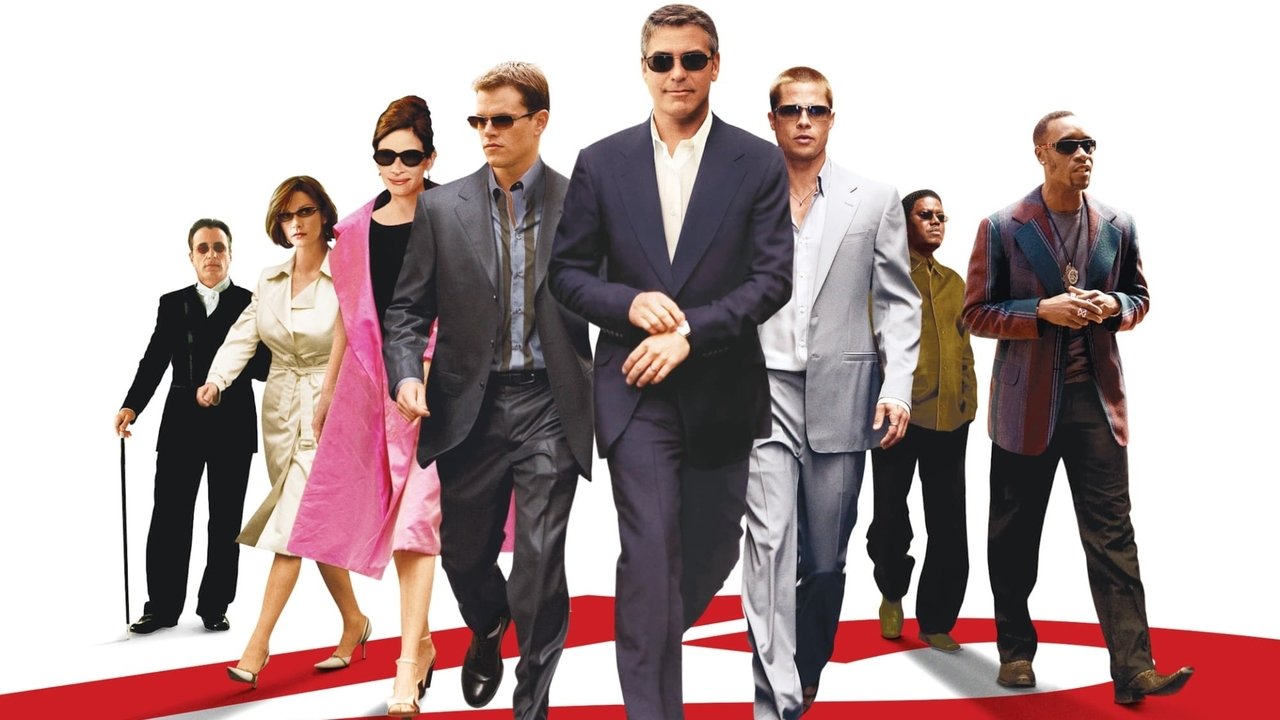
Breaking the Fourth Wall (And the Fifth)
You cannot talk about Ocean’s Twelve without discussing the "Julia Roberts" problem. In a move that is still debated in film circles, the script has Tess Ocean (Julia Roberts) go undercover as... Julia Roberts.
This plot point is either the smartest meta-commentary of the decade or a sign of absolute creative bankruptcy. Personally, I lean toward the former, purely because of how much fun Matt Damon seems to be having as the panicked Linus Caldwell trying to coach "Tess" on how to act like a movie star. When Bruce Willis shows up playing himself and starts sniffing out the ruse, the movie stops being a crime thriller and becomes a satirical look at the absurdity of Hollywood A-listers. It’s the kind of daring, slightly arrogant swing that you just don't see in the hyper-controlled environment of today’s franchise filmmaking.
The $110 Million Home Movie
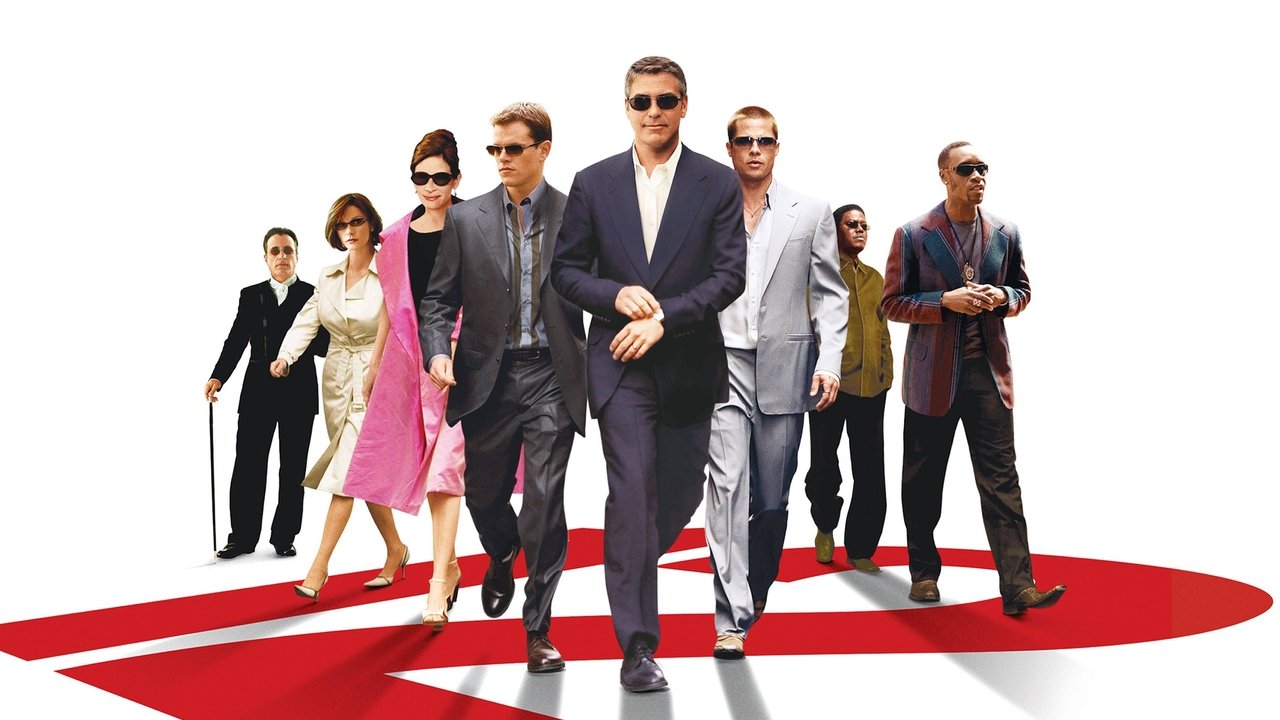
The production of Ocean’s Twelve is legendary for being a traveling circus. The cast famously took over George Clooney’s Villa Oleandra in Lake Como, Italy, during filming. This wasn't just a job; it was a summer holiday with a $110 million budget provided by Warner Bros. That sense of relaxation permeates every frame. While it made for a fragmented viewing experience for some, it allowed for moments of genuine performance nuance that a tighter script might have stifled.
The film was a massive commercial hit, raking in over $362 million worldwide, proving that in 2004, the "Ocean’s" brand was bulletproof. However, the industry impact was a bit of a cautionary tale. It showed that while star power could carry a sequel, the "experimental blockbuster" was a difficult needle to thread. Soderbergh was using a massive studio tentpole to play with European New Wave editing techniques and David Holmes' idiosyncratic, funky score. It’s a film that reflects the Y2K-era's growing comfort with non-linear storytelling and "cool" over "clarity."
Ocean’s Twelve is the difficult second album of the trilogy. It lacks the tight narrative satisfaction of the first and the crowd-pleasing return to form of the third. Yet, I find myself defending it. It’s a rare artifact from a time when we allowed our movie stars to be self-indulgent, weird, and experimental on a global stage. If you go in expecting a high-stakes heist, you’ll be frustrated. If you go in to watch Brad Pitt eat snacks in beautiful locations while Vincent Cassel does a capoeira dance through a laser field, you’re going to have a great time. It’s an uneven, stylish, and fiercely intelligent mess that I’d rather watch twice than a perfectly "safe" modern blockbuster once.
Keep Exploring...
-
Ocean's Thirteen
2007
-
Ocean's Eleven
2001
-

Traffic
2000
-
Side Effects
2013
-
Hannibal
2001
-
xXx
2002
-
2 Fast 2 Furious
2003
-
The Sentinel
2006
-

Wanted
2008
-
Fast & Furious
2009
-
Contagion
2011
-
Out of Sight
1998
-
The Fast and the Furious
2001
-
Panic Room
2002
-
The Exorcism of Emily Rose
2005
-

Inside Man
2006
-
Saw III
2006
-

Saw IV
2007
-

Saw V
2008
-
Vantage Point
2008