Open Water
"The boat left. The sharks stayed."

I remember renting the DVD of Open Water from a Blockbuster that was literally in the process of going out of business. The shelves were half-empty, the carpet smelled like industrial cleaner, and I was distracted by a hangnail on my thumb that I kept picking at while the trailers played. I went into it expecting a low-rent Jaws rip-off. Instead, by the time the credits rolled, I felt like I needed to check the floor of my living room for rising tides.
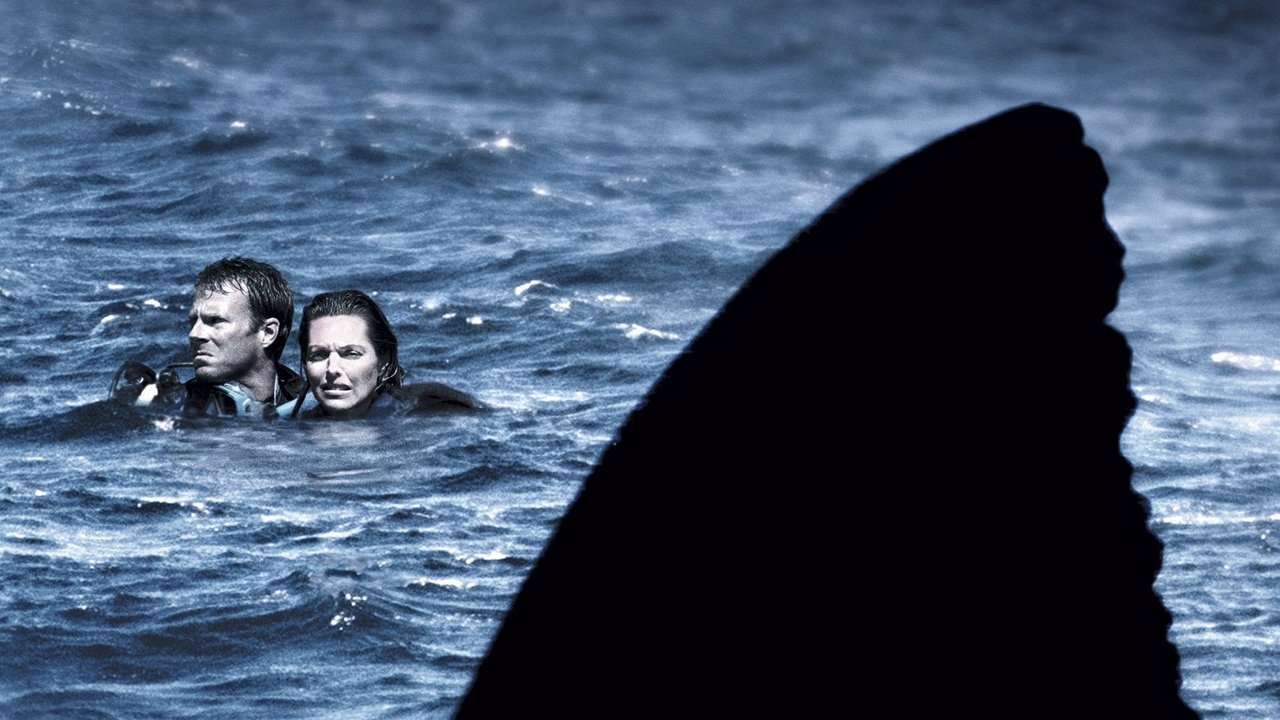
There is a specific brand of terror that only a sub-$150,000 budget can buy you. In the early 2000s, we were right in the thick of the digital revolution. Filmmakers like Chris Kentis and his wife/producer Laura Lau realized they didn’t need a studio’s permission or a Panavision rig to ruin someone’s week. They just needed a couple of actors, a Sony PD-150 digital camera, and a terrifyingly large amount of open ocean.
The Horror of a Bad Math
The premise is the ultimate "it could happen to you" nightmare. Susan Watkins (Blanchard Ryan) and Daniel Kintner (Daniel Travis) are a busy couple taking a much-needed Caribbean vacation. They go on a group scuba dive, surface after 35 minutes, and find… nothing. A simple clerical error—a miscount on the boat—has left them bobbing in the middle of the Atlantic.
What follows isn’t a high-octane thriller; it’s a slow-motion car crash in salt water. Chris Kentis uses the limitations of early digital video to his advantage. The footage looks like something you’d find on a lost memory card, which gives it a grit that 35mm film simply can’t replicate. It’s grainy, the colors are slightly washed out, and it feels uncomfortably real. The scariest thing in this movie isn't the sharks; it’s the bureaucratic incompetence of a lazy head-count. We’ve all been at the mercy of a distracted employee at some point; here, that distraction is a death sentence.
Real Fins, Real Fear
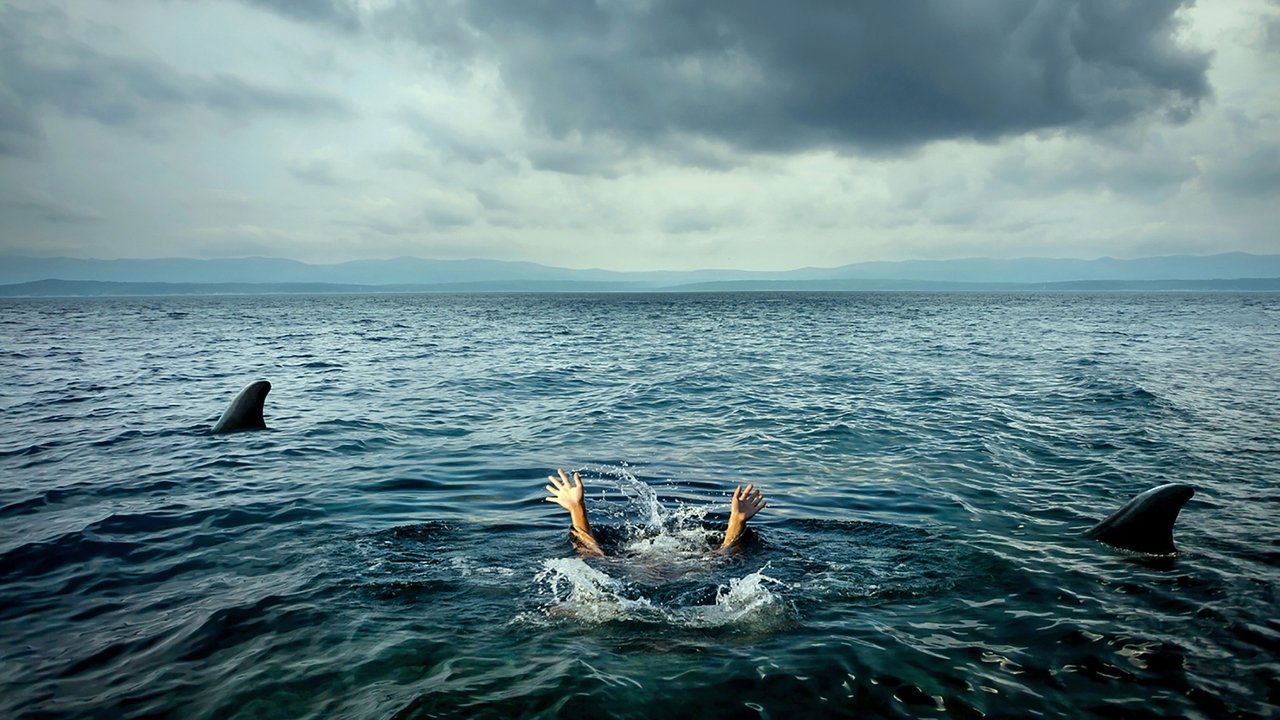
We have to talk about the sharks. In 2004, CGI was starting to take over Hollywood, but Kentis didn't have the "monster" budget of a film like Deep Blue Sea (1999). Instead, he went the practical route—and by practical, I mean he threw his actors into the water with actual Caribbean Reef sharks. Blanchard Ryan and Daniel Travis aren't just acting; they are visibly vibrating with genuine anxiety. They wore chainmail under their wetsuits for protection, but when you see a fin break the surface two feet from Blanchard Ryan’s face, that’s not a digital effect. That’s a woman wondering if she’s about to become a statistic.
The chemistry between the two leads is what keeps the movie from sinking. They aren't action heroes. They’re annoyed, then they’re bickering, then they’re bargaining, and finally, they’re just exhausted. It’s a masterclass in sustained dread. There are no jump scares here, just the agonizing realization that the sun is going down and the "bump" they just felt against their legs wasn't a piece of driftwood.
An Indie Success Story
Looking back, Open Water is the quintessential "Indie Gem" of the DVD era. It’s a film born of sheer hustle. Chris Kentis and Laura Lau shot the film on weekends and holidays over the course of two years to save money. They didn't have a massive crew; often it was just the two of them and the actors out on the water. When it premiered at Sundance, it sparked a bidding war, eventually being picked up by Lionsgate and turning a $120,000 investment into a $54 million global smash.
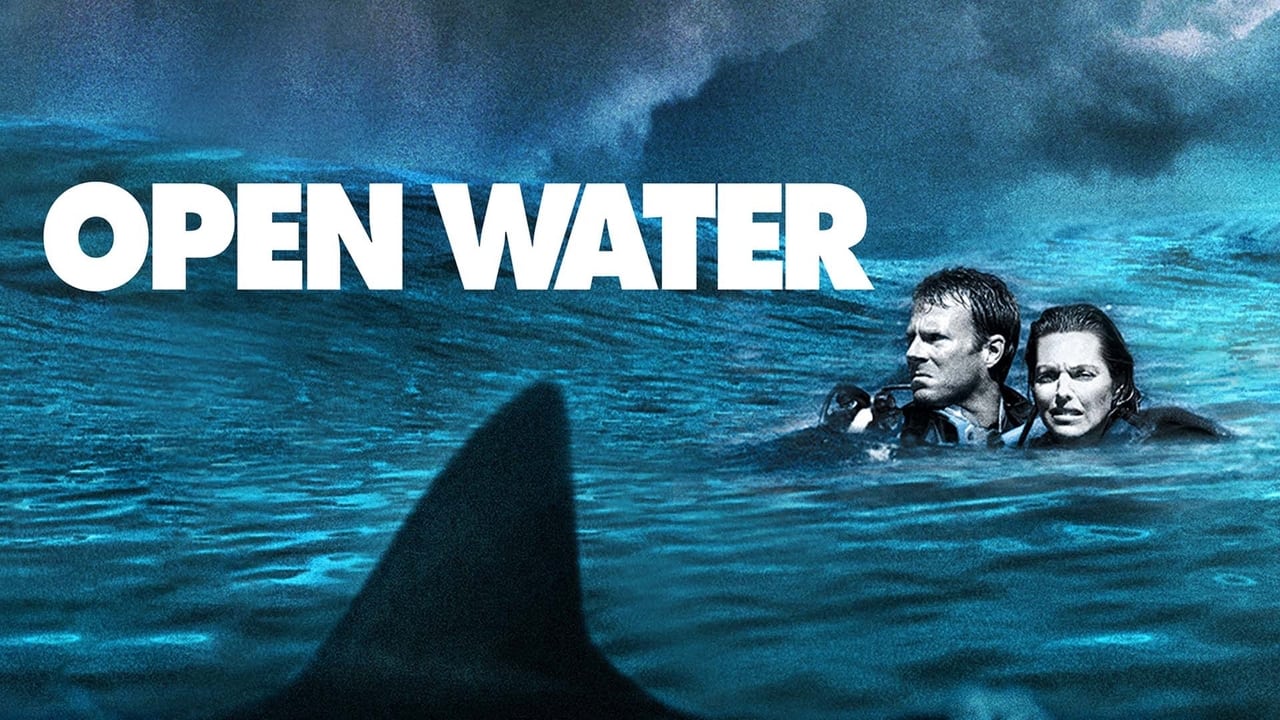
It captured that post-9/11 anxiety perfectly—the feeling that the world is vast, uncaring, and that help might not be coming. It’s a minimalist nightmare that strips away all the tropes of the genre. There’s no shark hunter with a harpoon, no last-minute rescue helicopter, and no heroic monologues. It’s just two people in a very big bathtub with some very hungry roommates. I’ll go as far as to say this is the most effective "unpleasant" movie of the decade.
Open Water is a lean, mean piece of survival horror that respects the audience's intelligence enough to let the silence do the talking. It’s the kind of film that makes you look at your bathtub with a slight sense of suspicion for a few days. While the digital video look might feel a bit dated to those raised on 4K streaming, that low-fi aesthetic is exactly what makes the terror feel so immediate. If you’re looking for a thrill that lingers long after the screen goes black, jump in. Just make sure the boat is still there when you come back up.
Keep Exploring...
-

P2
2007
-
After.Life
2009
-

The Hole
2001
-
Wolf Creek
2005
-
I Spit on Your Grave
2010
-

The Last Exorcism
2010
-

Red State
2011
-
V/H/S
2012
-
Dark Skies
2013
-
Wrong Turn 2: Dead End
2007
-
Wrong Turn 3: Left for Dead
2009
-
Grave Encounters
2011
-

The Awakening
2011
-
![[REC]⁴ Apocalypse backdrop](https://image.tmdb.org/t/p/w780/wKQpAxTL5MOpkb9Mk6w4vabtSe7.jpg)
[REC]⁴ Apocalypse
2014
-
Lake Placid
1999
-
Stigmata
1999
-
The Ninth Gate
1999
-
The Cell
2000
-

The Gift
2000
-
What Lies Beneath
2000