Primer
"Trust is the first casualty of the box."

If you ever want to feel like the slowest kid in a room full of honors physics students, put on a copy of Primer. It doesn’t open with a grand space battle or a shimmering portal; it opens with four guys in a garage, talking over each other about patents, circuit boards, and the mundane stress of mid-level engineering. They sound real because they aren't stopping to explain things to you. I watched this for the third time while trying to nurse a lukewarm Diet Coke and a mild case of the flu, and honestly, the fever dreams helped the plot make more sense than any linear viewing ever has.
The $7,000 Miracle
Back in 2004, the indie film scene was still riding the high of the Sundance revolution. We were seeing digital cameras start to democratize filmmaking, but Shane Carruth decided to go the hard way. He shot Primer on Super 16mm film with a budget of exactly $7,000. To put that in perspective, that’s about the cost of a few days of catering on a mid-budget studio film like Garden State or Eternal Sunshine of the Spotless Mind.
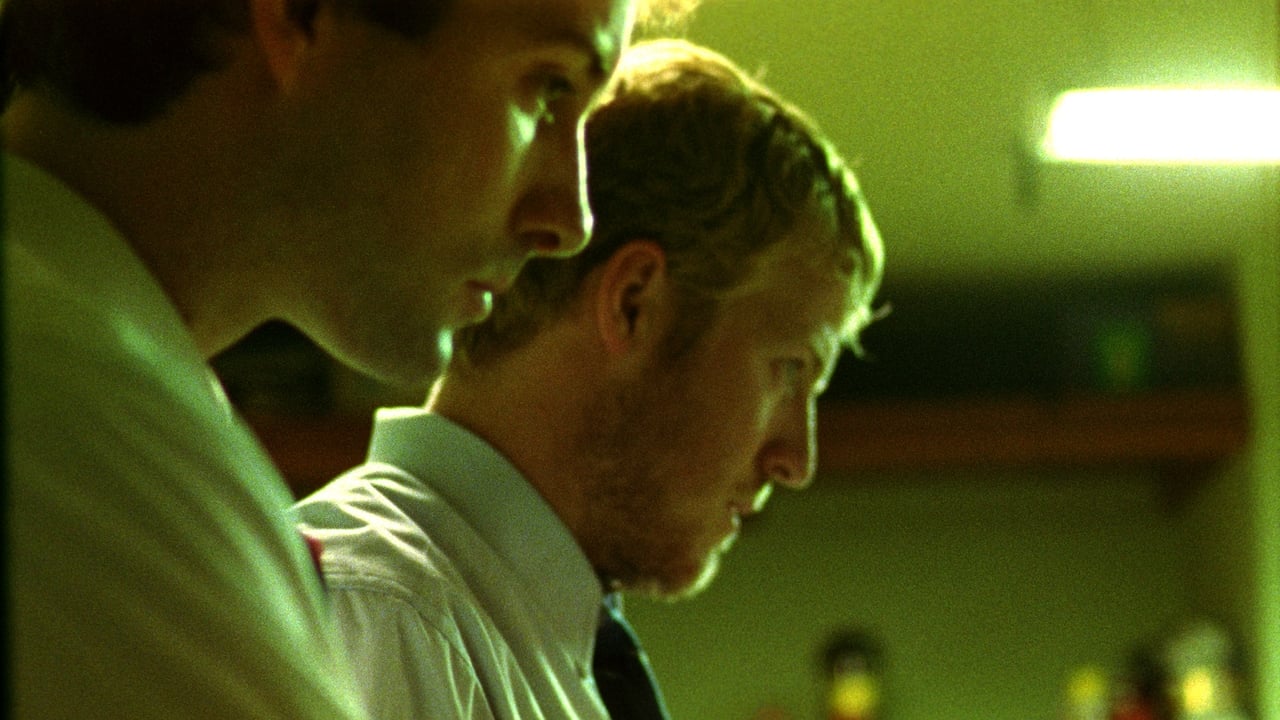
Because every foot of film cost money, Carruth—who also wrote, directed, produced, and composed the score—rehearsed with his cast for weeks before a single frame was shot. There was no room for "let’s see what happens" improvisation. This financial constraint created a visual style that feels claustrophobic and startlingly authentic. The fluorescent hum of the garage and the beige palette of the early 2000s office parks give the film a "found footage" feel without the shaky-cam gimmicks. It’s a film that proves a garage and a sharp script are worth more than a hundred million dollars of mid-2000s CGI.
Jargon as a Weapon
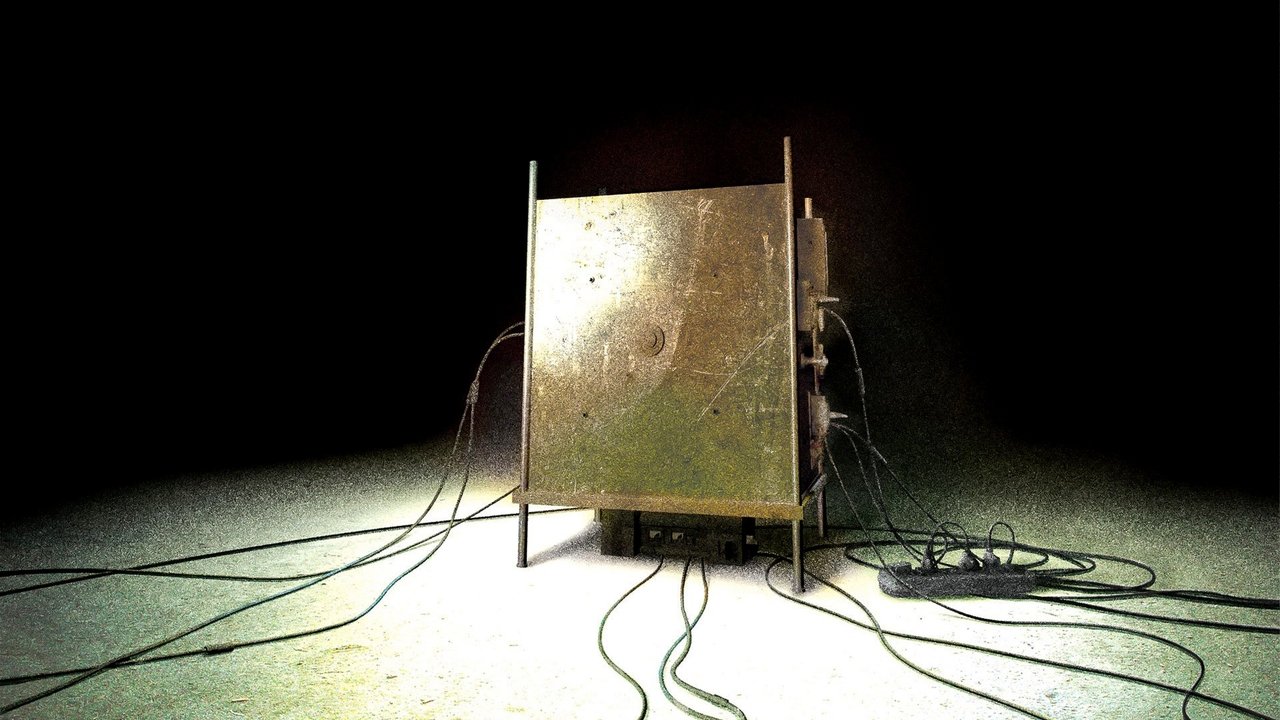
The story follows Abe (David Sullivan) and Aaron (Shane Carruth), two engineers who accidentally stumble upon a side effect while building a device to reduce the weight of objects. That side effect? Time travel. But forget the Flux Capacitor or the spinning dials of HG Wells. In Primer, the time machine is a box covered in industrial foil and PVC piping that sits in a self-storage unit. To use it, you have to wait in a hotel room for six hours so you don't run into yourself. It’s tedious, it’s sweaty, and it feels entirely plausible.

Carruth doesn't care if you don't understand the technical dialogue. He uses jargon as a texture rather than a plot device. This was a bold move in an era where blockbusters were increasingly leaning into "the chosen one" tropes. Primer is a movie that treats its audience like adults, which in the landscape of 2004 cinema, felt like a revolutionary act. I remember the first time I saw it, I spent the final thirty minutes in a state of quiet panic, realizing I had lost the thread of which "Aaron" was which, yet I couldn't look away. It’s a drama built on the crumbling foundation of a friendship, where the stakes aren't the end of the world, but the loss of one's own identity.
The DVD Culture Puzzle
Primer reached its peak cult status during the height of DVD culture. This was the era of the "special feature" and the internet forum boom. If you wanted to understand Primer, you didn't just watch it; you went to a website and downloaded a color-coded flowchart that looked like a blueprint for a nuclear reactor. The film was designed for the "pause and rewind" generation.
Looking back, David Sullivan gives a wonderfully grounded performance as Abe, the more cautious of the two. His descent from scientific wonder to sheer, unadulterated terror is the emotional anchor of the film. While Shane Carruth's Aaron becomes more enigmatic and perhaps a bit more sinister, Sullivan reminds us that time travel would likely be a nightmare of logistics and ethical rot. It’s the only film that makes corporate embezzlement feel as dangerous as a high-speed car chase.
Stuff You Didn't Notice
One of the most impressive things about the production is how Carruth managed the sound. Because they were shooting in real locations with high-speed film, the ambient noise was a disaster. Apparently, Carruth had to re-record almost all of the dialogue in post-production and sync it perfectly—a process that would drive most directors to madness. It contributes to that strange, disconnected feeling the characters have as they start to loop through their own lives.
The film also captures a very specific "pre-smartphone" tech anxiety. The characters use payphones and clunky laptops, and the internet is something you check at home, not a constant tether in your pocket. This isolation makes the central "box" feel even more like a dangerous, secret island. It was a breakthrough moment for indie sci-fi, proving that "big ideas" didn't require "big budgets."
In the two decades since its release, Primer has lost none of its bite. It’s a dense, challenging piece of work that rewards multiple viewings and a fair amount of extracurricular reading. While some might find the lack of hand-holding frustrating, I find it refreshing. It’s a testament to the power of a single-minded vision and the beauty of the indie hustle. If you’re tired of movies that explain the plot every fifteen minutes, go find the box. Just make sure you bring a notebook.
Keep Exploring...
-
Monsters
2010
-

Open Your Eyes
1997
-

Signs
2002
-
The Jacket
2005
-
I Am Legend
2007
-

Hard Candy
2005
-

The Man from Earth
2007
-
Felon
2008
-

Blood and Bone
2009
-
Children of Men
2006
-
Following
1999
-
Amores Perros
2000
-
Battle Royale
2000
-

The Devil's Backbone
2001
-
The Hole
2001
-

Irreversible
2002
-

Sympathy for Mr. Vengeance
2002
-
The Orphanage
2007
-
Timecrimes
2007
-
The Girl Who Played with Fire
2009