Raise Your Voice
"Find your rhythm. Face your fear."
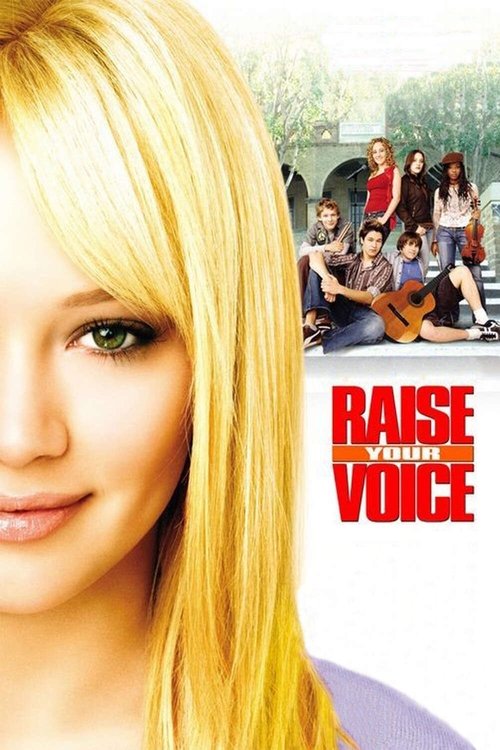
In 2004, Hilary Duff was the undisputed queen of the "tween" demographic. Lizzie McGuire had turned her into a household name, her debut album Metamorphosis was blasting in every Limited Too across America, and she was the face of a very specific, wholesome brand of optimism. But Raise Your Voice was supposed to be different. This was the "serious" movie—the one where the Disney princess deals with tragic death, urban grit, and the high-stakes world of a prestigious Los Angeles music conservatory.

I recently revisited this film on a Tuesday evening while nursing a slightly-too-hot chamomile tea, and I realized that my sofa has a very specific squeak that perfectly matches the high notes of the final ballad. It’s a strange, earnest time capsule of an era when Hollywood was desperate to turn pop stars into dramatic heavyweights, often with mixed results.
The Grief Behind the Glitter
The story kicks off in Flagstaff, Arizona, where Terri (Hilary Duff) is a small-town girl with big-city pipes. Her brother, Paul (Jason Ritter, in a brief but impactful performance), is her biggest cheerleader. He secretly submits a demo of her singing to the Bristol-Hillman Conservatory in L.A. Tragedy strikes early—a car accident after a Three Days Grace concert (the most 2004 sentence I’ve ever written) leaves Paul dead and Terri shattered.
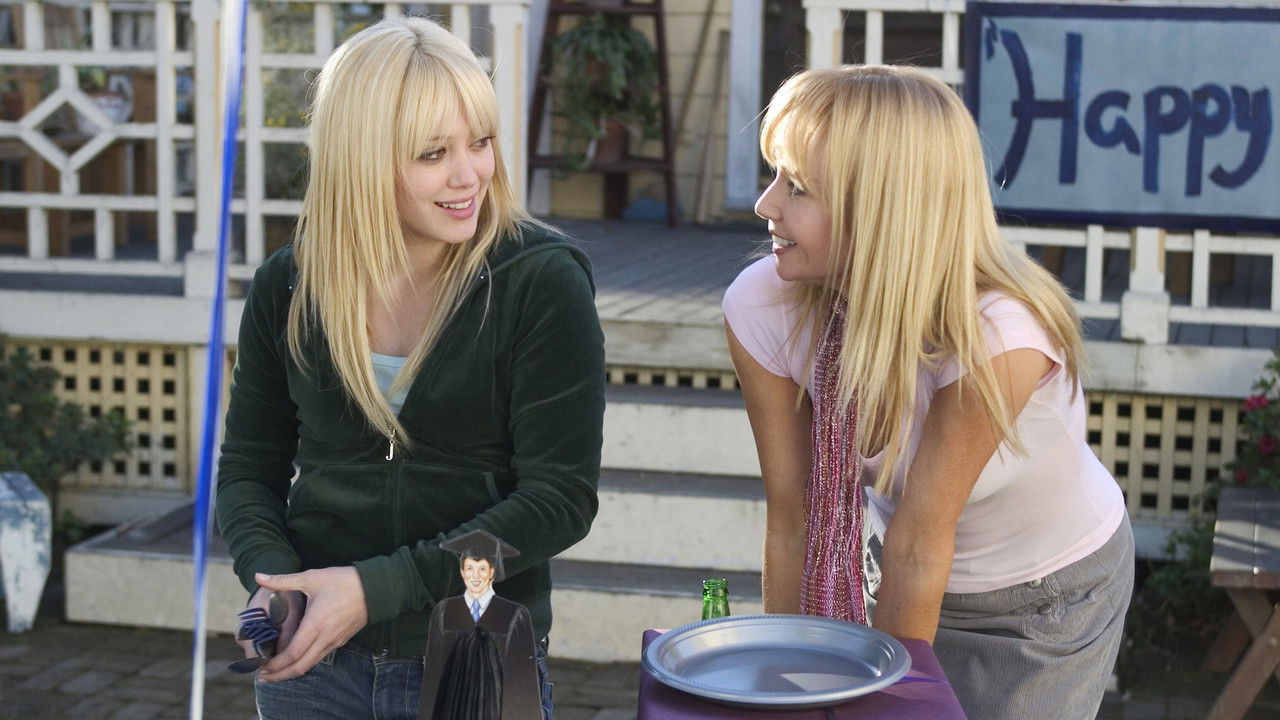
When she gets accepted into the summer program, her overprotective, "singing-isn't-a-real-job" father (David Keith, known for An Officer and a Gentleman) says no. So, naturally, she lies, pretends she’s visiting an aunt, and heads to the Big Smoke. David Keith plays the stern father with such intensity that you’d think he was guarding a nuclear silo rather than a teenage daughter's dreams. His performance is actually one of the more grounded elements; you can feel the genuine, albeit suffocating, fear of a man who just lost one child and can’t bear to lose another.
A Conservatory of Cliches

Once Terri arrives at the conservatory, the movie shifts into a classic "fish out of water" drama. We meet the usual suspects: the brooding love interest Jay (Oliver James, who was fresh off What a Girl Wants), the hyper-competitive "mean girl" Sloane (Kat Dennings, before she found her comedic niche in 2 Broke Girls), and the quirky roommates.
The film tries hard to establish a sense of "urban" artistic struggle. There’s a scene where Terri wanders into a tough neighborhood and looks terrified by a few kids playing basketball, which makes the suburbs of Flagstaff look like a war zone by comparison. The film’s version of a "prestige academy" feels more like a performing arts high school where everyone happens to be a virtuoso. Hilary Duff gives it her all, especially in the scenes dealing with her stage fright and PTSD from the crash, but the script often lets her down with dialogue that feels like it was lifted from an inspirational poster.
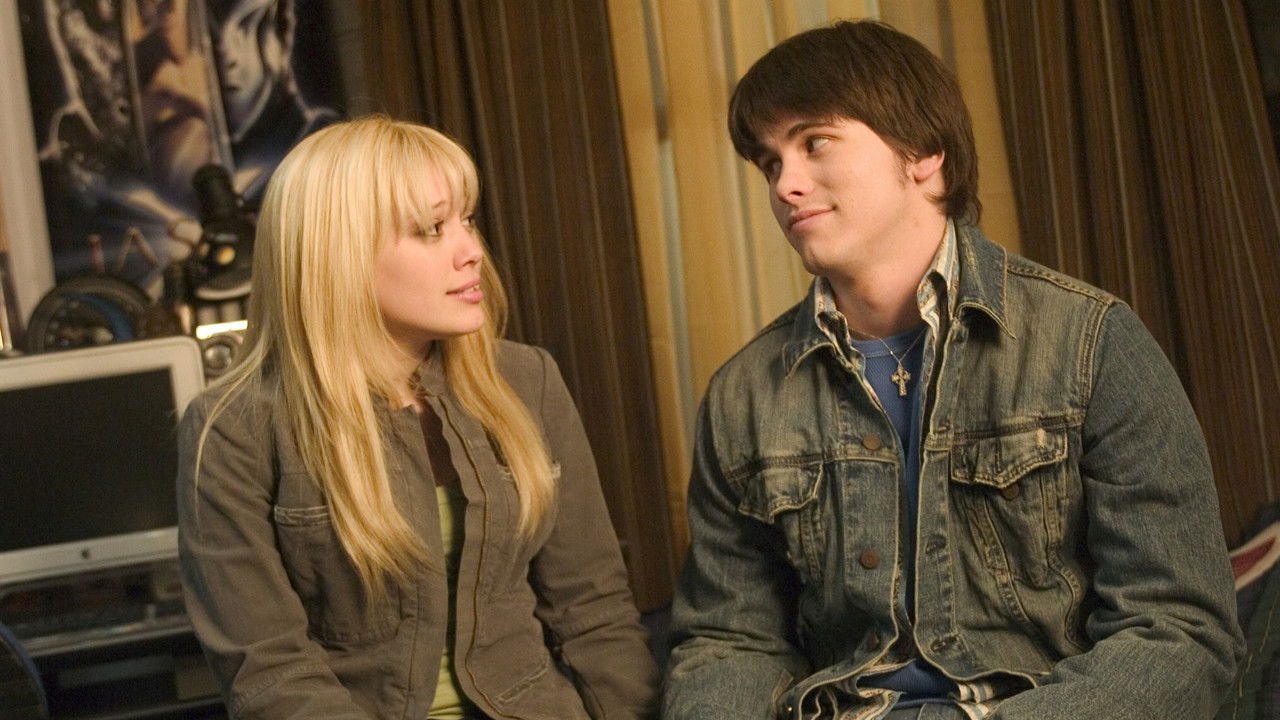
The romance between Terri and Jay is where the film feels most dated. Oliver James has that specific mid-2000s "sensitive musician" vibe—shaggy hair, a leather necklace, and a permanent smolder—but their chemistry has all the spark of a wet box of matches. They spend a lot of time "composing" together, which mostly involves tinkling on a piano and looking wistfully into the middle distance.
The Sound of Obsolescence
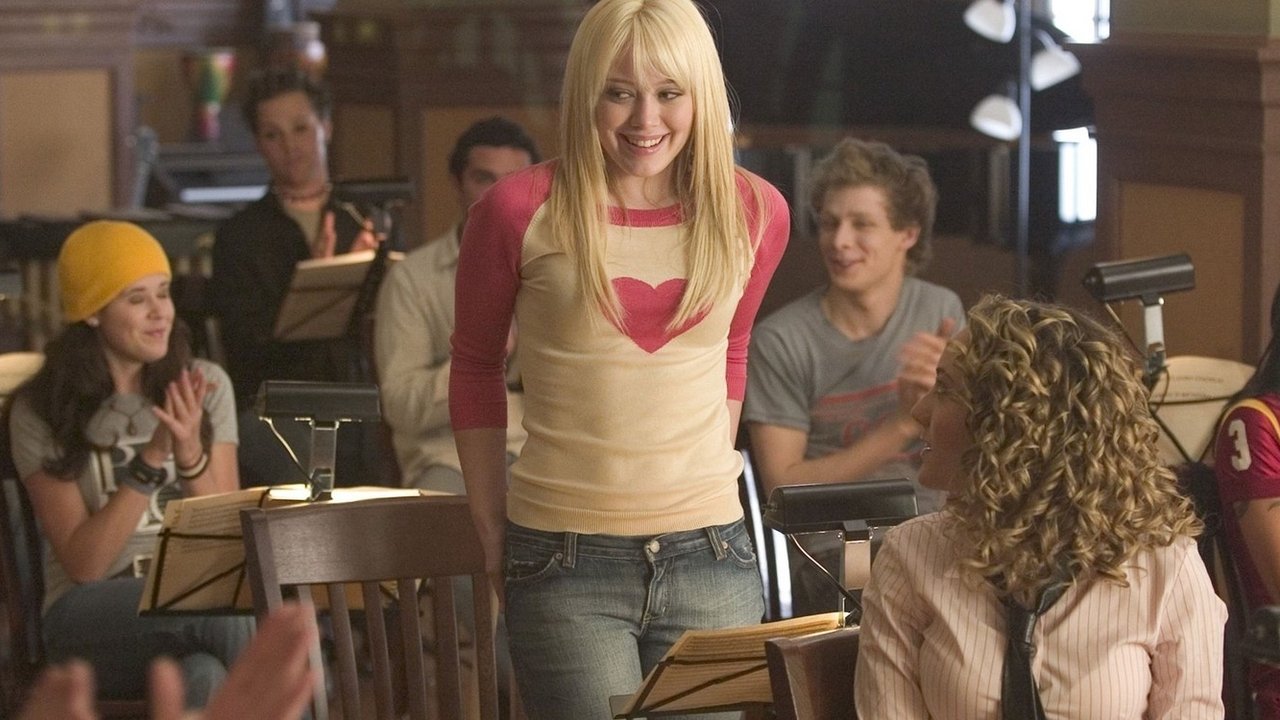
What makes Raise Your Voice interesting in retrospect is how it captures the transition of the music industry. This was the era of the "American Idol" boom, where the idea of a "big voice" was the ultimate currency. The score by Aaron Zigman (The Notebook) leans heavily into the melodramatic, ensuring you know exactly when to feel sad or inspired.
The film’s climax features the song "Someone’s Watching Over Me," which became a minor hit for Duff. It’s a quintessential 2004 power ballad—overproduced, lyrically simple, and designed to pull at the heartstrings of anyone who’s ever lost a pet or a relative. Looking back, the CGI used during some of the dream sequences or the lighting of the final performance shows its age, but there’s a certain charm to the practical sets and the lack of social media. The characters actually have to talk to each other to solve their problems!
Behind the scenes, the film was a bit of a disaster financially. With a budget of $15 million, it barely clawed back its costs at the box office. It was overshadowed by bigger teen hits and critics were ruthless, often dismissing it as a vanity project for Duff. However, it found a second life on DVD, becoming a staple of sleepovers for years. It’s the kind of movie that feels "safe" in a post-9/11 world—earnest, moralistic, and ultimately rewarding the girl who follows the rules (mostly) and works hard.
Raise Your Voice isn't a "good" movie in the traditional sense. It’s predictable, the pacing is wonky, and the drama often veers into soap opera territory. But as a piece of Modern Cinema history, it’s a fascinating look at the peak of the Hilary Duff empire. It’s a film about the power of music to heal, even if that music is a bit sugary. If you’re looking for a dose of mid-2000s sincerity or want to see a young Kat Dennings being delightfully cynical, it’s worth a revisit—just don’t expect a masterpiece.
Keep Exploring...
-
Save the Last Dance
2001
-

What a Girl Wants
2003
-

High School Musical 2
2007
-

High School Musical 3: Senior Year
2008
-

Nick and Norah's Infinite Playlist
2008
-

Hannah Montana: The Movie
2009
-

Soul Surfer
2011
-

High School Musical
2006
-

Honey
2003
-
First Daughter
2004
-
Just My Luck
2006
-

Camp Rock
2008
-

Footloose
2011
-

Step Up All In
2014
-
Coyote Ugly
2000
-

The Princess Diaries 2: Royal Engagement
2004
-

Step Up
2006
-
August Rush
2007
-

Step Up 2: The Streets
2008
-

Crazy Heart
2009